

Loading, please wait...
Loading, please wait...
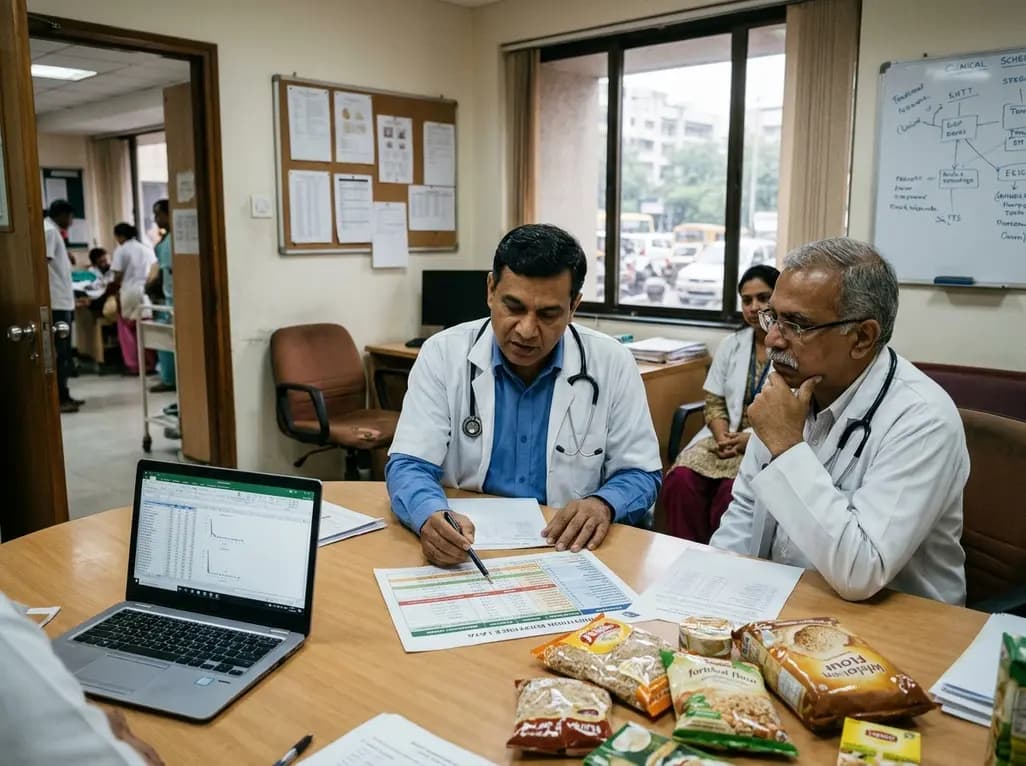
The evolving landscape of public health demands an urgent overhaul of the national approach to malnutrition. For decades, intervention models prioritized calorie deficits and emergency micronutrient distribution. Today, the modern India nutrition strategy must confront an unexpected demographic shift: the coexistence of micronutrient deficiencies and surging rates of obesity. Clinicians across primary care centers routinely observe individuals who appear overfed but remain severely undernourished at the cellular level. Therefore, public health leaders advocate for a swift pivot from generic pill distribution toward region-specific, evidence-informed nutrition programs.
Historically, severe famine and generalized caloric scarcity dictated Indian nutritional policy. Consequently, initial national frameworks emphasized bulk calorie delivery and acute starvation prevention. However, recent economic growth and rapid lifestyle shifts have altered community health dynamics. Processed, high-carbohydrate, and energy-dense foods now dominate household pantries across both urban and rural geographies. As a result, the national health ecosystem faces a stark dual burden of malnutrition. Recent demographic analyses demonstrate that roughly 40 percent of non-pregnant women of reproductive age suffer from obesity. Simultaneously, these women exhibit marked micronutrient deficits in primary care testing. These patients often lack essential elements like iron, folate, and cyanocobalamin despite an elevated body mass index. Inadequate dietary diversity, sedentary habits, and uncontrolled consumption of packaged goods drive this metabolic contradiction. Clinicians can no longer assume that normal or elevated body mass indicates adequate micronutrient status. Therefore, medical practitioners must screen for occult micronutrient shortfalls across all body mass strata. Furthermore, routine counseling must actively address excessive caloric intake alongside nutritional quality. Moreover, treating these intersecting morbidities demands holistic nutritional assessments rather than isolated caloric recommendations. Addressing both excessive adiposity and cellular deprivation simultaneously will safeguard long-term cardiometabolic wellness.
Traditional maternal and child health interventions have long depended on prophylactic pharmaceutical supplementation. For example, clinicians routinely prescribe iron and folic acid tablets to combat widespread gestational anemia. Nevertheless, adherence rates among patient cohorts remain persistently disappointing across diverse social demographics. National clinical surveys reveal that barely 38 percent of pregnant women consume the full 180-day regimen. Consequently, more than six in ten expectant mothers do not complete their recommended preventative courses. Unfavorable pharmacological side effects, such as dark stools and persistent gastric irritation, represent primary reasons for poor compliance. In addition, when asymptomatic individuals feel energetic, they perceive little value in enduring adverse drug events. Therefore, prescribing supplements alone fails to achieve the desired population-level biological impact. Health systems often expend vast financial resources on distribution without achieving adequate ingestion rates. Thus, clinicians recognize that patient behavior forms the ultimate bottleneck in pill-based prophylaxis. Overcoming this barrier requires sustained patient communication alongside pragmatic, non-pharmacological alternatives. These food-based alternatives integrate seamlessly into standard domestic routines. Ultimately, transforming preventive delivery models will drastically reduce preventable maternal complications across vulnerable populations.
Because daily pill ingestion demands active behavioral changes, food fortification provides an exceptionally effective alternative for population health. Enriching indigenous dietary staples allows patients to absorb vital micronutrients without modifying their daily culinary routines. For instance, when staple flours contain iron, folic acid, and vitamin B12, families receive essential nutrients effortlessly. Community field studies in northern India demonstrate the pragmatic superiority of this food-based approach. In Haryana's Ambala district, researchers introduced fortified wheat flour into the Public Distribution System. Notably, 98 percent of enrolled households consumed the fortified flour readily without adverse gastrointestinal complaints. Moreover, 71 percent consumed their entire allocation before acquiring alternative flours, confirming overwhelming community acceptability. Similarly, universal salt iodization historically proved that passive dietary interventions yield outstanding public health results. However, India exhibits dramatic cultural and regional dietary diversity that precludes a one-size-fits-all fortification program. Rice-consuming southern and eastern regions require different delivery vehicles compared to wheat-consuming northern populations. Consequently, national nutrition frameworks must align fortification recipes with regional staple patterns. Tailoring these formulations ensures optimal uptake across distinct culinary traditions. Furthermore, localized delivery mechanisms prevent micronutrient waste and optimize community-wide clinical outcomes.
A modern India nutrition strategy requires robust digital infrastructure and indigenous diagnostic reference values. Historically, Indian diagnostic laboratories and medical algorithms relied heavily on clinical standards formulated from Western populations. However, Western demographic data fail to represent Indian body composition, metabolic tendencies, and dietary phenotypes. As a result, standard clinical definitions often misdiagnose metabolic risk or misestimate physiological nutritional deficiencies. To correct these discrepancies, national research institutions are undertaking large-scale community studies to calibrate authentic Indian reference ranges. Furthermore, digital diagnostic tools and artificial intelligence platforms generate substantial real-time patient data across district networks. Nevertheless, artificial intelligence tools and automated predictive models remain ineffective if trained on foreign clinical cohorts. Health informatics systems must train specifically on localized physiological data to deliver reliable predictive insights. Therefore, integrating indigenous data into electronic health records allows clinicians to identify localized malnutrition hotspots swiftly. In addition, digital dashboards enable medical teams to tailor dietary advice according to regional biochemical markers. Consequently, data-led personalization transforms broad demographic guidelines into actionable clinical strategies. Moreover, modern clinical software can alert practitioners when specific regional cohorts fall below targeted nutritional indices. Ultimately, these digital innovations empower primary clinicians to deliver precision preventive care.
While policy development moves swiftly, inadequate post-market surveillance remains a critical vulnerability in large-scale nutritional programs. Interventions cannot conclude simply with product manufacture and logistics rollout into community networks. On the contrary, public health agencies must continuously monitor product stability, real-world utility, and patient biochemical responses. Recent experiences with centralized rice fortification demonstrate the critical necessity of active field vigilance. For example, technical issues arose when fortified rice kernels floated during routine washing. Consequently, some uninformed consumers discarded these essential nutrients before cooking. Furthermore, clinicians raised theoretical concerns regarding uncontrolled iron intake among patients with inherited hemoglobinopathies. These vulnerable cohorts face elevated risks of progressive systemic iron overload if exposed to unmonitored supplemental iron. Although evidence showed limited clinical harm, public authorities temporarily paused distribution to investigate product stability and storage degradation. Therefore, this development highlights the indispensable role of robust post-market pharmacovigilance. Public health systems must maintain continuous clinical feedback loops to rapidly identify, calibrate, and resolve emerging challenges. Proactive surveillance safeguards community trust and ensures long-term therapeutic efficacy. Indeed, ongoing dialogue between field officers and laboratory scientists prevents logistical oversights. In conclusion, continuous post-rollout monitoring ensures that safety standards keep pace with nationwide program implementation.
Q1: Why is oral supplementation often insufficient to control population-level micronutrient deficiencies in India?
Oral supplementation requires sustained daily behavioral compliance, which frequently fails due to adverse drug reactions. Patients routinely discontinue iron and folic acid tablets because of gastrointestinal distress, dark stools, and morning nausea. Furthermore, asymptomatic patients often fail to perceive immediate tangible benefits from preventive pills. In contrast, biofortified staple foods provide necessary micronutrients passively through ordinary daily meals, dramatically improving overall community adherence and physiological impact.
Q2: How does the dual burden of malnutrition affect non-pregnant women in India?
The dual burden describes the paradoxical coexistence of excessive caloric consumption and severe cellular micronutrient deficiencies within the same individual. Many women consume diets dense in refined carbohydrates, saturated fats, and processed foods that cause progressive weight gain without supplying essential vitamins. Consequently, clinicians observe high rates of obesity alongside iron deficiency anemia and vitamin B12 deficits. This metabolic situation elevates risks for both chronic cardiovascular diseases and maternal-fetal complications.
Q3: Why are population-specific reference ranges necessary for digital nutrition tools in India?
Standard diagnostic thresholds derived from Western cohorts fail to reflect the unique body composition, visceral adiposity, and metabolic genetics of Indian individuals. When digital algorithms and machine learning tools utilize foreign reference intervals, they risk inaccurate disease classification and improper clinical guidance. Establishing indigenous Indian reference standards ensures that computerized nutrition platforms correctly identify localized deficiencies, assess metabolic vulnerabilities accurately, and recommend culturally tailored dietary interventions for sustainable health outcomes.
Disclaimer: This content is for informational and educational purposes only. It does not constitute medical advice or replace professional judgment. Refer to the latest local and national guidelines for clinical practice.
References

Read summarized clinical updates, watch expert medical content, and earn CME certifications right from your smartphone.
Open your smartphone camera to scan and install.





Addressing micronutrient deficiencies and surging obesity in India requires moving beyond universal pill supplementation. By leveraging localized dietary staples, indigenous digital health reference ranges, and vigilant post-market surveillance, public health policies can deliver sustainable clinical impact.
Today
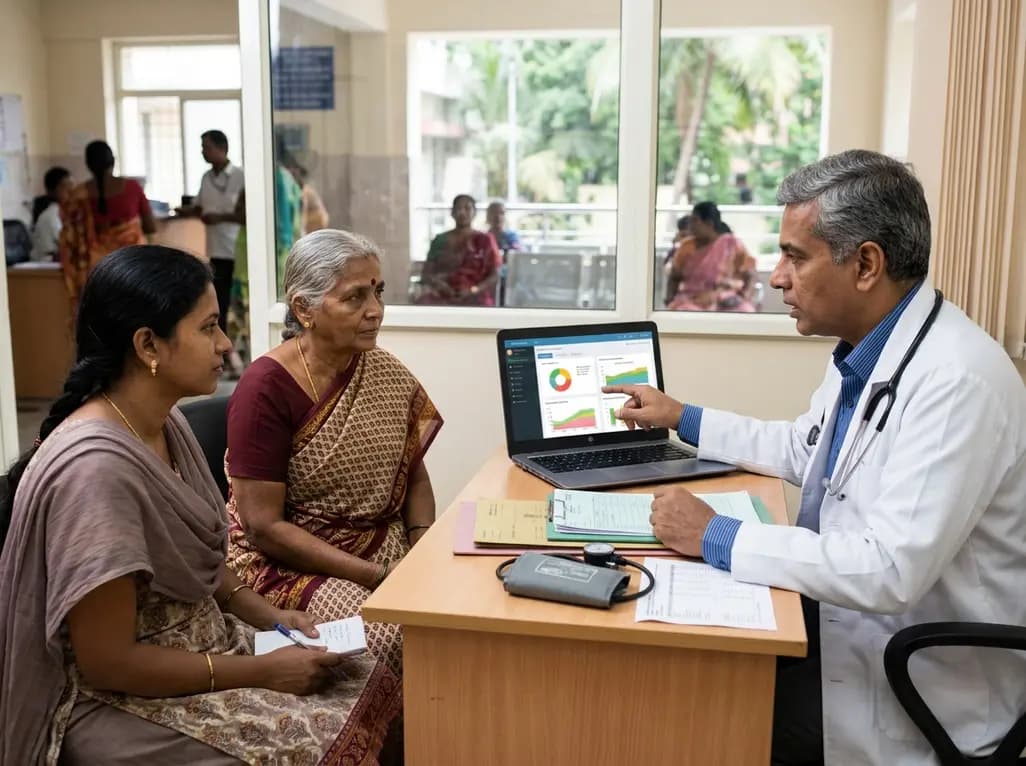
As digital nutrition platforms and automated diet algorithms expand into chronic disease management, clinicians must prioritize verified biochemical outcomes over user engagement metrics. Learn how medical oversight, culturally tailored nutrition, and comprehensive testing safeguard long-term patient health.
Today

The GESS-AEEM consensus establishes a clear clinical implementation framework for testosterone therapy in postmenopausal women with hypoactive sexual desire disorder, focusing on transdermal dosing, precise laboratory monitoring, and safety communication.
Today

A Bayesian component network meta-analysis of 130 RCTs reveals that self-monitoring and gamification provide the clearest positive effects in mHealth physical activity interventions, while social comparison may have adverse psychological trade-offs.
Today
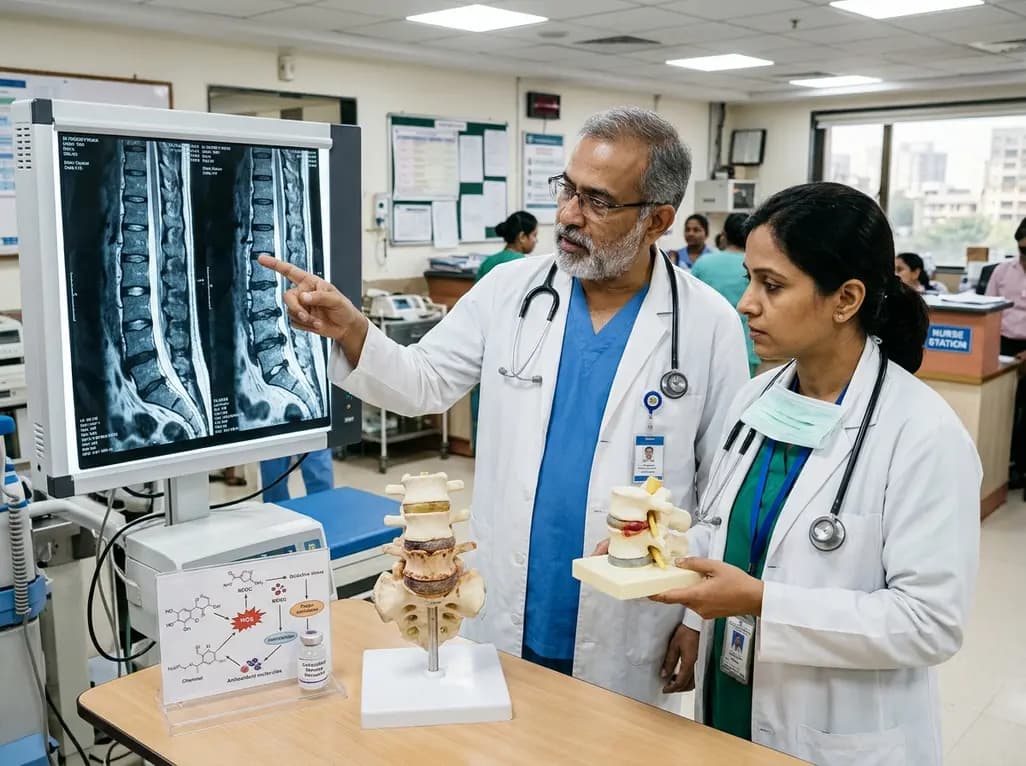
Intervertebral disc degeneration is a primary driver of chronic low back pain. Emerging evidence highlights reactive oxygen species and redox imbalance as central mechanisms. Targeted antioxidant strategies and biomaterial delivery systems offer promising disease-modifying therapies for spine health.
Today
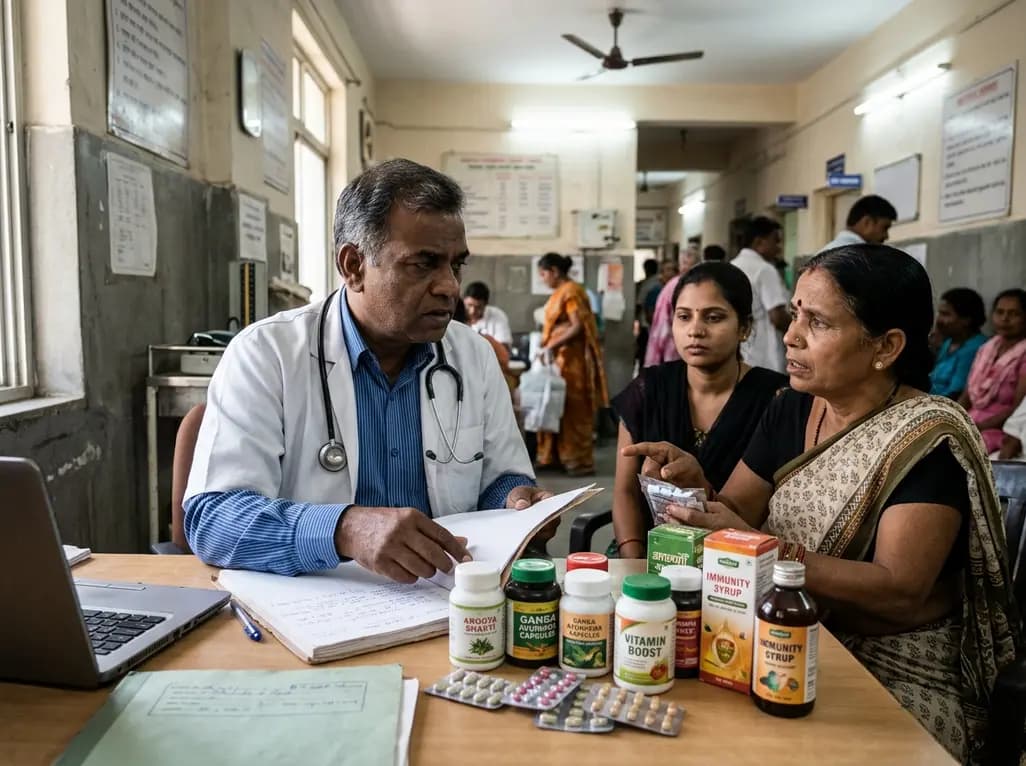
As India's supplement market approaches rapid expansion, medical experts warn of rampant unverified efficacy claims. Unmonitored over-the-counter formulations frequently risk drug-herb interactions, mask underlying chronic diseases, and complicate clinical care across primary and specialty medical settings.
Today
