.webp&w=384&q=75)

Loading, please wait...
Loading, please wait...
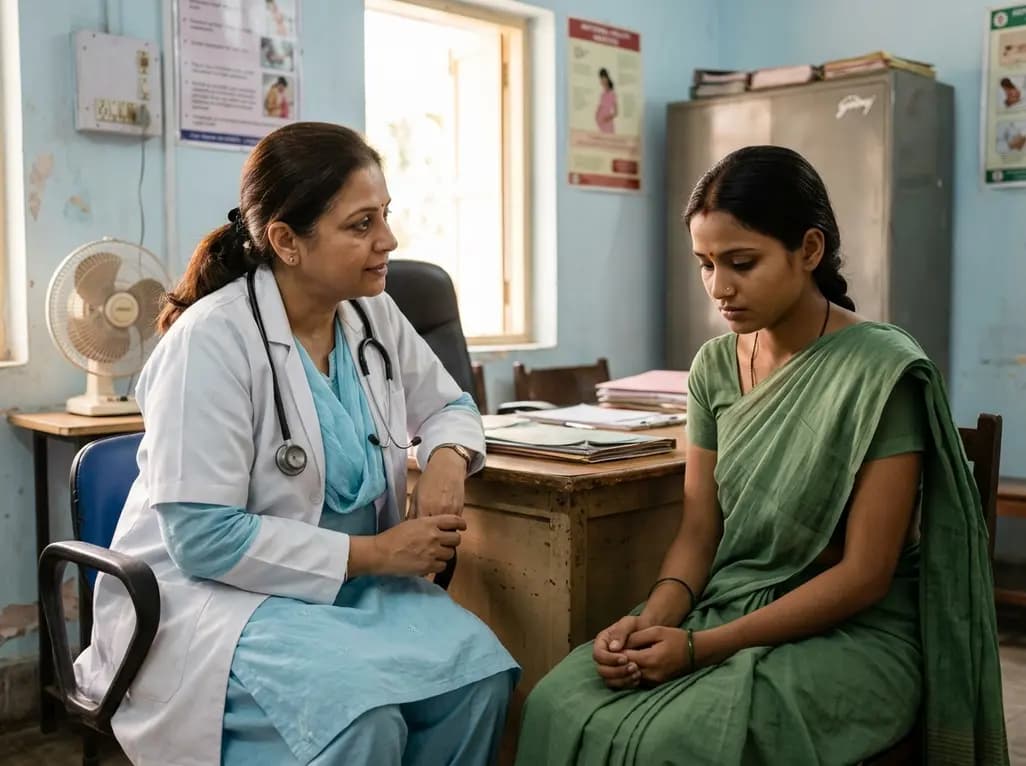
Post-abortion psychological health is a critical yet often overlooked aspect of comprehensive reproductive care. However, a recent study compared women who experienced spontaneous versus induced abortions to understand their mental well-being more deeply. This research highlights that while both experiences are difficult, they carry distinct psychological burdens. Consequently, the support needs and stress trajectories differ significantly between these two groups of patients.
Findings from the study indicate that stress scores were significantly higher in women following induced abortions compared to those with spontaneous losses. Specifically, the induced abortion group was more likely to consist of women aged 30-39 who reported lower income levels. Furthermore, the timing of the psychological impact showed a notable trend. Those who were between four and five years post-procedure still demonstrated heightened stress in the induced group. Because these stressors persist long-term, clinicians must recognize these demographics to provide better-targeted support during follow-up consultations.
The research revealed contrasting patterns regarding perceived social support. Interestingly, women who underwent induced abortions felt significantly more supported by their friends. In contrast, those who experienced spontaneous abortions reported receiving higher levels of support from significant others. This suggests that societal stigma or internal family dynamics might shift where a woman feels safe seeking comfort. Moreover, overall family support was generally rated as insufficient across both groups. Therefore, implementing domestic education programs is vital for strengthening a woman's immediate support network during recovery.
Medical professionals should integrate psychological screening into routine post-abortion care protocols. Specifically, using validated tools like the DASS-21 or GHQ-12 can help identify at-risk patients early in the recovery process. Although physical recovery is often the primary focus, the psychological consequences require time-sensitive interventions. Additionally, clinicians should advocate for stronger community-based support systems. By addressing the specific stress factors of each group, healthcare providers can significantly mitigate long-term adverse outcomes in women’s health.
Research indicates that induced abortions are often associated with higher stress levels than spontaneous ones, likely due to a combination of socioeconomic pressures and varying social support structures.
Support patterns vary because spontaneous loss typically draws more immediate empathy from family, while induced procedures may lead women to rely more on friends due to perceived societal judgment or stigma.
Validated questionnaires such as the DASS-21 or the Goldberg Health Questionnaire (GHQ-12) are effective, non-stigmatizing tools for assessing psychological distress in a clinical setting.
Disclaimer: This content is for informational and educational purposes only. It does not constitute professional medical advice, diagnosis, or treatment. Always seek the advice of your physician or other qualified healthcare provider with any questions you may have regarding a medical condition. Refer to the latest local and national guidelines for clinical practice.
References
1. Khodaei R et al. A comparison of the psychological consequences and social support of spontaneous and induced abortion. BMC Psychol. 2026 Jun 17. doi: 10.1186/s40359-025-03871-x. PMID: 42304182.
2. Prasad M, et al. Occurrence and Determinants of Psychological Distress among Women Undergoing Abortion/Medical Termination of Pregnancy. J South Asian Feder Obst Gynae 2024;16(1):20–24.
3. Ministry of Health and Family Welfare. The Medical Termination of Pregnancy (Amendment) Act, 2021. Government of India.

Read summarized clinical updates, watch expert medical content, and earn CME certifications right from your smartphone.
Open your smartphone camera to scan and install.





This study compares psychological health outcomes between spontaneous and induced abortions. It highlights that induced abortions correlate with higher stress and different support patterns, emphasizing the need for clinical screening and family education to mitigate adverse consequences.
4 months ago
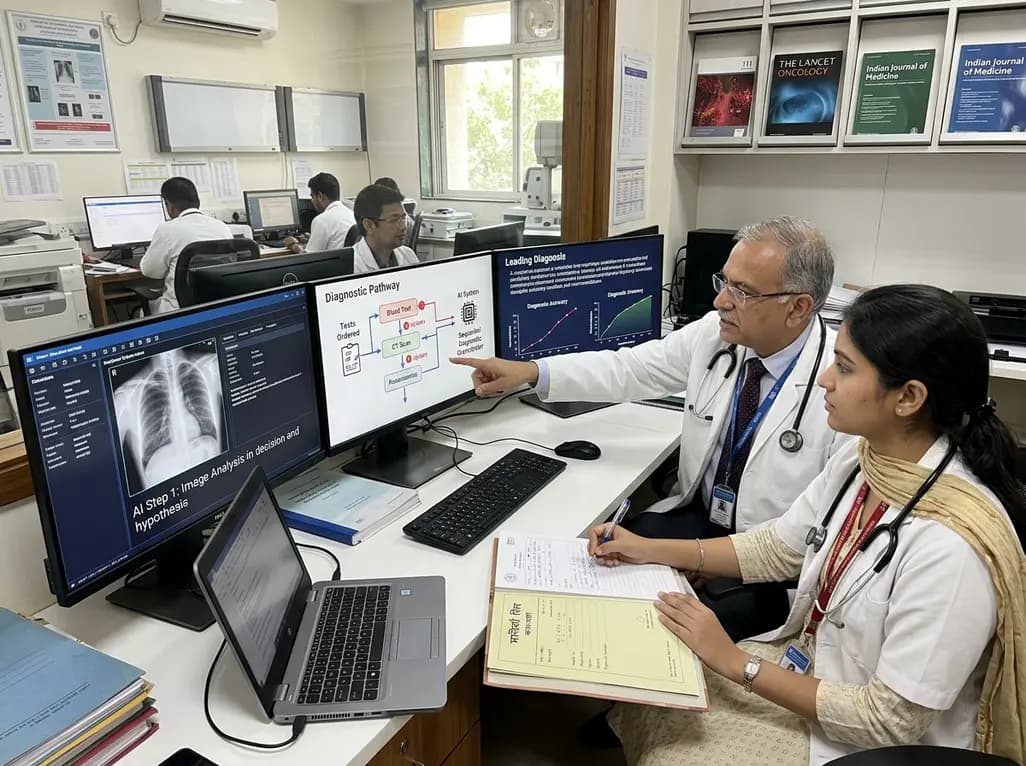
A breakthrough peer-reviewed study demonstrates that a sequential AI diagnosis system can mirror real-world clinical reasoning. By ordering stepwise tests and updating hypotheses dynamically, this multi-agent orchestrator achieved superior diagnostic accuracy while reducing investigative costs.
Today

A prenatal case highlights severe glutaric acidemia type II presenting as bilateral hyperechoic cystic kidneys at 18 weeks. Whole-exome sequencing revealed a novel homozygous ETFDH frameshift variant, demonstrating the power of rapid genetic testing in fetal renal anomalies.
Today

Review how tailored exercise programs benefit frail older patients with heart failure. Explore pathophysiological mechanisms, individualized training prescriptions, and strategies to overcome adherence barriers in clinical practice.
Yesterday

This comparative study evaluates posterior labral tears with and without glenohumeral instability, highlighting distinct demographic patterns, MRI underestimation in stable shoulders, and successful arthroscopic repair outcomes.
Yesterday

A clinical study demonstrates that early intervention with tocilizumab, either as monotherapy or bridged with corticosteroids, achieves significant proptosis reduction and resolves active inflammation in treatment-naive thyroid eye disease.
Yesterday
