

Loading, please wait...
Loading, please wait...

Receiving a diagnosis of malignant thoracic disease is a profoundly disruptive life event that immediately threatens emotional stability and physical survival. Clinicians frequently encounter significant psychological distress in NSCLC patients throughout their diagnostic pathways and treatment trajectories. Non-small cell lung cancer historically carries a poor overall prognosis, which amplifies fear, hopelessness, and acute existential dread. Consequently, these overwhelming psychological burdens elevate the risk of major depressive disorder, severe anxiety, and self-harm. Emerging epidemiological evidence highlights how early mental health vulnerability arises, often predating formal oncological confirmation. Recognizing these complex patterns helps clinicians intervene proactively, mitigating adverse psychiatric outcomes and improving overall palliative support.
Psychological vulnerability frequently manifests well before an individual receives a confirmed histological diagnosis of thoracic cancer. Indeed, nationwide registry data demonstrate that dispensations of anxiolytics, sedatives, and hypnotics rise significantly as early as three months prior to formal oncological diagnosis. Patients during this investigative window frequently experience debilitating respiratory symptoms, diagnostic uncertainty, and severe existential anxiety. Therefore, clinicians in ambulatory settings regularly prescribe psychotropic agents to alleviate worsening insomnia, unexplained restlessness, and panic. This subtle pharmacological signal highlights an emerging crisis before oncologists establish a definitive tumor stage. Primary care providers and pulmonologists must recognize that unexplained shifts in psychoactive medication use often reflect deep emotional turbulence during diagnostic workups. Consequently, early therapeutic vigilance provides a critical window to identify vulnerable individuals before severe psychological decompensation occurs. By addressing anxiety during initial investigations, multidisciplinary teams can establish essential coping mechanisms early.
Following the formal disclosure of a malignant diagnosis, rates of acute psychiatric morbidity increase dramatically among patients with lung cancer. Registry-based analyses demonstrate marked elevations in documented depressive disorders, toxic substance intoxications, deliberate self-harm attempts, and completed suicides. Unfortunately, the shock of a life-limiting illness destabilizes baseline resilience, triggering acute despair and profound grief. Substance misuse or toxic intoxications may reflect maladaptive coping mechanisms or accidental overdoses of prescribed symptom-relief agents. Furthermore, the risk of suicidal behavior peaks during the initial post-diagnostic interval when treatment decisions and prognostic realities feel most crushing. Therefore, healthcare providers must realize that emotional trauma constitutes a true medical emergency in oncology. Systematic surveillance remains vital because untreated depression severely impairs treatment adherence, functional recovery, and survival. Comprehensive psychosocial assessments must accompany clinical staging investigations to protect vulnerable patients.
The intensity of psychiatric pharmacotherapy strongly correlates with underlying oncological stage and overall disease burden. Patients diagnosed with advanced metastatic non-small cell lung cancer receive substantially higher volumes of anxiolytics, hypnotics, and sedatives than individuals with localized disease. Severe somatic symptoms, such as intractable dyspnea, relentless pain, and severe fatigue, exacerbate psychological panic and sleep fragmentation. Consequently, palliative teams actively employ sedative medications to manage complex physical distress alongside existential terror. Interestingly, antidepressant prescription rates rise steadily after diagnosis but exhibit less direct variation across anatomical disease stages. This pattern suggests that depressive symptoms reflect the universal existential burden of cancer rather than physical tumor volume alone. Clinicians must carefully balance sedative regimens to avoid dangerous pharmacological interactions, cognitive impairment, and accidental toxicities. Thoughtful multidisciplinary medication reviews remain indispensable across all palliative oncology care plans.
Effectively addressing psychological distress in NSCLC requires structured, routine screening protocols embedded directly within routine thoracic oncology workflows. Traditional oncology consultations predominantly prioritize radiographic response, surgical margins, molecular profiling, and systemic toxicity profiles. However, neglecting emotional suffering compromises therapeutic outcomes and degrades quality of life. Implementing validated distress thermometers and standardized depression scales enables rapid identification of severe affective disturbance. Multidisciplinary tumor boards should incorporate psycho-oncologists, clinical social workers, and specialized nurses to establish tailored intervention pathways. Moreover, early palliative care consultation offers proven benefits for emotional stabilization, symptom control, and advanced care planning. Peer support groups and structured cognitive behavioral therapies also deliver indispensable resilience tools for newly diagnosed individuals. Systematic screening ensures that severe mental health symptoms receive timely evidence-based psychiatric interventions.
Collaborative care models linking oncologists, pulmonologists, psychiatrists, and general practitioners are essential to safeguard high-risk cancer populations. Frequent, structured communication between primary care doctors and cancer specialists ensures close tracking of psychotropic regimens and emergent behavioral warning signs. Primary care physicians often possess deep insights into a patient's historical coping mechanisms, baseline psychiatric history, and domestic support structures. Concurrently, hospital-based oncology teams must provide rapid referral pathways whenever acute self-harm risks or severe substance intoxications arise. Family education programs also help caregivers recognize subtle signs of depressive withdrawal, severe agitation, and fatalistic statements. Providing compassionate counseling alongside modern systemic therapies upholds holistic medical care. Ultimately, treating the whole patient through rigorous clinical collaboration significantly improves emotional resilience and safeguards human dignity.
Severe distress often begins months before a formal diagnosis during initial diagnostic evaluations. Prescriptions for anxiolytics and sedatives increase significantly up to three months before oncological confirmation, reflecting severe anxiety, functional impairment, and apprehension during investigations.
Receiving a life-limiting cancer diagnosis creates overwhelming existential terror, despair, and severe emotional shock. Maladaptive coping strategies, sudden hopelessness, unmanaged physical pain, and the availability of potent prescribed sedatives or analgesics collectively heighten the risk of accidental intoxication and intentional self-harm.
Clinical teams should implement routine, standardized psychological screening tools at every major clinical encounter. Establishing collaborative care models with psycho-oncologists, coordinating with primary care physicians, and initiating early palliative care ensure rapid therapeutic support for vulnerable patients throughout treatment.
Disclaimer: This content is for informational and educational purposes only... Refer to the latest local and national guidelines for clinical practice.
References
Willén L et al. Depression, intoxication, suicide attempt, suicide and the use of anxiolytics, hypnotics, sedatives and antidepressants following a diagnosis of non-small cell lung cancer. A population-based study (Sweden). Psychiatry Res. 2026 Oct. doi: 10.1016/j.psychres.2026.117342. PMID: 42541936.
McFarland DC, Walsh L, Holcombe RF. Depression and anxiety in patients with cancer: identification, prevention, and treatment. J Thorac Oncol. 2022;17(4):512-525.
Walker J, Hansen CH, Martin P, et al. Integrated collaborative care for major depression in patients with cancer (SMaRT Oncology-2): a multicentre randomised controlled trial. Lancet. 2014;384(9948):1099-1108.

Read summarized clinical updates, watch expert medical content, and earn CME certifications right from your smartphone.
Open your smartphone camera to scan and install.





A Swedish nationwide study reveals a marked rise in depression, substance intoxication, suicide attempts, and psychiatric prescriptions around an NSCLC diagnosis, underscoring the urgent need for routine psychological distress screening and proactive mental health intervention.
Today

Novel glucose-responsive mPEG-PSA nanocarriers deliver insulin aspart on demand, achieving dual postprandial and basal glycemic control without hypoglycemia in diabetic models. This biomaterial breakthrough offers promising clinical implications for physiologic diabetes management.
Today
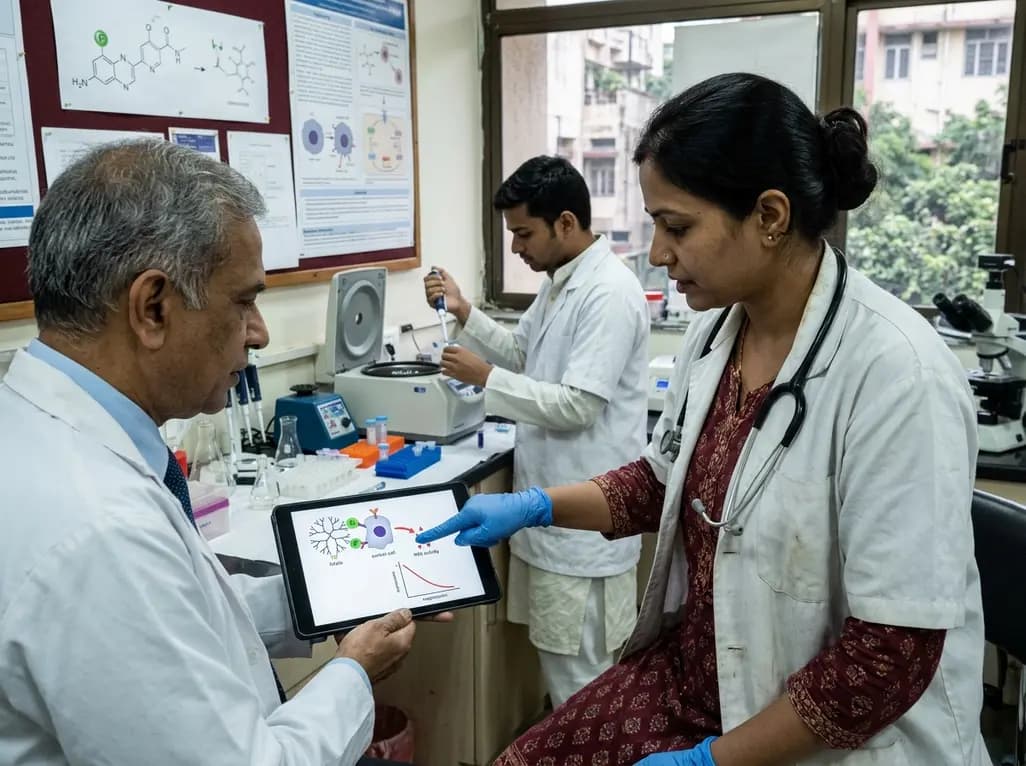
A novel folate-conjugated tecto-dendrimer nanoplatform successfully delivers siRNA to achieve targeted HK2 silencing, disrupting ovarian cancer glycolysis and suppressing lactate output.
Today

A comparative non-contact study reveals that high-power radiofrequency delivery with the QDOT MICRO catheter induces an artifactual contact force rise. Electrophysiologists must understand this power-dependent thermal and electrical phenomenon to avoid inadvertent catheter withdrawal and ineffective ablation.
Today

A novel proof-of-concept study presents a six-degree-of-freedom articulated manikin neck equipped with linear potentiometers. The system provides real-time kinematic motion feedback during cervical immobilisation, delivering sub-degree tracking accuracy to improve pre-hospital trauma training and patient safety.
Today

A retrospective comparative cohort study evaluated genitourinary safety in HFpEF between dapagliflozin and empagliflozin over six months. Rates of symptomatic UTI and asymptomatic bacteriuria showed no statistically significant differences, supporting comparable safety profiles across both SGLT2 inhibitors.
Today
