

Loading, please wait...
Loading, please wait...

Bipolar disorder presents an enduring clinical challenge characterized by recurrent affective episodes, substantial functional impairment, and heightened morbidity. Pharmacological mood stabilizers form the undeniable foundation of maintenance therapy. Nevertheless, breakthrough mood episodes frequently disrupt long-term stability. Adjunctive psychoeducation for bipolar disorder offers an established strategy to improve medication adherence and early symptom identification. However, robust evidence evaluating structured psychosocial interventions within low-resource South Asian healthcare environments has remained sparse. A landmark multicentre randomized controlled trial from Pakistan now demonstrates that culturally adapted psychosocial care drastically prolongs remission and reduces relapse risk.
Clinicians recognize that pharmacotherapy alone rarely guarantees sustained wellness in bipolar disorder over extended periods. In fact, observational studies indicate that more than half of stabilized patients experience affective recurrences within two years. Several complex factors drive these poor outcomes, including suboptimal medication adherence, environmental stress, and poor disease awareness. Furthermore, widespread societal stigma and alternative folk explanations often discourage individuals from maintaining continuous medical therapy. In many low- and middle-income countries, public psychiatric services face severe resource limitations and specialist shortages. Consequently, routine outpatient visits remain brief, focusing almost exclusively on acute symptom control and basic prescription renewals. Therefore, families receive little guidance regarding early warning signs of mania or depressive destabilization. Because bipolar illness inflicts cumulative cognitive, occupational, and personal disability, preventing recurrent episodes represents an urgent psychiatric priority. The trial team developed the Culturally Adapted Psychoeducation protocol to bridge these systemic care deficits directly within South Asian communities. Specifically, researchers recognized that interventions must respect local cultural contexts to ensure engagement and sustained adherence.
The CaPE study was an assessor-masked, multicentre randomized controlled trial conducted across seven tertiary psychiatric departments in Pakistan. Researchers enrolled 303 adult patients diagnosed with bipolar I or bipolar II disorder who were currently in verified clinical remission. Next, participants were randomized into two parallel treatment arms: culturally adapted psychoeducation plus treatment-as-usual or treatment-as-usual alone. Treatment-as-usual involved routine psychiatric visits, symptom monitoring, and pharmacological adjustments directed by treating clinicians. In contrast, the intervention group completed twelve weekly, individual psychoeducation sessions lasting approximately one hour each. Master-level clinical psychologists delivered the sessions following a structured, manualized treatment guide under ongoing psychiatric supervision. The primary outcome was time to recurrence of any mood episode over 48 weeks, assessed using the Longitudinal Interval Follow-up Evaluation. Additionally, independent masked evaluators conducted all prospective assessments, preserving robust methodological blinding throughout the trial. Ultimately, researchers obtained complete 12-month follow-up data from 284 out of 303 randomized patients, reflecting an exceptional 93.7% completion rate. Thus, the trial established outstanding protocol fidelity and demonstrated that individual psychological interventions achieve remarkable acceptability.
The trial findings revealed clear therapeutic advantages for patients receiving the culturally tailored psychological intervention alongside standard clinical treatment. Over the 48-week trial window, adjunctive psychoeducation significantly prolonged time to mood episode recurrence compared with standard treatment alone. Specifically, survival analyses demonstrated an adjusted hazard ratio of 0.54, with a 95% confidence interval of 0.42 to 0.69. This statistical outcome equates to an impressive 46% reduction in recurrence hazard among intervention recipients. Furthermore, secondary endpoint evaluations confirmed meaningful risk reductions across both depressive relapses and manic or hypomanic recurrences. Patients participating in psychoeducation experienced fewer psychiatric emergency visits and fewer hospital admissions over the study course. In addition, secondary measures captured notable improvements in medication adherence scores, general functioning, and health-related quality of life. Conversely, patients receiving routine pharmacotherapy alone demonstrated significantly earlier episode recurrence and elevated relapse frequencies. Consequently, clinicians obtain definitive proof that structured psychological interventions meaningfully change the long-term clinical trajectory of remitted bipolar disorder.
Standard Western psychotherapeutic models often encounter poor engagement in non-Western populations because they overlook local social structures and idioms. To resolve this limitation, investigators adapted the proven Barcelona psychoeducation protocol to match South Asian sociocultural realities. First, psychologists delivered all sessions in Urdu and local regional dialects, systematically avoiding complex medical jargon. Second, the curriculum thoughtfully incorporated indigenous explanatory models of mental distress, framing scientific neuroscience alongside spiritual perspectives. Therapists discussed spiritual beliefs with respect, positioning psychiatric medications as valuable treatments that work concordantly with religious faith. Furthermore, the protocol prioritized close family involvement. In South Asian communities, family members frequently supervise medication schedules, accompany relatives to clinics, and influence key personal decisions. Therefore, therapists invited primary family caregivers to selected sessions to strengthen family problem-solving and reduce high expressed emotion. Additionally, sessions incorporated actionable guidance on sleep hygiene around local cultural celebrations, dietary habits, and prevailing economic stressors. As a result, this cultural alignment eliminated self-stigma, restored mutual trust, and promoted active patient participation throughout recovery.
For psychiatrists and mental healthcare teams across India and neighboring low-resource settings, these trial findings provide practical clinical direction. Standard pharmacotherapy with mood stabilizers remains crucial, but medication alone cannot resolve all clinical challenges. Integrating structured psychoeducation for bipolar disorder into outpatient clinics effectively closes treatment adherence gaps. Importantly, the CaPE trial demonstrated that master-level psychologists, rather than senior psychiatrists, delivered the intervention with great success. This observation validates a task-sharing healthcare model that public tertiary centres and private clinics can readily adopt. Healthcare administrators can train postgraduate psychology trainees, psychiatric social workers, and mental health nurses to run manualized individual sessions. Furthermore, clinics should guide patients to maintain personalized mood charting diaries. These charts help patients identify early insomnia, monitor prodromal mood elevations, and track environmental stressors before full relapse emerges. Clinicians can also organize brief booster consultations during major stressful life transitions or seasonal shifts. Thus, adopting structured task-sharing frameworks allows healthcare institutions to expand psychosocial services efficiently without exhausting specialized psychiatric personnel.
Culturally adapted psychoeducation tailors standard psychiatric illness education to align with local linguistic, cultural, and spiritual contexts. Specifically, therapists replace clinical jargon with indigenous idioms of distress, address prevalent community stigmas, and integrate familial decision-making dynamics into recovery plans. Furthermore, the protocol incorporates faith-friendly coping practices and culturally relevant explanations of mental illness. Consequently, this targeted alignment significantly enhances therapeutic engagement, treatment compliance, and sustained clinical rapport among patients and families.
In many South Asian healthcare settings, individual delivery provides essential privacy that group interventions often fail to guarantee. Because social stigma regarding major psychiatric disorders remains intense, participants frequently fear community exposure during open group sessions. Therefore, individual sessions delivered by trained psychologists foster a safe, confidential environment. Additionally, one-on-one sessions allow clinicians to address unique familial stressors, personal symptom triggers, and distinct vocational demands, thereby optimizing adherence and therapeutic alliance.
Indian clinicians can adapt this evidence by training master-level psychologists and psychiatric social workers in structured psychoeducational modules. Specifically, centres can offer twelve structured, weekly individual sessions alongside routine psychopharmacotherapy in outpatient clinics. Furthermore, teams should translate psychoeducational manuals into regional languages such as Hindi, Tamil, or Bengali. Consequently, utilizing task-sharing models empowers multidisciplinary mental health teams across tertiary hospitals and district mental health programmes to deliver cost-effective, scalable relapse prevention.
Disclaimer: This content is for informational and educational purposes only... Refer to the latest local and national guidelines for clinical practice.
References
Husain MI et al. Culturally adapted psychoeducation for bipolar disorder: a multicentre, assessor-masked, randomised controlled trial. EClinicalMedicine. 2026 Nov undefined. doi: 10.1016/j.eclinm.2026.104271. PMID: 42964307.
Miklowitz DJ, Efthimiou O, Furukawa TA, et al. Adjunctive psychotherapy for bipolar disorder: a systematic review and component network meta-analysis. JAMA Psychiatry. 2021;78(2):141-150.

Read summarized clinical updates, watch expert medical content, and earn CME certifications right from your smartphone.
Open your smartphone camera to scan and install.





A multicentre randomized controlled trial shows that culturally adapted psychoeducation for bipolar disorder significantly delays mood episode recurrence and improves outcomes compared to treatment as usual in low-resource South Asian clinical settings.
Today
A hyperdominant left circumflex artery supplies extensive myocardial regions, creating a perilous diagnostic blind spot during acute occlusion. Standard ECGs often conceal posterior infarction, requiring clinicians to employ posterior leads and rapid echocardiography for early invasive catheterization.
Today
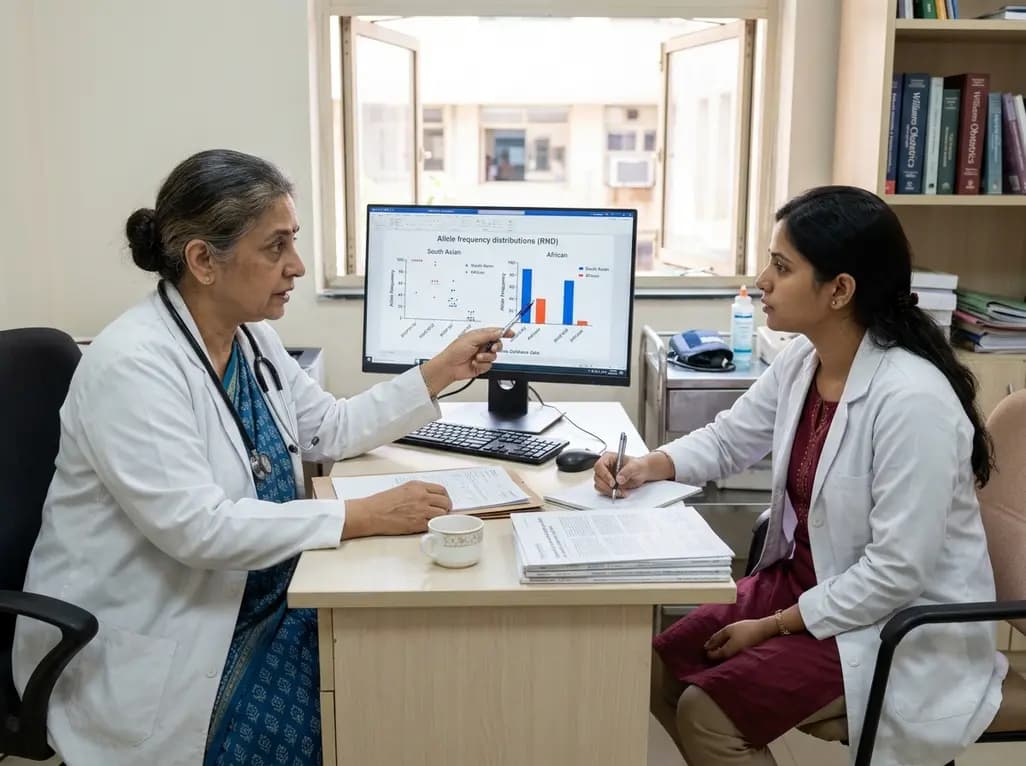
Large genomic databases like gnomAD and All of Us offer crucial insights into the population prevalence of partial RHD genotypes. Identifying these variants helps clinicians mitigate anti-D alloimmunization risks in transfusion medicine and obstetric care across diverse ancestral populations.
Today
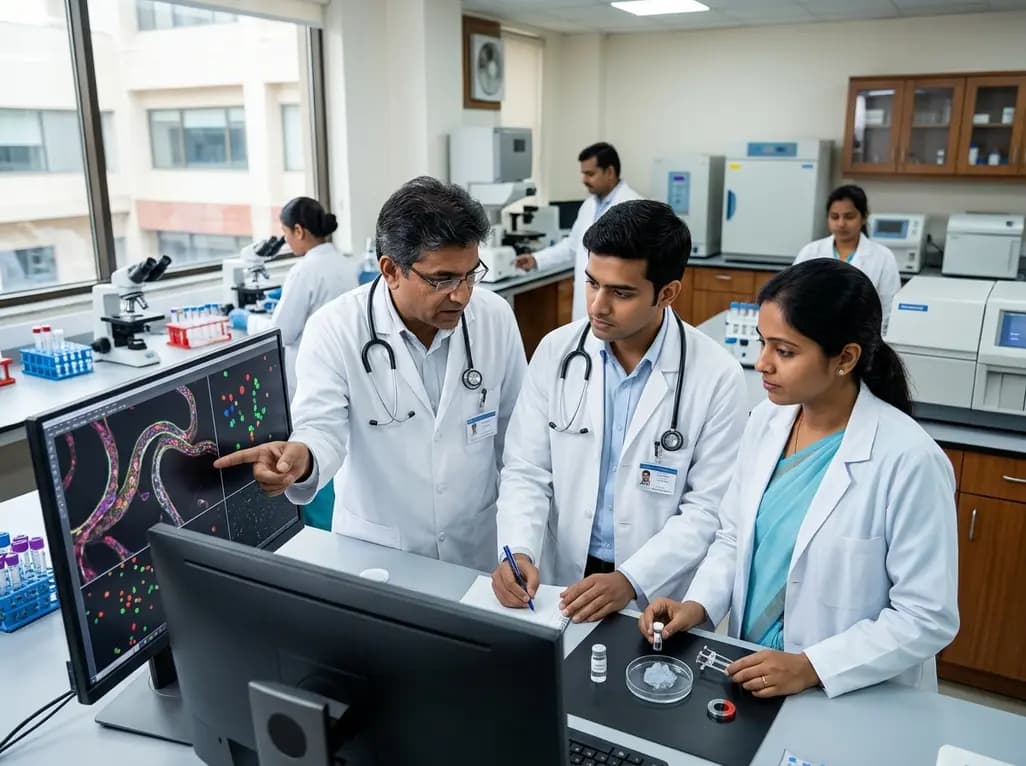
A novel magnetoactive hydrogel platform demonstrates that vascular curvature independently guides endothelial mechanosensing. Elevated curvature triggers nuclear YAP translocation, VE-cadherin junction thinning, and eNOS membrane shifts, offering critical insights into arterial tortuosity and aneurysm pathology.
Today
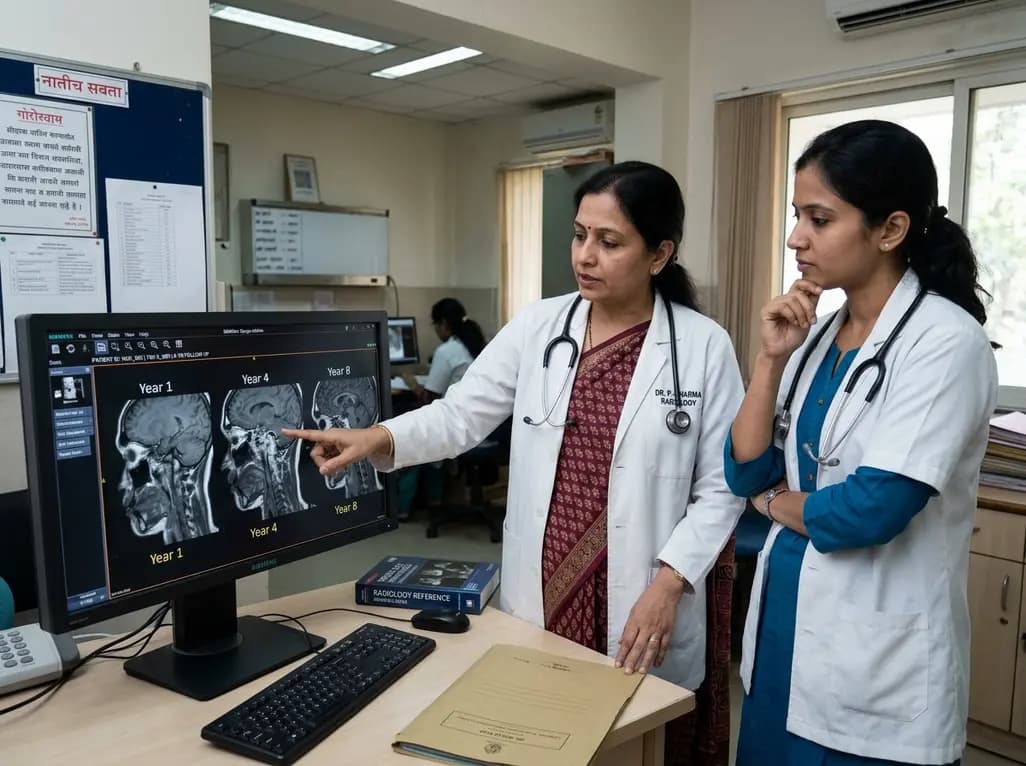
An eight-year longitudinal imaging follow-up reveals severe temporomandibular joint remodeling in nodulosis-arthropathy-osteolysis (NAO) syndrome. Despite extensive osseous destruction, the patient maintained functional jaw opening without TMJ interventions, highlighting the role of conservative management.
Yesterday
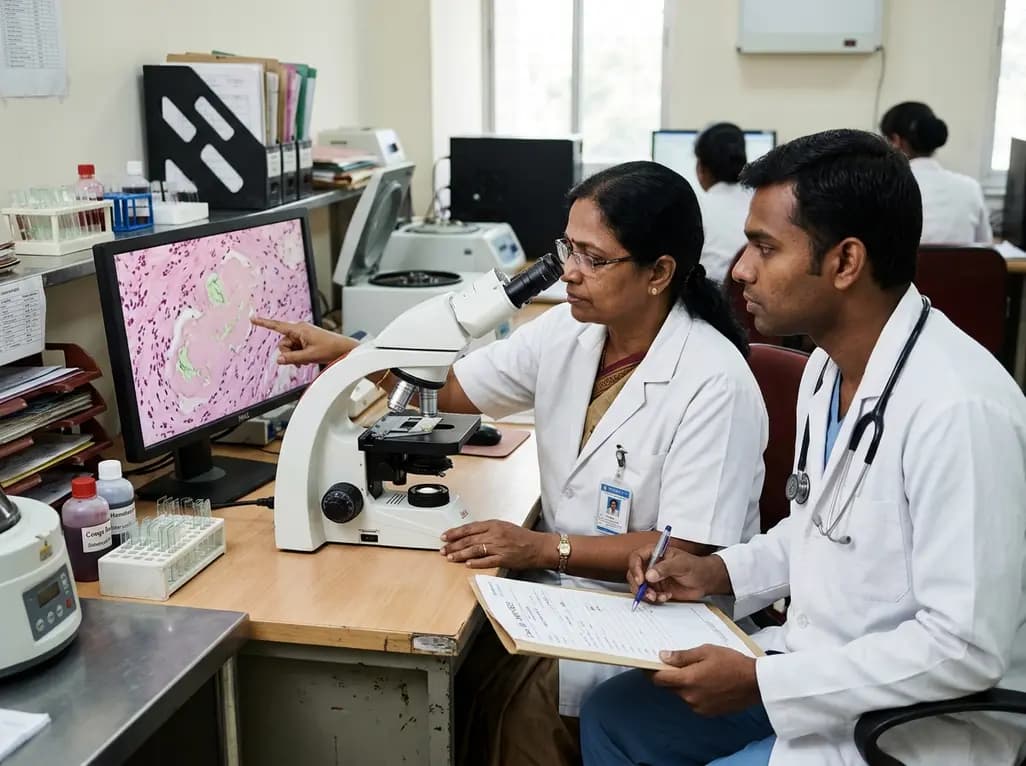
Discover essential clinical insights into AGLP1-type amyloidosis, a rare localized complication of glucagon-like peptide-1 analog injections. Learn how histopathology and mass spectrometry differentiate benign iatrogenic amyloidomas from systemic disease, preventing misdiagnosis and unwarranted therapies.
Yesterday
