.webp&w=384&q=75)

Loading, please wait...
Loading, please wait...

Prostate cancer remains a significant global health challenge, particularly for populations facing systemic health disparities. Clinical guidelines often emphasize shared decision-making, which requires a deep understanding of prostate cancer screening preferences. Project AIMEPCCo (Identifying Preferences for Prostate Cancer Screening Among American Indian Men) addresses this need by focusing on the Lumbee Tribe in North Carolina. This population experiences some of the worst outcomes regarding prostate health. Therefore, researchers are developing a protocol to elicit specific preferences that can guide more effective, culturally responsive screening strategies.
To capture complex patient values, the study utilizes a Discrete Choice Experiment (DCE). This quantitative method presents participants with various screening scenarios that differ by specific attributes. These attributes might include the risk of false positives, out-of-pocket costs, or the potential for overdiagnosis. By analyzing how men choose between these scenarios, clinicians can determine the trade-offs patients are willing to make. Furthermore, this data allows medical educators to design interventions that align with actual patient priorities rather than assumed needs. Consequently, understanding prostate cancer screening preferences through DCEs provides a more nuanced view of the patient's decision-making process.
The results of this study will likely offer a roadmap for improving patient-provider communication. When physicians understand what their patients value most, they can tailor their counseling to address specific concerns. Moreover, the study's focus on cultural responsiveness highlights the importance of localized data in global medicine. For practitioners in India, where diverse socioeconomic factors influence healthcare access, these methodologies offer a valuable framework for addressing screening hesitancy. Specifically, the findings can inform the creation of educational materials that resonate with specific community values, ultimately fostering higher rates of preference-concordant screening.
A DCE is a quantitative survey method used to understand how individuals value different attributes of a healthcare intervention. By asking participants to choose between various hypothetical scenarios, researchers can calculate the relative importance of different factors and the trade-offs patients are willing to accept.
Screening for prostate cancer involves balancing potential benefits, such as early detection, against risks like overdiagnosis and treatment side effects. Identifying patient preferences ensures that screening plans are individualized, which improves patient satisfaction and adherence to clinical recommendations.
Disclaimer: This content is for informational and educational purposes only. It does not constitute medical advice or establish a doctor-patient relationship. Refer to the latest local and national guidelines for clinical practice.
References
Gillette C et al. Identifying Preferences for Prostate Cancer Screening Among American Indian Men (Project AIMEPCCo): Protocol for a Discrete Choice Experiment. JMIR Res Protoc. 2026 May 19. doi: 10.2196/85095. PMID: 42155137.
de Bekker-Grob EW, et al. Men's preferences for prostate cancer screening: a discrete choice experiment. Br J Cancer. 2013 Feb 19;108(3):533-41.
Tikkinen KAO, et al. Values and preferences of men for undergoing prostate-specific antigen screening for prostate cancer: a systematic review. BMJ Open. 2018;8(12):e023914.

Read summarized clinical updates, watch expert medical content, and earn CME certifications right from your smartphone.
Open your smartphone camera to scan and install.





Project AIMEPCCo uses Discrete Choice Experiments to identify prostate cancer screening preferences among men to improve culturally responsive clinical care...
5 months ago
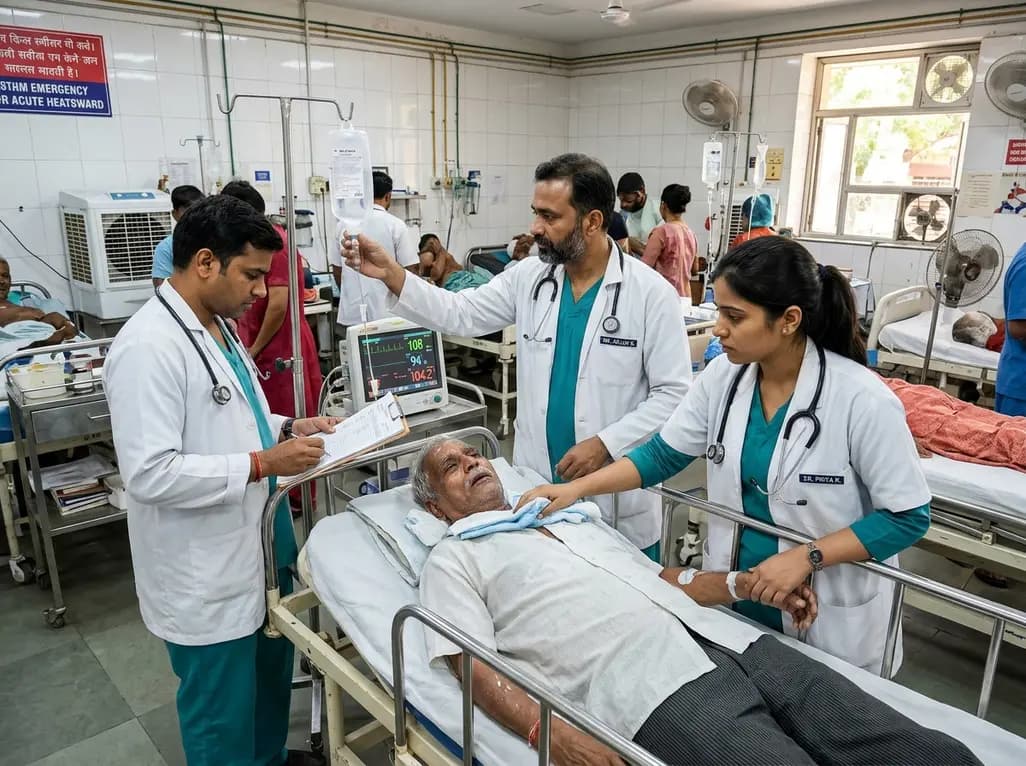
Recent epidemiological data reveals a dramatic surge in summer heat mortality driven by human-induced climate warming. This analysis explores the pathophysiological impacts on cardiac and renal systems, diagnostic dilemmas in death certification, and essential emergency cooling protocols for acute clinical care.
Today
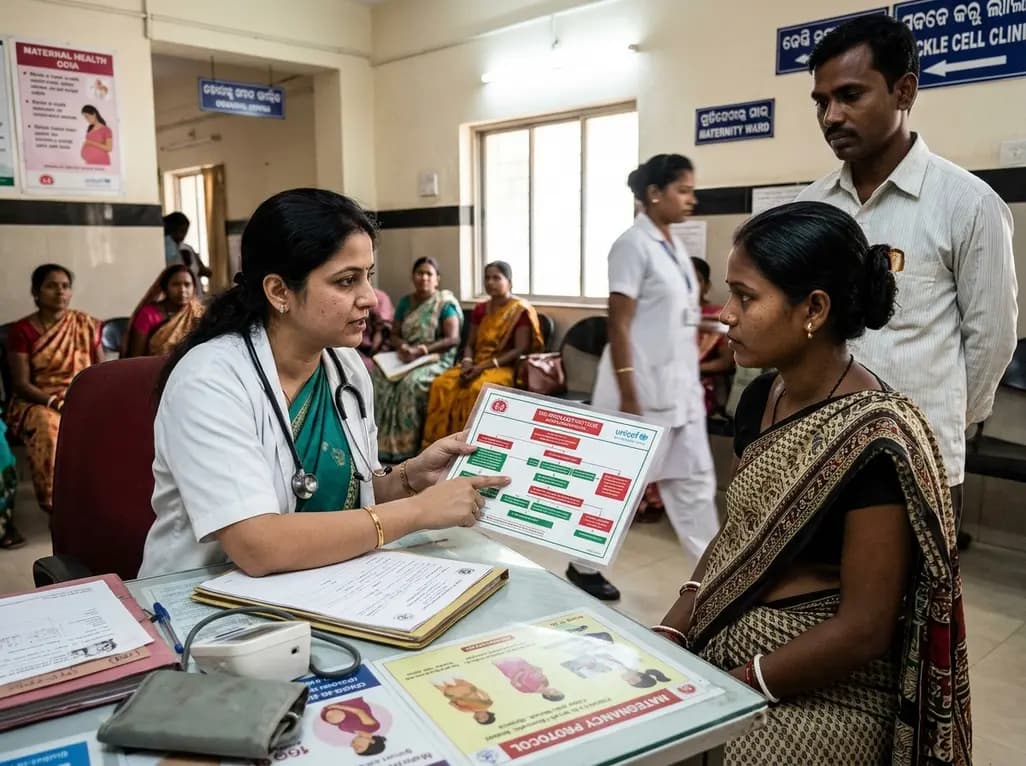
Odisha has established India's first state-level clinical protocol specifically tailored for pregnant women with sickle cell disease. Developed with NHM and UNICEF, the framework provides structured antenatal screening, crisis mitigation, standardized referral pathways, and specialized interdisciplinary care.
Today

India is advancing preventive healthcare by integrating genomics, artificial intelligence, and quantum technologies. With the SANGAM programme sequencing one million Indian genomes, clinicians can unlock personalized therapies, detect cardiometabolic risks early, and curb the burden of diabetes and heart disease.
Today
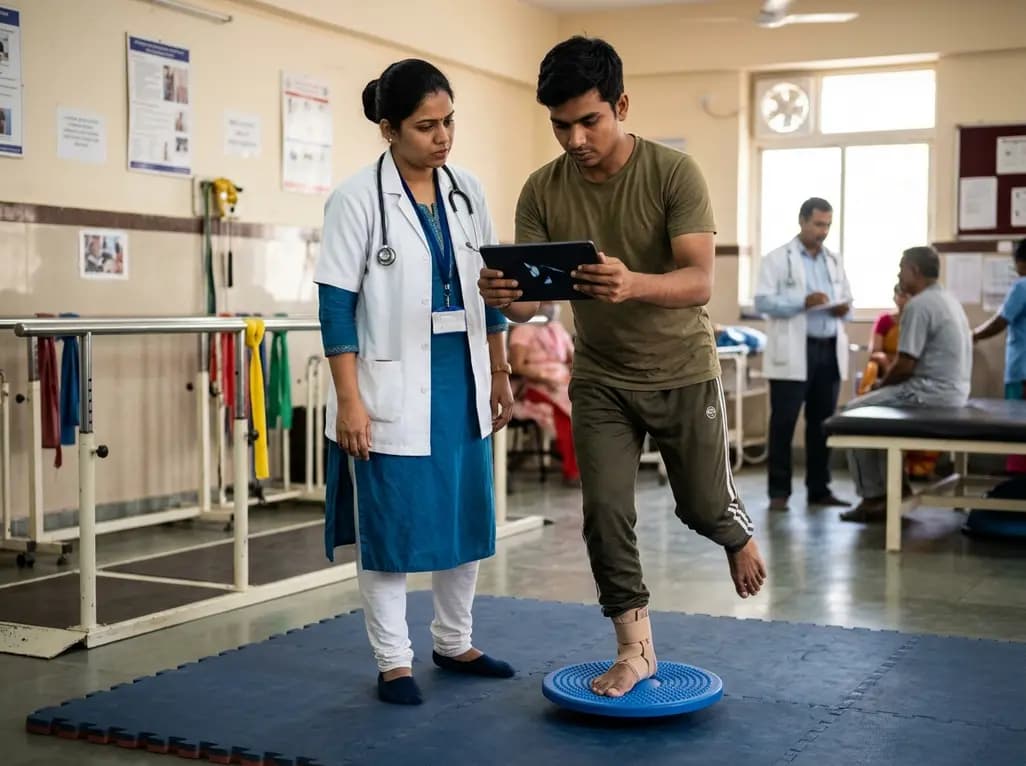
A randomized controlled trial demonstrates that an eight-week dual-task training intervention significantly improves static and dynamic postural control over standard balance exercises in individuals with chronic ankle instability, addressing critical neurocognitive deficits during athletic and daily activities.
Today

A retrospective cohort study of 7,716 ICU patients from the MIMIC-IV database demonstrates that Gradient Boosting Decision Trees significantly outperform traditional SOFA scores in predicting in-hospital mortality among patients with sepsis and diabetes, with SHAP analysis providing clinical interpretability.
Today
