.webp&w=384&q=75)

Loading, please wait...
Loading, please wait...

First, researchers and doctors and clinicians are currently prioritizing PROs in clinical trials because they must evaluate traditional medicine for musculoskeletal health correctly and effectively. Second, since chronic pain affects many people, patient-reported outcomes (PROs) offer vital and direct and useful insights. Third, for instance, a recent registry-based analysis thoroughly analyzed 494 Chinese trials. Specifically, the results showed that 446 trials used PROs as endpoints clearly and consistently. However, although usage is high, some gaps in standardization still remain today. Consequently, experts suggest that clearer reporting is also necessary for better and faster data synthesis now.
Furthermore, we must note that arthropathies were the most frequent condition, representing 43% of trials. Additionally, the Visual Analogue Scale (VAS) was the most common tool used. But, despite its popularity, some studies used ambiguous descriptions instead. Therefore, identifying specific instruments for PROs in clinical trials is essential for valid and reliable comparisons. Moreover, the study noted a significant regional imbalance. Specifically, most sponsors were located in eastern China. Thus, there is a clear and urgent need for broader and better geographic participation.
Clearly, the use of patient-centered data is increasing significantly and rapidly. Because traditional interventions focus on holistic well-being, PROs are also ideal and suitable metrics. Nevertheless, researchers must address existing gaps in standardization and distribution soon. Indeed, if reporting improves, the global medical community can then better integrate these findings. Ultimately, this approach will strengthen the evidence base for traditional care. In fact, consistent outcomes will benefit both practitioners and patients everywhere. Thus, standardization remains the next and most vital step.
Patient-reported outcomes are vital because they capture the subjective experience of pain and physical function. Since traditional therapies often target quality of life, these metrics provide a direct measure of treatment success and patient satisfaction.
The Visual Analogue Scale (VAS) is the most popular tool used today. Specifically, it allows patients to mark their pain intensity on a simple line. Consequently, it offers a quick and effective way for clinicians to track progress and clinical changes.
Disclaimer: This content is for informational and educational purposes only. It does not constitute medical advice or a professional relationship. Always seek the advice of a qualified healthcare provider regarding any medical condition. Refer to the latest local and national guidelines for clinical practice.
References
Chen X et al. Application of Patient-Reported Outcome Measurements in Traditional Chinese Medicine Clinical Trials for Musculoskeletal Disorders in China: A Registry-Based Analysis. Eval Health Prof. 2026 May 07. doi: 10.1177/01632787261444409. PMID: 42098896.
Lin Y, et al. Global, Regional, and National Application of Patient-Reported Outcome in Clinical Trials of Traditional Chinese Medicine: A Registry-Based Analysis. ISPOR. 2023.
World Health Organization. WHO Traditional Medicine Strategy: 2014-2023. Geneva: World Health Organization; 2013.

Read summarized clinical updates, watch expert medical content, and earn CME certifications right from your smartphone.
Open your smartphone camera to scan and install.





Analysis of 494 TCM trials shows that 90.3% use patient-reported outcomes (PROs), but gaps in standardization and regional distribution require attention....
5 months ago

Novel glucose-responsive mPEG-PSA nanocarriers deliver insulin aspart on demand, achieving dual postprandial and basal glycemic control without hypoglycemia in diabetic models. This biomaterial breakthrough offers promising clinical implications for physiologic diabetes management.
Today
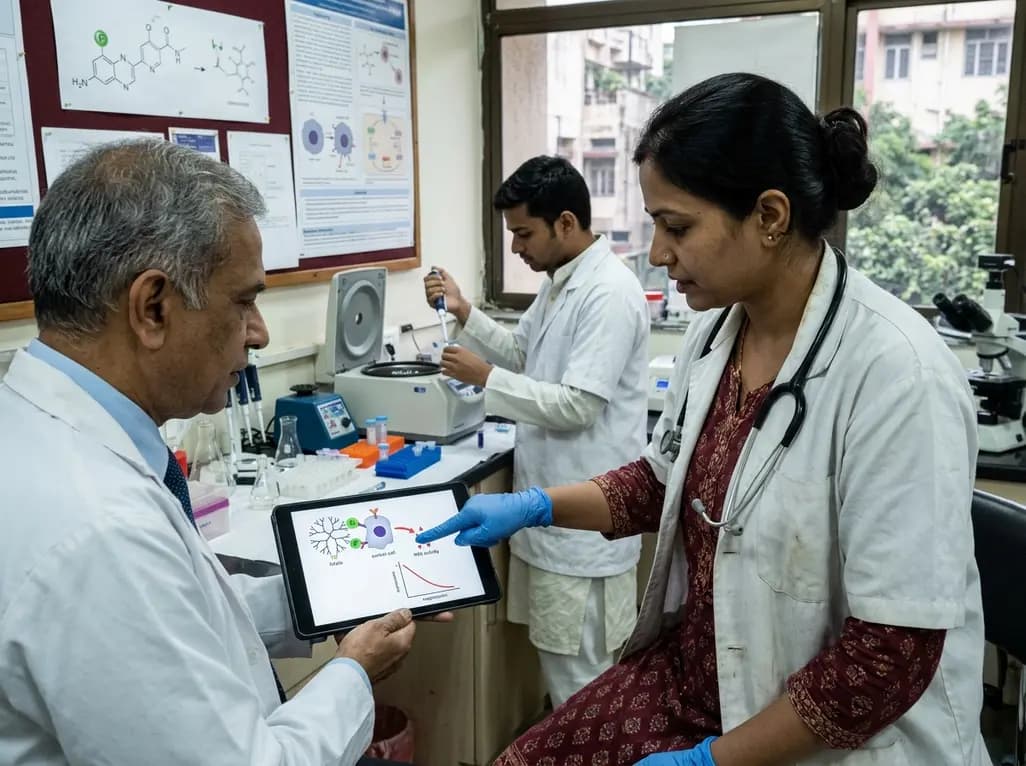
A novel folate-conjugated tecto-dendrimer nanoplatform successfully delivers siRNA to achieve targeted HK2 silencing, disrupting ovarian cancer glycolysis and suppressing lactate output.
Today
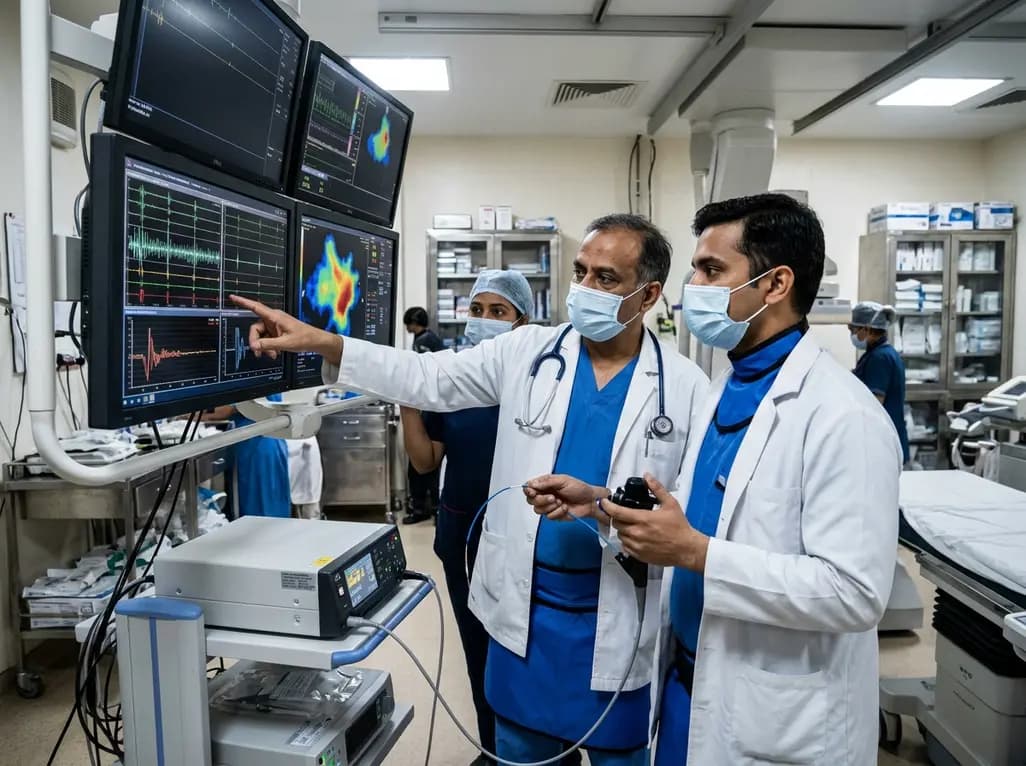
A comparative non-contact study reveals that high-power radiofrequency delivery with the QDOT MICRO catheter induces an artifactual contact force rise. Electrophysiologists must understand this power-dependent thermal and electrical phenomenon to avoid inadvertent catheter withdrawal and ineffective ablation.
Today
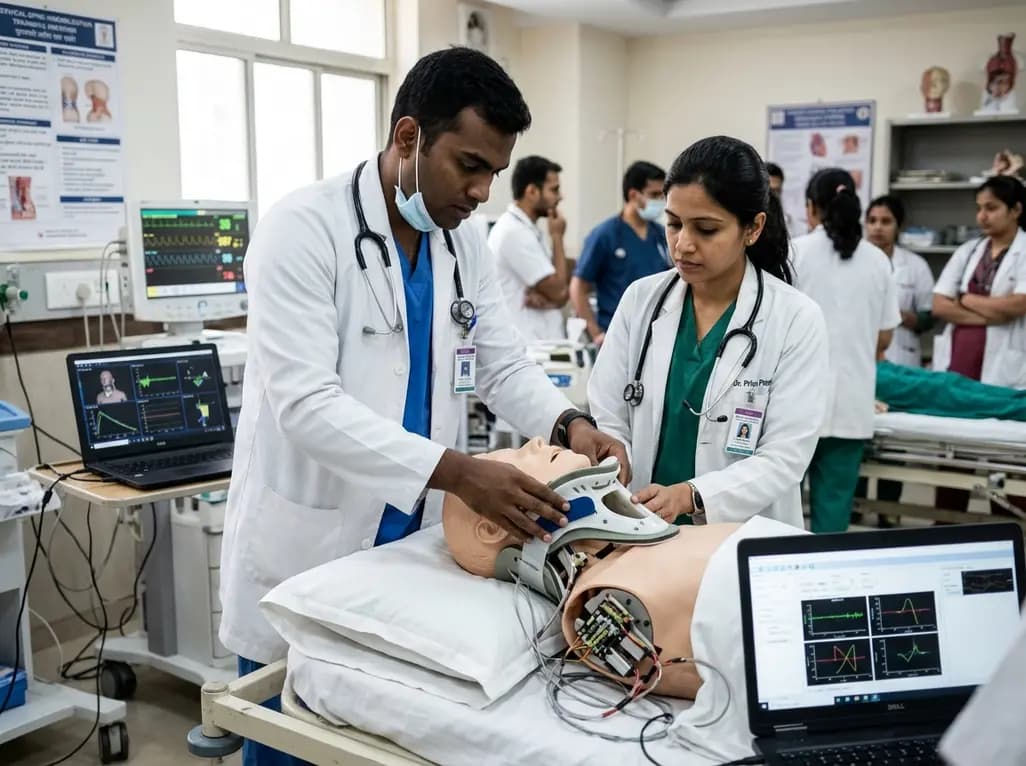
A novel proof-of-concept study presents a six-degree-of-freedom articulated manikin neck equipped with linear potentiometers. The system provides real-time kinematic motion feedback during cervical immobilisation, delivering sub-degree tracking accuracy to improve pre-hospital trauma training and patient safety.
Today
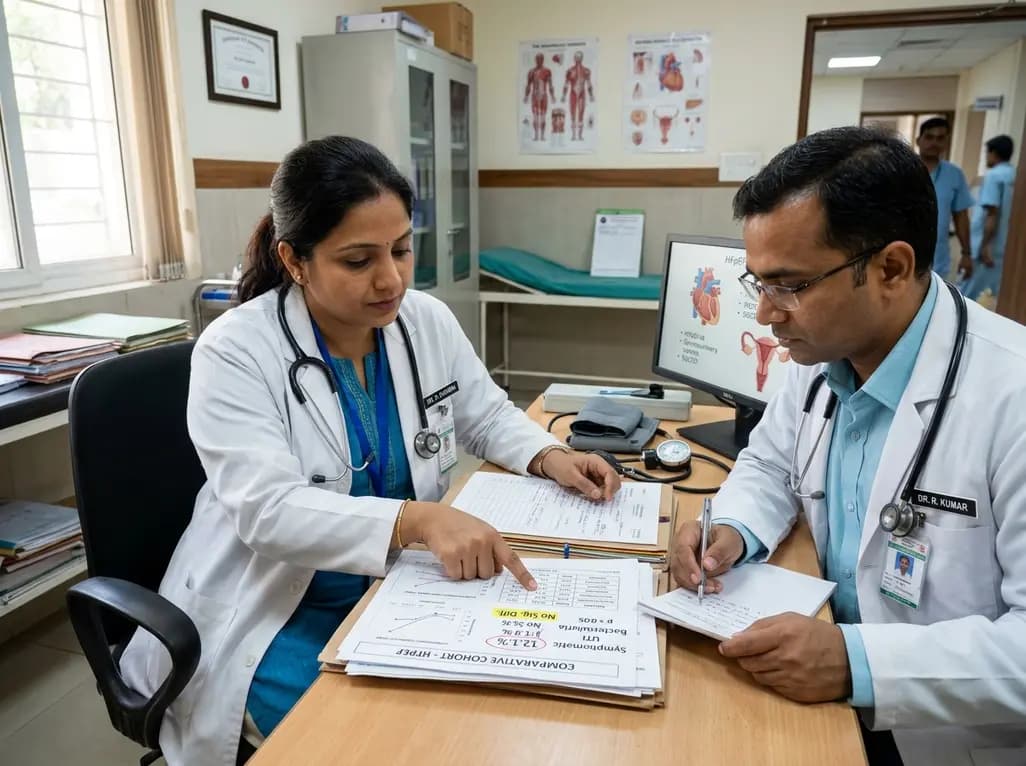
A retrospective comparative cohort study evaluated genitourinary safety in HFpEF between dapagliflozin and empagliflozin over six months. Rates of symptomatic UTI and asymptomatic bacteriuria showed no statistically significant differences, supporting comparable safety profiles across both SGLT2 inhibitors.
Today
