.webp&w=384&q=75)

Loading, please wait...
Loading, please wait...
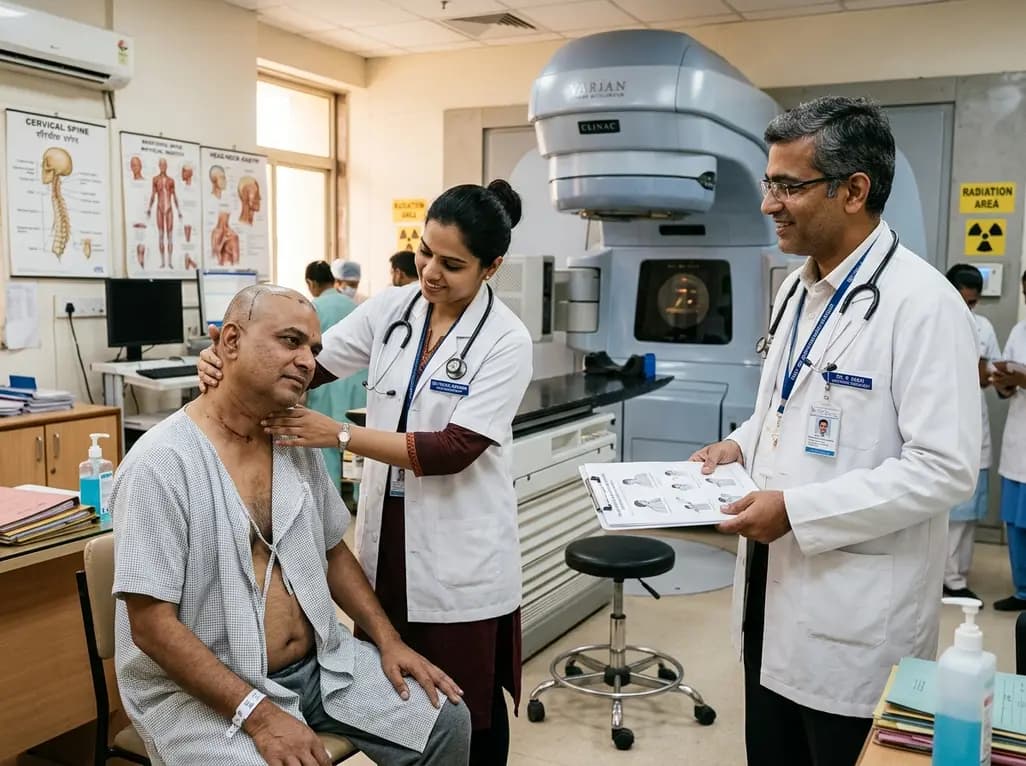
Radiation therapy provides indispensable locoregional control for head and neck cancers. Unfortunately, high-dose ionizing radiation triggers severe microvascular damage and progressive tissue fibrosis. These pathological changes frequently impair deglutition, cervical mobility, and postural alignment. Consequently, patients experience debilitating dysphagia and long-term functional decline. Clinicians increasingly recognize the necessity of proactive rehabilitation rather than late reactive therapy. A recent randomized controlled trial highlights the clinical value of home-based exercises during radiotherapy. By initiating targeted physical protocols concomitantly with radiation delivery, clinicians can effectively preserve critical functional capabilities.
Ionizing radiation inflicts substantial collateral damage on healthy cervical structures. Specifically, radiation fields induce acute mucositis, vascular endarteritis, and dense extracellular collagen deposition. Over successive treatment weeks, progressive muscular fibrosis stiffens the pharyngeal constrictors, suprahyoid complex, and cervical stabilizers. Consequently, patients develop severe swallowing difficulties, elevated aspiration risks, and persistent neck tightness. Furthermore, soft tissue contractures gradually pull the cervical spine into pathological postural deviations. Forward head posture and protracted scapulae commonly develop as protective antalgic responses to anterior neck pain. Unfortunately, these structural shifts impair laryngeal elevation and pharyngeal clearance during deglutition. In addition, treatment-related fatigue diminishes overall physical activity, worsening muscular atrophy and generalized debility. Historically, clinicians introduced physical therapy only after patients developed chronic fibrotic contractures. However, mature fibrotic tissue responds poorly to delayed interventions. Therefore, multidisciplinary oncology teams increasingly champion early preventive rehabilitation. Introducing prophylactic movement strategies during radiation actively preserves microvascular perfusion and muscular compliance before irreversible cross-linking occurs. Consequently, early therapeutic movement protects long-term survivorship function and overall patient independence. Thus, routine functional preservation must become an integral component of comprehensive head and neck cancer care.
To determine whether prophylactic interventions preserve function, investigators conducted a randomized controlled trial in an academic outpatient center. Researchers enrolled twenty-four adult patients receiving curative radiotherapy for head and neck cancer. Subsequently, the investigators randomized participants equally into an exercise cohort or a standard care control cohort. The intervention group received a structured, home-based regimen featuring swallowing maneuvers, cervical stretching, postural alignment exercises, and progressive resistance training. Physical therapists taught these techniques before radiation started and reinforced performance weekly. Conversely, the control group received standard supportive care without structured physical conditioning. The investigators conducted rigorous assessments at baseline and immediately following radiotherapy completion. To capture diverse functional outcomes, researchers utilized validated assessment tools. Specifically, they administered the Swallowing Quality of Life questionnaire to assess patient-reported deglutition. Furthermore, the team performed photogrammetric posture analysis to quantify sagittal alignment precisely. They also applied digital goniometry to evaluate multiplanar cervical mobility objectively. Finally, clinicians recorded anatomical circumference measurements across multiple neck regions to monitor lymphedema progression. Importantly, this multifaceted evaluative approach allowed researchers to capture both subjective and objective therapeutic outcomes reliably.
Dysphagia represents a devastating complication that severely compromises patient nutrition and emotional health. In this clinical trial, the control cohort suffered marked functional deterioration across multiple swallowing domains following radiotherapy. Radiation mucositis and pharyngeal constrictor fibrosis impaired hyolaryngeal elevation, significantly obstructing bolus transit. Consequently, control patients reported diminished dietary enjoyment, increased eating distress, and progressive social isolation. In sharp contrast, participants performing prophylactic home exercises maintained their baseline Swallowing Quality of Life scores throughout treatment. Practicing tongue resistance exercises, effortful swallows, and supraglottic maneuvers preserved active neuromuscular pathways. Furthermore, consistent muscle recruitment maintained functional pharyngeal contractility despite ongoing radiation exposure. As a result, patients in the exercise arm sustained oral nutrition without requiring severe dietary modifications or feeding tube dependence. Preserving deglutitive performance directly enhanced emotional resilience and physical vitality during treatment. Ultimately, these clinical findings indicate that simple, self-directed swallowing exercises provide robust protection against debilitating treatment-induced dysphagia when patients execute them consistently during radiotherapy. Moreover, maintaining oral feeding capacity prevents treatment interruptions, ensuring patients complete curative radiation schedules on time.
Radiation-induced fibrotic shortening of cervical tissues severely restricts spinal mechanics and shoulder kinematics. In the control group, digital goniometry revealed substantial post-treatment reductions in cervical flexion, extension, lateral flexion, and rotation. Consequently, patients experienced painful neck stiffness that impeded daily activities like driving and shoulder reaching. Furthermore, photogrammetric analysis demonstrated significant worsening of forward head posture and cervical lordotic alignment among control subjects. Conversely, patients participating in the home exercise program preserved full cervical mobility across all anatomical planes. Active stretching routines counteracted progressive muscular shortening and capsular adhesions. Furthermore, targeted strengthening of the deep cervical flexors and scapular retractors corrected antalgic muscle imbalances. As a result, the exercise group maintained normal spinal alignment and scapular stability throughout treatment. Preserving physiological posture prevented secondary myofascial pain syndromes and tension headaches. In addition, retaining cervical range of motion preserved functional independence and upper-body physical capacity. Thus, structured home exercises effectively shield patients from debilitating musculoskeletal complications during intensive radiation therapy. Consequently, proactive movement protocols minimize post-treatment disability, allowing cancer survivors to resume occupational activities much sooner.
Secondary lymphedema frequently develops after neck irradiation and surgical lymphadenectomy, causing distressing facial and cervical edema. Historically, some clinicians feared that active neck movements might aggravate localized inflammation or worsen fluid congestion. Importantly, this clinical trial definitively dispelled these safety concerns. Cervical circumference measurements demonstrated no significant difference in lymphedema development between the exercise and control cohorts. Therefore, prophylactic home training proved entirely safe for routine clinical implementation. In fact, repetitive muscular contractions act as a biological lymphatic pump that facilitates interstitial fluid resorption and venous return. Furthermore, early exercise prevents dense stromal fibrosis, keeping lymphatic channels patent. In high-incidence regions like India, where advanced head and neck cancers predominate, adopting home-based protocols offers exceptional clinical value. Because these regimens require no costly equipment, patients across resource-constrained settings can easily perform them. Consequently, multidisciplinary cancer teams should integrate early exercise education into standard oncology protocols to prevent disability and optimize long-term survivorship nationwide. Ultimately, institutionalizing these simple rehabilitation practices will significantly improve functional outcomes for head and neck cancer patients.
Clinicians advise patients to initiate prophylactic exercise protocols immediately before starting their first radiation fraction. Early pre-treatment baseline instruction allows individuals to master proper swallowing mechanics, postural correction, and cervical stretching while free from acute oral mucositis. Consequently, maintaining these daily exercises throughout radiation therapy proactively mitigates progressive muscular fibrosis, prevents functional decline, and promotes superior long-term survivorship outcomes without disrupting scheduled cancer treatments.
Current clinical trial evidence confirms that structured cervical and swallowing exercises do not increase the risk or severity of secondary lymphedema. In fact, repetitive, gentle muscle contractions serve as an internal mechanical pump that stimulates lymphatic drainage and venous return. Therefore, engaging in regular active range of motion exercises during radiation therapy remains entirely safe, effectively preventing fibrotic lymphatic vessel compression without aggravating localized soft tissue swelling.
Healthcare teams can significantly enhance adherence by providing clear written and pictorial exercise guides alongside structured weekly check-ins during routine clinic visits. Furthermore, involving family caregivers in home-based practice sessions creates vital emotional and logistical reinforcement. Utilizing digital mobile reminders, tracking logs, and supportive symptom-management counseling empowers patients to overcome fatigue, maintain exercise consistency, and achieve meaningful functional preservation throughout their demanding radiotherapy regimen.
Disclaimer: This content is for informational and educational purposes only... Refer to the latest local and national guidelines for clinical practice.
References

Read summarized clinical updates, watch expert medical content, and earn CME certifications right from your smartphone.
Open your smartphone camera to scan and install.





A randomized controlled trial demonstrates that home-based prophylactic exercises during radiotherapy preserve swallowing quality of life, postural alignment, and cervical range of motion in head and neck cancer patients without increasing the risk of secondary lymphedema.
Today
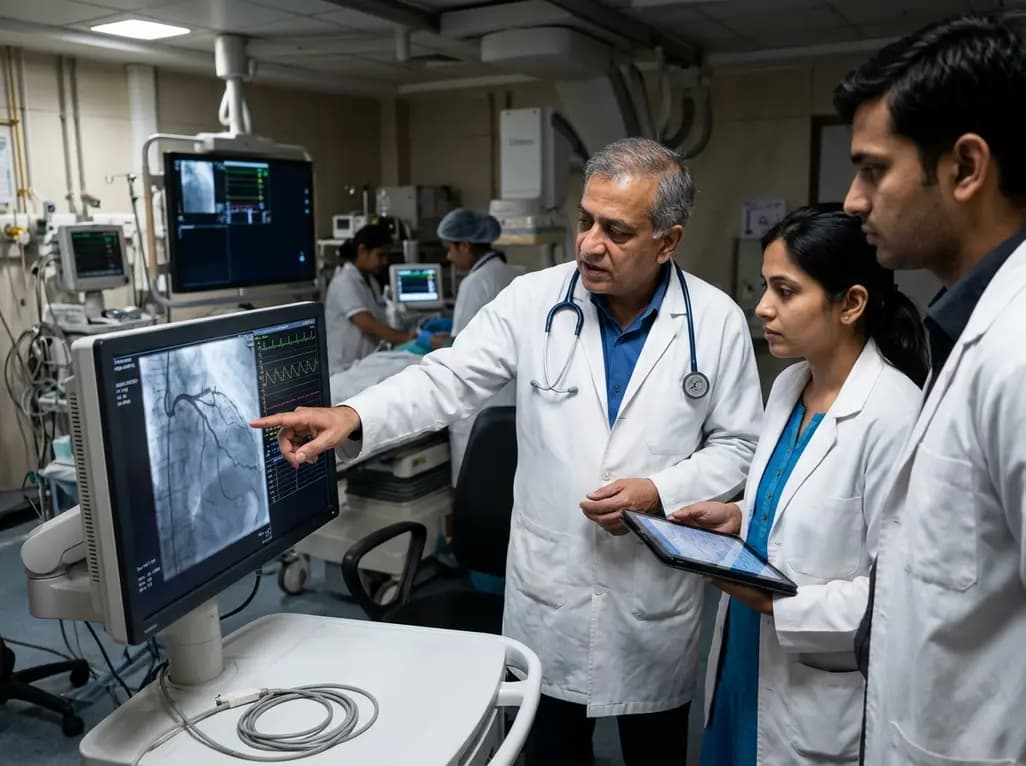
New evidence demonstrates that the atherogenic index of plasma (AIP) is an independent predictor of the slow flow/no-reflow phenomenon in acute myocardial infarction patients undergoing emergency PCI, offering clinicians a valuable tool for early risk stratification and targeted microvascular protection.
Today
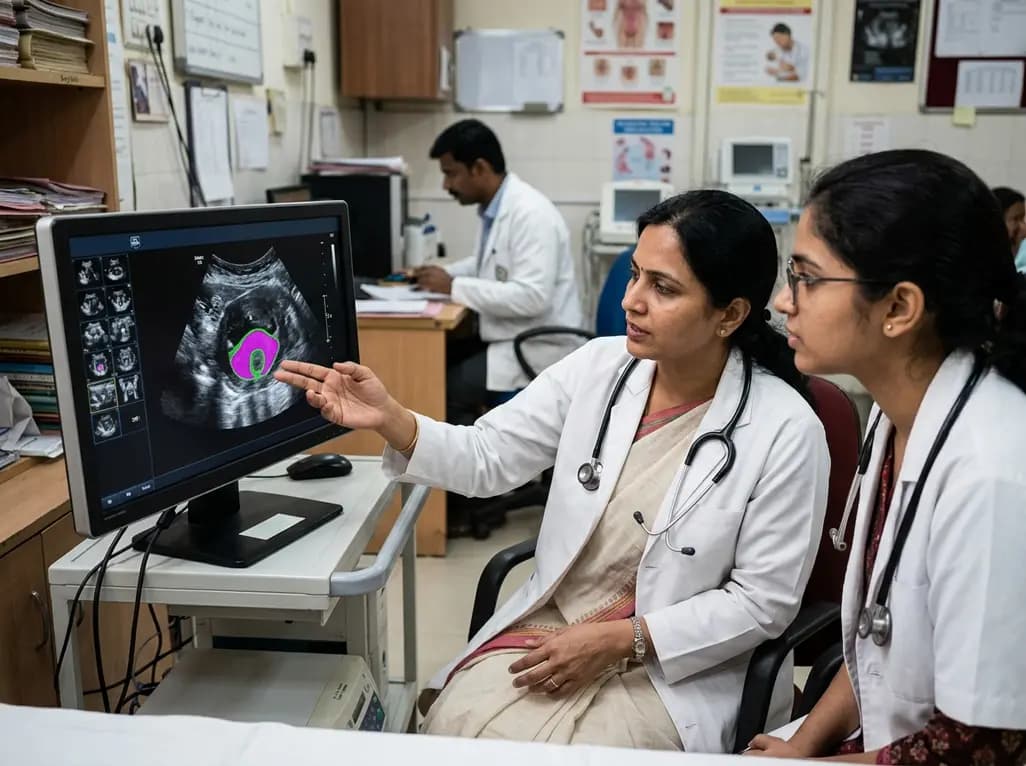
New evidence evaluates MoUNets, a static-weighted ensemble of UNet experts for automated levator hiatus segmentation in pelvic floor ultrasound. Learn how deep learning architectures perform in pelvic organ prolapse diagnostics and clinical practice.
Today
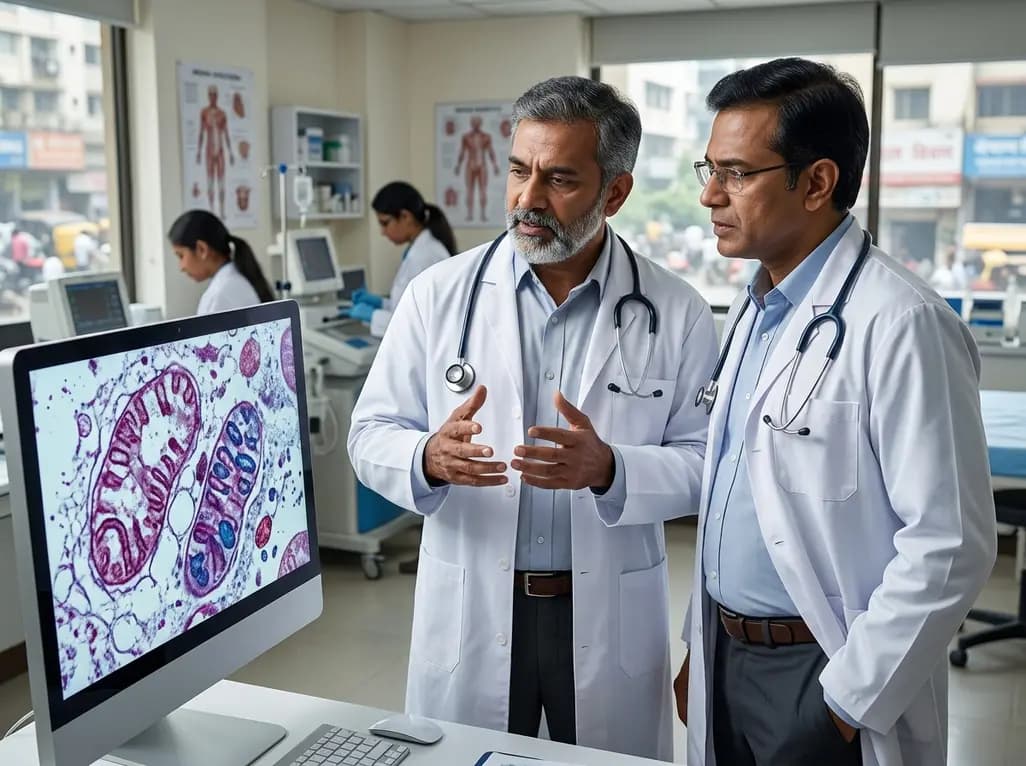
Mitochondrial deubiquitinases regulate organelle turnover by editing ubiquitin tags on damaged mitochondria. Discover how targeting these enzymes, notably USP30, offers therapeutic strategies for neurodegenerative, cardiovascular, and metabolic disorders.
Yesterday
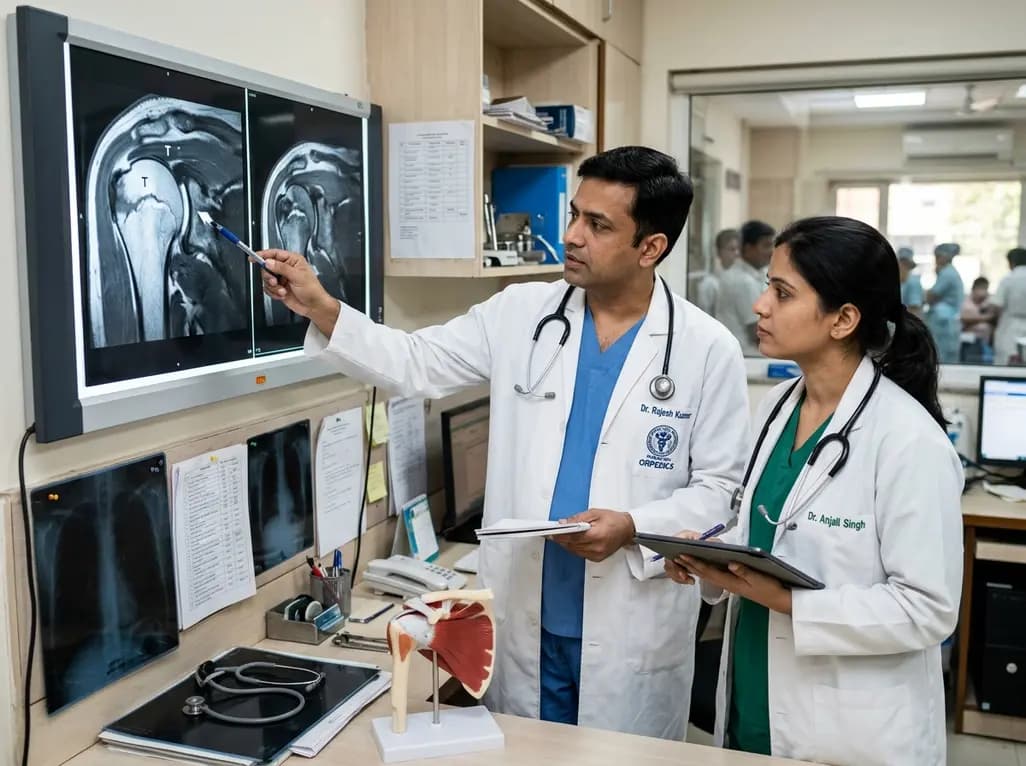
Large and massive rotator cuff tears present complex management dilemmas. While patch augmentation improves structural tendon healing, conventional repair provides comparable clinical outcomes. This review examines repair versus reconstruction strategies to guide evidence-based orthopedic decision-making.
Today
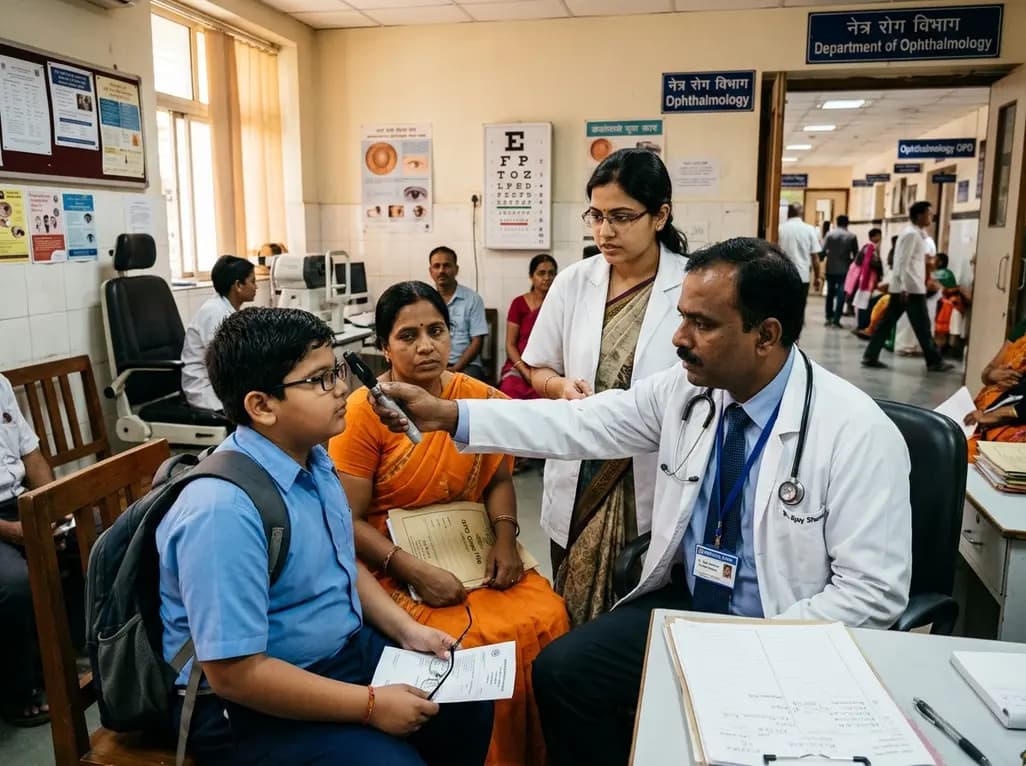
A cross-sectional study reveals that elevated METS-IR is independently associated with higher myopia odds in adolescents, showing biological synergy with obesity and highlighting the need for metabolic screening in pediatric eye care.
Today
