.webp&w=384&q=75)

Loading, please wait...
Loading, please wait...
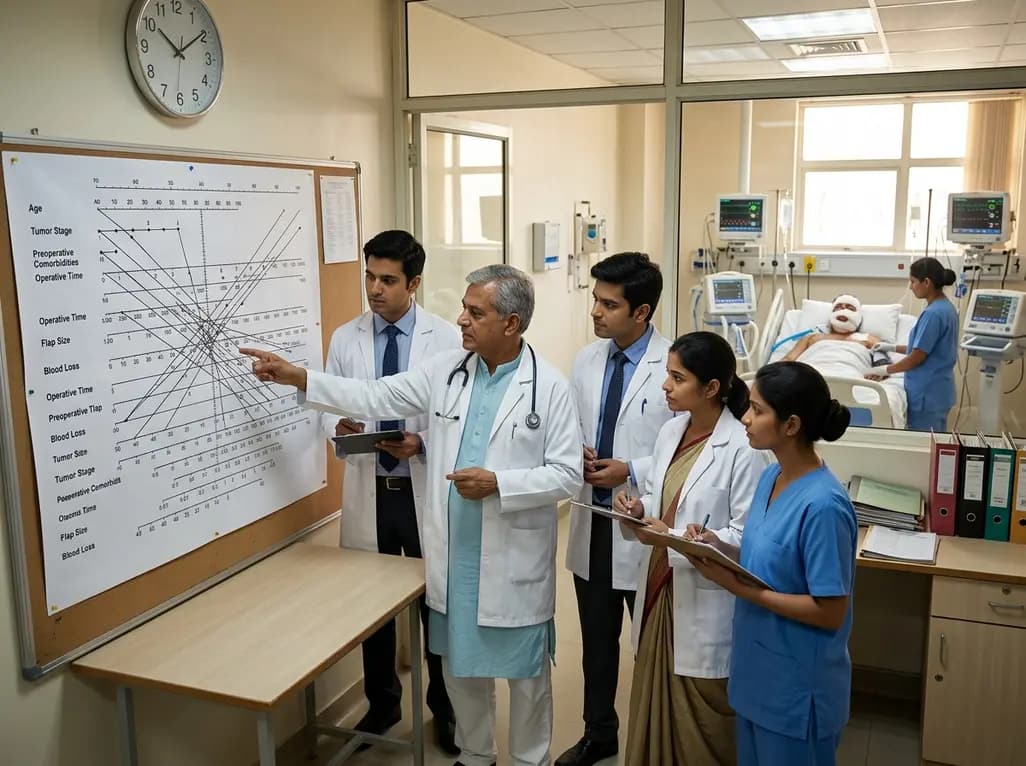
Effective management of critical care resources is vital in surgical oncology. Recently, researchers developed a clinical tool for prolonged ICU stay prediction in patients undergoing oral free flap reconstruction without a tracheostomy. This study addresses the urgent need for better ICU resource allocation through objective data points.
First, the researchers performed a retrospective analysis of 419 patients to identify specific clinical markers. Consequently, they utilized LASSO regression to select seven primary predictive factors. Specifically, these factors include the primary tumor location, the source of the flap, and smoking history. Furthermore, the model incorporates intraoperative blood loss, postoperative blood glucose, procalcitonin (PCT), and the International Normalized Ratio (INR).
Notably, the model demonstrated strong performance during internal validation. Because the area under the curve (AUC) reached 0.769 in the validation set, it indicates high predictive accuracy. Moreover, the decision curve analysis suggested that clinicians could gain a significant net benefit by using this nomogram at the bedside. Therefore, this tool supports clinicians in making informed decisions about postoperative placement.
Specifically, this predictive model helps surgeons identify high-risk patients who might require extended monitoring. Consequently, hospitals can optimize their ICU bed occupancy and improve individualized recovery protocols. Because the tool integrates routine perioperative indicators, it provides a quantitative basis for better clinical decision-making. Additionally, this approach facilitates more efficient ICU resource management and tailored postoperative care.
The model identifies seven key factors: the primary tumor location, flap source, smoking history, intraoperative blood loss, postoperative blood glucose, procalcitonin levels, and the International Normalized Ratio (INR).
The nomogram achieved an AUC of 0.769 in the validation set, demonstrating good discrimination and calibration for identifying patients at high risk of a prolonged ICU stay.
Disclaimer: This content is for informational and educational purposes only and does not constitute medical advice or a professional relationship. Always seek the advice of a physician or other qualified health provider with any questions regarding a medical condition. Refer to the latest local and national guidelines for clinical practice.
References
Zhang L et al. Development and internal validation of a nomogram for predicting prolonged ICU length of stay after oral free flap reconstruction without prophylactic tracheostomy. BMC Oral Health. 2026 Jun 04. doi: 10.1186/s12903-026-08687-8. PMID: 42243829.
Al-Kharazi G et al. Perioperative risk factors impact on intensive care unit length of stay (ICU length of stay) in oral squamous cell carcinoma. BMC Oral Health. 2023 Sep 04;23(1):634. doi: 10.1186/s12903-023-03304-4.
Mosqueira CA et al. Risk factors for prolonged postoperative mechanical ventilation following head and neck microvascular free flap reconstruction and its association with patient outcomes. Int J Oral Maxillofac Surg. 2025 Apr 08. doi: 10.1016/j.ijom.2025.03.005.

Read summarized clinical updates, watch expert medical content, and earn CME certifications right from your smartphone.
Open your smartphone camera to scan and install.





Researchers developed a nomogram using seven perioperative factors to accurately predict prolonged ICU stays after oral free flap reconstruction....
4 months ago
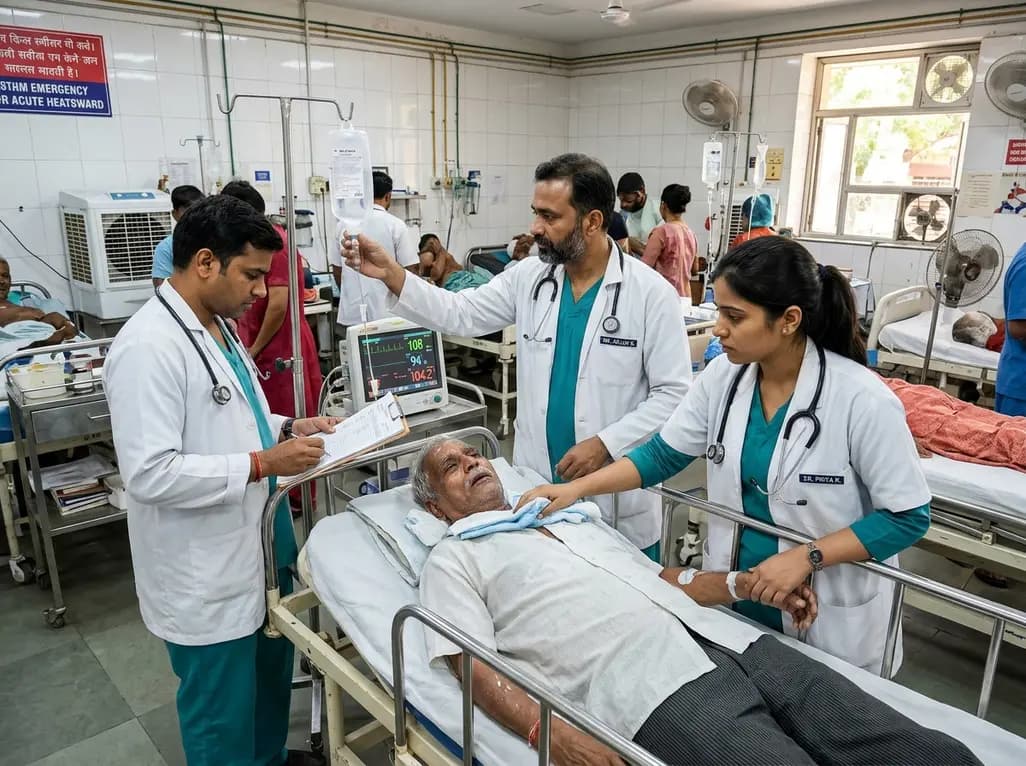
Recent epidemiological data reveals a dramatic surge in summer heat mortality driven by human-induced climate warming. This analysis explores the pathophysiological impacts on cardiac and renal systems, diagnostic dilemmas in death certification, and essential emergency cooling protocols for acute clinical care.
Today

Odisha has established India's first state-level clinical protocol specifically tailored for pregnant women with sickle cell disease. Developed with NHM and UNICEF, the framework provides structured antenatal screening, crisis mitigation, standardized referral pathways, and specialized interdisciplinary care.
Today

India is advancing preventive healthcare by integrating genomics, artificial intelligence, and quantum technologies. With the SANGAM programme sequencing one million Indian genomes, clinicians can unlock personalized therapies, detect cardiometabolic risks early, and curb the burden of diabetes and heart disease.
Today
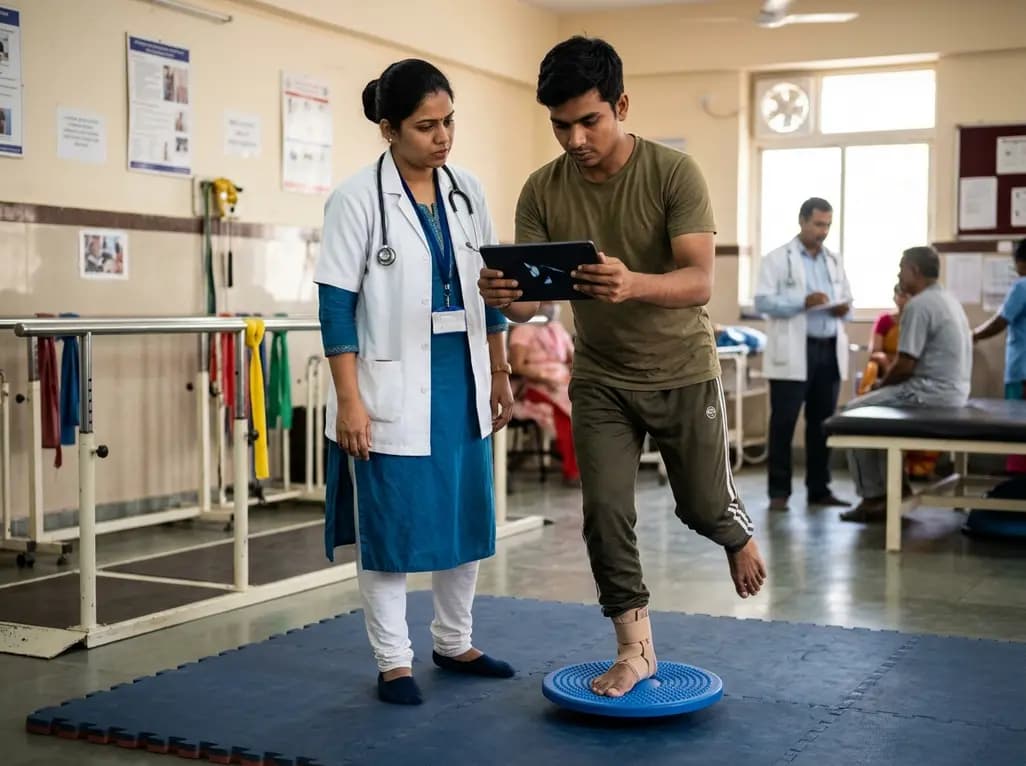
A randomized controlled trial demonstrates that an eight-week dual-task training intervention significantly improves static and dynamic postural control over standard balance exercises in individuals with chronic ankle instability, addressing critical neurocognitive deficits during athletic and daily activities.
Today

A retrospective cohort study of 7,716 ICU patients from the MIMIC-IV database demonstrates that Gradient Boosting Decision Trees significantly outperform traditional SOFA scores in predicting in-hospital mortality among patients with sepsis and diabetes, with SHAP analysis providing clinical interpretability.
Today
