.webp&w=384&q=75)

Loading, please wait...
Loading, please wait...

A recent population-based study in Colombia identifies critical suicide care professional factors that determine patient recovery. Researchers evaluated how institutional and personal characteristics of healthcare workers influence the experiences of individuals seeking help after a suicide attempt. The results indicate that the well-being and attitudes of clinical staff are directly linked to the therapeutic outcomes of their patients.
The study found a strong correlation between clinician burnout and the use of coercive measures. Specifically, patients reported higher levels of coercion when treated by professionals suffering from emotional exhaustion or depersonalization. Furthermore, these negative interactions often led to increased depressive symptoms and a lower sense of community belonging for the patient. Consequently, institutional workload overload significantly hampers the quality of mental health services provided to vulnerable populations.
To improve patient well-being, healthcare systems must prioritize cultural competence and reduce stigma. The research shows that higher cultural competence among staff is associated with better subjective well-being in patients. In contrast, professionals who hold high levels of stigma toward mental disorders are more likely to inadvertently provide sub-optimal care. Moreover, addressing these professional factors can reduce out-of-pocket expenses for patients by streamlining effective care pathways. Therefore, strengthening cultural competence training remains a vital necessity for modern medical education.
Finally, these findings suggest that the clinical environment must support its staff to ensure patient safety. Reducing administrative burdens and providing mental health support for clinicians can lower the risk of burnout. When healthcare workers feel personally fulfilled and supported, they are better equipped to deliver empathetic and non-coercive care. Ultimately, a holistic approach that considers both patient and professional needs is essential for successful suicide prevention and recovery.
Clinician burnout, characterized by emotional exhaustion, can lead to the use of coercive or less empathetic practices. This often results in higher depressive symptoms and reduced well-being for the patient during the recovery phase.
Cultural competence allows healthcare providers to understand a patient's unique background and beliefs. This understanding reduces stigma and improves the therapeutic relationship, which is a key component of effective recovery.
Yes. High workloads contribute to professional exhaustion, which is linked to a greater perception of coercion by patients. Addressing institutional overload is critical for improving both staff well-being and patient care quality.
Disclaimer: This content is for informational and educational purposes only. It does not constitute medical advice or establish a doctor-patient relationship. Always seek the advice of a qualified healthcare provider regarding medical conditions. Refer to the latest local and national guidelines for clinical practice.
References
Agudelo-Hernández F et al. Health care personnel factors affecting recovery after a suicide attempt: Population study of professionals and users in Colombia. Psychol Psychother. 2026 Mar 19. doi: 10.1111/papt.70053. PMID: 41856909.
Srivastava K et al. Stigma and mental health: A review in the Indian context. Ind Psychiatry J. 2021;30(Suppl 1):S1-S3. doi:10.4103/ipj.ipj_141_21.
Dyrbye LN et al. Burnout among health care professionals: A call to action. National Academy of Medicine Perspectives. 2017. doi:10.31478/201707b.

Read summarized clinical updates, watch expert medical content, and earn CME certifications right from your smartphone.
Open your smartphone camera to scan and install.





A new study evaluates how healthcare personnel factors like burnout and stigma impact the recovery of patients following a suicide attempt....
7 months ago

Review how tailored exercise programs benefit frail older patients with heart failure. Explore pathophysiological mechanisms, individualized training prescriptions, and strategies to overcome adherence barriers in clinical practice.
Today
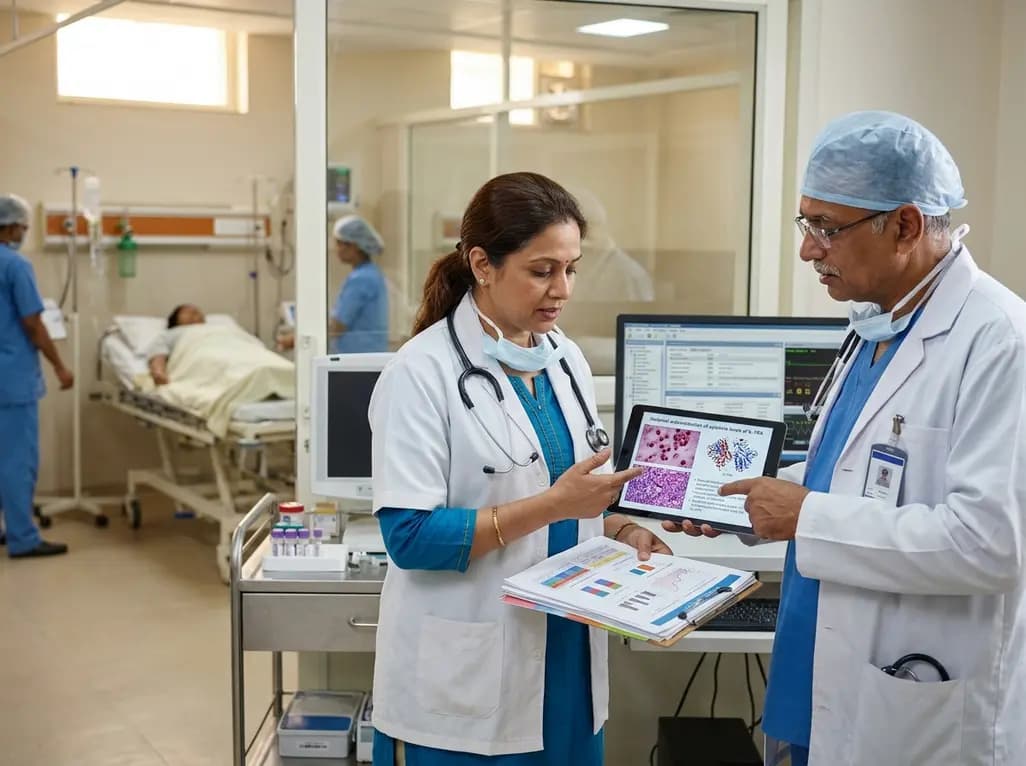
Recent clinical studies reveal maternal autoantibodies targeting IL-1RA as potential triggers for preterm labor, opening avenues for targeted cytokine therapies. Concurrently, new perioperative findings show inhaled cannabis increases propofol requirements during upper endoscopy compared to oral edible consumption.
Today

In high-risk pulmonary embolism complicated by severe anemia and active uterine bleeding, systemic thrombolysis is contraindicated. Large-bore aspiration thrombectomy provides rapid hemodynamic rescue without fibrinolysis, supported by inferior vena cava filter placement and multidisciplinary critical care.
Today

This comparative study evaluates posterior labral tears with and without glenohumeral instability, highlighting distinct demographic patterns, MRI underestimation in stable shoulders, and successful arthroscopic repair outcomes.
Today

A clinical study demonstrates that early intervention with tocilizumab, either as monotherapy or bridged with corticosteroids, achieves significant proptosis reduction and resolves active inflammation in treatment-naive thyroid eye disease.
Today
