.webp&w=384&q=75)

Loading, please wait...
Loading, please wait...

Substance use disorders persist as major clinical challenges across correctional environments worldwide. Incarceration rarely halts substance dependence on its own. Instead, punitive carceral policies force individuals to continue illicit consumption under perilous and unhygienic conditions. A seminal qualitative investigation from Iceland illustrates how carceral surveillance drives injecting drug use underground. Consequently, clinicians must recognize that prison harm reduction represents an indispensable medical intervention rather than a disciplinary compromise. Patients often experience severe withdrawal symptoms upon detention, which compels them to seek illicit drugs inside correctional wards. Therefore, strictly punitive measures fail to eliminate drug availability. Instead, punitive rules aggravate physiological and psychological trauma. Furthermore, closed carceral environments compress social proximity, so inmates inevitably find surreptitious avenues to obtain substances. When correctional systems prioritize surveillance over evidence-based healthcare, they inadvertently escalate morbidity. Healthcare providers working within prison networks must advocate for compassionate, health-oriented programs. These comprehensive strategies include needle exchange access, opioid substitution therapy, and overdose education. Ultimately, treating addiction as a chronic medical disease preserves fundamental human dignity and supports long-term rehabilitation.
When correctional systems enforce rigid prohibition without medical mitigation, inmates inevitably inject drugs in secrecy. Because sterile injecting paraphernalia remains scarce behind bars, incarcerated individuals resort to sharing contaminated needles. Moreover, participants in carceral studies describe re-using blunted syringes for months. This desperate practice causes extensive venous sclerosis, painful soft-tissue infections, and severe systemic abscesses. In addition, the frantic pace of hidden drug consumption amplifies the likelihood of accidental overdose. Inmates hurriedly administer unknown chemical compounds in locked washrooms to avoid detection by patrolling guards. Consequently, they cannot verify dosages or access prompt emergency resuscitation. Furthermore, the absence of clean equipment promotes the rapid transmission of blood-borne viruses, notably hepatitis C and HIV. These preventable infectious outbreaks quickly breach custodial perimeters and threaten wider public health communities. Therefore, medical professionals must view needle provision not as institutional tolerance, but as a critical clinical barrier against life-threatening sepsis and viral epidemics. Implementing evidence-based medical harm strategies actively curbs these devastating physical complications and saves lives.
Intense carceral surveillance generates profound psychological distress among incarcerated individuals struggling with chemical dependence. Qualitative narratives reveal that pervasive scrutiny fosters profound shame, isolation, and defensive concealment. In tight-knit institutional environments, anonymity evaporates quickly. Therefore, incarcerated individuals constantly fear exposure, disciplinary segregation, or prolonged sentences if authorities discover their substance dependency. This constant anxiety damages therapeutic rapport between inmates and custodial medical personnel. Because prison healthcare often appears entangled with disciplinary authorities, patients rarely disclose active substance use or injection complications. Consequently, individuals delay seeking timely treatment for necrotizing skin infections, endocarditis, or severe withdrawal symptoms until their conditions turn catastrophic. Furthermore, internalised guilt and external stigmatization erode personal dignity and self-worth. When correctional staff treat addiction solely as a behavioral infraction, they inadvertently reinforce cycle-of-shame dynamics. Thus, clinical environments must prioritize radical confidentiality and non-judgmental communication. By establishing protected medical spaces free from custodial retribution, clinicians can successfully encourage patients to seek healthcare earlier during their incarceration.
Effective management of substance use disorders in closed settings demands absolute structural autonomy for healthcare teams. When prison doctors appear subservient to correctional security officers, patient trust disintegrates rapidly. Inmates suspect that medical disclosures will trigger administrative punishment, lost privileges, or solitary confinement. Therefore, international healthcare guidelines emphasize the complete separation of clinical decision-making from carceral disciplinary functions. Medical personnel must never participate in punitive drug testing, disciplinary isolation, or administrative sanctions. Instead, prison physicians must operate under standard clinical ethics, prioritizing patient welfare and rigorous medical confidentiality. Moreover, medical staff should independently oversee opioid substitution therapy, naloxone dispensing, and psychiatric counselling. Such operational autonomy reassures patients that clinical consultations remain secure and therapeutic. Furthermore, independent medical leadership fosters an institutional culture that treats addiction as a chronic neurobiological illness rather than moral delinquency. When healthcare providers advocate fiercely for patient rights, they break down persistent barriers to medical engagement. Consequently, independent health units significantly improve treatment retention, reduce overdose fatalities, and maintain high standards of clinical care.
The qualitative insights from international prison studies provide vital clinical lessons for healthcare practitioners throughout India. Indian prisons confront substantial overcrowding, with occupancy rates frequently exceeding institutional capacity across state facilities. In this congested milieu, substance use disorders and blood-borne viral infections present formidable clinical hurdles. Under the Narcotic Drugs and Psychotropic Substances framework, thousands of dependent individuals undergo incarceration each year. Fortunately, landmark pilot programs initiated by the National AIDS Control Organisation and UNODC at Tihar Prison demonstrated the profound feasibility of prison-based opioid substitution therapy. By administering supervised buprenorphine maintenance, clinicians markedly decreased illicit drug cravings, curtailed high-risk injecting practices, and stabilized vulnerable inmates. However, significant clinical gaps persist across regional district jails where medical resources remain constrained. Indian medical practitioners must actively champion the expansion of opioid agonist treatments, voluntary infectious screening, and comprehensive hepatitis C antiviral regimens within prisons. Furthermore, doctors should coordinate continuity of care during community reintegration to prevent post-release fatal overdoses. Through structured medical leadership, Indian healthcare providers can transform custodial settings into proactive hubs for holistic addiction recovery.
Incarceration concentrates vulnerable populations at heightened risk for blood-borne viral infections, including HIV and hepatitis C. Because custodial environments severely restrict access to sterile injection supplies, inmates frequently share contaminated equipment. Consequently, prison harm reduction initiatives, such as needle provision and opioid agonist treatment, prevent pathogen transmission within carceral facilities. Furthermore, curbing intramural viral transmission directly protects outside communities when individuals complete their prison sentences and return to civil society.
Indian correctional centers implement opioid substitution therapy primarily through collaborative frameworks involving the National AIDS Control Organisation and medical institutions. In facilities such as Tihar Prison, healthcare teams administer daily supervised buprenorphine doses to manage withdrawal and decrease drug cravings. Moreover, medical staff conduct routine health evaluations and psychiatric counselling. These clinical programs significantly decrease illicit drug use inside prison walls while helping individuals maintain stability and prepare for successful community reintegration.
Clinical independence ensures that incarcerated patients trust medical practitioners with sensitive healthcare information. When doctors remain separate from carceral disciplinary hierarchies, inmates feel comfortable disclosing illicit drug use and requesting addiction support. Conversely, if medical teams share diagnostic data with prison guards, patients actively conceal hazardous injection practices out of fear of administrative punishment. Therefore, operational separation upholds medical confidentiality, preserves clinical ethics, and guarantees that vulnerable individuals receive essential evidence-based medical care.
Disclaimer: This content is for informational and educational purposes only... Refer to the latest local and national guidelines for clinical practice.
References

Read summarized clinical updates, watch expert medical content, and earn CME certifications right from your smartphone.
Open your smartphone camera to scan and install.





A qualitative study highlights how carceral surveillance pushes prison drug use into secrecy, exacerbating infections and psychological distress. Evidence demonstrates that prison harm reduction, confidential care, and opioid substitution therapy preserve inmate dignity and protect public health.
Today
A nationwide Korean cohort study of 265,610 individuals reveals that the link between benzodiazepine use and dementia attenuates after adjusting for comorbidity, with no accelerated progression to severe dementia.
Today

Integrating adult genetic services into reproductive and pregnancy care substantially alters clinical management. A study reveals that diagnostic genetic evaluations directly inform maternal, fetal, and neonatal care in nearly 57% of tested patients, highlighting the value of preconception and antenatal genomics.
Today
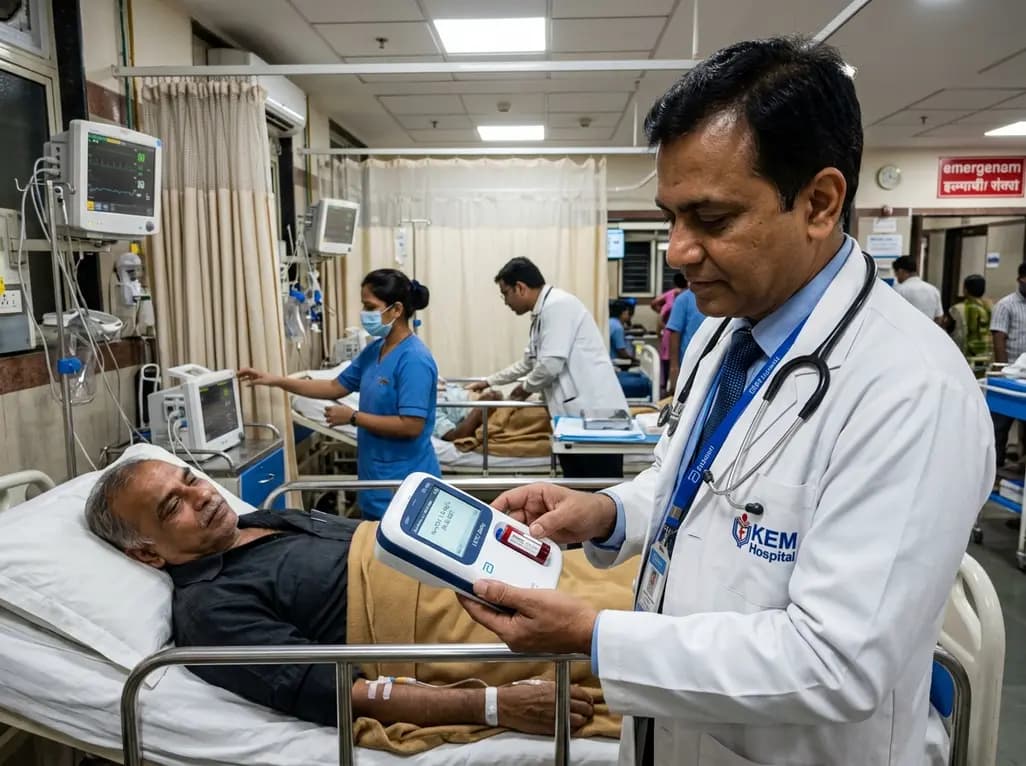
A real-world emergency department evaluation demonstrates that the Abbott i-STAT Alinity point-of-care high-sensitivity troponin I assay achieves excellent analytical precision and safely rules out myocardial infarction without false negatives, offering rapid bedside results to decongest acute care pathways.
Today
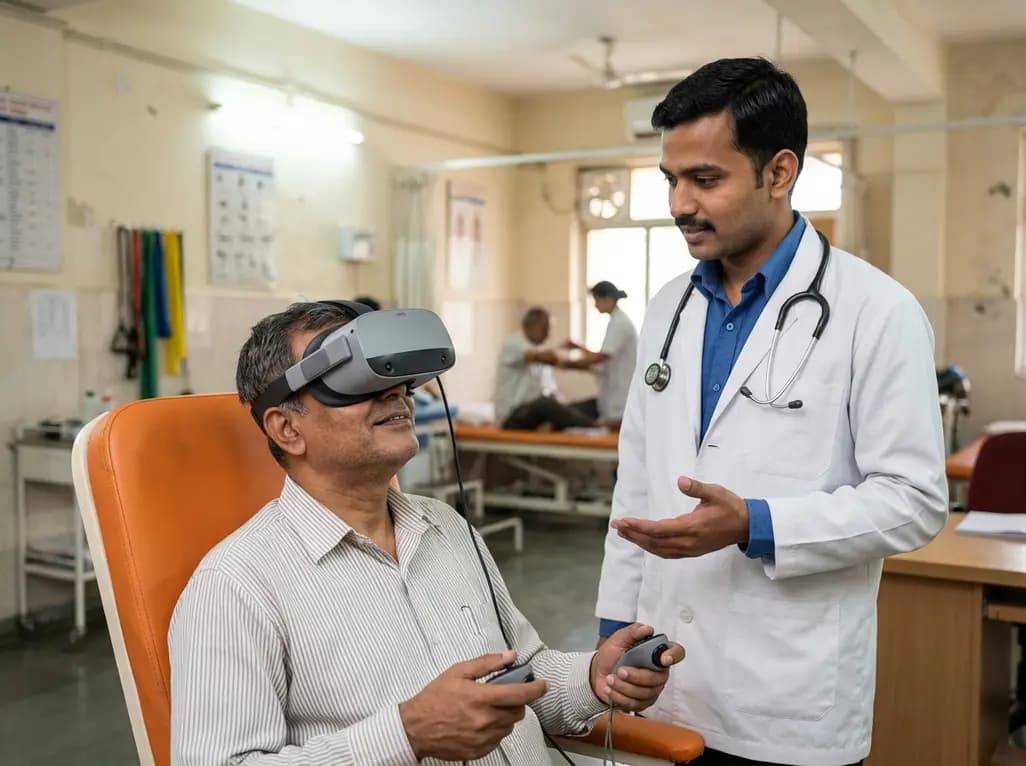
A recent scoping review highlights the efficacy, usability, and patient satisfaction of virtual reality pain management for chronic musculoskeletal pain, emphasizing psychotherapy-based VR protocols.
Today
A landmark cross-sectional study in Asian adults with type 2 diabetes identifies novel urinary metabolites linked to mild cognitive impairment. Elevated urinary sucrose and altered metabolites highlight non-invasive pathways for early cognitive risk stratification and targeted metabolic management.
Today
