

Loading, please wait...
Loading, please wait...
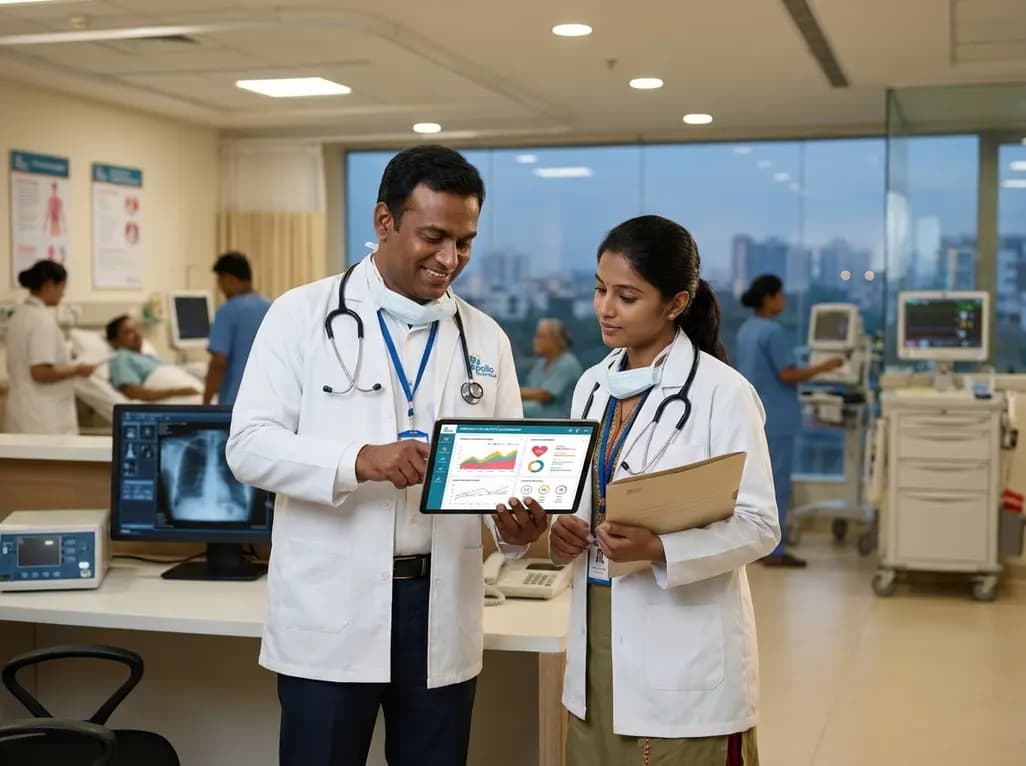
Modern medicine stands at a crucial turning point where traditional episodic treatment must yield to continuous, proactive wellness strategies. In India, prioritizing preventive healthcare has emerged as a paramount national objective to curb the surge of premature chronic illnesses. Union Minister Jitendra Singh underscored this strategic imperative while addressing healthcare leaders at the 'Doc You Rock 2026' conclave in Jammu.
He emphasized that future healthcare systems must synthesize technological innovation with deep clinical expertise. Consequently, clinicians must navigate an evolving landscape where early risk detection, lifestyle modification, and clinical judgment work synchronously. This balanced approach protects younger demographics and optimizes patient outcomes across diverse community demographics.
Historically, healthcare frameworks focused heavily on treating acute infectious diseases and managing end-stage organ damage. However, rapid urbanization, sedentary work routines, and poor dietary patterns have sparked an alarming rise in non-communicable diseases among young Indians. Conditions such as essential hypertension, type 2 diabetes mellitus, metabolic syndrome, and atherosclerotic cardiovascular disease increasingly affect individuals in their twenties and thirties. Consequently, the traditional model of waiting for symptomatic disease before initiating medical intervention is no longer sustainable.
Furthermore, premature chronic morbidity imposes substantial physical disability, psychological distress, and socioeconomic burden upon working populations. Indian clinical evidence demonstrates that South Asian phenotypes frequently harbor elevated visceral adiposity and pronounced insulin resistance despite displaying normal body mass indices. Therefore, physicians must proactively screen vulnerable cohorts long before overt metabolic dysfunction develops. Routine screening panels, early glycemic evaluations, and continuous lipid monitoring enable practitioners to detect subclinical anomalies swiftly. By prioritizing structured health education and timely lifestyle modifications, medical teams can alter disease trajectories decisively. Ultimately, transitioning from reactive management toward proactive clinical surveillance represents the cornerstone of modern Indian internal medicine.
The digital era has introduced transformative diagnostic tools into everyday clinical environments. Artificial intelligence algorithms, wearable biosensors, continuous glucose monitors, and point-of-care genomic profiling offer unprecedented granular insight into physiological variations. These digital modalities assist practitioners in detecting occult cardiovascular anomalies and predicting metabolic decompensation with remarkable precision. However, technological tools must serve strictly as diagnostic adjuncts rather than clinical replacements.
Indeed, algorithmically generated probability scores cannot capture the subtle emotional nuances, physical signs, or complex socioeconomic barriers that individual patients present. As Jitendra Singh highlighted, technological innovation must complement, rather than eclipse, the seasoned clinical acumen of practicing doctors. Experienced clinicians integrate digital diagnostic outputs into comprehensive, empathetic patient dialogues. For instance, an automated electrocardiogram interpretation requires clinical verification against the patient's bedside presentation and hemodynamic status. Furthermore, overreliance on automated alerts can generate alert fatigue and unnecessary anxiety among both patients and caregivers. Therefore, healthcare providers must cultivate a symbiotic relationship between high-tech surveillance and sound bedside auscultation. By harmonizing digital analytics with critical clinical reasoning, physicians achieve safe, accurate, and individualized therapeutic outcomes across all care settings.
Embedding preventive healthcare principles into daily clinical workflows demands structured, multidimensional clinical pathways. Rather than restricting outpatient visits to acute prescription refills, practitioners should integrate systematic wellness evaluations into every consultation. Clinicians can utilize standardized cardiovascular risk calculators and metabolic profiling tools to stratify patients accurately. Moreover, primary care teams should routinely review nutritional habits, sleep hygiene, and psychological stress markers during standard clinical encounters.
In addition, physicians must champion clear, evidence-based lifestyle counseling that resonates with Indian domestic contexts. Recommending culturally tailored dietary adjustments, such as reducing refined carbohydrates while increasing dietary fiber, yields measurable metabolic improvements. Similarly, prescribing graded physical exercise regimens enhances peripheral insulin sensitivity and stabilizes autonomic vascular tone. However, sustained patient compliance requires active collaboration and empathetic goal-setting between the medical team and the family unit. Digital health records and automated follow-up reminders further reinforce these primary prevention strategies between outpatient clinic visits. When medical facilities integrate preventative counseling seamlessly into routine clinical practice, they prevent chronic complications and reduce long-term hospital admission rates substantially. Consequently, preventive workflows serve as both a clinical safeguard and a vital public health investment.
India's biomedical ecosystem has witnessed extraordinary strides in indigenous scientific innovation and domestic translational research. The development and deployment of the world's first needle-free, indigenous DNA vaccine against Covid exemplified India's escalating self-reliance in cutting-edge immunology. This historic milestone established a versatile platform for tackling other persistent public health challenges nationwide. Building upon this capability, Indian academic institutions and pharmaceutical centers are accelerating targeted clinical research into vector-borne diseases, notably dengue and malaria.
Furthermore, domestic scientific programs actively develop affordable rapid diagnostic tests, recombinant therapeutics, and novel antimicrobial agents suited for tropical climates. These indigenous innovations address specific domestic demographic needs while maintaining rigorous international quality benchmarks. Additionally, translating laboratory breakthroughs into primary health center applications bridges existing disparities between urban quaternary centers and remote rural populations. Jitendra Singh emphasized that India's expanding scientific infrastructure demonstrates how home-grown research can deliver scalable, cost-effective solutions for global health crises. Clinicians benefit directly from these technological advances, gaining access to reliable diagnostic tools and safe immunizations that streamline community disease containment. Therefore, supporting indigenous scientific inquiry remains foundational for safeguarding national public health security and reducing avoidable disease burdens.
Acknowledging the selfless commitment of frontline healthcare workers plays a vital role in sustaining a resilient medical infrastructure. At the 'Doc You Rock 2026' awards ceremony in Jammu, approximately sixty distinguished physicians were felicitated for their clinical contributions. In particular, veteran cardiologist Dr C D Gupta received the Lifetime Achievement Award, commemorating five decades of clinical excellence, academic leadership, and compassionate humanitarian service. Such public recognitions highlight the foundational role that experienced physicians play in guiding community wellness.
Moreover, veteran clinicians serve as indispensable mentors for junior doctors navigating the complexities of modern technological medicine. While young practitioners embrace artificial intelligence and automated diagnostic modalities, senior mentors impart timeless skills in bedside diagnosis, clinical empathy, and medical ethics. This cross-generational synergy ensures that technological tools enhance patient care without eroding the human connection inherent in the healing arts. Furthermore, celebrating clinical milestones inspires healthcare teams to maintain exceptional clinical standards amidst heavy outpatient workloads and systemic challenges. Ultimately, honoring clinical dedication reinforces public trust in medical institutions and motivates the entire fraternity to champion preventative, community-centered healthcare delivery across diverse populations.
Q1: Why should clinicians prioritize preventive strategies over reactive disease management?
Clinicians prioritize prevention because early-stage interventions halt pathological progression before irreversible organ damage occurs. Non-communicable diseases develop silently over several years, inflicting profound metabolic and vascular harm before symptoms emerge. By identifying elevated biomarkers, dyslipidemia, or prediabetes early, physicians can institute timely lifestyle modifications and mild pharmacotherapy. Consequently, patients avoid severe cardiovascular events, reduce chronic medication burdens, and enjoy improved long-term quality of life.
Q2: How should healthcare providers balance digital diagnostic tools with personal clinical judgment?
Healthcare providers must treat digital diagnostics and algorithms as supportive tools rather than definitive authorities. Advanced biosensors and machine-learning models provide valuable physiological data, yet they cannot evaluate subtle patient cues or social determinants. Therefore, clinicians must contextualize automated test results through comprehensive physical examinations, patient histories, and clinical reasoning. This balanced synergy ensures accurate diagnoses while preventing dangerous algorithmic errors, overtreatment, or the loss of clinical empathy.
Q3: How do indigenous vaccine and diagnostic developments benefit routine clinical practice in India?
Indigenous biomedical research delivers affordable, accessible, and climate-resilient medical solutions directly tailored to Indian populations. Home-grown innovations, such as proprietary DNA vaccines and specialized point-of-care rapid diagnostics for dengue or malaria, minimize reliance on expensive foreign imports. Consequently, practicing clinicians across rural and urban settings can access dependable diagnostic tools and immunizations rapidly, improving early intervention timelines and strengthening nationwide public health containment strategies.
Disclaimer: This content is for informational and educational purposes only. It does not constitute medical advice or replace professional judgment. Refer to the latest local and national guidelines for clinical practice.
References

Read summarized clinical updates, watch expert medical content, and earn CME certifications right from your smartphone.
Open your smartphone camera to scan and install.





India's healthcare paradigm is evolving from reactive treatment to proactive wellness. By combining indigenous scientific breakthroughs, digital diagnostics, and sound bedside judgment, modern clinicians can effectively curb early-onset lifestyle disorders and elevate overall public health outcomes across communities.
Today

The 2025 resuscitation guidelines highlight multimodal neuroprognostication for post-cardiac arrest brain injury. By integrating clinical exams, EEG, imaging, and serum biomarkers after resolving confounders, critical care teams avoid premature treatment withdrawal and improve post-resuscitation patient outcomes.
Today
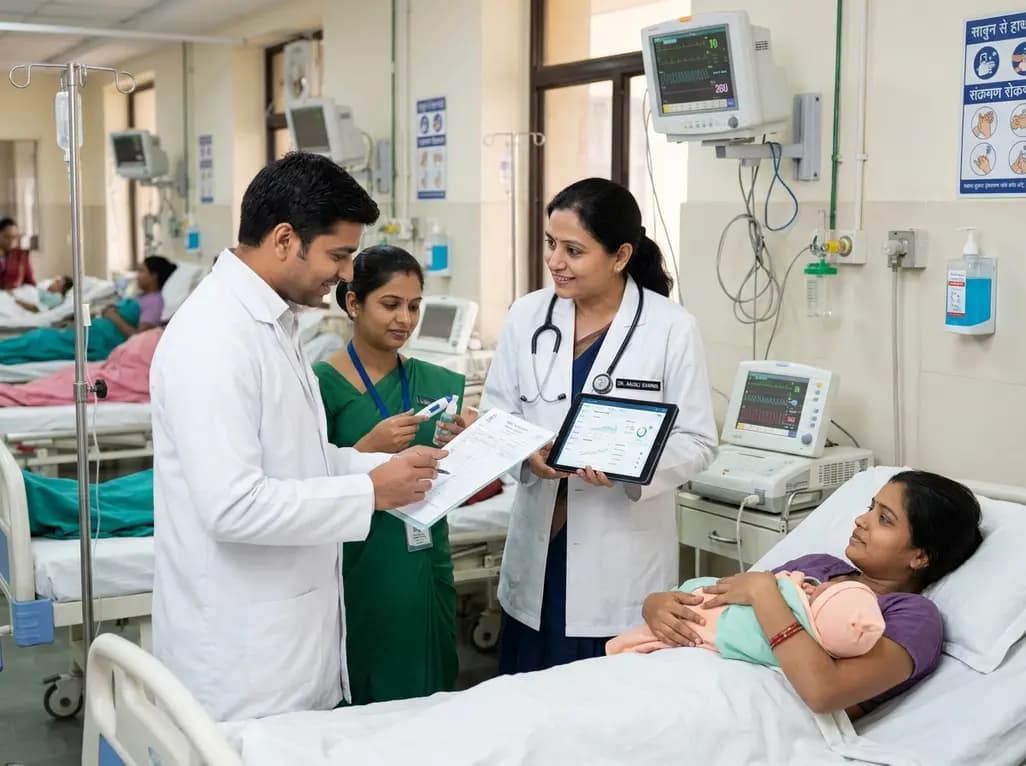
Assam reduced maternal sepsis deaths from 21% to 8% through rigorous infection prevention protocols and digital monitoring. Explore the clinical strategies, sterilization quality checks, early recognition pathways, and antimicrobial stewardship lessons essential for obstetric teams across India.
Today
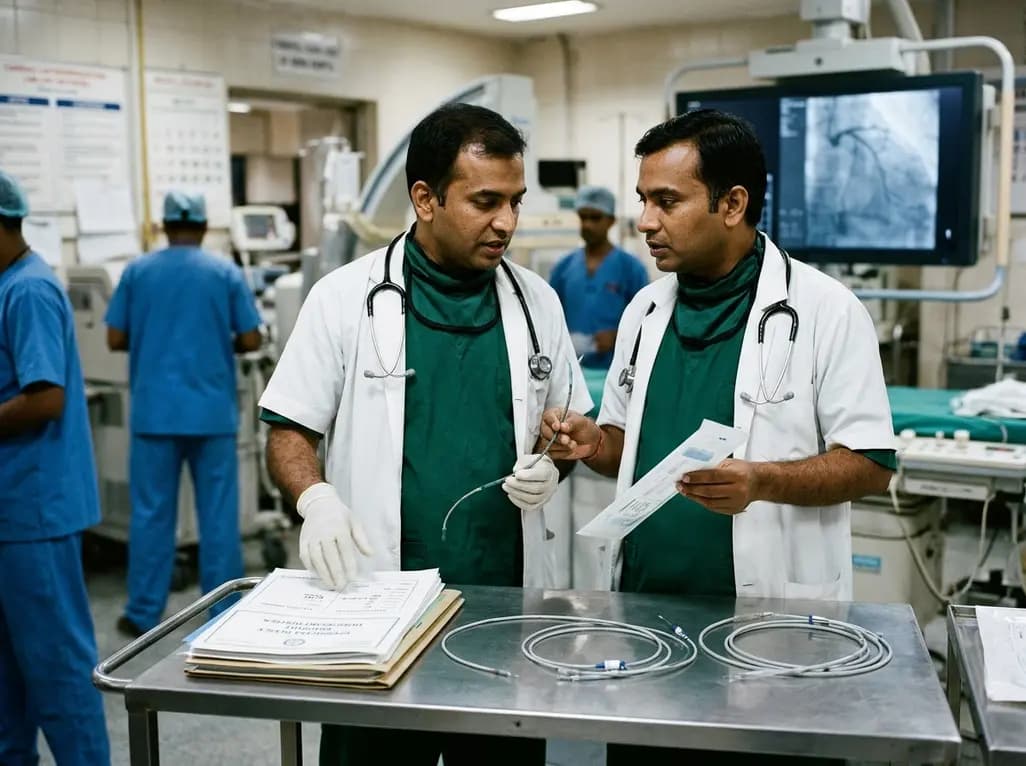
At the Cardiological Society of India Kerala conference, specialists called for a calibrated review of DGHS curbs on reusing single-use items. Regulated reprocessing of catheters and guidewires could bridge the gap between rising cardiac intervention costs and government health insurance reimbursement limits.
Today
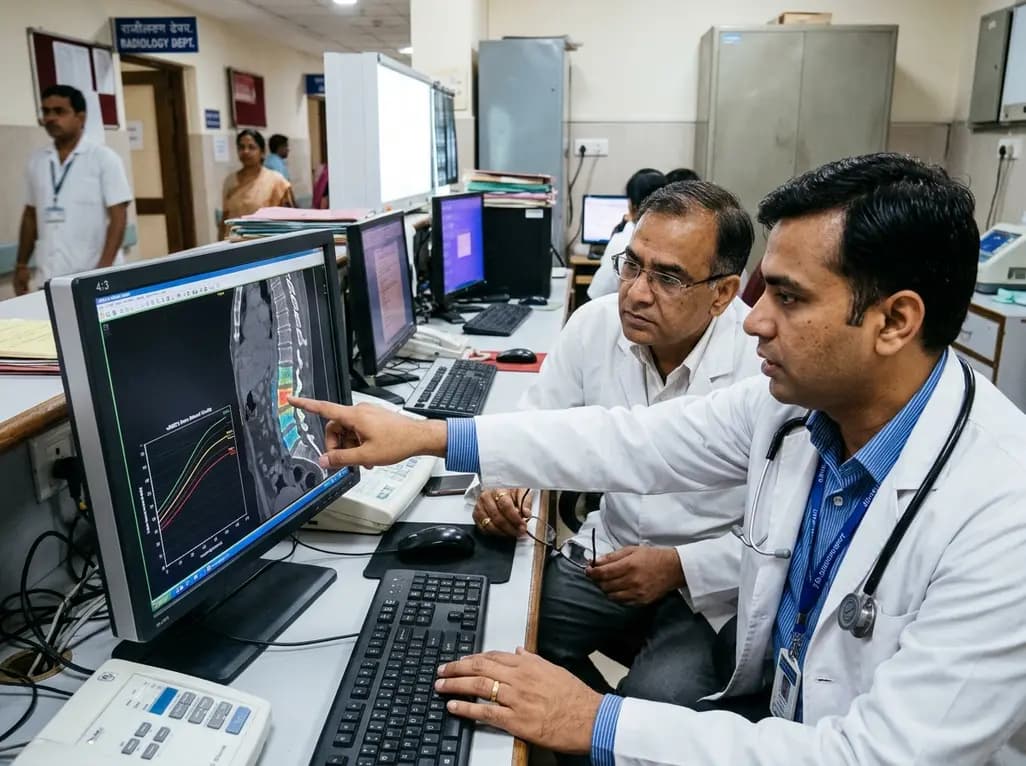
CT-derived volumetric bone mineral density centile curves offer an accurate method for opportunistic osteoporosis screening. This approach identifies high-risk patients who missed routine DXA scans and reliably predicts major osteoporotic fractures, addressing significant diagnostic gaps in clinical practice.
Today
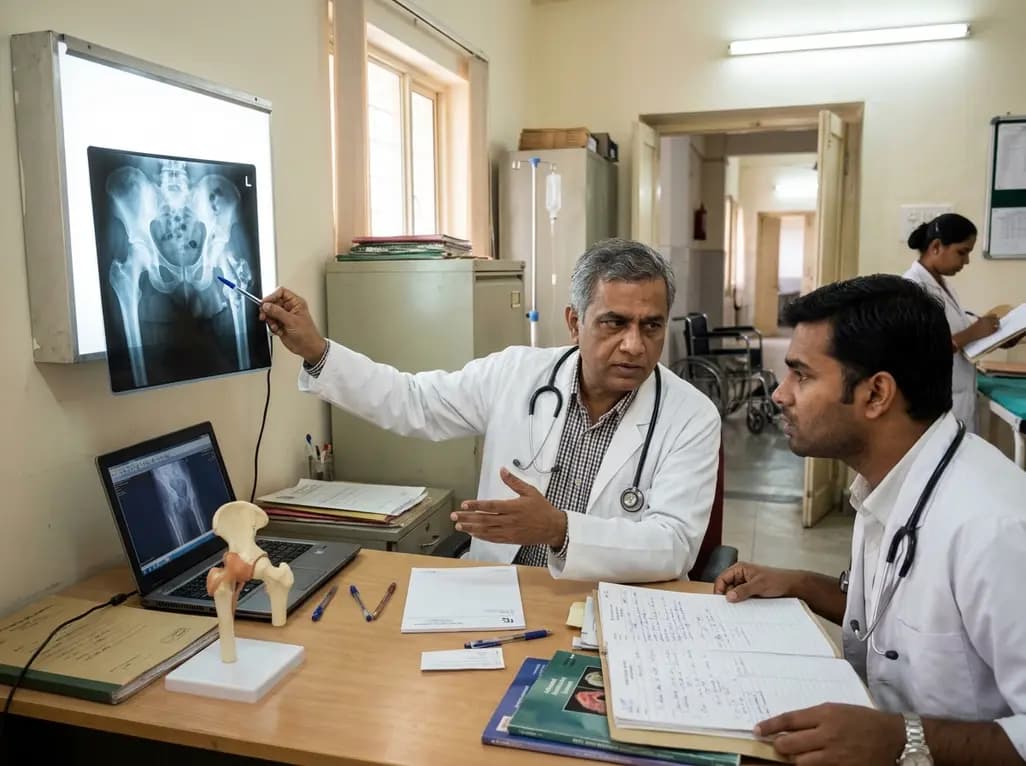
A nationwide real-world cohort study reveals that sequential antiresorptive therapy following teriparatide reduces hip fracture risk by over 50%. Immediate initiation within 90 days and high treatment adherence are critical to preserve skeletal gains in severe osteoporosis.
Today
