

Loading, please wait...
Loading, please wait...
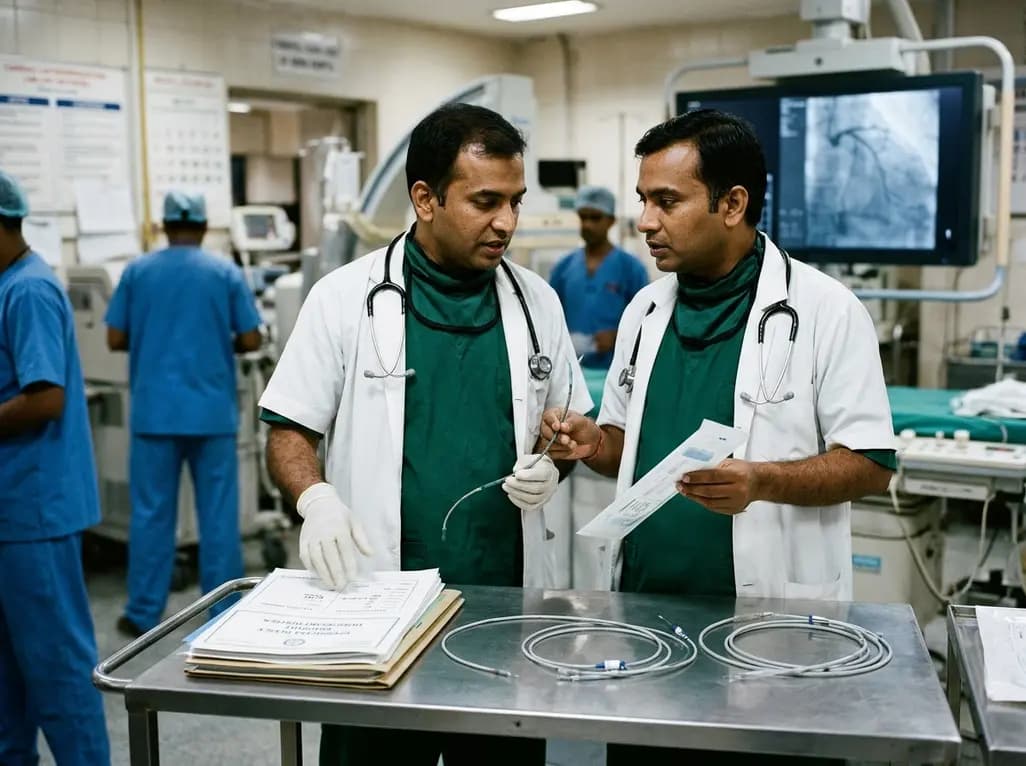
Modern interventional cardiology delivers remarkable therapeutic outcomes for individuals with complex coronary artery disease. However, the rapidly escalating expense of cutting-edge hardware creates significant access barriers for patients across India. During the annual conference of the Cardiological Society of India Kerala Chapter, leading interventional specialists called for a timely scientific dialogue regarding medical device reprocessing. The delegates highlighted how validated reuse protocols for select disposable instruments could dramatically reduce out-of-pocket healthcare expenses. Consequently, establishing clear safety guidelines could allow life-saving revascularization procedures to reach wider socio-economic segments without compromising procedural success or patient outcomes.
Cardiologists across India increasingly manage complex anatomical subsets, including left main bifurcations, heavy calcification, and chronic total occlusions. Consequently, these difficult interventions demand an expanding array of specialized auxiliary equipment. Operators frequently utilize microcatheters, rotational atherectomy burs, specialized guide-extension catheters, and multiple high-pressure balloons during a single intervention. Therefore, procedural expenses escalate rapidly, placing immense financial strain on self-paying households. Furthermore, public healthcare insurance schemes and welfare packages often establish fixed reimbursement tariffs. Unfortunately, these predetermined reimbursement rates regularly fall far below the actual purchase cost of multiple single-use components. As a result, hospitals face severe economic friction when attempting to provide state-of-the-art care under existing financial caps. Dr Prathap Kumar N noted that rising hardware expenses threaten equitable clinical access. Moreover, when tertiary hospitals encounter budgetary shortfalls, administrative pressure may inadvertently curtail the adoption of innovative tools. Clinicians must balance institutional fiscal health against the ethical mandate of delivering superior clinical outcomes. Thus, addressing the persistent gap between consumable costs and reimbursement rates has emerged as an urgent priority for interventional teams nationwide.
In October 2026, the Directorate General of Health Services issued a comprehensive directive prohibiting the reuse of disposable clinical equipment. The central regulatory authority instructed healthcare facilities nationwide to cease reusing items designated for single application. Specifically, the advisory highlighted potential risks involving cross-infection, particulate contamination, biological residues, and mechanical fatigue. In addition, regulators expressed serious concerns regarding billing irregularities where facilities charged full retail tariffs for previously used items. Therefore, the government acted swiftly to safeguard patient rights and eliminate substandard re-sterilization practices. However, interventional cardiologists contend that absolute prohibitions across every hardware category may overlook important clinical distinctions. For instance, non-implantable diagnostic catheters and simple guidewires exhibit different material resilience compared to complex drug-eluting delivery systems. Accordingly, professional societies seek a nuanced policy framework rather than an outright nationwide ban. Cardiologists propose that regulatory bodies establish clear, evidence-based exclusions for select interventional instruments. Furthermore, this approach requires thorough technical evaluation by independent multidisciplinary panels. Consequently, a balanced regulatory policy could protect patient safety while preventing unnecessary inflation of healthcare delivery costs.
Patient safety remains the paramount benchmark for any clinical intervention. Therefore, re-sterilization proposals must rest upon rigorous scientific validation rather than arbitrary hospital economizing. Medical devices feature intricate lumens, hydrophobic polymer coatings, and delicate metallic alloys that tolerate stress differently. Consequently, haphazard chemical soaking or unmonitored ethylene oxide exposure can degrade structural polymer integrity or leave toxic chemical residues. Dr Asokan P K emphasized that unmonitored reprocessing poses unacceptable perils to vascular health. For this reason, professional cardiology societies demand standardized cleaning methods, biological indicator tracking, and documented pyrogen testing. Furthermore, technicians must verify mechanical performance, including torque responsiveness, tip flexibility, and lumen patency, before clearing any instrument for clinical application. In addition, transparent informed consent protocols must protect patient autonomy during every elective procedure. Reused items must never carry the retail price of pristine single-use hardware. Ultimately, clinicians can only consider reprocessing ethical when validated protocols guarantee that a refurbished device matches virgin hardware performance. Thus, scientific rigor and absolute transparency must guide any departure from single-use manufacturer labels.
International healthcare systems provide valuable regulatory models for managing single-use equipment reuse. For example, the United States Food and Drug Administration enforces stringent regulatory standards through third-party reprocessing programs. Under this rigorous federal mechanism, specialized third-party reprocessors operate under the same quality standards as original device manufacturers. Consequently, commercial reprocessors must demonstrate cleaning efficacy, sterility assurance, bioburden removal, and functional equivalency before marketing reprocessed catheters. Similarly, member nations of the European Union regulate the reprocessing of single-use devices under strict Medical Device Regulations. These European statutes require comprehensive technical documentation and total traceability for every resterilized item. In contrast, many healthcare facilities in developing economies rely upon decentralized, in-house reprocessing without standardized quality audits. Therefore, Indian cardiologists advocate transitioning toward a centrally supervised, industrial-scale reprocessing ecosystem. Moreover, dedicated third-party facilities could relieve individual cath lab nurses of complex sterilization burdens. As a result, independent testing facilities can maintain strict batch tracking, traceability registries, and safety monitoring. By adopting validated international blueprints, Indian authorities can simultaneously uphold public health standards and curb procedural inflation.
Beyond regulatory discussions, the conference illuminated transformative advances that are reshaping contemporary interventional practice. Specifically, scientific sessions evaluated the complementary therapeutic roles of drug-coated balloons and new-generation drug-eluting stents. Drug-coated balloons offer compelling advantages in diffuse small-vessel disease and recurrent in-stent restenosis. Consequently, these antiproliferative platforms deliver therapeutic medication while leaving no permanent foreign metallic scaffold behind. Furthermore, precision intravascular imaging tools, including optical coherence tomography and intravascular ultrasound, now guide complex coronary reconstructions. In addition, delegates explored leadless pacemakers, laser-assisted coronary interventions, and sophisticated coronary physiology assessments. Moreover, novel lipid-lowering pharmacological therapies and advanced structural heart interventions continue to expand therapeutic options for heart failure. Nevertheless, adopting these revolutionary technologies requires significant financial investment from hospitals and health systems. Therefore, interventional cardiologists must champion both clinical innovation and thoughtful resource stewardship. When clinicians optimize procedural efficiency and eliminate unnecessary waste, they preserve essential resources for high-impact technologies. Ultimately, ongoing dialogue between clinical specialists, medical engineers, and governmental authorities will determine how effectively India democratizes modern cardiovascular care.
Q1: Why did the DGHS restrict the reuse of single-use medical devices in India?
The Directorate General of Health Services issued restrictions to protect patients from potential clinical risks, including persistent cross-infection, endotoxin exposure, and device failure. Furthermore, regulators observed billing discrepancies where healthcare facilities charged patients brand-new prices for reprocessed hardware. Consequently, the government enforced manufacturer instructions for use across all private and public hospitals to ensure strict adherence to safety standards and ethical billing practices.
Q2: Which cardiovascular devices are most commonly considered for regulated reprocessing?
Interventional cardiologists primarily consider non-implantable, sturdy auxiliary instruments for regulated reprocessing protocols. For example, diagnostic coronary catheters, guide catheters, electrophysiology recording catheters, and select coronary guidewires possess mechanical designs that can withstand validated cleaning. Conversely, complex implantable items, such as drug-eluting stents, bioresorbable scaffolds, and drug-coated balloon delivery systems, are strictly single-use technologies that healthcare teams must never resterilize or reuse under any clinical circumstances.
Q3: How could validated medical device reprocessing impact patient care costs?
Complex percutaneous coronary interventions often require multiple specialized guide catheters, microcatheters, and wires, driving up total procedural expenses. Therefore, allowing regulated reprocessing of select auxiliary equipment under strict quality controls can significantly lower institutional overhead costs. When hospitals pass these cost savings directly to patients, complex angioplasty becomes substantially more affordable. As a result, out-of-pocket spending decreases, and public health insurance reimbursement packages cover advanced procedures more effectively.
Disclaimer: This content is for informational and educational purposes only. It does not constitute medical advice or replace professional judgment. Refer to the latest local and national guidelines for clinical practice.
References

Read summarized clinical updates, watch expert medical content, and earn CME certifications right from your smartphone.
Open your smartphone camera to scan and install.





At the Cardiological Society of India Kerala conference, specialists called for a calibrated review of DGHS curbs on reusing single-use items. Regulated reprocessing of catheters and guidewires could bridge the gap between rising cardiac intervention costs and government health insurance reimbursement limits.
Today
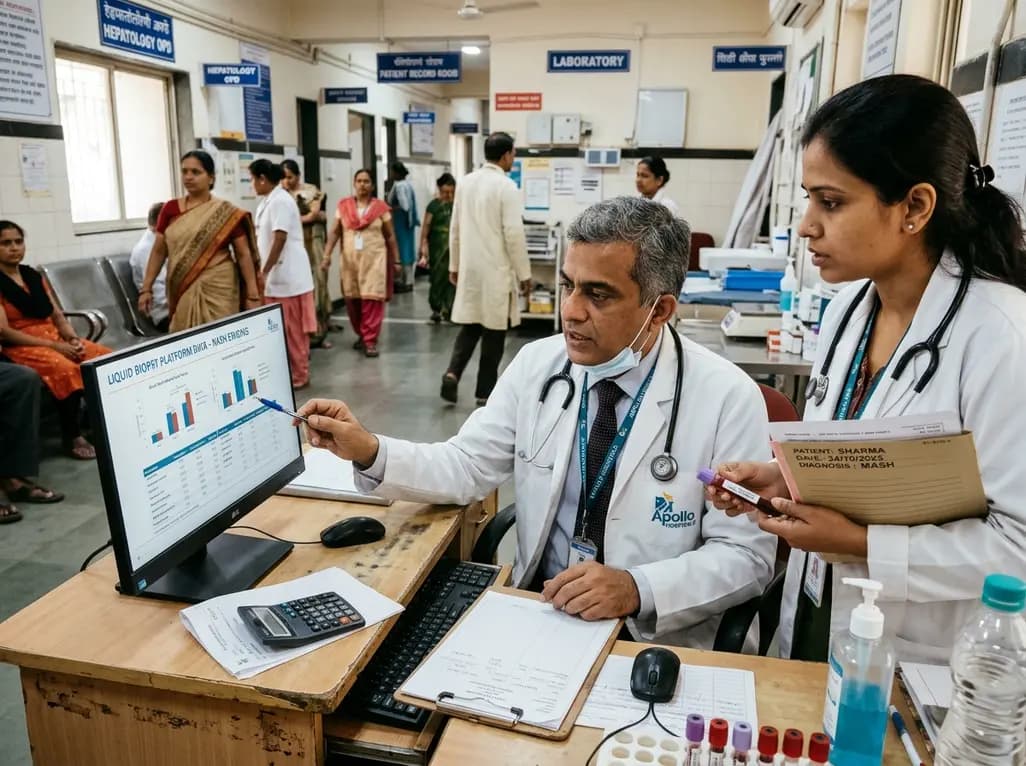
A breakthrough liquid biopsy platform matches magnetic resonance elastography in staging metabolic dysfunction-associated steatohepatitis and identifying treatment-eligible patients. Concurrently, late-stage trials demonstrate significant biochemical remission in primary biliary cholangitis with elafibranor.
Today

Assam reduced maternal sepsis deaths from 21% to 8% through rigorous infection prevention protocols and digital monitoring. Explore the clinical strategies, sterilization quality checks, early recognition pathways, and antimicrobial stewardship lessons essential for obstetric teams across India.
Today
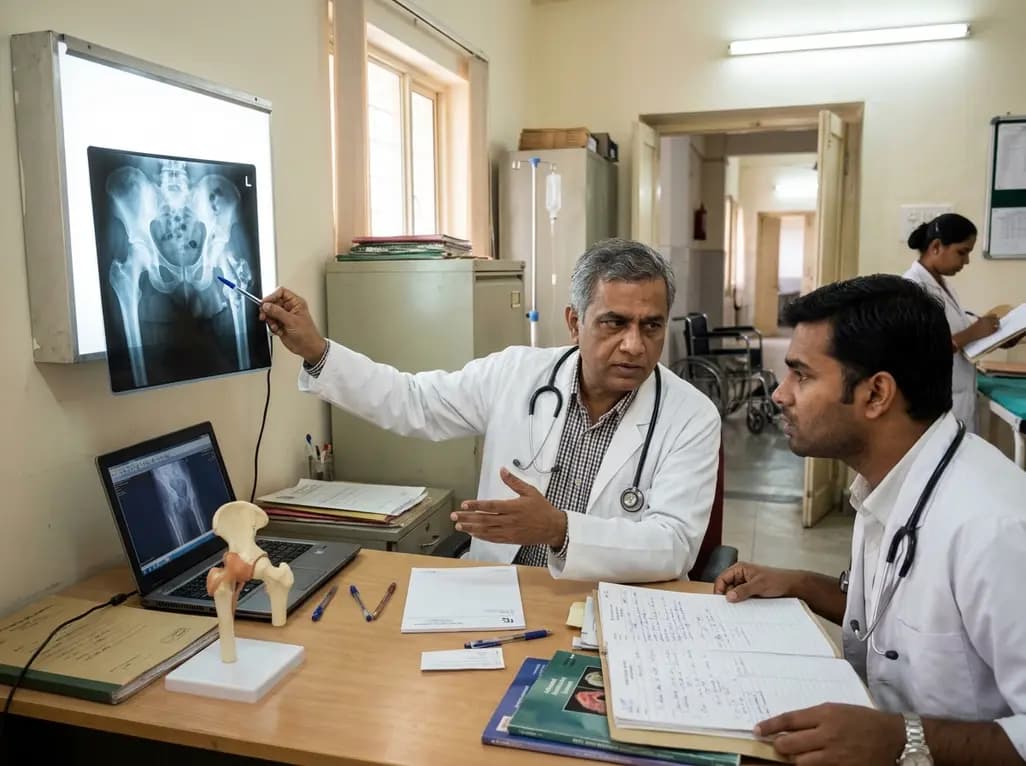
A nationwide real-world cohort study reveals that sequential antiresorptive therapy following teriparatide reduces hip fracture risk by over 50%. Immediate initiation within 90 days and high treatment adherence are critical to preserve skeletal gains in severe osteoporosis.
Today
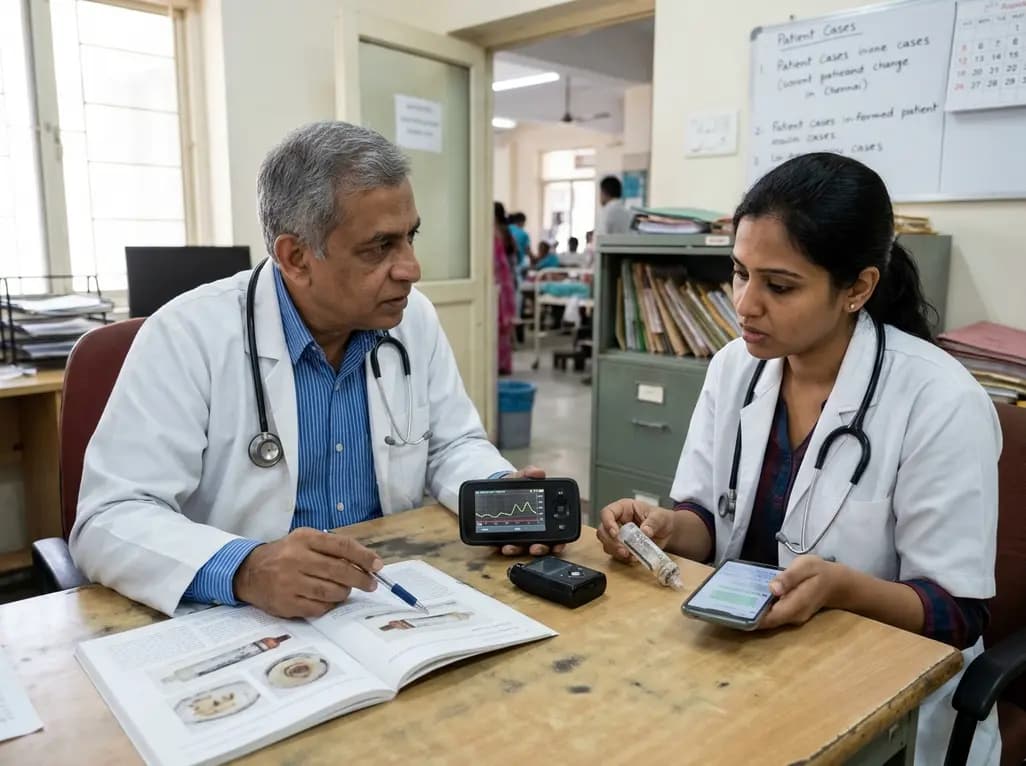
A case report details how reusing single-use insulin cartridges caused device failure and diabetic ketoacidosis in a type 1 diabetes patient using an advanced hybrid closed-loop system. The report highlights technological blindspots, mechanical degradation, and safety protocols during supply shortages.
Today
