.webp&w=384&q=75)

Loading, please wait...
Loading, please wait...

Hearing health often declines gradually, making it difficult for many people to identify problems in the early stages. Specifically, experts from AIIMS-Delhi recently warned that prolonged exposure to loud music can cause permanent damage. Consequently, focus on preventing early hearing loss is now more critical than ever for the younger generation. Furthermore, this type of auditory damage is completely avoidable with the right lifestyle changes. Therefore, clinicians urge the public to adopt safe listening habits immediately.
To protect your auditory system, clinicians recommend following the 60/60 rule for personal audio devices. You should keep the volume below 60 percent of the maximum limit to maintain safety. Additionally, you must limit your listening time to no more than 60 minutes before taking a significant break. If you ignore these limits, the cumulative noise burden will eventually lead to irreparable nerve damage. Moreover, experts suggest that shorter exposure durations are necessary when sound levels increase.
Understanding the relationship between sound intensity and exposure time is the first step toward preventing early hearing loss. For instance, higher noise levels require much shorter exposure periods to avoid injury. Similarly, using noise-canceling headphones can reduce the need for high volumes in busy environments. Alternatively, wearing earplugs at concerts or loud sporting events provides a vital layer of protection for your ears. Specifically, consistent awareness of these preventable causes can significantly decrease the rising burden of noise-induced impairments.
Early detection in newborns is essential for ensuring healthy development in children throughout their lives. AIIMS-Delhi currently implements universal neonatal hearing screening to identify impairment right after birth. If doctors detect profound hearing loss early, they can often rehabilitate the child using cochlear or brainstem implants. Consequently, timely intervention allows every child to develop language and communication skills to their full potential. Furthermore, schools and society should support children with hearing loss to improve their overall psychosocial outcomes.
Q1: What is the 60/60 rule for personal audio devices?
The 60/60 rule suggests keeping the volume of your headphones or personal audio devices below 60 percent of the maximum limit. Additionally, users should take a break after every 60 minutes of continuous listening to prevent cumulative damage.
Q2: Can noise-induced hearing loss be reversed?
No, noise-induced hearing loss is generally irreparable because it involves permanent damage to the sensory cells or nerves in the ear. However, this condition is entirely preventable through safe listening practices and noise protection.
Q3: Why is neonatal hearing screening important?
Screening newborns allows for early detection of hearing impairment, which is crucial for timely medical intervention. Early support helps children develop essential speech, language, and learning abilities that might otherwise suffer due to unidentified hearing loss.
Disclaimer: This content is for informational and educational purposes only. It does not constitute medical advice or replace professional judgment. Refer to the latest local and national guidelines for clinical practice.
References

Read summarized clinical updates, watch expert medical content, and earn CME certifications right from your smartphone.
Open your smartphone camera to scan and install.





AIIMS Delhi experts emphasize that noise-induced hearing loss is irreparable but preventable through safe listening habits and early neonatal screening....
7 months ago

Novel glucose-responsive mPEG-PSA nanocarriers deliver insulin aspart on demand, achieving dual postprandial and basal glycemic control without hypoglycemia in diabetic models. This biomaterial breakthrough offers promising clinical implications for physiologic diabetes management.
Today
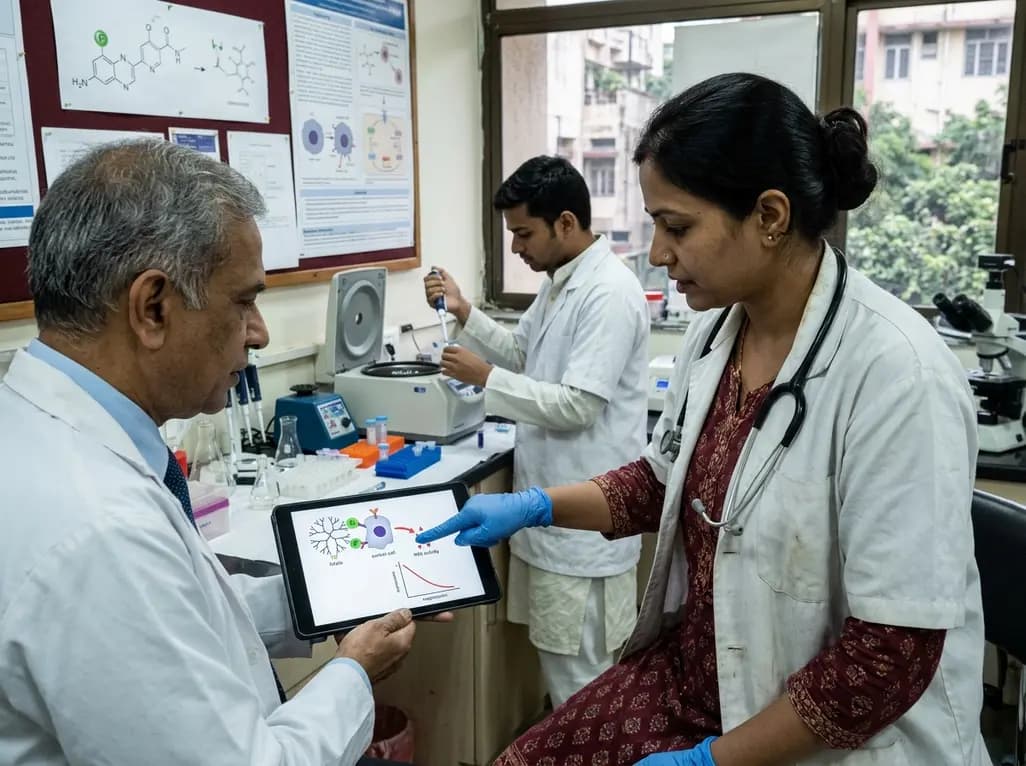
A novel folate-conjugated tecto-dendrimer nanoplatform successfully delivers siRNA to achieve targeted HK2 silencing, disrupting ovarian cancer glycolysis and suppressing lactate output.
Today
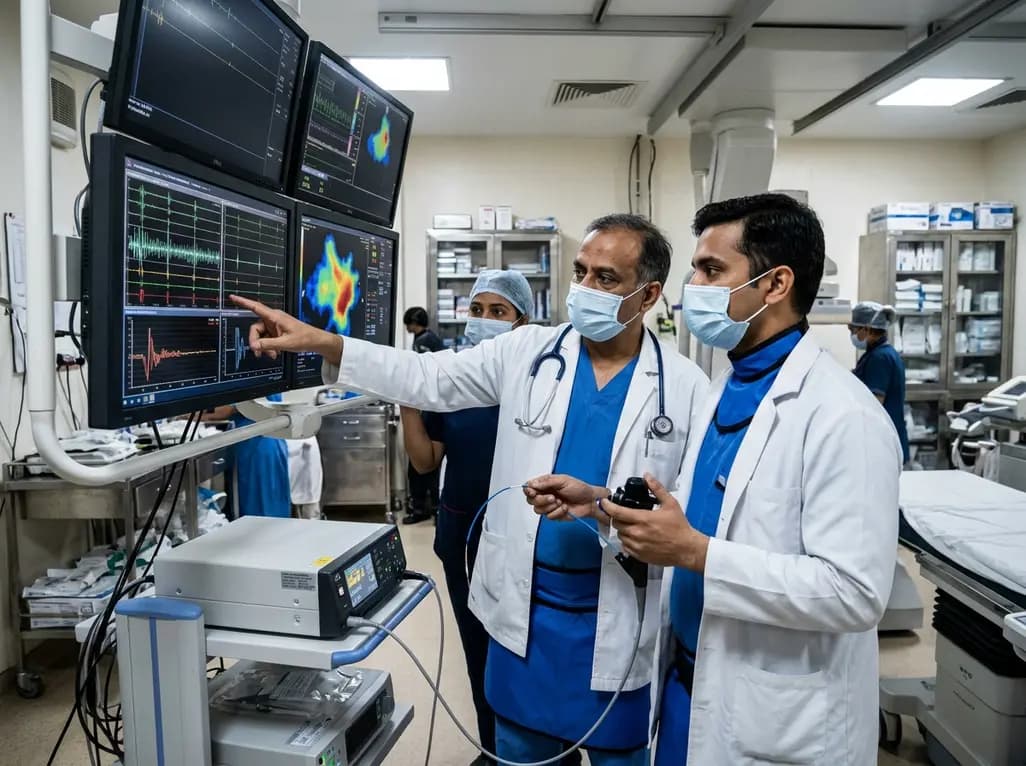
A comparative non-contact study reveals that high-power radiofrequency delivery with the QDOT MICRO catheter induces an artifactual contact force rise. Electrophysiologists must understand this power-dependent thermal and electrical phenomenon to avoid inadvertent catheter withdrawal and ineffective ablation.
Today
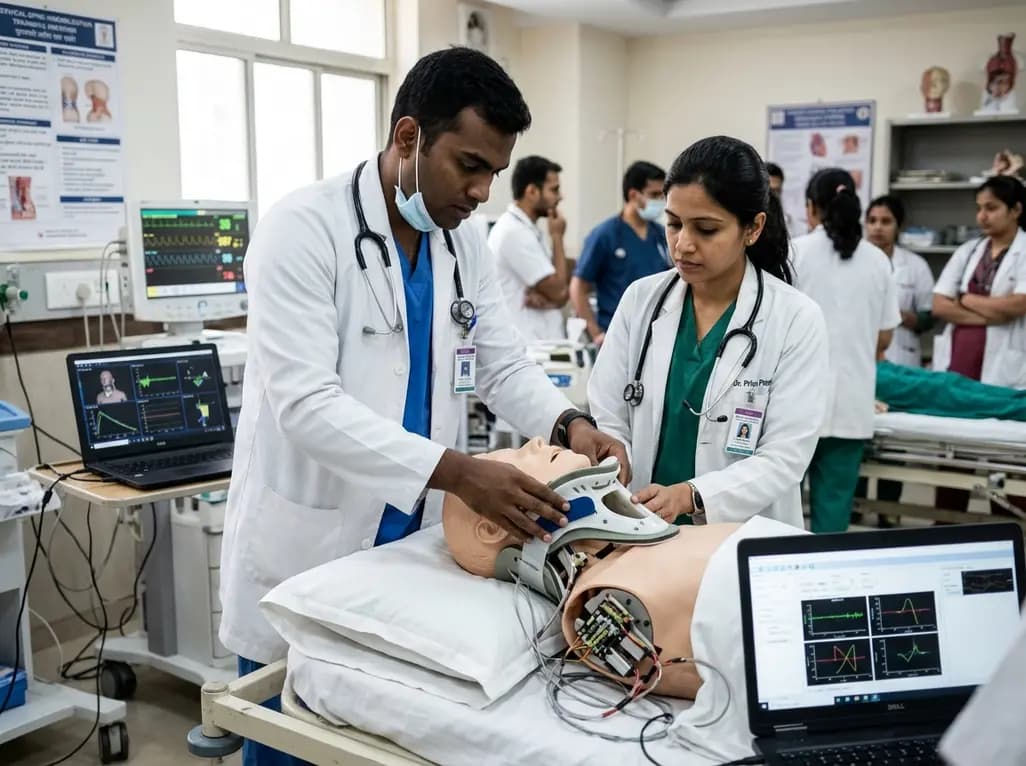
A novel proof-of-concept study presents a six-degree-of-freedom articulated manikin neck equipped with linear potentiometers. The system provides real-time kinematic motion feedback during cervical immobilisation, delivering sub-degree tracking accuracy to improve pre-hospital trauma training and patient safety.
Today
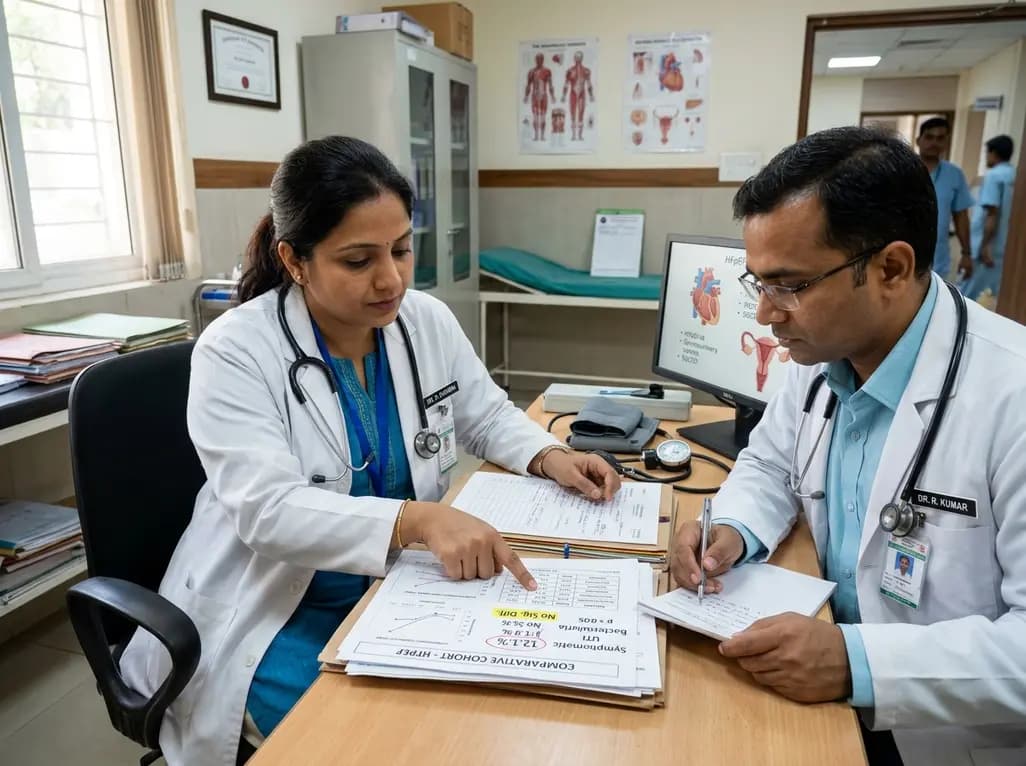
A retrospective comparative cohort study evaluated genitourinary safety in HFpEF between dapagliflozin and empagliflozin over six months. Rates of symptomatic UTI and asymptomatic bacteriuria showed no statistically significant differences, supporting comparable safety profiles across both SGLT2 inhibitors.
Today
