.webp&w=384&q=75)

Loading, please wait...
Loading, please wait...
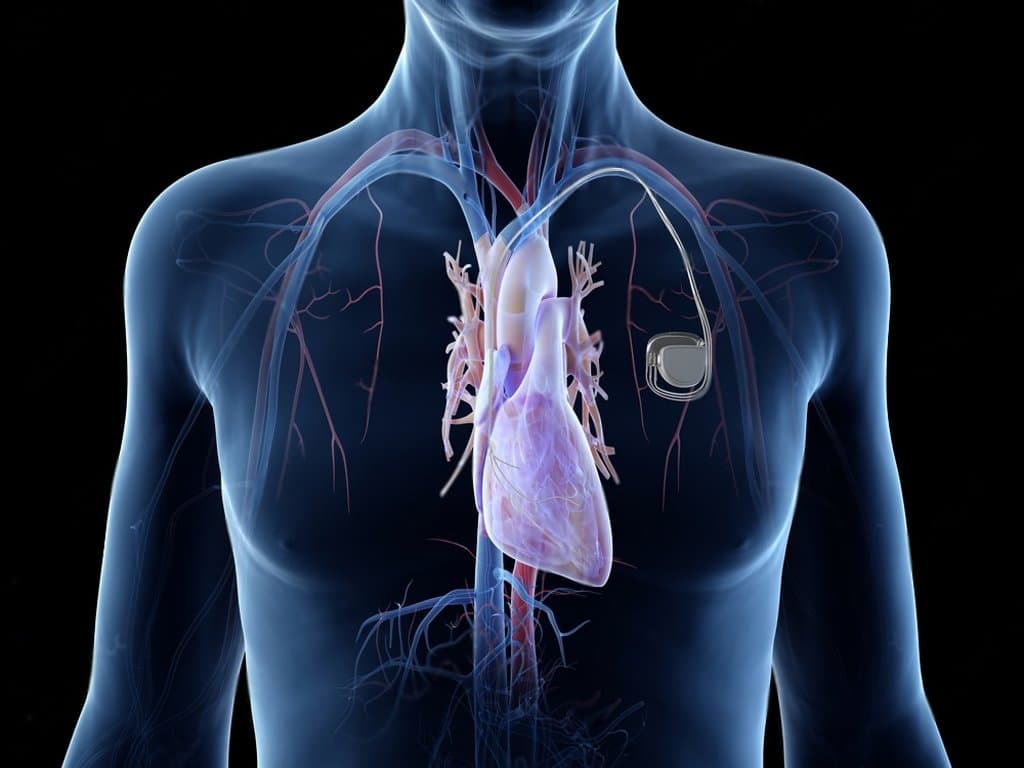
This study of 76,447 patients found that 8.2% required permanent pacemakers (PPM) after cardiac surgery, primarily due to atrioventricular block. The cumulative PPM incidence was 2.9% at 30 days, 3.8% at 1 year, and 9.5% at 10 years. Tricuspid valve surgery had the highest PPM risk, followed by mitral, aortic, and CABG. Combined surgeries and concomitant ablation further increased risk. The need for PPM post-surgery is substantial.

Read summarized clinical updates, watch expert medical content, and earn CME certifications right from your smartphone.
Open your smartphone camera to scan and install.





This study of 76,447 patients found that 8.2% required permanent pacemakers (PPM) after cardiac surgery, primarily due to atrioventricular block. The cumulative PPM incidence was 2.9% at 30 days, 3.8% at 1 year, and 9.5% at 10 years. Tricuspid valve surgery had the highest PPM risk, followed by mitral, aortic, and CABG. Combined surgeries and concomitant ablation further increased risk. The need for PPM post-surgery is substantial.
5 months ago

Review how tailored exercise programs benefit frail older patients with heart failure. Explore pathophysiological mechanisms, individualized training prescriptions, and strategies to overcome adherence barriers in clinical practice.
Today

Recent clinical studies reveal maternal autoantibodies targeting IL-1RA as potential triggers for preterm labor, opening avenues for targeted cytokine therapies. Concurrently, new perioperative findings show inhaled cannabis increases propofol requirements during upper endoscopy compared to oral edible consumption.
Today

In high-risk pulmonary embolism complicated by severe anemia and active uterine bleeding, systemic thrombolysis is contraindicated. Large-bore aspiration thrombectomy provides rapid hemodynamic rescue without fibrinolysis, supported by inferior vena cava filter placement and multidisciplinary critical care.
Today

This comparative study evaluates posterior labral tears with and without glenohumeral instability, highlighting distinct demographic patterns, MRI underestimation in stable shoulders, and successful arthroscopic repair outcomes.
Today

A clinical study demonstrates that early intervention with tocilizumab, either as monotherapy or bridged with corticosteroids, achieves significant proptosis reduction and resolves active inflammation in treatment-naive thyroid eye disease.
Today
