.webp&w=384&q=75)

Loading, please wait...
Loading, please wait...

Clinicians frequently prescribe preoperative systemic steroids to patients with chronic rhinosinusitis with nasal polyps (CRSwNP) to optimize surgical conditions. Moreover, these medications effectively reduce polyp volume and intraoperative bleeding. However, a recent meta-analysis reveals a significant clinical challenge regarding histological assessment. Specifically, the use of these steroids dramatically lowers tissue eosinophil counts (TEC). Consequently, this reduction can mask the underlying eosinophilic endotype during a biopsy. Therefore, physicians must carefully consider the timing of tissue sampling to ensure an accurate diagnosis.
Researchers conducted a systematic review of 17 studies involving 930 participants to evaluate these effects. Furthermore, they found that systemic steroids significantly decreased both the absolute count and the percentage of eosinophils in nasal tissue. Specifically, the pooled mean difference in tissue eosinophils per high-power field (TEC/HPF) dropped by 36.57. Additionally, the percentage of eosinophils among inflammatory cells decreased by 18.14%. Because these findings were consistent across different doses and durations, the suppressive effect appears robust. Notably, this suggests that the anti-inflammatory action of steroids rapidly clears eosinophils from the mucosa.
Interestingly, the meta-analysis highlighted a potential exception for certain regimens. For example, low-dose protocols (4.2-18.6 mg/day) lasting seven days or less showed a non-significant reduction in eosinophils. Nevertheless, most standard preoperative guidelines recommend higher doses for clinical efficacy. Thus, if a clinician requires an accurate eosinophilic count for biologic eligibility, they face a diagnostic dilemma. Accordingly, surgeons should consider obtaining an outpatient biopsy before initiating any steroid course. Alternatively, they might use a less suppressive regimen if histologic confirmation is the primary goal. Ultimately, avoiding misinterpretation is essential for personalized management. In fact, obtaining a pre-steroid biopsy remains the most reliable strategy for endotyping.
Yes, significantly. Many biologic therapies require a specific tissue eosinophil threshold for approval. Because systemic steroids lower these counts, an intraoperative biopsy may result in a false-negative, potentially disqualifying a patient who actually has a type 2 endotype.
Ideally, clinicians should perform a nasal polyp biopsy before starting systemic steroids. If steroids are already administered, the meta-analysis suggests that low-dose, short-term courses (less than 7 days) may have a less suppressive effect on tissue eosinophils compared to standard high-dose regimens.
Disclaimer: This content is for informational and educational purposes only and does not constitute medical advice or a professional relationship. Always seek the advice of a physician or other qualified health provider with any questions you may have regarding a medical condition. Refer to the latest local and national guidelines for clinical practice.
References
1. Chitsuthipakorn W et al. Effect of Preoperative Systemic Steroids on Tissue Eosinophils in CRSwNP: Meta-Analysis. Laryngoscope. 2026 Apr 30. doi: 10.1002/lary.70600. PMID: 42062802.
2. Fokkens WJ et al. European position paper on rhinosinusitis and nasal polyps 2020. Rhinology. 2020;58(Suppl S29):1-464.
3. Schläpfer NR et al. Effect of corticosteroids on tissue eosinophilia in chronic rhinosinusitis: a systematic review and meta-analysis. Rhinology. 2026;64(1):14-25.

Read summarized clinical updates, watch expert medical content, and earn CME certifications right from your smartphone.
Open your smartphone camera to scan and install.





Meta-analysis reveals preoperative systemic steroids significantly reduce tissue eosinophil counts in CRSwNP, potentially masking crucial histologic diagnos...
5 months ago
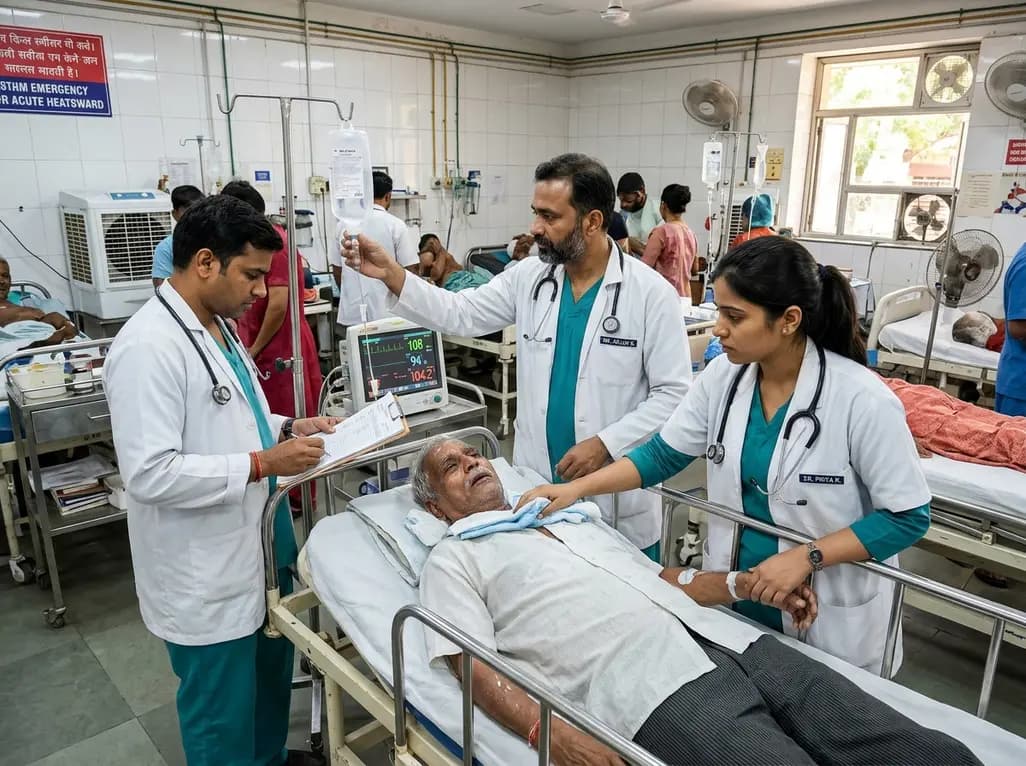
Recent epidemiological data reveals a dramatic surge in summer heat mortality driven by human-induced climate warming. This analysis explores the pathophysiological impacts on cardiac and renal systems, diagnostic dilemmas in death certification, and essential emergency cooling protocols for acute clinical care.
Today
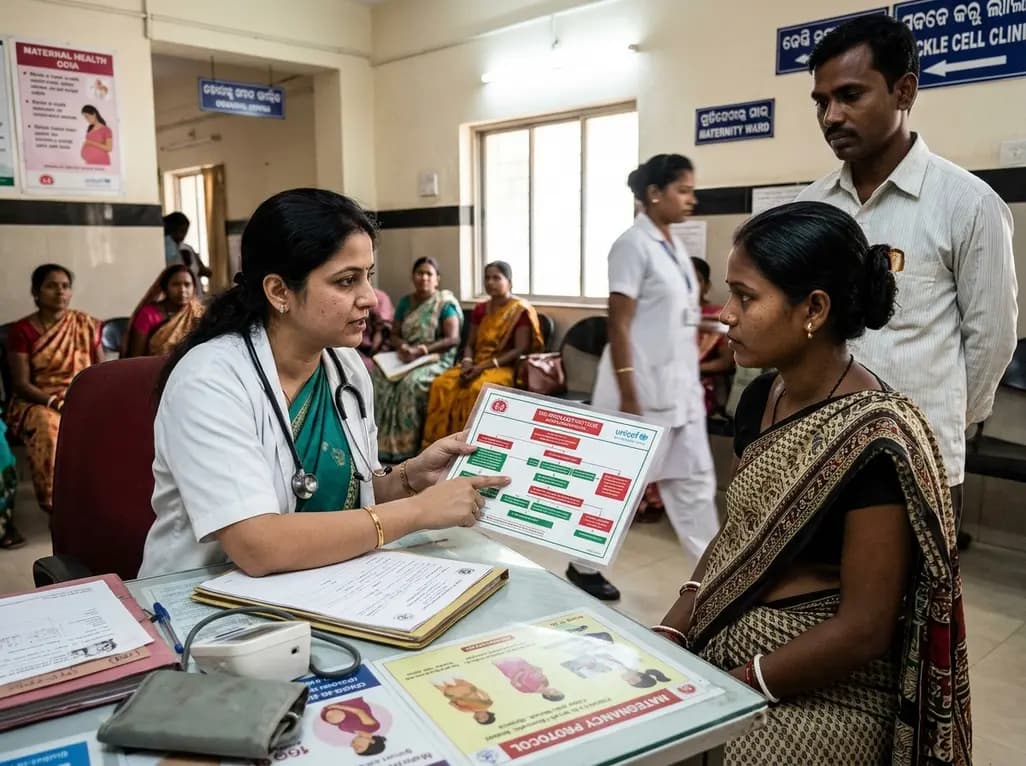
Odisha has established India's first state-level clinical protocol specifically tailored for pregnant women with sickle cell disease. Developed with NHM and UNICEF, the framework provides structured antenatal screening, crisis mitigation, standardized referral pathways, and specialized interdisciplinary care.
Today

India is advancing preventive healthcare by integrating genomics, artificial intelligence, and quantum technologies. With the SANGAM programme sequencing one million Indian genomes, clinicians can unlock personalized therapies, detect cardiometabolic risks early, and curb the burden of diabetes and heart disease.
Today
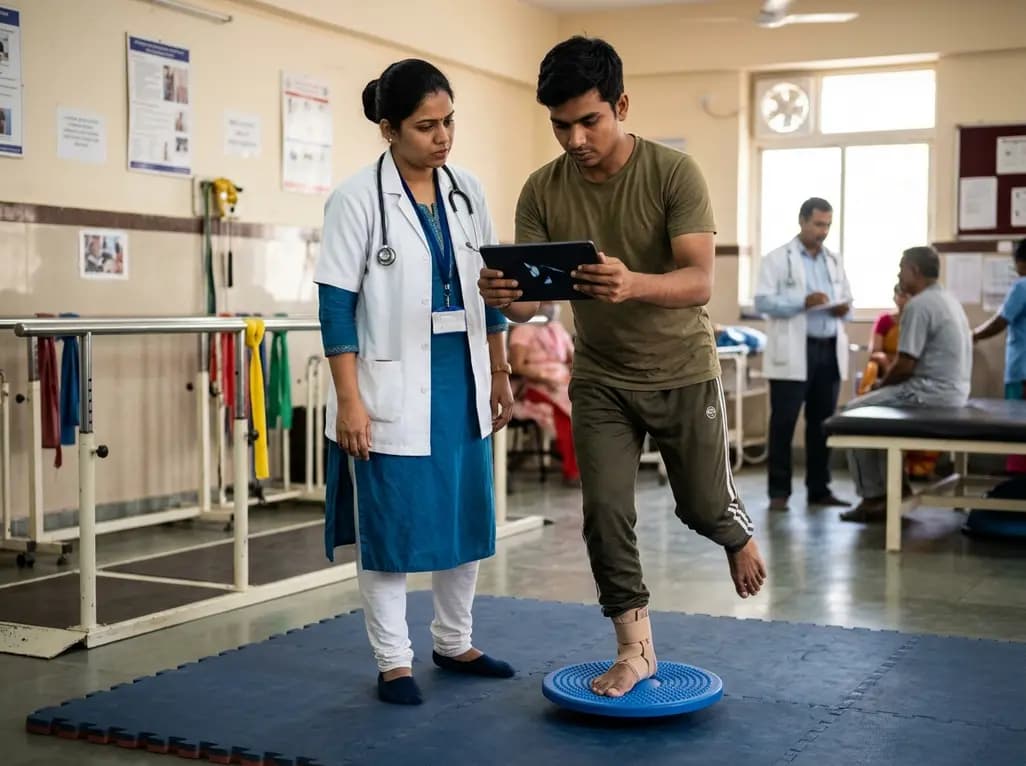
A randomized controlled trial demonstrates that an eight-week dual-task training intervention significantly improves static and dynamic postural control over standard balance exercises in individuals with chronic ankle instability, addressing critical neurocognitive deficits during athletic and daily activities.
Today

A retrospective cohort study of 7,716 ICU patients from the MIMIC-IV database demonstrates that Gradient Boosting Decision Trees significantly outperform traditional SOFA scores in predicting in-hospital mortality among patients with sepsis and diabetes, with SHAP analysis providing clinical interpretability.
Today
