.webp&w=384&q=75)

Loading, please wait...
Loading, please wait...
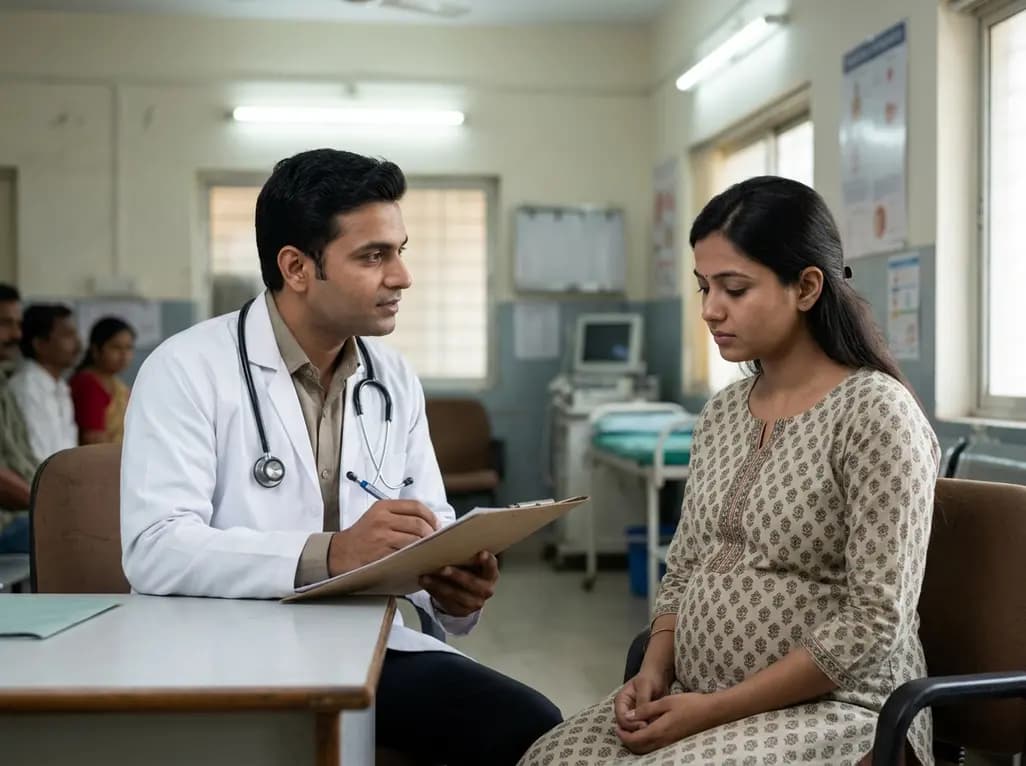
Childhood experiences shape long-term psychological landscapes, especially regarding prenatal mental health. This latent class analysis of 936 Chinese pregnant women examines how early childhood history affects maternal well-being. By evaluating both adverse childhood experiences (ACEs) and positive childhood experiences (PCEs), researchers have identified distinct risk profiles that impact pregnancy outcomes.
The study identified four distinct classes based on childhood history. These patterns included high adversity/low positivity (8.1%), high adversity/moderate positivity (30.1%), low adversity/low positivity (14.1%), and low adversity/high positivity (47.7%). Consequently, researchers found that women in the high adversity/low positivity group faced the highest clinical risk. Specifically, this group showed significantly higher depression symptoms and poorer mental well-being compared to those with low adversity and high positivity.
Moreover, the low adversity/low positivity class was specifically linked to poor mental well-being but not necessarily high depression symptoms. This finding suggests that positive experiences play a unique role in fostering mental health beyond just preventing illness. Therefore, clinicians must consider both sides of the childhood experience spectrum when assessing a patient's risk profile. The co-occurrence of high adversity and low positivity remains the strongest predictor of adverse psychiatric outcomes during pregnancy.
Identifying these early-life patterns allows healthcare providers to offer more targeted support for prenatal mental health. Early screening for both ACEs and PCEs can help in identifying vulnerable individuals before symptoms escalate. Furthermore, fostering resilience through trauma-informed care might mitigate the negative effects of early adversity. Longitudinal studies are now required to confirm these associations across diverse populations and refine specific intervention strategies.
Adverse Childhood Experiences (ACEs) include trauma such as abuse, neglect, or household dysfunction. Positive Childhood Experiences (PCEs) involve supportive relationships and safe environments during youth that foster resilience.
High adversity combined with low positivity significantly increases the risk of prenatal depression. Conversely, high positivity can act as a buffer, protecting mental well-being even when some adversity is present.
Understanding a patient's childhood history can guide more personalized psychiatric and obstetric care. It helps clinicians identify those who may need early mental health referrals or additional psychosocial support during pregnancy.
Disclaimer: This content is for informational and educational purposes only. It does not constitute medical advice or a professional relationship. Always seek the advice of a qualified healthcare provider for any questions regarding a medical condition. Refer to the latest local and national guidelines for clinical practice.
References

Read summarized clinical updates, watch expert medical content, and earn CME certifications right from your smartphone.
Open your smartphone camera to scan and install.





A study of 936 pregnant women identifies 4 patterns of childhood experiences that significantly impact prenatal depression and mental well-being....
4 months ago
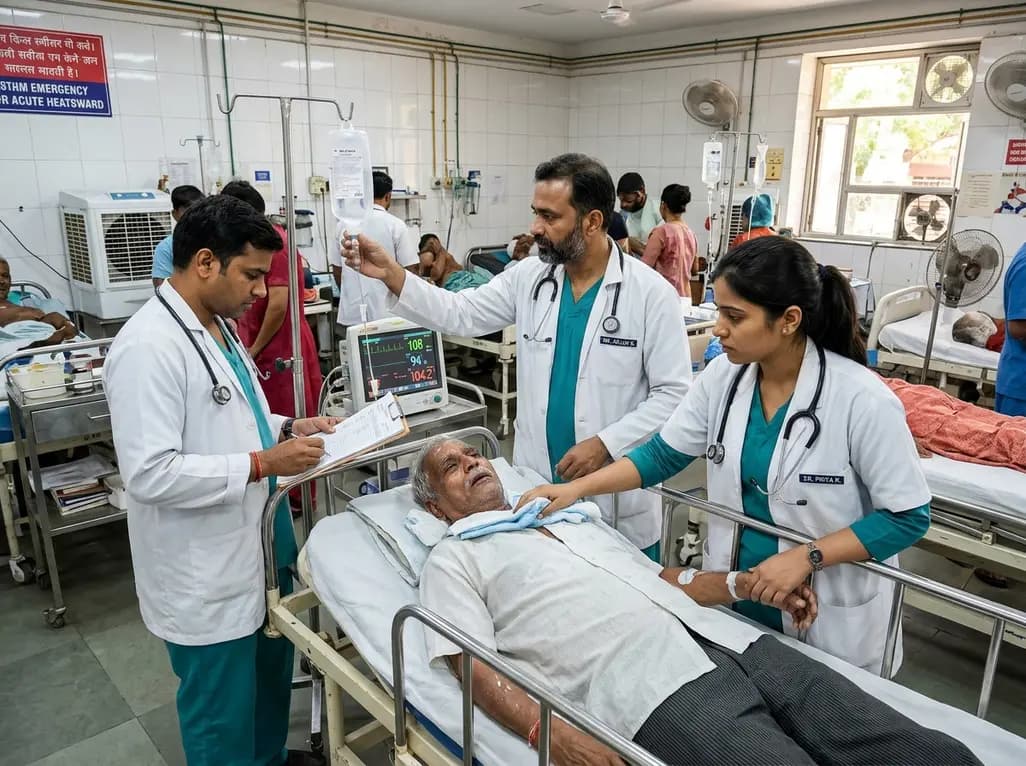
Recent epidemiological data reveals a dramatic surge in summer heat mortality driven by human-induced climate warming. This analysis explores the pathophysiological impacts on cardiac and renal systems, diagnostic dilemmas in death certification, and essential emergency cooling protocols for acute clinical care.
Today
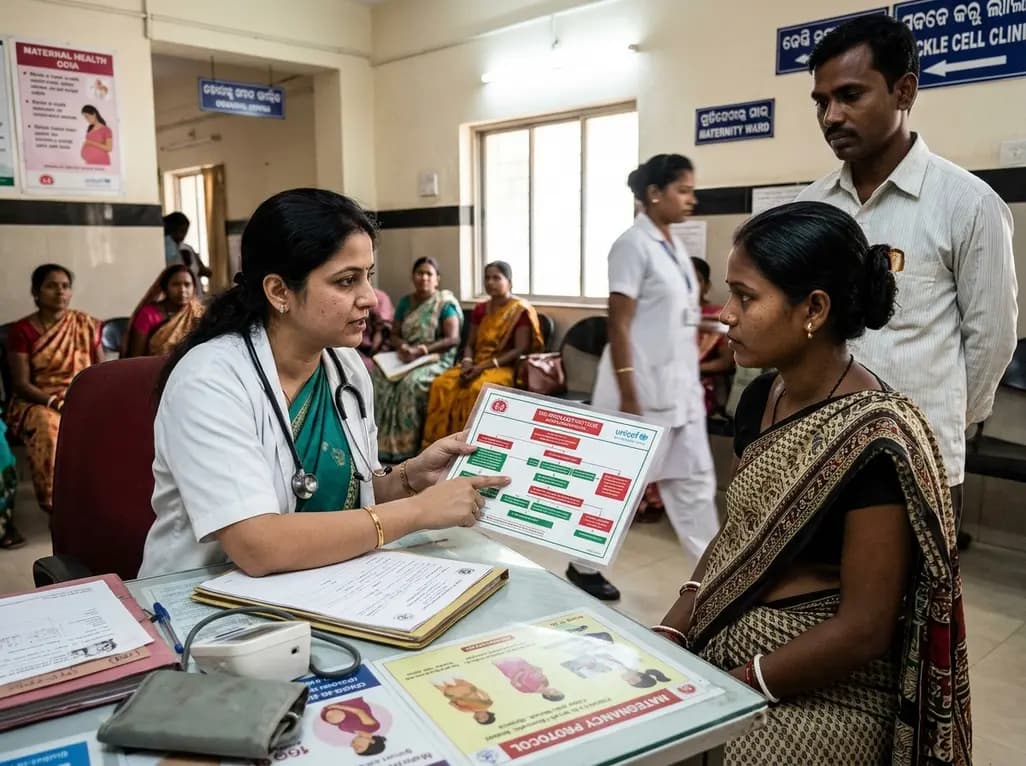
Odisha has established India's first state-level clinical protocol specifically tailored for pregnant women with sickle cell disease. Developed with NHM and UNICEF, the framework provides structured antenatal screening, crisis mitigation, standardized referral pathways, and specialized interdisciplinary care.
Today

India is advancing preventive healthcare by integrating genomics, artificial intelligence, and quantum technologies. With the SANGAM programme sequencing one million Indian genomes, clinicians can unlock personalized therapies, detect cardiometabolic risks early, and curb the burden of diabetes and heart disease.
Today
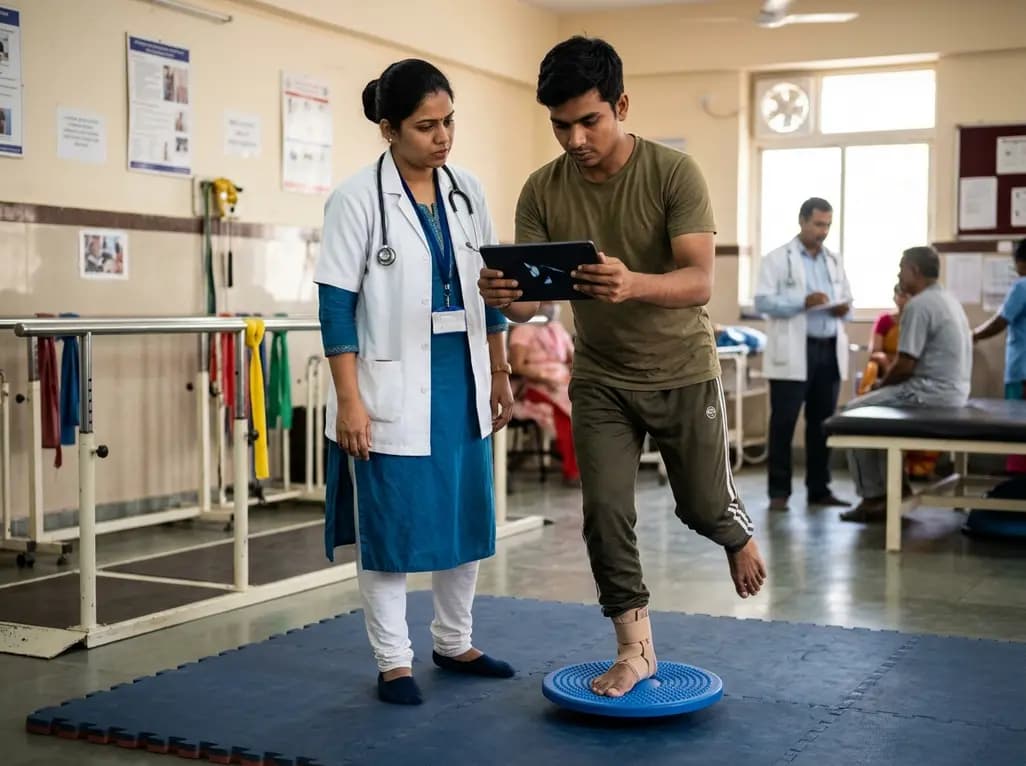
A randomized controlled trial demonstrates that an eight-week dual-task training intervention significantly improves static and dynamic postural control over standard balance exercises in individuals with chronic ankle instability, addressing critical neurocognitive deficits during athletic and daily activities.
Today

A retrospective cohort study of 7,716 ICU patients from the MIMIC-IV database demonstrates that Gradient Boosting Decision Trees significantly outperform traditional SOFA scores in predicting in-hospital mortality among patients with sepsis and diabetes, with SHAP analysis providing clinical interpretability.
Today
