.webp&w=384&q=75)

Loading, please wait...
Loading, please wait...

Immunotherapy has revolutionized cancer care, but it brings unique challenges. For instance, checkpoint inhibitor-associated autoimmune diabetes (CIADM) is a life-altering complication. Because this condition is potentially life-threatening, predicting it is essential for patient safety. In this context, recent research explores how clinicians might identify risk before therapy starts.
Wu et al. studied 14 patients who developed CIADM and compared them to 28 matched controls. The results showed that several factors are highly predictive. Specifically, patients who developed CIADM had a 27% smaller pancreatic volume at baseline. Furthermore, these patients displayed higher anti-GAD antibody levels even before their first dose. Consequently, these baseline markers offer a crucial window for early intervention.
Moreover, the study highlighted immune cell activation profiles. For example, at-risk patients had higher Th17 helper cell counts. Conversely, they showed significantly fewer naive CD4+ cells. As a result, the predictive model achieved an accuracy score (AUC) of over 0.96. Therefore, screening before treatment could soon become a standard practice in oncology.
Clearly, these findings have significant clinical value. First, doctors can triage high-risk patients for intensive glucose monitoring. Second, early detection helps prevent severe complications like diabetic ketoacidosis. Also, clinicians may adjust treatment plans for low-risk tumors when the risk of CIADM is high. Ultimately, these biomarkers improve the overall safety of immune checkpoint inhibitors.
It is a form of type 1 diabetes triggered by cancer immunotherapy. This condition results in a permanent loss of insulin production and requires lifelong management.
Research suggests using a combination of pancreatic volume measurements on CT scans and checking for specific islet autoantibodies, such as anti-GAD, before starting therapy.
Currently, CIADM is considered a permanent condition. Once the pancreatic beta cells are destroyed by the immune system, patients require continuous insulin therapy.
Disclaimer: This content is for informational and educational purposes only and does not constitute medical advice. Always seek the advice of a qualified healthcare provider with any questions regarding a medical condition. Refer to the latest local and national guidelines for clinical practice.
References

Read summarized clinical updates, watch expert medical content, and earn CME certifications right from your smartphone.
Open your smartphone camera to scan and install.





New research identifies biomarkers, including pancreatic volume and GAD antibodies, that predict autoimmune diabetes in ICI-treated cancer patients....
8 months ago

Recent epidemiological data reveals a dramatic surge in summer heat mortality driven by human-induced climate warming. This analysis explores the pathophysiological impacts on cardiac and renal systems, diagnostic dilemmas in death certification, and essential emergency cooling protocols for acute clinical care.
Today
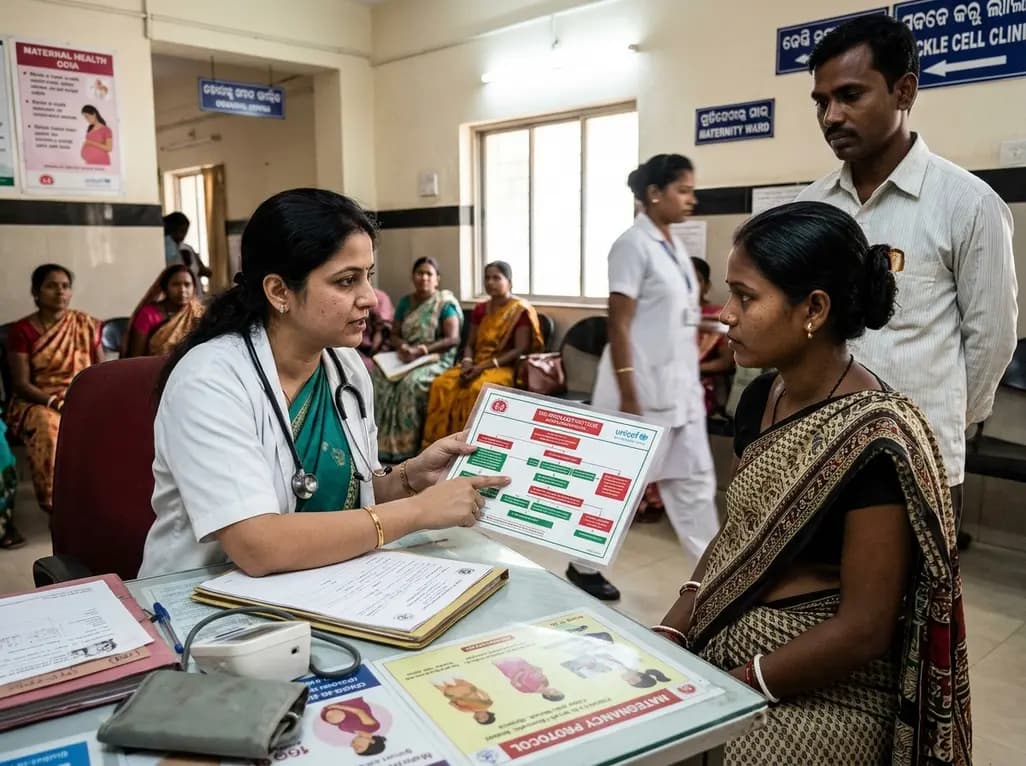
Odisha has established India's first state-level clinical protocol specifically tailored for pregnant women with sickle cell disease. Developed with NHM and UNICEF, the framework provides structured antenatal screening, crisis mitigation, standardized referral pathways, and specialized interdisciplinary care.
Today

India is advancing preventive healthcare by integrating genomics, artificial intelligence, and quantum technologies. With the SANGAM programme sequencing one million Indian genomes, clinicians can unlock personalized therapies, detect cardiometabolic risks early, and curb the burden of diabetes and heart disease.
Today
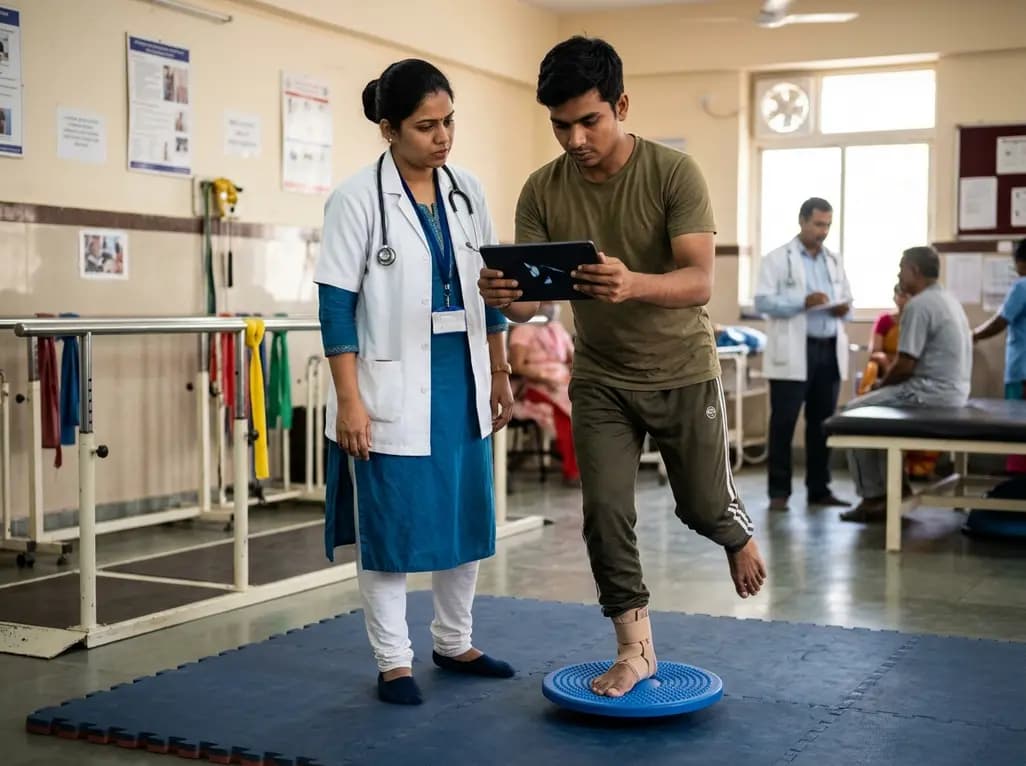
A randomized controlled trial demonstrates that an eight-week dual-task training intervention significantly improves static and dynamic postural control over standard balance exercises in individuals with chronic ankle instability, addressing critical neurocognitive deficits during athletic and daily activities.
Today

A retrospective cohort study of 7,716 ICU patients from the MIMIC-IV database demonstrates that Gradient Boosting Decision Trees significantly outperform traditional SOFA scores in predicting in-hospital mortality among patients with sepsis and diabetes, with SHAP analysis providing clinical interpretability.
Today
