.webp&w=384&q=75)

Loading, please wait...
Loading, please wait...

The ATTICA study, a landmark 20-year prospective cohort, recently revealed critical insights into the relationship between prediabetes and CVD risk. Researchers followed 1,796 adults who were initially free of cardiovascular disease and type 2 diabetes. This long-term analysis specifically compared individuals with impaired fasting glucose (IFG) to those with normal fasting glucose (NFG) over two decades. Consequently, the findings underscore the urgent need for early intervention in patients with elevated blood sugar levels.
Notably, the 20-year incidence of cardiovascular disease was significantly higher in the IFG group compared to the NFG group. Specifically, 41.1% of participants with prediabetes experienced a CVD event, whereas only 16.5% of those with normal glucose levels faced similar outcomes. Even after adjusting for traditional risk factors like age, sex, and lifestyle, IFG remained a potent independent predictor of future heart health. This highlights that the danger to the vascular system begins long before a formal diabetes diagnosis occurs.
In the Indian context, where the ICMR-INDIAB study estimates that over 136 million individuals have prediabetes, these findings are particularly alarming. The ATTICA results show that all participants with IFG eventually progressed to type 2 diabetes during the follow-up. However, the increased cardiovascular risk persisted regardless of this progression. Therefore, clinicians must prioritize aggressive lifestyle modifications and regular screening for all patients presenting with impaired fasting glucose.
Furthermore, managing comorbid conditions such as hypertension and dyslipidemia is essential. Since prediabetes often clusters with other metabolic disturbances, a holistic approach is necessary. By addressing glucose levels early through diet and exercise, healthcare providers can potentially mitigate the long-term burden of heart disease in at-risk populations. Consistent monitoring ensures that silent metabolic shifts do not lead to irreversible cardiac damage.
Yes, research shows that impaired fasting glucose is an independent predictor of cardiovascular events. The risk of heart disease increases significantly even before a patient develops full-blown type 2 diabetes.
The 20-year follow-up provides a rare long-term view of how early metabolic changes affect heart health. It proves that the cardiovascular impact of prediabetes is sustained and substantial over a person's lifetime.
According to the ICMR-INDIAB study, approximately 136 million people in India are living with prediabetes, making it a major public health challenge for the country.
Disclaimer: This content is for informational and educational purposes only. It does not constitute medical advice or a substitute for professional healthcare consultation. Refer to the latest local and national guidelines for clinical practice.
References
Papazachariou A et al. Prediabetes and 20-year cardiovascular disease incidence: the ATTICA cohort study (2002-2022). Eur J Prev Cardiol. 2026 Mar 23. doi: undefined. PMID: 41866334.
Anjana RM, et al. Metabolic non-communicable disease health report of India: the ICMR-INDIAB national cross-sectional study (Phase 1). The Lancet Diabetes & Endocrinology. 2023;11(7):474-489.
Cai X, et al. Association between prediabetes and risk of all cause mortality and cardiovascular disease: updated meta-analysis. BMJ. 2020;370:m2297.

Read summarized clinical updates, watch expert medical content, and earn CME certifications right from your smartphone.
Open your smartphone camera to scan and install.





A 20-year follow-up study reveals that impaired fasting glucose significantly increases cardiovascular risk, independent of progression to diabetes....
7 months ago
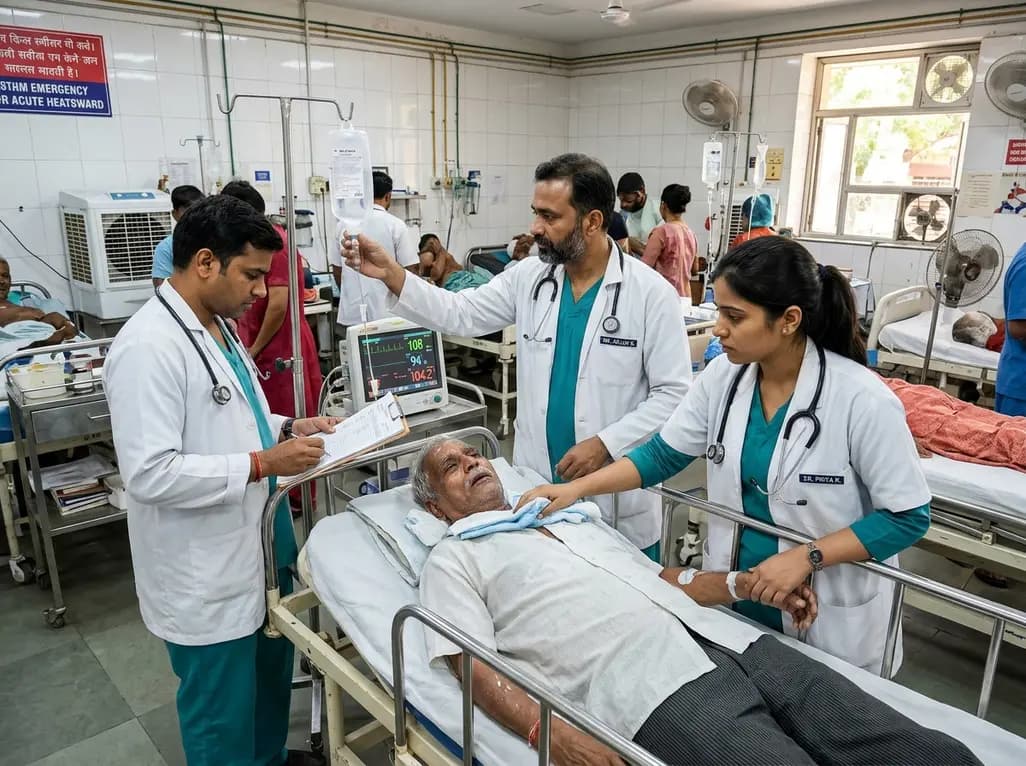
Recent epidemiological data reveals a dramatic surge in summer heat mortality driven by human-induced climate warming. This analysis explores the pathophysiological impacts on cardiac and renal systems, diagnostic dilemmas in death certification, and essential emergency cooling protocols for acute clinical care.
Today
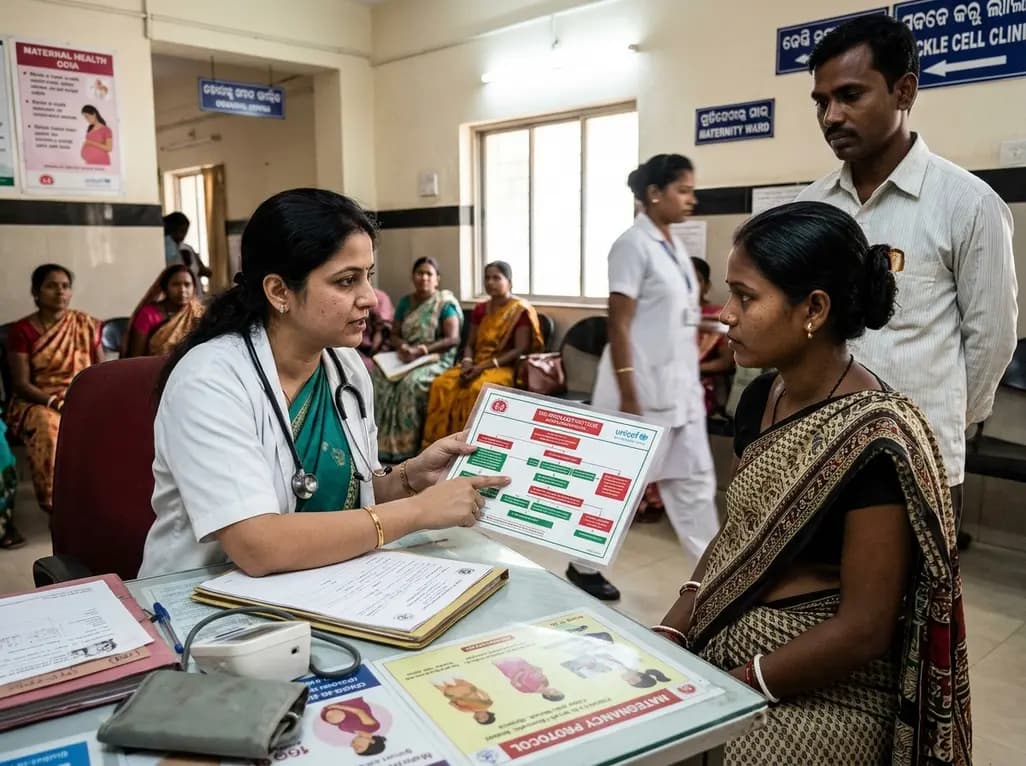
Odisha has established India's first state-level clinical protocol specifically tailored for pregnant women with sickle cell disease. Developed with NHM and UNICEF, the framework provides structured antenatal screening, crisis mitigation, standardized referral pathways, and specialized interdisciplinary care.
Today

India is advancing preventive healthcare by integrating genomics, artificial intelligence, and quantum technologies. With the SANGAM programme sequencing one million Indian genomes, clinicians can unlock personalized therapies, detect cardiometabolic risks early, and curb the burden of diabetes and heart disease.
Today

A randomized controlled trial demonstrates that an eight-week dual-task training intervention significantly improves static and dynamic postural control over standard balance exercises in individuals with chronic ankle instability, addressing critical neurocognitive deficits during athletic and daily activities.
Today

A retrospective cohort study of 7,716 ICU patients from the MIMIC-IV database demonstrates that Gradient Boosting Decision Trees significantly outperform traditional SOFA scores in predicting in-hospital mortality among patients with sepsis and diabetes, with SHAP analysis providing clinical interpretability.
Today
