

Loading, please wait...
Loading, please wait...

Modern cancer medicine is undergoing a transformative transition. Today, precision oncology enables clinicians to understand the specific biological mechanisms driving malignant cell proliferation. Rather than treating tumors solely based on anatomical origin, oncologists evaluate complex genomic profiles. However, true therapeutic success requires more than cutting-edge scientific innovation. Treatment choices must improve survival, minimize toxicity, and protect overall patient well-being. Furthermore, clinicians must integrate compassionate care into every clinical decision. When clinicians combine advanced molecular diagnostics with empathy, cancer therapy becomes significantly more effective and humane.
Precision oncology fundamentally alters how clinicians approach complex neoplastic diseases. In traditional practice, systemic therapy followed rigid anatomical tumor classifications. In contrast, modern molecular diagnostics uncover distinctive actionable mutations, copy number variations, and epigenetic shifts across diverse histologies. Consequently, two patients with identical histology may require completely divergent systemic regimens. Next-generation sequencing and comprehensive liquid biopsies now provide unprecedented insights into tumor biology.
However, clinicians must not order genomic panels indiscriminately without clear therapeutic utility. An extensive molecular profile is beneficial only when it directly informs evidence-based management decisions. Therefore, oncologists must evaluate every genomic variant against validated clinical trials and established professional consensus guidelines. Furthermore, clinicians must weigh anticipated therapeutic gains against financial toxicity and potential adverse drug reactions. Unnecessary testing often creates diagnostic confusion rather than practical therapeutic clarity. For instance, identifying a variant without an accessible targeted agent offers little immediate clinical benefit. Consequently, thoughtful diagnostic stewardship remains the cornerstone of modern precision therapy. Ultimately, judicious testing ensures that patients receive therapies tailored to their unique disease drivers without undue physical or financial hardship. In addition, multidisciplinary tumor boards provide an ideal forum to interpret these complex molecular markers. Thus, collaborative review ensures that every targeted intervention aligns with rigorous clinical evidence.
In oncology, novel therapeutic interventions frequently generate significant enthusiasm among clinicians and patients alike. Nevertheless, practitioners must distinguish between exciting laboratory findings and validated clinical efficacy. A promising in vitro discovery does not automatically translate into improved overall survival. Moreover, the newest or most expensive intervention is not necessarily the superior clinical choice. Therefore, medical oncologists must maintain a critical, evidence-based mindset when evaluating emerging targeted agents.
This discerning perspective is especially vital when managing rare malignancies and complex sarcomas. In these rare presentations, standard clinical guidelines often provide limited definitive guidance. Consequently, treating teams must rely on thorough histopathological review, immunohistochemistry, and targeted genetic sequencing. Furthermore, multidisciplinary case conferences help synthesize complex diagnostic data into clear clinical recommendations. Honest communication regarding diagnostic uncertainty is equally essential during patient consultations. Clinicians should openly discuss therapeutic benefits, realistic response probabilities, and potential treatment toxicities. Hope represents an indispensable component of oncological care. However, clinicians must firmly anchor therapeutic hope in empirical evidence rather than unsubstantiated claims. In doing so, healthcare providers protect vulnerable patients from ineffective therapies and misleading expectations. Similarly, transparent decision-making fosters enduring trust between families and oncology teams throughout difficult treatment journeys. Ultimately, sound clinical judgment must always guide therapeutic choices over sheer novelty.
Immunotherapy and antibody-drug conjugates have revolutionized the management of several difficult advanced solid tumors. Specifically, immune checkpoint inhibitors provide durable responses across melanoma, lung cancer, and select gastrointestinal malignancies. However, the real-world impact of these innovations depends entirely on broad clinical accessibility. A scientific breakthrough offers little therapeutic value if socioeconomic barriers prevent patients from receiving it. Therefore, oncological societies must champion initiatives that lower financial barriers and expand access to novel medications.
In addition, successful therapy requires reliable biomarker evaluation to optimize patient selection. Clinicians must accurately assess biomarkers such as programmed death-ligand 1, microsatellite instability, and tumor mutational burden. When doctors identify the correct molecular markers, treatment efficacy increases substantially. Furthermore, clinical trials must actively recruit diverse patient cohorts from varied demographic and socioeconomic backgrounds. Global clinical trial data historically underrepresented populations from low- and middle-income regions. Consequently, clinical recommendations derived from foreign populations may not fully reflect local pharmacogenomic variations. Active participation in international consensus panels helps bridge these regional evidence gaps. Moreover, national oncology networks empower clinicians to standardize immunotherapy administration and toxicity protocols across diverse institutions. In addition, expanding access to biosimilars and indigenous targeted molecules will improve therapy completion rates significantly. Thus, dedicated collaborative efforts ensure that groundbreaking therapies benefit broader patient populations globally.
Malignant disease profoundly impacts emotional health, financial stability, personal relationships, and professional identity. Therefore, oncologists must evaluate the whole individual rather than focusing solely on tumor regression. For example, adolescent and young adult patients frequently experience intense anxiety regarding fertility preservation and career disruption. Similarly, working-age patients often struggle with altered body image, treatment-related fatigue, and employment challenges. In contrast, elderly cancer patients often prioritize daily functional independence and cognitive preservation over aggressive disease eradication.
Consequently, comprehensive supportive care must begin at the initial diagnosis rather than waiting for palliative indications. Psychological counselling, nutritional guidance, pain management, and dedicated survivorship planning should accompany active oncological therapies. Furthermore, doctors must actively engage patients in shared decision-making conversations. Clinicians should explore what outcomes matter most to each patient before selecting intensive regimens. Extending survival remains a primary objective in oncology. However, clinicians must also value the lived experience and comfort of those additional years. When doctors overlook quality of life, therapy can impose disproportionate physical and emotional suffering. In addition, structured survivorship clinics provide continuous support as patients transition beyond active cancer therapies. Ultimately, empathetic communication strengthens the doctor-patient relationship and enhances treatment compliance. Compassion remains an indispensable element of clinical excellence in modern oncological practice.
India presents unique opportunities and challenges in the rapidly evolving global oncology ecosystem. The country possesses a remarkably diverse patient cohort, exceptional clinical talent, and expanding genomic facilities. Consequently, Indian medical centers can generate crucial real-world data that enriches global oncology knowledge. Rather than simply adopting Western treatment guidelines, Indian researchers must lead original clinical investigations. In particular, local researchers must investigate population-specific genetic alterations, unique tumor biologies, and cost-effective treatment regimens.
Furthermore, emerging artificial intelligence platforms offer immense potential to assist clinical decision-making across high-volume tertiary hospitals. Algorithmic tools can accelerate genomic data interpretation, identify rare driver mutations, and assist pathology workflows. However, technological innovations must remain firmly tethered to rigorous clinical validation and sound medical judgment. Data algorithms cannot replace the nuanced clinical assessment of an experienced treating physician. Moreover, expanding indigenous research infrastructure requires robust multi-institutional collaboration across academic institutions and community clinics. Through focused training programs and academic registries, organizations like the Immuno-Oncology Society of India strengthen domestic research capacity. In addition, these initiatives empower young oncologists to participate actively in international scientific dialogues. Furthermore, investing in domestic clinical trials provides local populations with direct access to advanced medical breakthroughs. Ultimately, contextualized clinical research will ensure that therapeutic progress remains equitable, affordable, and clinically meaningful for every patient.
Q1: How does precision oncology differ from standard cancer treatment approaches?
Traditional cancer treatments rely primarily on the anatomical origin and microscopic appearance of the tumor. In contrast, precision oncology analyzes specific genetic mutations, protein biomarkers, and immune signatures driving malignant progression. This approach enables clinicians to match patients with targeted therapies and immunotherapies that specifically attack tumor cells. Consequently, therapy becomes more effective, while unnecessary toxicity from broad systemic treatments is substantially minimized.
Q2: Why should clinicians avoid prescribing novel targeted therapies based solely on genomic findings?
A positive genomic alteration does not guarantee that a corresponding targeted therapy will produce meaningful clinical improvement. Furthermore, off-label medications often carry significant toxicity risks and excessive financial burdens for families. Therefore, clinicians must critically interpret molecular results against rigorous evidence from prospective clinical trials. Treatment choices must prioritize interventions with demonstrated survival benefits, rather than relying on laboratory novelty or untested hypotheses.
Q3: How does integrating supportive care early in treatment improve patient outcomes?
Cancer therapy alters physical function, emotional health, personal relationships, and professional identity throughout every phase of illness. Integrating supportive care early addresses critical issues like symptom burden, nutritional decline, psychological distress, and fertility concerns. Furthermore, this proactive approach empowers patients to adhere to complex therapeutic regimens. By aligning clinical interventions with personal values, clinicians preserve overall quality of life while pursuing optimal survival outcomes.
Disclaimer: This content is for informational and educational purposes only. It does not constitute medical advice or replace professional judgment. Refer to the latest local and national guidelines for clinical practice.
References

Read summarized clinical updates, watch expert medical content, and earn CME certifications right from your smartphone.
Open your smartphone camera to scan and install.





Modern cancer care increasingly integrates genomic profiling and targeted therapy with compassionate clinical practice. Learn how leading oncologists leverage biological insights, multidisciplinary tumor boards, and patient-centered communication to optimize outcomes while maintaining essential quality of life.
Today
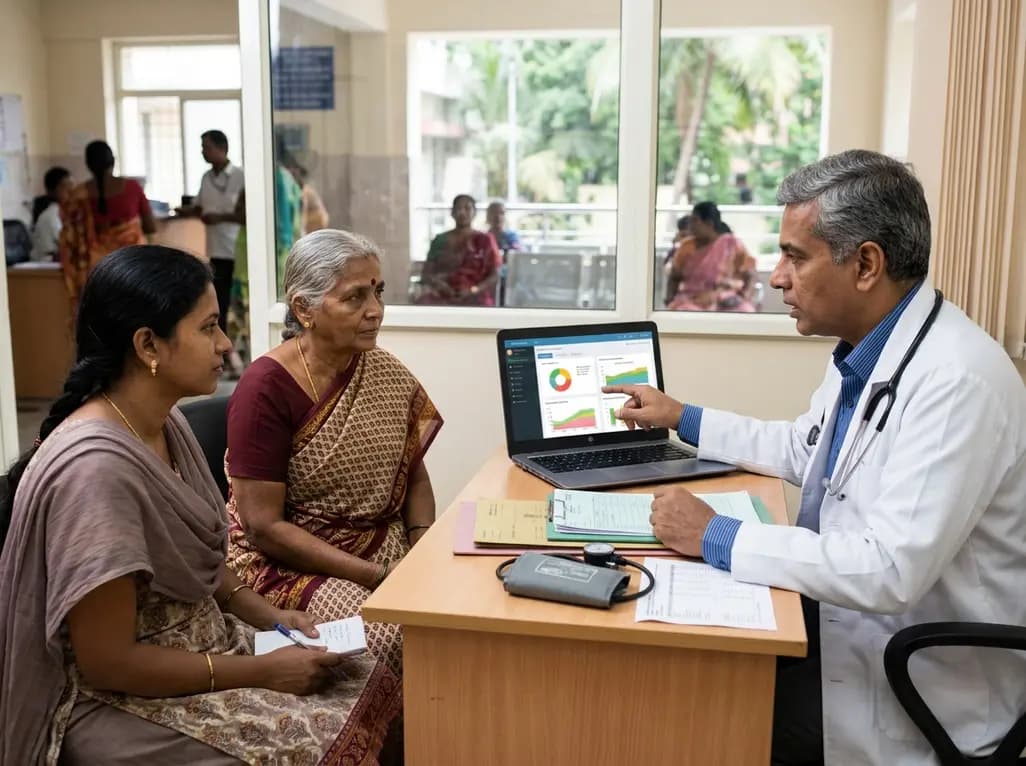
As digital nutrition platforms and automated diet algorithms expand into chronic disease management, clinicians must prioritize verified biochemical outcomes over user engagement metrics. Learn how medical oversight, culturally tailored nutrition, and comprehensive testing safeguard long-term patient health.
Today

The GESS-AEEM consensus establishes a clear clinical implementation framework for testosterone therapy in postmenopausal women with hypoactive sexual desire disorder, focusing on transdermal dosing, precise laboratory monitoring, and safety communication.
Today
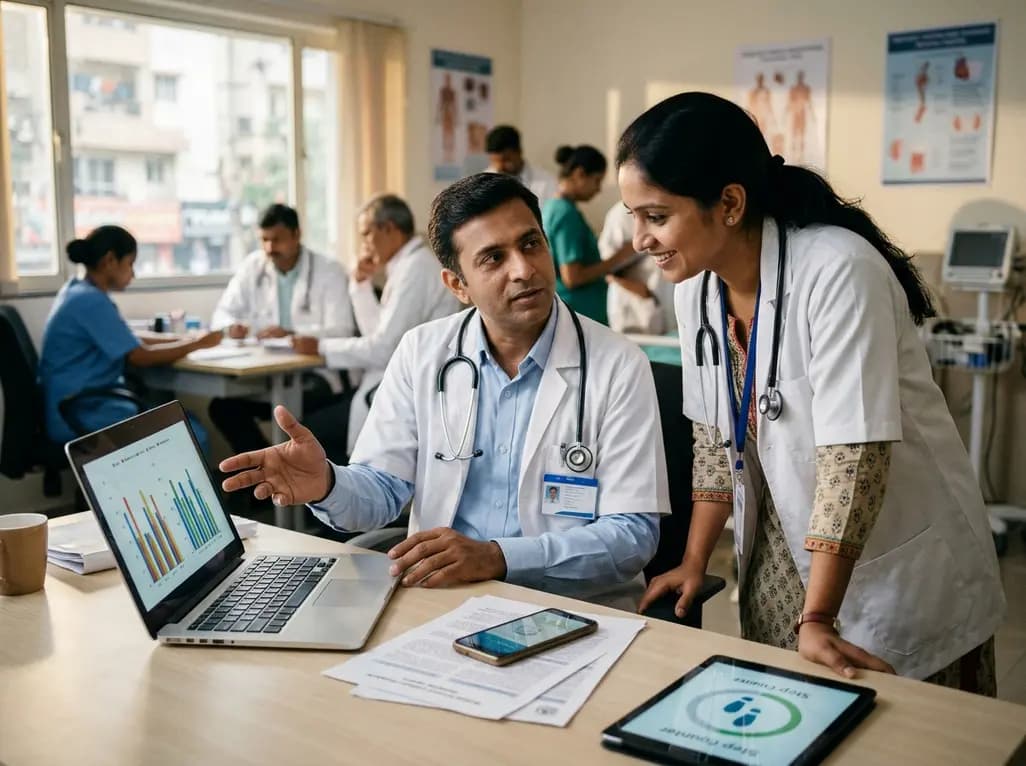
A Bayesian component network meta-analysis of 130 RCTs reveals that self-monitoring and gamification provide the clearest positive effects in mHealth physical activity interventions, while social comparison may have adverse psychological trade-offs.
Today
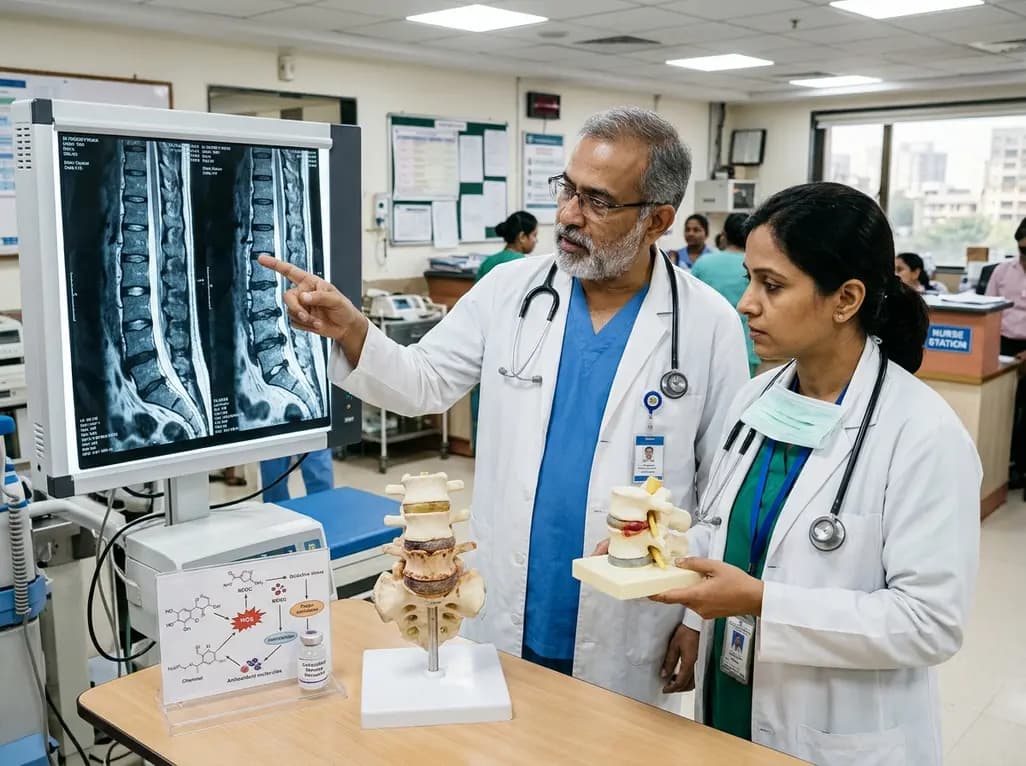
Intervertebral disc degeneration is a primary driver of chronic low back pain. Emerging evidence highlights reactive oxygen species and redox imbalance as central mechanisms. Targeted antioxidant strategies and biomaterial delivery systems offer promising disease-modifying therapies for spine health.
Today
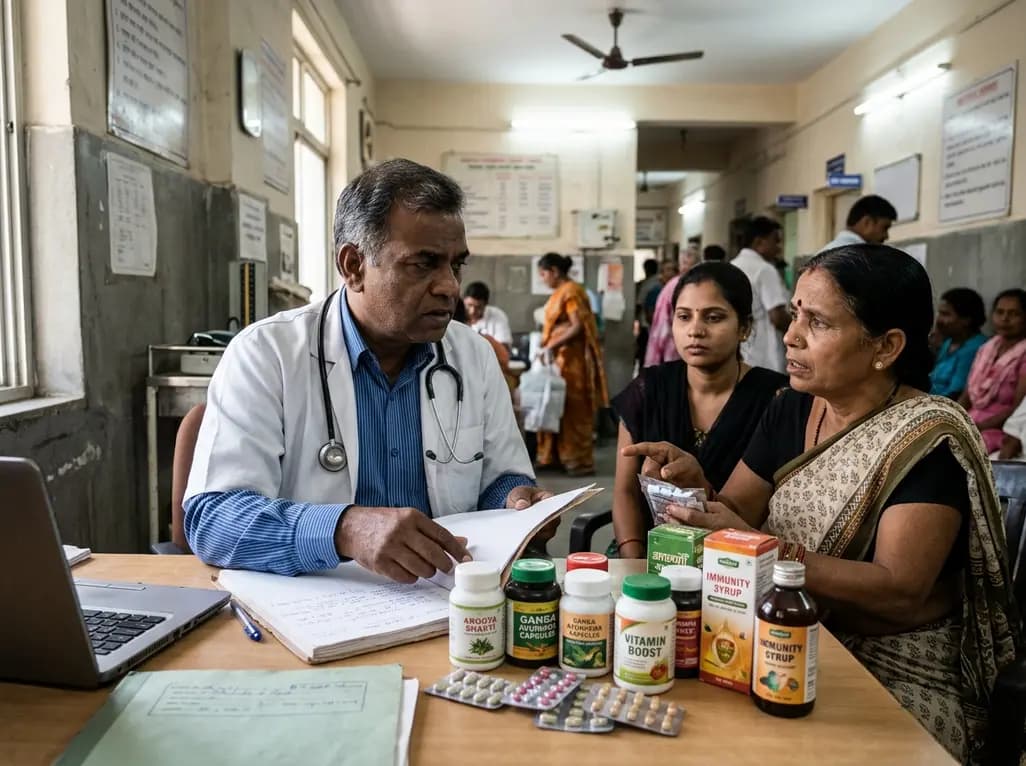
As India's supplement market approaches rapid expansion, medical experts warn of rampant unverified efficacy claims. Unmonitored over-the-counter formulations frequently risk drug-herb interactions, mask underlying chronic diseases, and complicate clinical care across primary and specialty medical settings.
Today
