

Loading, please wait...
Loading, please wait...
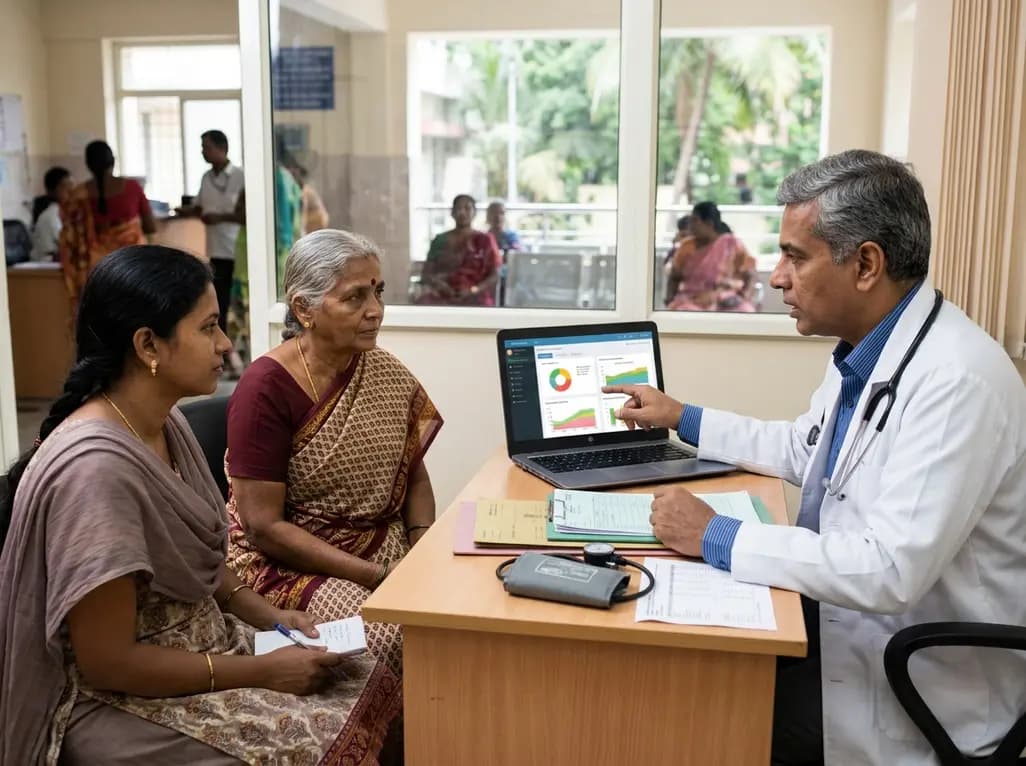
Digital nutrition applications and smart tracking tools are experiencing rapid commercial adoption across India. Today, many smartphone users rely on algorithmic guidance, logging meals and counting calories. However, modern healthcare providers must ask whether AI diet plans truly improve physiological markers or merely record user behavior. A patient may photograph meals daily without achieving meaningful metabolic health gains. Consequently, clinicians must critically evaluate automated platforms before recommending them for chronic disease management.
Digital nutrition companies frequently highlight app downloads, meal log frequency, and user engagement metrics as evidence of success. However, high platform activity does not guarantee meaningful physiological recovery. For instance, a patient managing type 2 diabetes might record every consultation while glycemic parameters worsen. Therefore, clinicians must distinguish between active application usage and genuine clinical transformation.
Commercial platforms often celebrate user adherence to logging routines. Nevertheless, tracking food intake fails to reveal whether an individual corrects micronutrient deficiencies or preserves lean muscle mass. Clinicians require hard objective evidence rather than digital vanity metrics. Specifically, therapeutic success demands consistent improvements in glycated hemoglobin, blood pressure, and fasting insulin levels.
In addition, digital interventions must demonstrate reproducible benefits across broad demographic groups. Many automated programs report high satisfaction scores during short promotional periods. Yet, these satisfaction ratings rarely correlate with reduced cardiovascular events or kidney protection. Consequently, medical professionals should demand rigorous clinical validation before endorsing app-based dietary regimens. Meaningful health outcomes require clear biochemical improvements, sustained behavioral adjustments, and verifiable lifestyle progress over prolonged evaluation periods.
Managing chronic conditions demands sophisticated physiological understanding and nuanced medical oversight. For this reason, evaluating AI diet plans in chronic disease care requires profound clinical scrutiny. Standardized algorithms frequently generate dietary recommendations without accounting for complex medical histories, polypharmacy, or underlying kidney dysfunction. For example, an automated application might recommend potassium-rich foods to a diabetic patient without recognizing concurrent renal insufficiency.
Furthermore, pharmacotherapy significantly affects nutritional requirements and vice versa. An algorithm that abruptly reduces carbohydrate intake without adjusting insulin dosage creates substantial hypoglycemia risks. Therefore, automated interventions must operate under strict supervision from qualified physicians and registered clinical dietitians. Algorithms should assist healthcare professionals instead of replacing experienced medical judgment.
Similarly, chronic conditions such as non-alcoholic fatty liver disease, hypertension, and obesity require multifaceted care protocols. Isolated nutritional adjustments rarely provide lasting resolution when lifestyle habits remain chaotic. A comprehensive clinical team must supervise patient trajectory, ensuring that nutritional changes align safely with active prescriptions. Ultimately, artificial intelligence functions best as a digital co-pilot that flags dietary deviations. Human clinicians must retain final authority over diagnostic interpretations, therapeutic changes, and patient care pathways.
India presents unprecedented cultural and dietary diversity that standard commercial algorithms frequently misinterpret. Western nutrition databases often dominate machine learning models, leading to inappropriate recommendations for local populations. For instance, an algorithm trained on Western diets may struggle with regional Indian staples like millets, pulses, and cold-pressed mustard oil. Consequently, automated meal suggestions often feel alien, unaffordable, or culturally unacceptable to local patients.
Moreover, Indian thalis exhibit distinct regional preparation styles, varying carbohydrate-to-protein ratios, and intricate spice blends. A generic calorie-counting algorithm cannot accurately estimate cooked gravies, local flatbread varieties, or home-cooked lentil curries. Therefore, automated dietary tools risk providing wildly inaccurate macronutrient calculations to Indian users. Inaccurate macronutrient data compromises glycemic control, particularly for patients requiring precise carbohydrate counting.
Furthermore, dietary adherence collapses when programs ignore local culinary traditions and family social dynamics. If a platform insists on drastic lifestyle alterations without considering regional preferences, patient disengagement quickly follows. Recommendations must remain culturally practical, economically accessible, and gastronomically familiar. As a result, software developers must collaborate closely with Indian nutrition experts to curate localized, validated food composition databases that reflect real culinary habits.
Patient adherence remains an enduring obstacle across digital health interventions. Initial enthusiasm usually fades as daily obligations, work stress, and financial constraints intervene. However, digital health companies frequently classify disengaged individuals merely as inactive accounts rather than treatment dropouts. Consequently, published company reports often present an artificially inflated portrait of therapeutic success.
For example, a platform claiming a seventy percent success rate often evaluates only participants who completed the intervention. Such reporting conveniently ignores individuals who abandoned the program due to lack of progress or impractical requirements. Therefore, medical professionals must scrutinize published commercial studies for severe survivorship bias. Genuine clinical trials must account for all enrolled subjects through rigorous intention-to-treat analysis.
In addition, missing clinical data should never simply disappear from outcome summaries. Transparent digital health reporting requires platforms to disclose original enrollment figures, completion rates, and comprehensive follow-up numbers. Furthermore, short eight-week observation windows cannot confirm lasting lifestyle modification. Clinicians understand that true metabolic resilience requires continuous maintenance over six to twelve months. Without long-term follow-up data, short-term weight reductions provide little reassurance regarding durable health improvements or chronic disease prevention.
The modern commercial wellness industry relies heavily on total body weight as the supreme measure of progress. Weight tracking is undeniably simple to quantify, visualize, and advertise to prospective customers. However, absolute weight loss fails to provide a comprehensive assessment of nutritional health. For instance, rapid caloric restriction often causes dangerous loss of skeletal muscle mass rather than visceral fat loss.
Moreover, an individual might see negligible scale changes while achieving remarkable improvements in metabolic health. Increased physical training can boost muscle hypertrophy while simultaneous fat reduction stabilizes total weight. Therefore, digital platforms should measure body composition, waist circumference, and visceral fat distribution instead of isolated kilograms. In India, where normal-weight individuals often harbor severe metabolic dysfunction, reliance on bathroom scales proves particularly deceptive.
Consequently, clinicians must guide patients away from obsessive weight tracking toward comprehensive biomarker monitoring. Routine laboratory assessments must evaluate fasting blood glucose, lipid fractions, hepatic enzymes, and systemic inflammatory markers like high-sensitivity C-reactive protein. Furthermore, micronutrient status, including vitamin D, ferritin, and vitamin B12 levels, requires regular clinical surveillance. Nutritional health encompasses functional stamina, glycemic stability, and biochemical integrity rather than simple numerical reduction on a scale.
Integrating digital nutrition into mainstream clinical care demands robust regulatory safeguards and institutional accountability. While technology automates routine tracking tasks, it cannot replace the nuanced perspective of multidisciplinary clinical teams. For example, managing complicated metabolic syndromes requires harmonized collaboration among endocrinologists, dietitians, behavioral psychologists, and exercise physiologists. Interventions delivered in professional isolation frequently miss critical physiological warning signs.
Furthermore, commercial conflicts of interest frequently compromise digital health integrity. Many consumer nutrition platforms aggressively cross-sell unverified proprietary dietary supplements, meal replacement shakes, and costly subscription tiers. Therefore, clinical decision-making must remain strictly independent of corporate sales quotas and advertising agendas. Clinicians must verify that automated recommendations prioritize physiological necessity rather than commercial monetization.
Additionally, industry leaders and regulatory authorities must establish standardized clinical benchmarks for digital nutrition platforms. Clear national guidelines should dictate software validation standards, data privacy protections, and minimum credentialing requirements for accompanying health coaches. Transparent reporting of algorithmic limitations protects vulnerable patients from misleading claims. Ultimately, technological innovation must support clinical safety, ethical transparency, and evidence-based medicine to earn lasting trust within modern healthcare systems.
Q1: Why is weight loss alone an inadequate metric for evaluating digital nutrition interventions?
Weight loss alone is an inadequate metric because it fails to differentiate between fat reduction and muscle depletion. For instance, rapid caloric restriction often triggers skeletal muscle wasting and micronutrient deficiencies without improving cardiometabolic health. Furthermore, patients with normal body mass indices can still exhibit severe visceral adiposity and insulin resistance. Therefore, clinicians require comprehensive metabolic markers, including lipid profiles, HbA1c, and waist circumference, to evaluate true clinical improvement accurately.
Q2: How do standard AI dietary algorithms struggle with regional Indian food habits?
Standard AI dietary algorithms struggle with Indian food habits because they rely predominantly on Western nutritional databases. Consequently, they miscalculate calories, fiber, and macronutrients in regional preparations, gravies, and mixed-flour flatbreads. Furthermore, generic algorithms often recommend unfamiliar, costly ingredients that clash with traditional culinary cultures. For sustainable dietary adherence, automated platforms must integrate localized Indian food databases that accommodate regional grains, seasonal produce, and complex home cooking methods.
Q3: What role should clinicians play when patients use digital nutrition platforms?
Clinicians should maintain active oversight and establish primary authority over all medical diagnoses, therapeutic goals, and medication titrations. While digital nutrition platforms provide convenient meal logging and behavioural prompts, algorithms cannot detect subtle drug-nutrient interactions or organ dysfunction. Therefore, physicians must interpret digital data within the patient’s complete clinical context, coordinate multidisciplinary support with certified dietitians, and ensure automated recommendations do not compromise pharmacological safety.
Disclaimer: This content is for informational and educational purposes only. It does not constitute medical advice or replace professional judgment. Refer to the latest local and national guidelines for clinical practice.
References

Read summarized clinical updates, watch expert medical content, and earn CME certifications right from your smartphone.
Open your smartphone camera to scan and install.





As digital nutrition platforms and automated diet algorithms expand into chronic disease management, clinicians must prioritize verified biochemical outcomes over user engagement metrics. Learn how medical oversight, culturally tailored nutrition, and comprehensive testing safeguard long-term patient health.
Today

The GESS-AEEM consensus establishes a clear clinical implementation framework for testosterone therapy in postmenopausal women with hypoactive sexual desire disorder, focusing on transdermal dosing, precise laboratory monitoring, and safety communication.
Today

A Bayesian component network meta-analysis of 130 RCTs reveals that self-monitoring and gamification provide the clearest positive effects in mHealth physical activity interventions, while social comparison may have adverse psychological trade-offs.
Today
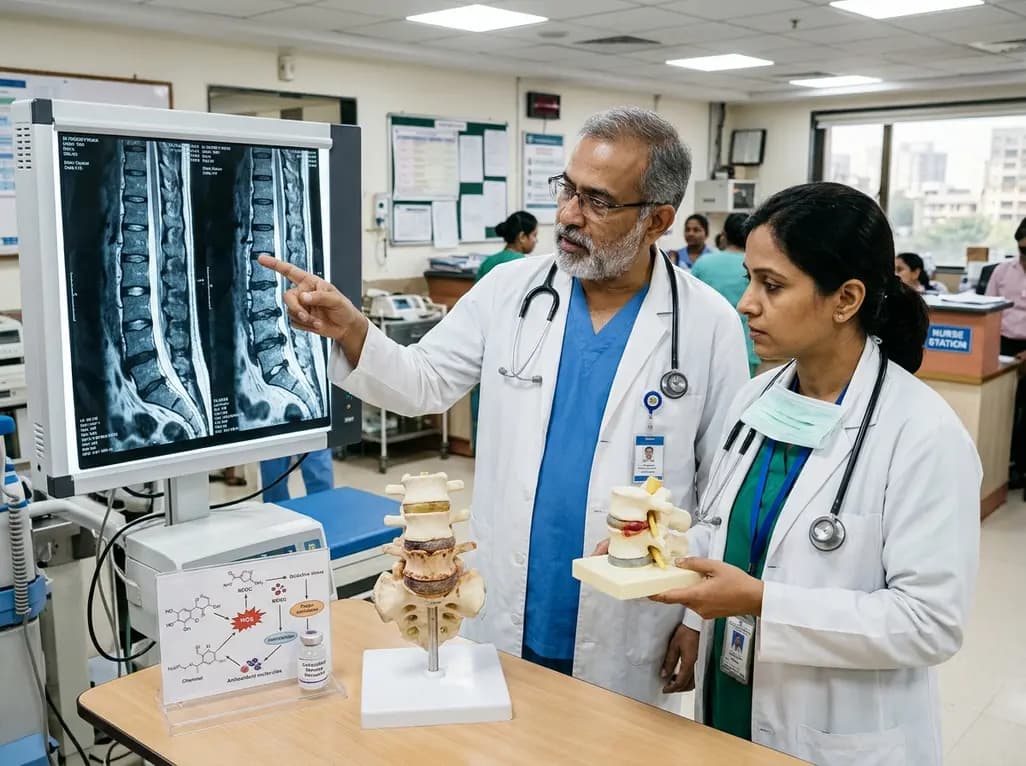
Intervertebral disc degeneration is a primary driver of chronic low back pain. Emerging evidence highlights reactive oxygen species and redox imbalance as central mechanisms. Targeted antioxidant strategies and biomaterial delivery systems offer promising disease-modifying therapies for spine health.
Today

As India's supplement market approaches rapid expansion, medical experts warn of rampant unverified efficacy claims. Unmonitored over-the-counter formulations frequently risk drug-herb interactions, mask underlying chronic diseases, and complicate clinical care across primary and specialty medical settings.
Today
