.webp&w=384&q=75)

Loading, please wait...
Loading, please wait...

Postoperative panophthalmitis represents one of the most severe complications following vitreoretinal surgery, especially when the globe contains silicone oil. Consequently, a recent case report details a rare progression from endophthalmitis to panophthalmitis in a 42-year-old woman. Although silicone oil usually acts as a barrier to infection, this case highlights that vision-threatening inflammation can still transcend the intraocular space. Indeed, the patient presented two weeks post-pars plana vitrectomy with symptoms like rapidly progressive ocular pain and periocular swelling. Furthermore, clinical findings also included proptosis and restricted extraocular motility. As a result, B-scan ultrasonography confirmed dense inflammatory opacities within the silicone oil-filled vitreous cavity. Moreover, despite aggressive broad-spectrum antibiotics, the visual outcome remained poor. Because the infection spread rapidly, the eye progressed toward a pre-phthisical state.
Managing postoperative panophthalmitis in eyes filled with silicone oil involves significant technical hurdles. Specifically, diagnostic sampling is more difficult through heavy tamponades. Additionally, the presence of silicone oil may alter the distribution and clearance of intravitreal antibiotics. Therefore, clinicians must maintain a high index of suspicion when inflammatory symptoms emerge post-vitrectomy. Similarly, the literature review confirms that visual outcomes for these patients often remain guarded. However, early intervention remains the cornerstone of any attempt at eye salvage. In conclusion, while rare, this condition requires immediate and multidisciplinary attention. Thus, physicians should carefully monitor high-risk patients following complex retinal procedures.
Endophthalmitis involves inflammation of the internal coats of the eye, whereas panophthalmitis extends to the entire globe and the surrounding orbital tissues.
Silicone oil acts as a physical barrier that compartmentalizes the eye and possesses certain antimicrobial properties against common pathogens.
Treatment typically involves systemic and intravitreal broad-spectrum antibiotics, though surgical removal of the silicone oil may sometimes be necessary to clear the infection.
Disclaimer: This content is for informational and educational purposes only and does not constitute medical advice or a professional relationship. Always seek the advice of a physician or other qualified health provider with any questions you may have regarding a medical condition. Refer to the latest local and national guidelines for clinical practice.
References
1. AlTahan FA et al. Postoperative Panophthalmitis in a Silicone Oil-Filled Eye: A Case Report and Review of the Literature. Ocul Immunol Inflamm. 2026 May 28. doi: 10.1080/09273948.2026.2681735. PMID: 42207563.
2. Moutei H et al. Challenges and Management Strategies for Endophthalmitis in Silicone Oil-filled Eyes: A Comprehensive Narrative Review. Journal of Advances in Medicine and Medical Research. 2025.
3. Yan H et al. Endophthalmitis in silicone oil-filled eye: A case report. World Journal of Clinical Cases. 2024;12(1):156-161.

Read summarized clinical updates, watch expert medical content, and earn CME certifications right from your smartphone.
Open your smartphone camera to scan and install.





A review of a rare case where endophthalmitis progressed to panophthalmitis in an eye filled with silicone oil, highlighting diagnostic and treatment hurdle...
4 months ago

Recent epidemiological data reveals a dramatic surge in summer heat mortality driven by human-induced climate warming. This analysis explores the pathophysiological impacts on cardiac and renal systems, diagnostic dilemmas in death certification, and essential emergency cooling protocols for acute clinical care.
Today
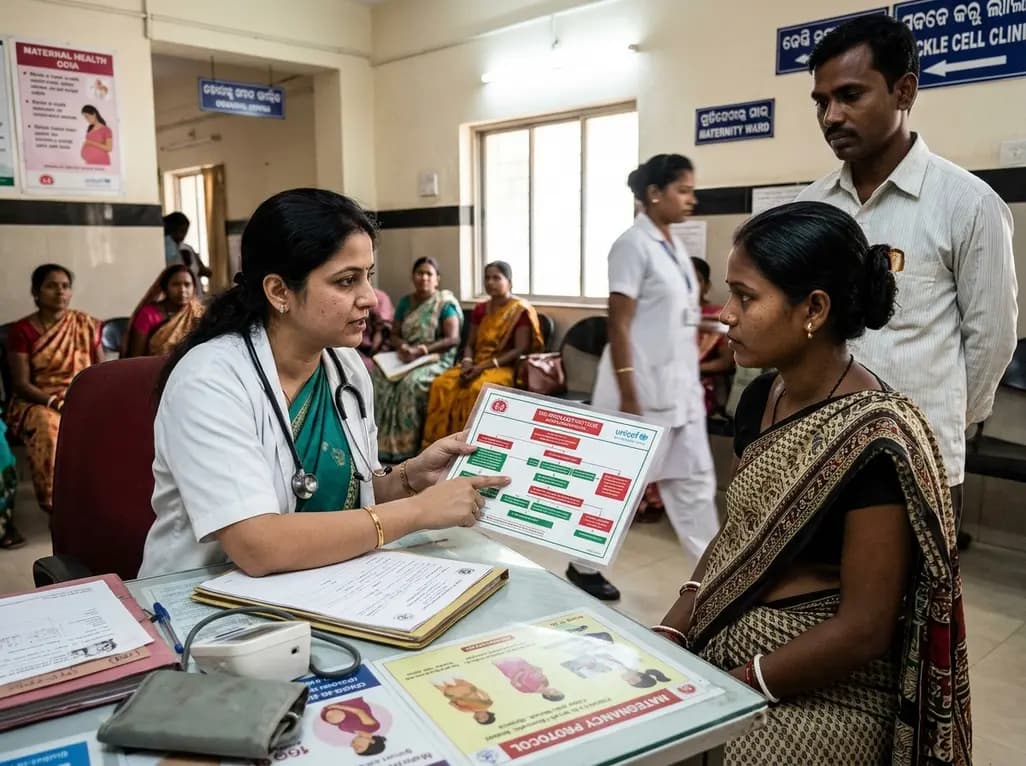
Odisha has established India's first state-level clinical protocol specifically tailored for pregnant women with sickle cell disease. Developed with NHM and UNICEF, the framework provides structured antenatal screening, crisis mitigation, standardized referral pathways, and specialized interdisciplinary care.
Today

India is advancing preventive healthcare by integrating genomics, artificial intelligence, and quantum technologies. With the SANGAM programme sequencing one million Indian genomes, clinicians can unlock personalized therapies, detect cardiometabolic risks early, and curb the burden of diabetes and heart disease.
Today
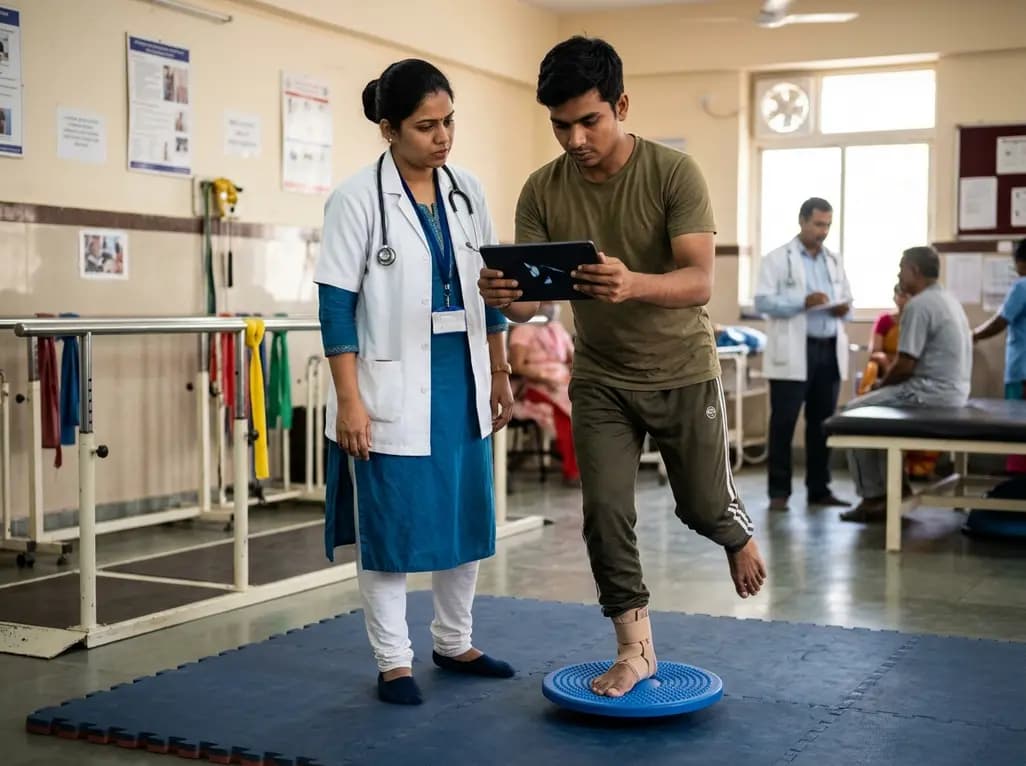
A randomized controlled trial demonstrates that an eight-week dual-task training intervention significantly improves static and dynamic postural control over standard balance exercises in individuals with chronic ankle instability, addressing critical neurocognitive deficits during athletic and daily activities.
Today

A retrospective cohort study of 7,716 ICU patients from the MIMIC-IV database demonstrates that Gradient Boosting Decision Trees significantly outperform traditional SOFA scores in predicting in-hospital mortality among patients with sepsis and diabetes, with SHAP analysis providing clinical interpretability.
Today
