.webp&w=384&q=75)

Loading, please wait...
Loading, please wait...

Chronic degenerative conditions of the lumbar spine cause significant disability and persistent pain across global populations. Consequently, many patients receive strong analgesics before undergoing elective surgical intervention. Managing postoperative opioid use remains a major challenge for surgical teams and anesthesiologists. Although spinal decompression and fusion aim to alleviate nerve compression, long-term analgesic dependence frequently persists. A comprehensive nationwide study from Denmark provides crucial epidemiological data regarding analgesic trajectories before and after spine operations.
Lumbar spinal disorders, such as lumbar spinal stenosis, spondylolisthesis, and lumbar disc herniation, cause substantial mechanical and neuropathic discomfort. Consequently, patients frequently seek medical care after nonsteroidal anti-inflammatory drugs and physical therapy fail to provide adequate relief. Physicians often prescribe opioid analgesics to bridge the gap before definitive surgery. However, chronic administration of opioids alters central pain processing pathways. This prolonged exposure can induce opioid-induced hyperalgesia and tolerance, which complicate subsequent acute pain management.
International treatment guidelines, including guidance from the World Health Organization, advise against long-term opioid therapy for nonmalignant degenerative spinal pain. Despite these clear recommendations, clinicians across several countries still prescribe these medications liberally. Therefore, surgical candidates frequently arrive in the operating room with substantial opioid exposure. This baseline consumption creates distinct challenges for intraoperative anesthetic management and postoperative rehabilitation pathways.
To examine real-world prescription patterns, Danish investigators evaluated 14,082 patients enrolled in the comprehensive DaneSpine registry between 2016 and 2022. The cohort included individuals who underwent lumbar spine surgery for spinal stenosis, disc herniation, and degenerative spondylolisthesis. The investigators analyzed patient-reported medication consumption both preoperatively and at twelve months postoperatively.
The study demonstrated an overall therapeutic benefit of surgical intervention on systemic analgesia requirements. Specifically, 36 percent of patients were taking prescription opioids before surgery. By twelve months following surgery, this proportion declined to 17 percent. This significant reduction underscores that surgical decompression and stabilization effectively relieve primary pain drivers in many patients. Nevertheless, nearly one-fifth of the surgical cohort continued to consume opioids one year after intervention, highlighting a persistent subgroup that requires dedicated clinical vigilance.
Understanding which patients remain on prolonged therapy allows surgical teams to design targeted interventions. In the DaneSpine analysis, preoperative analgesic consumption emerged as the strongest determinant of chronic postoperative opioid use. Patients using prescription opioids prior to surgery had markedly higher odds of remaining on these medications one year later compared to opioid-naive individuals.
In addition, demographic and procedural characteristics influenced prolonged consumption patterns. Patients undergoing surgery for chronic spinal stenosis and complex spondylolisthesis displayed higher sustained utilization rates than younger individuals treated for acute lumbar disc herniations. Furthermore, socioeconomic factors, psychological distress, and persistent baseline functional impairment contributed to extended use. Therefore, surgeons cannot rely on anatomical correction alone to terminate chronic analgesic therapy.
The findings from this nationwide investigation emphasize that successful structural decompression does not immediately eliminate established analgesic behaviors. Preoperative opioid consumption desensitizes central mu-opioid receptors and heightens postoperative pain sensitivity. Consequently, patients with preoperative dependency experience more severe acute postoperative pain and require escalating analgesic dosages during hospital recovery.
Surgical teams must proactively identify patients who take regular opioids during their initial outpatient consultation. Prehabilitation programs that incorporate structured opioid tapering before elective lumbar operations can significantly decrease the risk of prolonged dependence. Moreover, educating patients regarding realistic postoperative pain trajectories empowers them to participate actively in weaning schedules during the acute rehabilitation phase.
To reduce dependence on opioids, perioperative teams must embrace comprehensive multimodal analgesia protocols. Enhanced Recovery After Surgery pathways combine non-opioid pharmacotherapies with targeted regional anesthesia techniques. Administering scheduled paracetamol, selective cyclooxygenase-2 inhibitors, and membrane-stabilizing gabapentinoids attenuates surgical nociception without respiratory depression or gastrointestinal hypomotility.
Additionally, intraoperative adjuvants such as intravenous ketamine, lidocaine infusions, and alpha-2 adrenergic agonists reduce central sensitization and suppress acute opioid tolerance. Spine surgeons can also perform ultrasound-guided erector spinae plane blocks or local wound infiltration with long-acting local anesthetics. These interventions decrease immediate postoperative pain scores, facilitate rapid mobilization, and drastically curtail the volume of rescue narcotics required during the hospital stay.
In India, healthcare professionals face distinct circumstances regarding analgesic availability and regulatory supervision. Stringent enforcement under the Narcotic Drugs and Psychotropic Substances Act historically limited outpatient access to strong opioids. However, weak opioids like tramadol and combination analgesics remain readily accessible and frequently prescribed for degenerative spinal conditions.
Indian spine specialists must recognize that chronic exposure to tramadol or low-dose tapentadol can generate physiological tolerance similar to classic strong opioids. Furthermore, outpatient follow-up across regional tertiary centers is often fragmented, raising the possibility of unmonitored analgesic refills. Implementing coordinated discharge care, educating family caregivers, and utilizing non-pharmacological modalities such as targeted physiotherapy can safeguard patients from long-term medication dependence.
The nationwide DaneSpine study demonstrated that prescription opioid usage dropped significantly from 36 percent preoperatively to 17 percent at one year following lumbar spine surgery. This confirms substantial clinical improvement across the cohort, although a notable minority experienced persistent opioid use.
Preoperative opioid exposure alters central pain pathways, inducing pharmacological tolerance and opioid-induced hyperalgesia. Patients accustomed to baseline opioids struggle to achieve adequate acute pain control postoperatively. Consequently, these physiological alterations significantly increase their likelihood of remaining on long-term analgesic regimens after surgery.
Multimodal analgesia strategies combine scheduled nonsteroidal anti-inflammatory drugs, paracetamol, and gabapentinoids with intraoperative infusions of ketamine or lidocaine. Additionally, interfascial plane blocks, such as erector spinae plane blocks, provide excellent regional analgesia, minimizing total systemic narcotic consumption and accelerating functional recovery.
Disclaimer: This content is for informational and educational purposes only, and does not substitute professional medical advice, diagnosis, or treatment. Refer to the latest local and national guidelines for clinical practice.
References
Andresen AK et al. Perioperative Opioid Consumption in Patients Who Undergo Surgery Due to Spine-related Pain: A Danish Nationwide Cohort Study. Spine (Phila Pa 1976). 2025 Sep 15. doi: 10.1097/BRS.0000000000005241. PMID: 40247626.
Ogura Y, Gum JL, Steele P, Crawford CH 3rd, Djurasovic M, Owens RK 2nd, et al. Drivers of in-hospital opioid consumption in patients undergoing lumbar fusion surgery. J Spine Surg. 2021;7(2):160-167.
Alsubaie M, Macfarlane GJ, Pathak M, et al. Perioperative and persistent opioid use after surgery: a scoping review. BJA Open. 2025;14:100412.

Read summarized clinical updates, watch expert medical content, and earn CME certifications right from your smartphone.
Open your smartphone camera to scan and install.





A Danish nationwide cohort study of 14,082 patients evaluates perioperative opioid consumption in lumbar spine surgery. Discover key predictors of prolonged postoperative opioid use and evidence-based multimodal analgesic strategies.
Today

A new systematic review protocol evaluates how virtual reality immersion levels and game formats—serious versus commercial—influence upper limb functional recovery after stroke, examining motor outcomes and adherence across acute and chronic stages.
Today

A cross-sectional study of over 33 million US live births from 2016 through 2024 reveals a 74% increase in hypertensive disorders of pregnancy. This clinical overview explores demographic drivers, maternal-fetal outcomes, and essential preventive strategies for obstetric practice.
Today
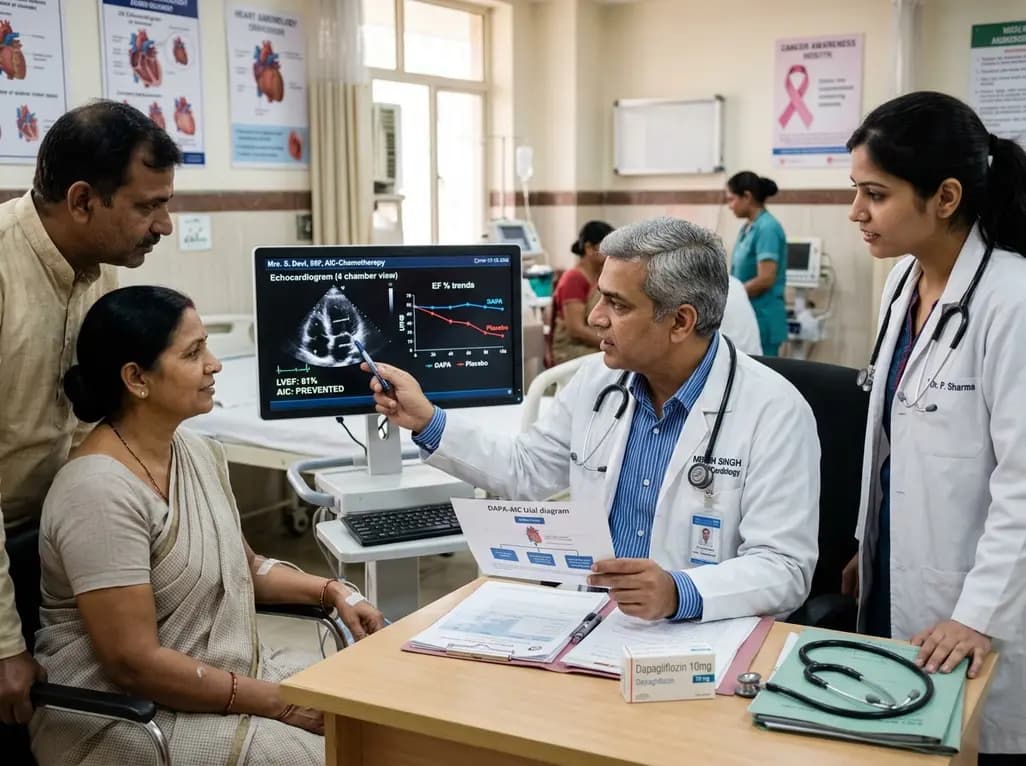
The phase II DAPA-AIC trial demonstrates that dapagliflozin 10 mg daily significantly preserves left ventricular ejection fraction compared to placebo over four months in adults undergoing anthracycline chemotherapy, highlighting a potential preventive strategy in cardio-oncology.
Today

A scoping review reveals severe gaps in long-term assistive technology provision following humanitarian emergencies. Addressing post-disaster rehabilitation requires systematic follow-up, workforce training, and integration into national health systems to sustain mobility and recovery.
Today
A randomized controlled trial investigated whether virtual reality thyroid biopsy reduces procedural pain, anxiety, and fear. While adjusted analyses showed modest pain reduction, unadjusted differences remained statistically insignificant, highlighting the need for larger confirmatory trials.
Today
