.webp&w=384&q=75)

Loading, please wait...
Loading, please wait...

The COVID-19 pandemic introduced unprecedented challenges to healthcare, ranging from surgical delays to restricted rehabilitation access. A recent longitudinal study explores how these social restrictions specifically influenced postoperative functional recovery in patients undergoing surgery for degenerative musculoskeletal disorders. Furthermore, as India continues to manage the long-term repercussions of the pandemic, understanding the intersection of psychosocial factors and physical healing remains crucial for orthopedic excellence.
Researchers conducted a prospective cohort study involving 291 patients to evaluate long-term outcomes. They categorized participants into three distinct groups based on their one-year recovery timeline: pre-pandemic (2018), early pandemic (2019), and late-pandemic (2020). The primary metric for success involved the improvement in locomotive syndrome (LS) status exactly one year after the surgical intervention. Additionally, the team employed multivariate logistic and segmented regression analyses to isolate the impact of social isolation from other clinical variables.
The findings from the analysis were particularly striking. Specifically, the late-pandemic group experienced the lowest rate of LS improvement at just 50.6%. This group also reported the highest prevalence of social contact limitations, which affected 61.0% of patients. Notably, the absence of social contact limitation emerged as a powerful independent predictor of successful postoperative functional recovery. Patients who maintained social connections had over ten times higher odds of improving their functional status compared to those who were isolated.
Moreover, the segmented regression analysis identified a unique time lag in the data. While social contact limitations peaked in March 2020, the significant decline in functional improvement rates did not manifest until October 2020. This observation suggests that the negative effects of social isolation on physical health may accumulate over time, rather than appearing immediately after restrictions begin.
Consequently, social participation is not just a secondary concern; it represents a critical component of postoperative rehabilitation. Direct social contact likely provides the motivation and emotional support necessary for patients to adhere to rigorous physical therapy regimens. Therefore, clinicians should integrate formal psychosocial assessments into standard postoperative care protocols. Identifying socially isolated patients early allows for targeted interventions that may prevent unnecessary functional decline. In conclusion, maintaining social connectivity is essential for optimizing surgical outcomes and ensuring a full return to mobility.
The study found that patients in the late-pandemic group, who faced the most severe social restrictions, had significantly lower improvement rates (50.6%) compared to earlier groups. This suggests that social isolation directly correlates with poorer physical function outcomes following surgery.
Social contact enhances recovery by providing emotional support, reducing stress-related inflammation, and increasing patient motivation. It serves as an independent predictor of physical healing, with those having social access showing much higher odds of improvement.
Although social restrictions peaked early in 2020, the significant decline in functional recovery rates was not observed until several months later. This indicates a cumulative negative impact of social isolation on musculoskeletal health that clinicians must monitor.
Disclaimer: This content is for informational and educational purposes only. It does not constitute professional medical advice, diagnosis, or treatment. Always seek the advice of your physician or other qualified healthcare provider with any questions you may have regarding a medical condition. Refer to the latest local and national guidelines for clinical practice.
References
Kurokawa Y et al. Impact of Social Restrictions During the Coronavirus Disease 2019 Pandemic on Functional Recovery After Musculoskeletal Surgery. Ann Rehabil Med. 2026 Feb 19. doi: 10.5535/arm.250137. PMID: 41711100.
Hiemstra LA, Kerslake S. COVID-19-related healthcare closures negatively affect patient health and postoperative recovery. Orthop J Sports Med. 2020 Sep 6;8(9):2325967120950341.
Tanaka MJ, et al. Telemedicine in the era of COVID-19: the virtual orthopaedic examination. J Bone Joint Surg Am. 2020;102:e57.
"
Read summarized clinical updates, watch expert medical content, and earn CME certifications right from your smartphone.
Open your smartphone camera to scan and install.





A prospective cohort study reveals that social contact limitations significantly hinder functional recovery after musculoskeletal surgery....
8 months ago

Novel glucose-responsive mPEG-PSA nanocarriers deliver insulin aspart on demand, achieving dual postprandial and basal glycemic control without hypoglycemia in diabetic models. This biomaterial breakthrough offers promising clinical implications for physiologic diabetes management.
Today
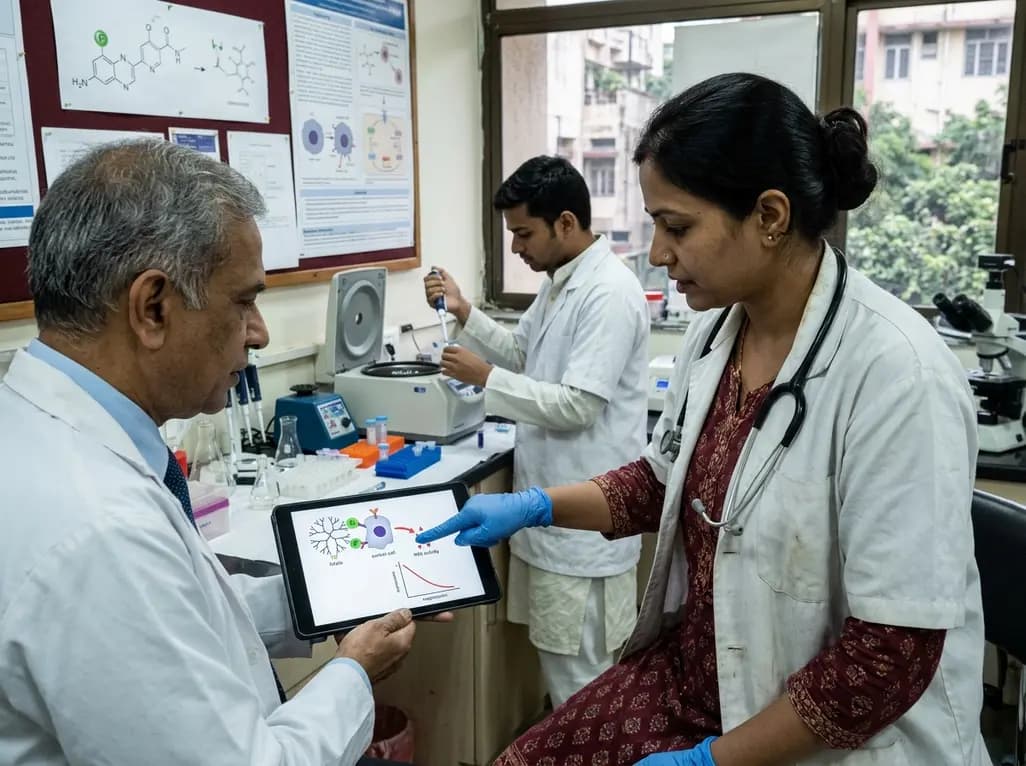
A novel folate-conjugated tecto-dendrimer nanoplatform successfully delivers siRNA to achieve targeted HK2 silencing, disrupting ovarian cancer glycolysis and suppressing lactate output.
Today
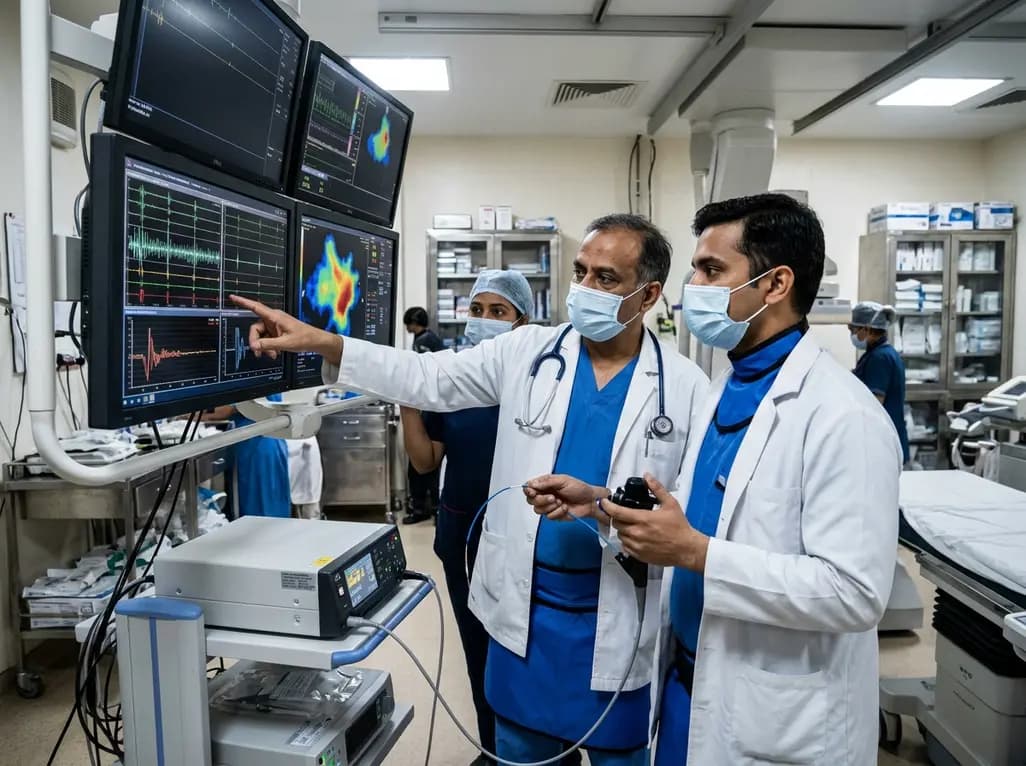
A comparative non-contact study reveals that high-power radiofrequency delivery with the QDOT MICRO catheter induces an artifactual contact force rise. Electrophysiologists must understand this power-dependent thermal and electrical phenomenon to avoid inadvertent catheter withdrawal and ineffective ablation.
Today
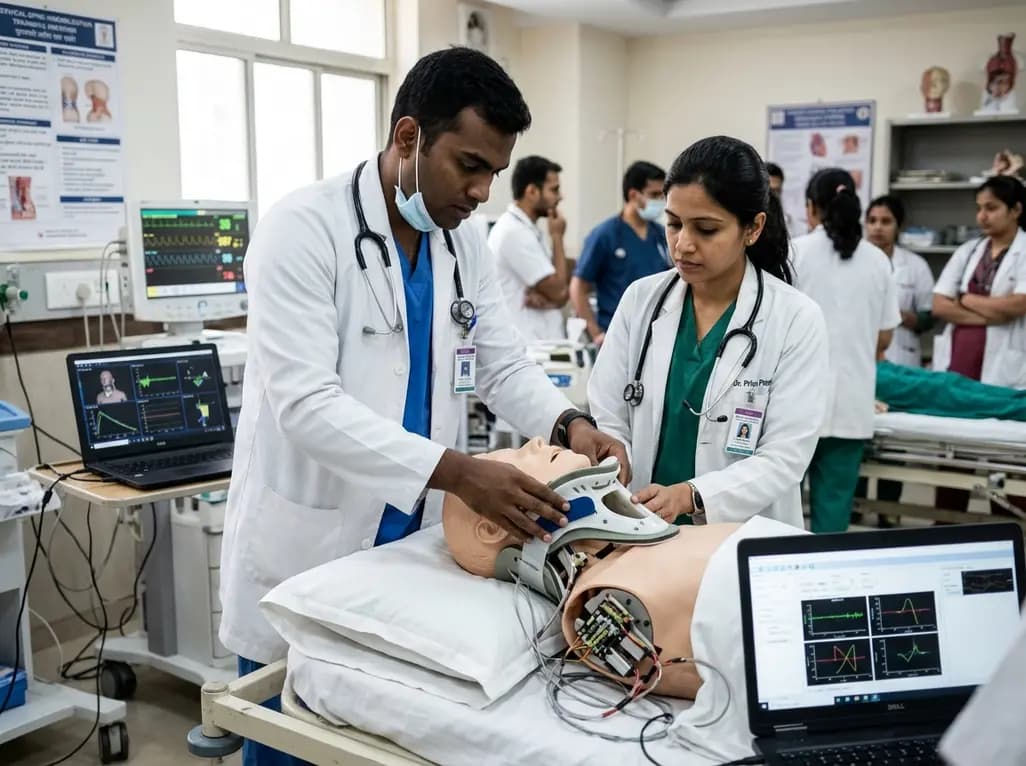
A novel proof-of-concept study presents a six-degree-of-freedom articulated manikin neck equipped with linear potentiometers. The system provides real-time kinematic motion feedback during cervical immobilisation, delivering sub-degree tracking accuracy to improve pre-hospital trauma training and patient safety.
Today
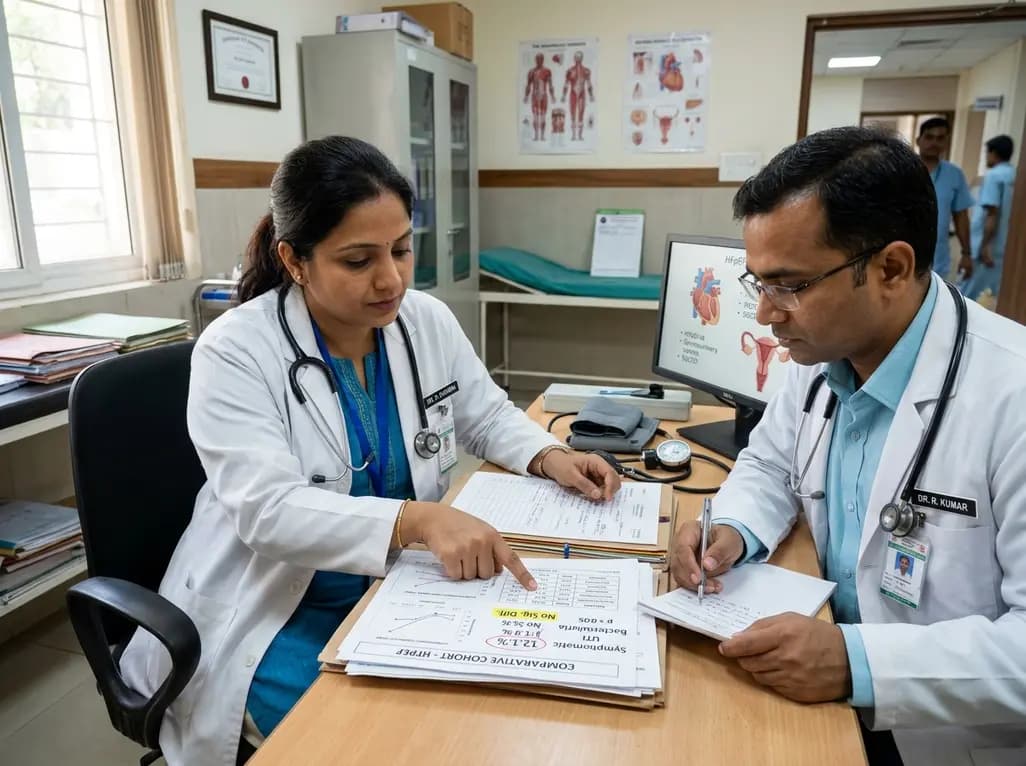
A retrospective comparative cohort study evaluated genitourinary safety in HFpEF between dapagliflozin and empagliflozin over six months. Rates of symptomatic UTI and asymptomatic bacteriuria showed no statistically significant differences, supporting comparable safety profiles across both SGLT2 inhibitors.
Today
