

Loading, please wait...
Loading, please wait...

Adolescent idiopathic scoliosis represents a complex structural deformity of the growing spine. Consequently, severe curves often cause prominent trunk asymmetry, progressive back pain, and compromised pulmonary function. To halt curve progression and prevent future functional deficits, orthopaedic teams frequently perform posterior spinal fusion. While radiographic correction remains a classic benchmark of surgical success, modern practice places equal weight on patient-reported outcomes. In adult elective orthopaedics, preoperative expectations strongly correlate with postoperative recovery, symptom resolution, and overall patient satisfaction. However, spine specialists have historically lacked a reliable instrument to assess posterior spinal fusion expectations among adolescent patients and their families. Addressing this critical gap, investigators recently developed and validated a dedicated survey to capture the unique perspectives of both cohorts. By quantifying these baseline goals, surgeons can identify psychological mismatches, deliver targeted education, and align clinical reality with family hopes before surgery.
Adolescents diagnosed with progressive spinal deformities navigate immense physical and psychological pressures during their developmental years. Therefore, undergoing major corrective surgery involves distinct emotional stakes for teenagers compared to adults. In particular, posterior spinal fusion expectations encompass functional recovery, aesthetic restoration, and pain relief. When surgical teams fail to measure these goals objectively, misunderstandings frequently arise during the postoperative phase. Although parents usually worry about spinal stability and future interventions, teenagers often focus on immediate peer dynamics and self-image. Consequently, setting realistic expectations becomes an essential clinical duty for pediatric orthopaedic surgeons. Previous studies demonstrated that unfulfilled preoperative desires directly reduce postoperative satisfaction scores, even when radiographic results are pristine. Thus, capturing baseline perceptions through a structured tool provides clinicians with actionable insights. By incorporating these evaluations into routine preoperative pathways, multidisciplinary teams can counsel families more effectively and support holistic adolescent recovery.
To formulate a clinically meaningful tool, researchers conducted structured preoperative interviews with patients scheduled for corrective fusion and their primary guardians. Specifically, the initial qualitative phase included fifteen adolescent patients alongside fifteen guardians. The qualitative inquiry aimed to unearth unprompted hopes, fears, and anticipated life changes following surgery. Through rigorous thematic analysis, the investigators identified three predominant expectations shared across both groups. These core themes were return to physical and sporting activities, notable improvement in back pain, and visible changes in physical appearance. Subsequently, the research team translated these key domains into two distinct ten-item Likert-scale questionnaires, custom-tailored for patients and caregivers respectively. Each survey item evaluates the degree of importance placed on specific recovery milestones, ranging from posture and recreational engagement to freedom from medical devices. Consequently, this rigorous qualitative methodology ensured that the final survey items accurately reflected the authentic priorities of adolescents and their families.
Following survey creation, the investigators evaluated the psychometric reliability of both instruments through a dedicated validation cohort. Therefore, an additional fifteen adolescent patients and their guardians completed the ten-item questionnaires twice before surgery, separated by a one-week interval. The researchers calculated Cohen quadratic kappa statistics for every individual item to determine test-retest reproducibility. Notably, guardians demonstrated remarkable consistency across both administrations, achieving substantial to great agreement with an average kappa of 0.74. In contrast, adolescent patients exhibited moderate to great consistency, generating an average kappa value of 0.64. This slight variance reflects normal adolescent cognitive and emotional fluctuations, yet still confirms robust test-retest reliability for both tools. Furthermore, the surveys captured nuanced gradients across diverse functional domains without significant ceiling or floor effects. As a result, the authors successfully established a validated, highly reproducible measurement system suitable for diverse pediatric orthopaedic surgical environments.
Interestingly, the study revealed significant discordance when comparing patient responses directly against guardian responses. Specifically, adolescents and guardians achieved great inter-rater agreement on only a single item: avoiding future medical treatment. Meanwhile, substantial agreement occurred on merely two questions, which centered on gaining confidence in appearance and achieving full recovery without lasting mobility or cosmetic limitations. On all remaining survey items, however, patient and guardian agreement was poor to moderate. This pronounced divergence highlights fundamentally different psychological realities between adolescents and their parents. While parents prioritize safety, long-term stability, and avoiding revision surgery, teenagers dwell heavily on peer acceptance, social re-entry, and physical self-esteem. Consequently, surgeons cannot rely solely on parental interviews to gauge an adolescent's personal goals. Therefore, administering distinct questionnaires to both parties illuminates divergent perspectives, enabling the healthcare team to address unvoiced adolescent concerns while reassuring parental anxiety during preoperative counseling.
Implementing standardized expectation tools fundamentally transforms preoperative communication in pediatric spine centers. First, identifying unrealistic assumptions before surgery allows clinicians to provide targeted education, thereby preventing postoperative disappointment. For instance, if an adolescent expects immediate return to competitive contact athletics, the surgical team can clearly clarify rehabilitation timelines. Second, evaluating divergent priorities between parents and teens enables nuanced family counseling sessions. In countries like India, where familial involvement in surgical decisions is substantial, structured expectation assessments foster shared decision-making and build patient trust. Moreover, incorporating these surveys into longitudinal registries will clarify how preoperative psychological profiles directly influence long-term patient-reported outcomes. Consequently, clinical protocols can evolve from purely technical corrections toward comprehensive, patient-centered care. Ultimately, routine utilization of validated expectation instruments empowers surgical teams to optimize patient satisfaction, minimize psychological distress, and support smooth postoperative transitions for young patients undergoing spinal fusion.
Preoperative expectations directly shape how adolescent patients and their families evaluate surgical results. When personal goals align realistically with clinical outcomes, patients report higher satisfaction, improved pain tolerance, and better functional recovery. Conversely, unrealistic or unaddressed expectations often lead to perceived treatment failure and emotional distress, even when surgical correction is radiographically excellent. Therefore, measuring baseline expectations helps spine teams optimize patient-reported outcomes.
Adolescents and parents view spinal deformity surgery through different psychological and developmental lenses. Parents primarily emphasize surgical safety, structural stability, and avoiding future medical interventions. In contrast, adolescents focus heavily on immediate social functioning, peer acceptance, body image, and rapid return to sports. Because these priorities differ substantially, clinicians must evaluate patients and guardians separately using dedicated assessment surveys during preoperative visits.
Surgical teams can administer the ten-item Likert survey during routine preoperative clinic visits one to two weeks before surgery. Nursing staff or surgical coordinators can provide separate questionnaires to the adolescent and their guardian. Subsequently, the operating surgeon reviews the responses to identify discordant goals or unrealistic recovery milestones. This structured approach facilitates targeted counseling, clarifies postoperative timelines, and enhances shared decision-making.
Disclaimer: This content is for informational and educational purposes only. It is not intended to be a substitute for professional medical advice, diagnosis, or treatment. Always seek the advice of your physician or other qualified health provider with any questions you may have regarding a medical condition. Refer to the latest local and national guidelines for clinical practice.
References
Kiani SN et al. Development and Validation of a Patient and Caregiver Expectations Survey for Posterior Spinal Fusion for Adolescent Idiopathic Scoliosis. J Pediatr Orthop. 2026 Nov 11. doi: 10.1097/BPO.0000000000003533. PMID: 43012752.
Mancuso CA, Cammisa FP, Sharma BK, et al. Development and testing of an expectations survey for patients undergoing lumbar spine surgery. J Bone Joint Surg Am. 2013;95(19):1793-1800.
Bastrom TP, Marks MC, Yaszay B, et al. Predicting post-surgical satisfaction in adolescents with idiopathic scoliosis: The role of pre-surgical functioning and expectations. Spine Deform. 2018;6(6):679-684.

Read summarized clinical updates, watch expert medical content, and earn CME certifications right from your smartphone.
Open your smartphone camera to scan and install.





A validated 10-item survey measures preoperative expectations for posterior spinal fusion in adolescent idiopathic scoliosis. While parents and teens agree on avoiding future surgery, their priorities diverge on appearance and sports, underscoring the critical need for separate preoperative evaluations.
Today
A retrospective cohort study reveals that lower Geriatric Nutritional Risk Index scores and higher C-reactive protein levels at hemodialysis initiation are independently and jointly associated with prolonged hospital stays of 30 days or more, underscoring the vital need for early nutritional and anti-inflammatory care.
Today
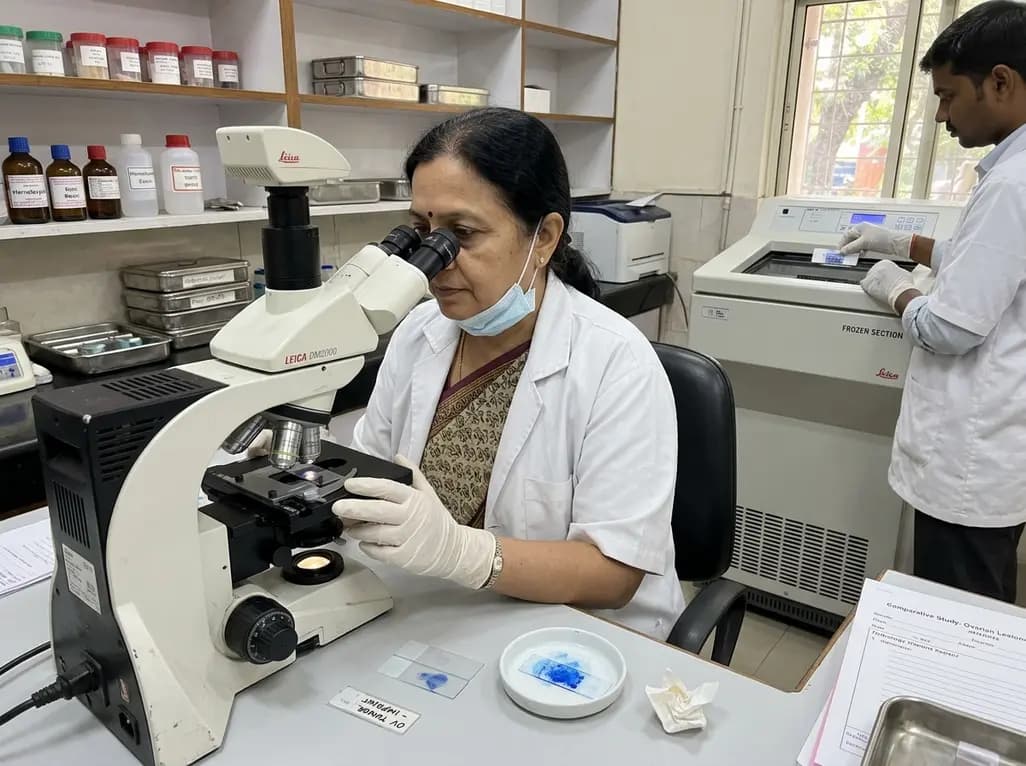
A new comparative study demonstrates that intraoperative imprint cytology achieves 96.6% diagnostic accuracy in ovarian tumours, outperforming frozen section in sensitivity for borderline lesions and offering an accessible, rapid alternative for resource-constrained surgical centres.
Today
Even older heart failure patients with high SPPB scores (≥10) exhibit high 1-year mortality and readmission rates. Adding sarcopenia assessments—grip strength, chair stand test, and calf circumference—reveals critical residual risks, enabling targeted post-discharge interventions.
Today
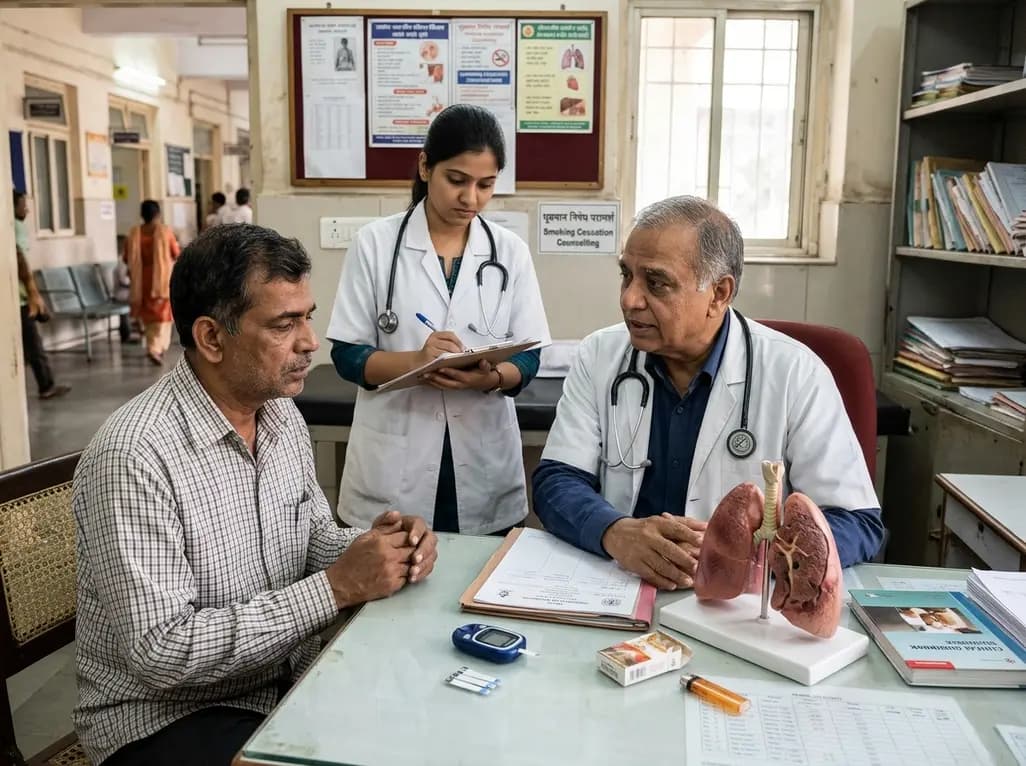
A systematic review evaluates psychological interventions for smoking cessation in diabetes, showing short-term success but highlighting challenges in long-term abstinence.
Yesterday
