.webp&w=384&q=75)

Loading, please wait...
Loading, please wait...

Recurrent vulvovaginal candidiasis (RVVC) presents a persistent challenge for clinicians and patients globally. Standard antifungal treatments often show reduced efficacy in recurrent cases, primarily due to the formation of fungal biofilms. Consequently, medical educators are exploring therapeutic alternatives such as probiotics. However, recent scientific focus has shifted toward postbiotics for RVVC treatment. Postbiotics include cellular components and metabolites derived from probiotics that provide health benefits without the risks associated with live microorganisms.
A recent study evaluated the anti-biofilm activity of cell-free supernatants (CFSs) derived from specific probiotic strains. Researchers tested CFSs from Lacticaseibacillus rhamnosus DM-UFMG 63, Bifidobacterium longum 5,1A, and Lactobacillus acidophilus NCFM SD 5221. They examined these against 40 Candida spp. isolates from patients suffering from RVVC. The results were significant. At a protein concentration of approximately 200μg/mL, these supernatants inhibited biofilm formation by nearly 50%.
This inhibition is vital because biofilms act as physical barriers. They protect fungal cells from the host immune system and antifungal agents. Therefore, disrupting this structure is a primary goal in managing recurrent infections. Using postbiotics for RVVC treatment offers a targeted approach to destabilizing these resilient fungal communities.
Beyond physical inhibition, postbiotics influence Candida at the genetic level. The study utilized qPCR to measure the expression of genes associated with biofilm development. Specifically, researchers observed a significant downregulation of the HWP1 and ALS3 genes in Candida albicans isolates. These genes play critical roles in adhesion and the structural integrity of the biofilm matrix. By suppressing these virulence factors, postbiotics effectively reduce the pathogenic potential of the fungi.
Furthermore, this research suggests that postbiotics could serve as a safer alternative to live probiotics. They eliminate concerns regarding microbial translocation or infections in immunocompromised individuals. As the medical community seeks more robust solutions for RVVC, postbiotics emerge as a promising pharmacological candidate.
Postbiotics are non-viable bacterial products or metabolic byproducts from probiotics, such as enzymes, peptides, and organic acids, that provide physiological benefits to the host.
They work by inhibiting the formation of biofilms and downregulating specific genes like HWP1 and ALS3, which are essential for the fungus to adhere to surfaces and grow into resistant structures.
Yes, postbiotics are generally considered safer because they do not contain live microorganisms, which reduces the risk of unintended infections or bacterial translocation, especially in sensitive patient populations.
Disclaimer: This content is for informational and educational purposes only and does not constitute medical advice. It is not intended to be a substitute for professional medical advice, diagnosis, or treatment. Always seek the advice of your physician or other qualified health provider with any questions you may have regarding a medical condition. Refer to the latest local and national guidelines for clinical practice.
References
Consuegra-Asprilla JM et al. Effect of postbiotics on biofilm formation and gene expression in Candida spp. isolates from patients with recurrent vulvovaginal candidiasis. Med Mycol. 2026 Jun 11. doi: undefined. PMID: 42275129.

Read summarized clinical updates, watch expert medical content, and earn CME certifications right from your smartphone.
Open your smartphone camera to scan and install.





A new study explores postbiotics from probiotic strains like L. acidophilus as an alternative for recurrent vulvovaginal candidiasis (RVVC). Results show a 50% inhibition in Candida biofilm formation and significant downregulation of virulence genes (HWP1 and ALS3), offering a promising non-living therapy.
4 months ago
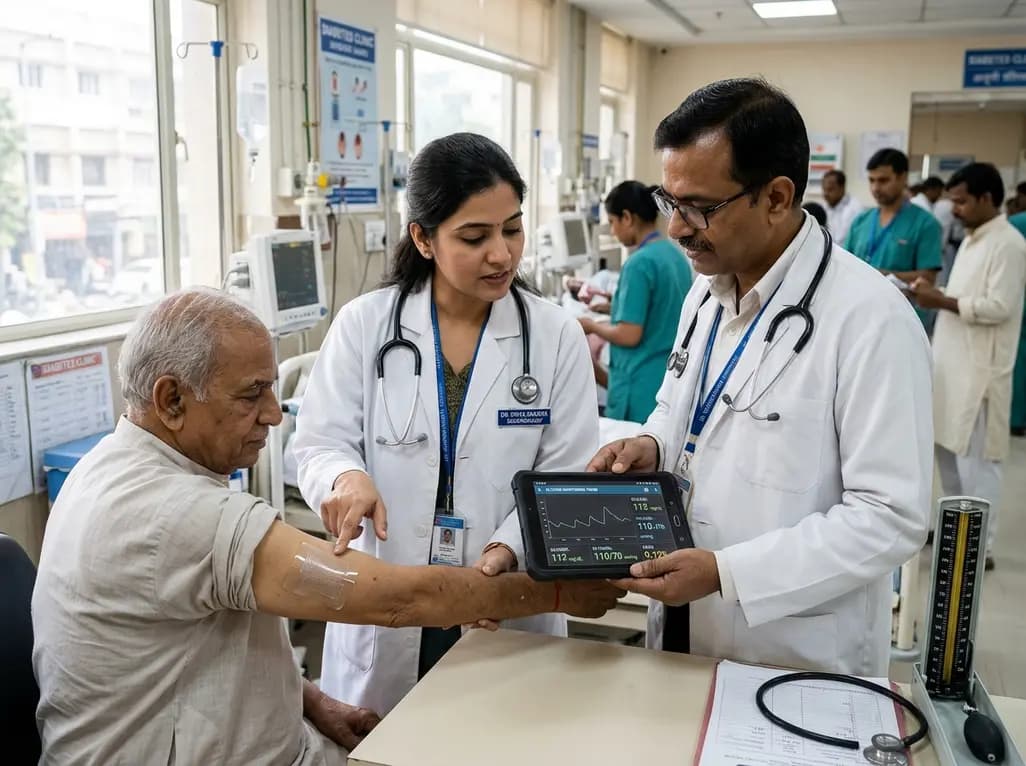
A breakthrough ultrathin multimodal sensor decouples physical hemodynamic monitoring from disposable electrochemical calibration, achieving long-term wearable glucose prediction with 81.36% accuracy and a 9.12% MARD. This offers a robust, drift-free solution for outpatient metabolic surveillance.
Today
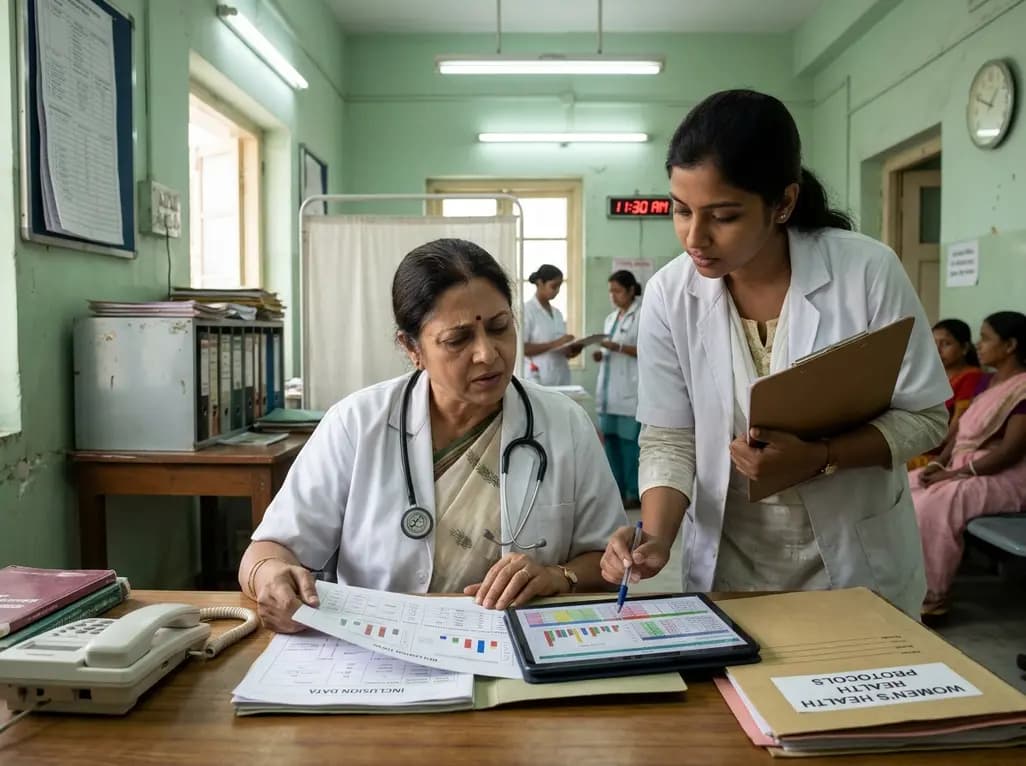
Demanding exhaustive hormonal profiling can inadvertently discourage clinical studies involving females. Methodological standards must align with the specific scientific question to expand, not restrict, equitable evidence for women.
Today
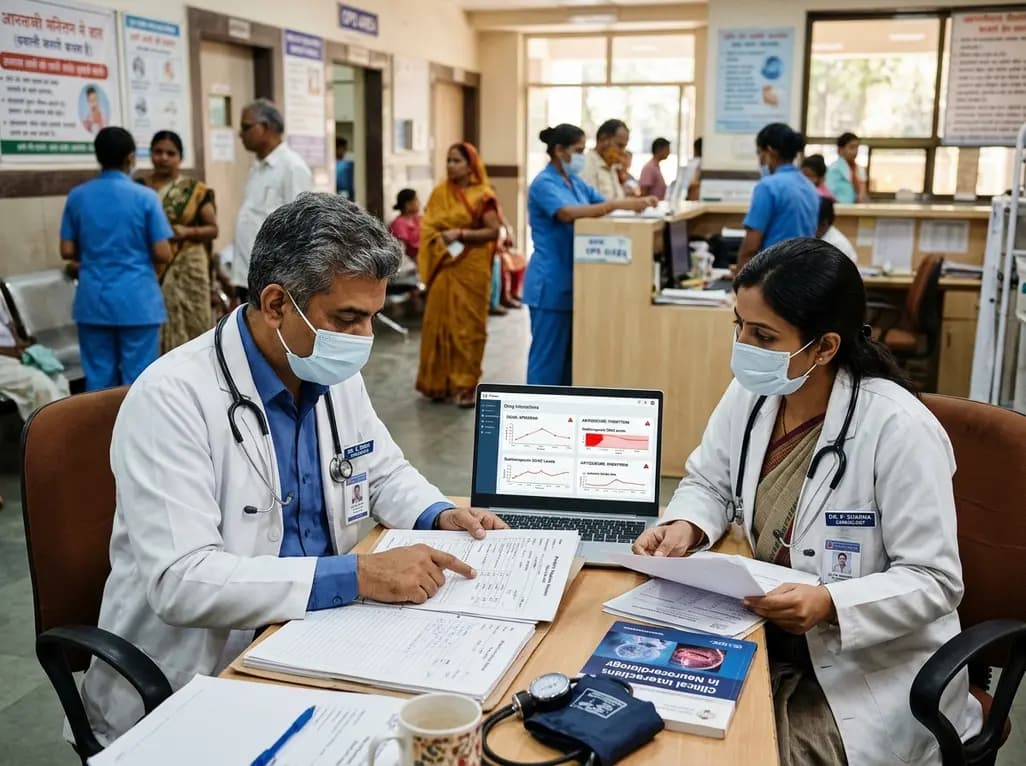
Co-administering antiseizure medications and DOACs frequently causes pharmacokinetic interactions, subtherapeutic drug levels, and thromboembolic failures. This review highlights enzyme induction risks, unpredictable outcomes with levetiracetam, and the vital role of therapeutic drug monitoring.
Today

A comparative review of tension band wiring and intramedullary screw fixation in thumb metacarpophalangeal arthrodesis, evaluating union rates, hardware complications, and clinical outcomes.
Today

Following regulatory scrutiny from FSSAI regarding promotional representations and lean muscle preservation claims, Dr. Reddy's Laboratories and Nestlé Health Science are currently reviewing the branding and marketing strategy for their joint nutritional supplement Celevida GLP+.
Today
