.webp&w=384&q=75)

Loading, please wait...
Loading, please wait...

AIIMS Delhi recently introduced India's first portable MRI system for bedside brain imaging. This ultra-low-field device enables rapid diagnostics for critically ill patients in intensive care units and emergency rooms. Consequently, clinicians can perform scans directly at the patient's bedside. This eliminates the need for risky transfers to fixed MRI suites. Furthermore, Dr. Shailesh Gaikwad leads the implementation at the Centre for Neurological Conditions to improve stroke and trauma care.
The new technology facilitates faster decision-making in time-sensitive emergencies. Clinicians wheel the device directly to the patient and plug it into a standard outlet. Moreover, the system supports advanced research in point-of-care neurodiagnostics across India. Radiosurgery Global supports the installation following recent regulatory approvals. Therefore, medical teams can now monitor post-operative neurosurgical patients more effectively and safely.
In addition to technological updates, AIIMS experts issued urgent health warnings regarding rising temperatures. Dr. Sheffali Gulati emphasized that children are particularly vulnerable to heatwave-related health risks. Specifically, infants require constant monitoring because they cannot communicate their thirst. Parents should provide small portions of non-sugary fluids frequently to maintain adequate hydration. Additionally, maintaining a cool indoor environment remains essential for long-term neurodevelopmental health.
However, children with underlying conditions like epilepsy face increased risks. Extreme heat may aggravate seizures and other chronic health problems. Similarly, Dr. Naval Vikram advised outdoor workers to wear loose clothes and cover their heads. Taking regular breaks in the shade helps prevent heat exhaustion and physical complications. Finally, experts recommend seeking immediate medical consultation if a child becomes irritable or shows signs of rapid breathing.
Q1: How does the portable MRI system differ from conventional MRI machines?
The portable system uses an ultra-low magnetic field and can be wheeled directly to a patient's bedside. Unlike traditional units, it does not require dedicated shielded suites or complex cooling systems.
Q2: What are the primary warning signs of heat distress in children?
Key symptoms include irritability, rapid breathing, an increased pulse rate, and drowsiness. Parents should increase fluid intake and seek medical advice promptly if these signs appear.
Q3: Why is hydration particularly critical for infants during a heatwave?
Infants cannot clearly manifest their thirst and have a higher risk of rapid dehydration. Caregivers must provide fluids around the clock to prevent serious complications.
Disclaimer: This content is for informational and educational purposes only. It does not constitute medical advice or replace professional judgment. Refer to the latest local and national guidelines for clinical practice.
References

Read summarized clinical updates, watch expert medical content, and earn CME certifications right from your smartphone.
Open your smartphone camera to scan and install.





AIIMS Delhi introduces India's first portable MRI for bedside brain imaging and issues critical heatwave safety guidelines for children and infants....
5 months ago
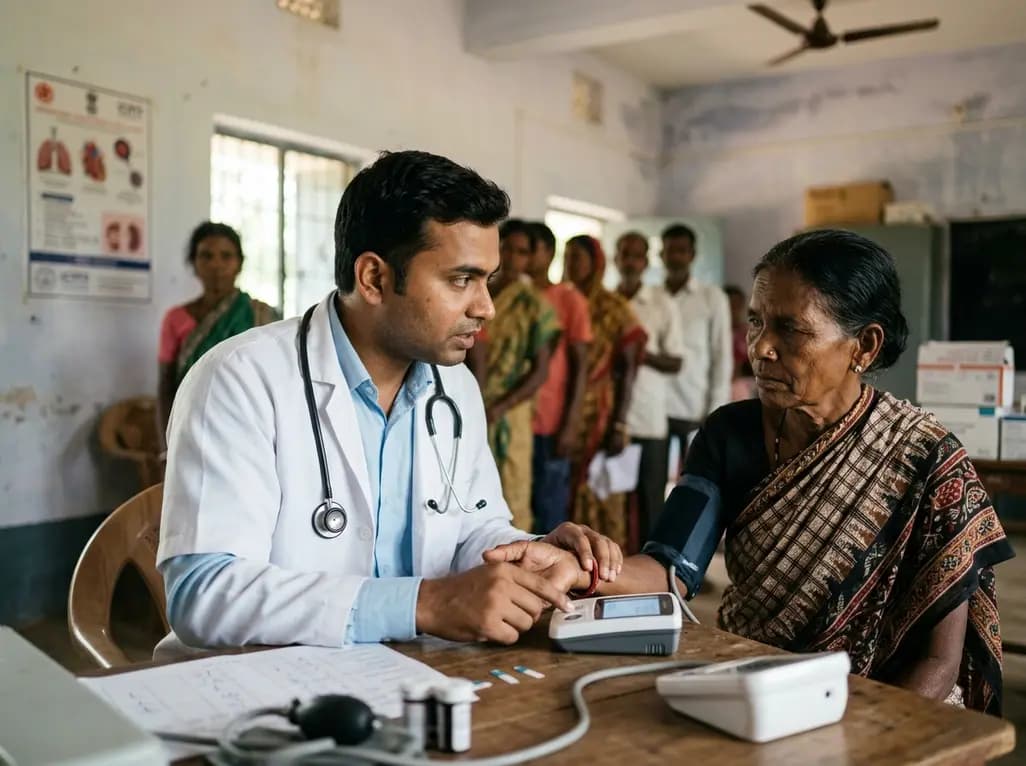
An ICMR study reveals that nearly 25% of tribal adults in Odisha suffer from renal decline. Driven by untreated hypertension, diabetes, and lifestyle risks, this hidden burden highlights the critical need for point-of-care diagnostics, proactive screening, and targeted non-communicable disease interventions.
Today

A study in Ultrasound in Obstetrics & Gynecology shows that quantitative vascularization of the anterior fornix/cervix with transvaginal ultrasound reliably identifies placenta accreta spectrum and predicts severe intraoperative hemorrhage, offering vital objective risk stratification.
Today
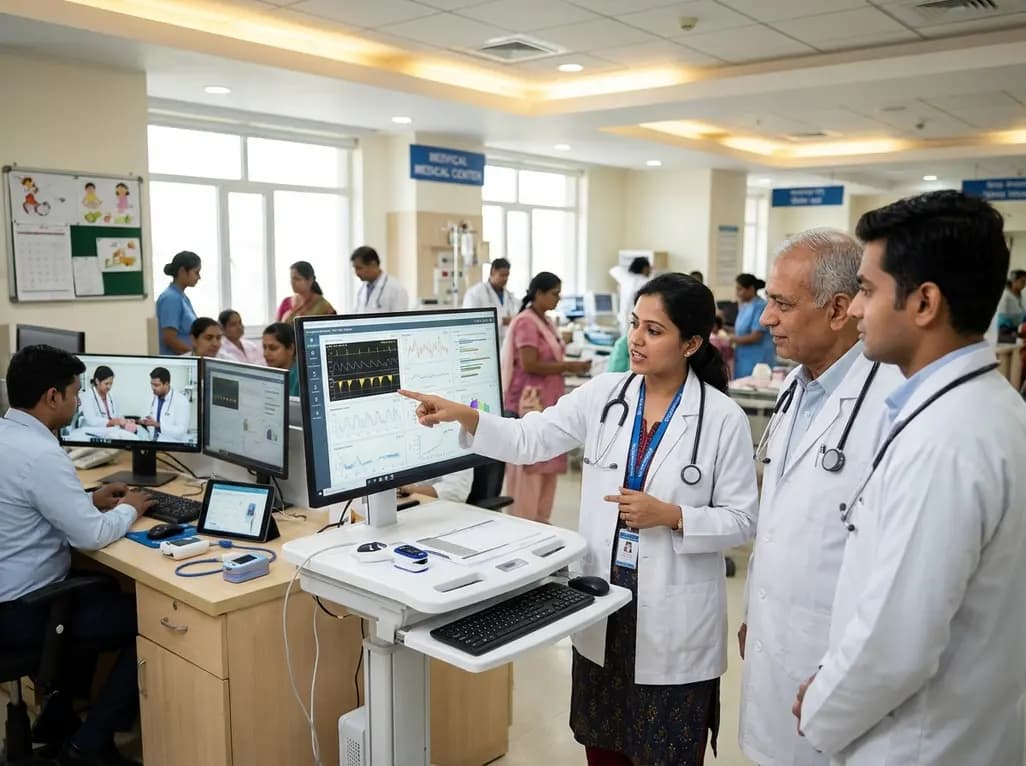
A landmark study details how an enterprise pediatric remote patient management model expanded from a single cardiology pilot to 16 diverse specialty programs by combining centralized digital operations with specialty clinical leadership.
Yesterday
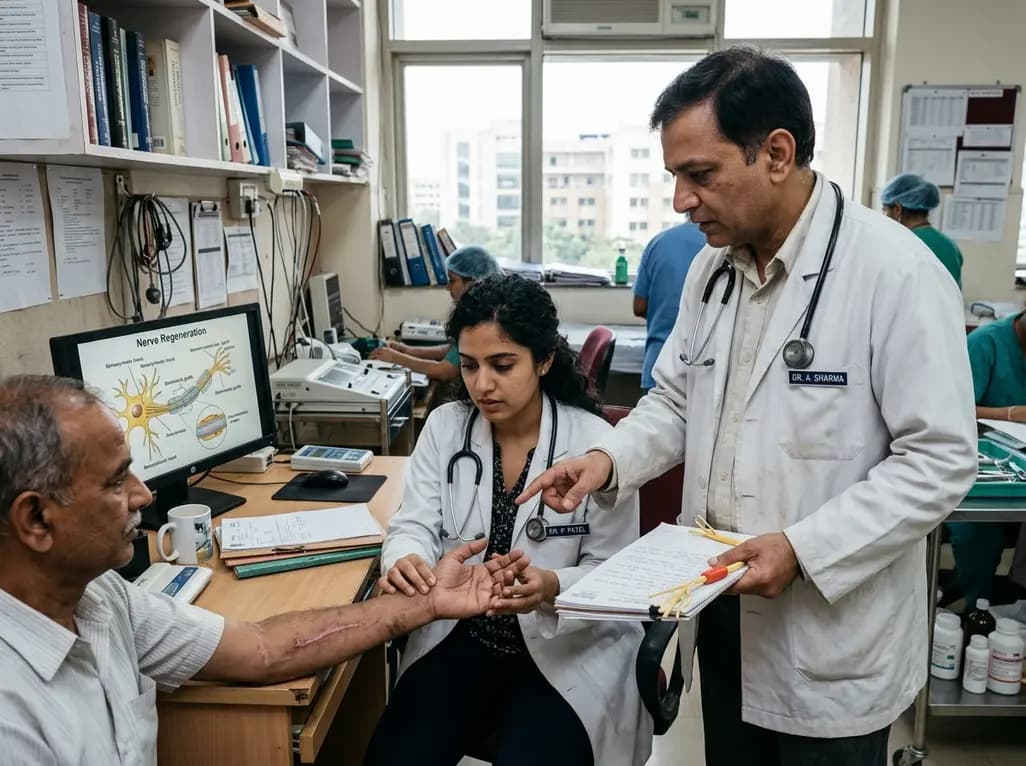
Peripheral nerve injuries present clinical challenges due to regenerative mismatches between sensory and motor neurons. This review explores cutting-edge tissue-engineered nerve grafts designed as central-peripheral signal relays to overcome denervation atrophy and restore functional motor-sensory recovery.
Today

Protein O-GlcNAcylation couples cellular nutrient status to vital neuronal functions. This review explores how disrupted O-GlcNAc cycling drives both neurodevelopmental delays and neurodegenerative cascades, positioning metabolic post-translational modifications as therapeutic targets in clinical neurology.
Today
