.webp&w=384&q=75)

Loading, please wait...
Loading, please wait...

Tissue engineering represents a major shift in modern clinical practice. Consequently, the development of porous scaffolds tissue engineering solutions has become essential for successful outcomes. These 3D structures act as temporary templates that support new tissue growth. Therefore, experts emphasize architectural features like pore size, shape, and interconnectivity. For instance, high porosity ensures better nutrient distribution and waste removal across the matrix. However, natural healing often fails in complex clinical scenarios. Thus, researchers use advanced fabrication techniques to create highly biomimetic structures.
Scientists now design specific porous scaffolds for diverse medical needs. For example, orthopedic surgeons utilize these materials to repair large bone and cartilage defects. Similarly, dermatologists use them to facilitate skin grafting in severe burn cases. Furthermore, emerging research shows success in cardiac and neurological tissue repair. These scaffolds often include biomolecules to speed up the recovery process. Consequently, clinicians can tailor treatments to the specific needs of each patient.
Modern manufacturing offers several ways to produce these intricate structures. First, traditional methods like solvent casting remain useful for basic designs. Next, additive manufacturing and 3D bioprinting allow for precise control over the internal architecture. These advanced tools help create scaffolds that closely mimic the native extracellular matrix. Therefore, the resulting implants integrate more effectively with the host tissue. Ultimately, these combinatorial techniques lead to better functional recovery for the patient.
The pore size and interconnectivity determine how well cells migrate and how nutrients diffuse. Thus, an optimized structure ensures uniform cell seeding and survival throughout the scaffold.
Orthopedics, cardiology, and dermatology currently see the most applications. However, new research is expanding these benefits to neurology and gastroenterology for various regenerative therapies.
Disclaimer: This content is for informational and educational purposes only and does not constitute medical advice or a professional relationship. Always seek the advice of a physician or other qualified health provider with any questions regarding a medical condition. Refer to the latest local and national guidelines for clinical practice.
References
1. Sahoo R et al. Designing of porous scaffolds for tissue engineering and regenerative medicine. J Mater Chem B. 2026 Feb 17. doi: 10.1039/d5tb02507a. PMID: 41700440.
2. Jangde R. A Review on: 3d Porous Scaffolds in Tissue Engineering. NewBioWorld. 2025;7(1):27-30.
3. Yadav S et al. Applications of Scaffolds in Tissue Engineering: Current Utilization and Future Prospective. Curr Gene Ther. 2024;24(2):94-109. doi: 10.2174/0115665232262167231012102837. PMID: 37921144.

Read summarized clinical updates, watch expert medical content, and earn CME certifications right from your smartphone.
Open your smartphone camera to scan and install.





Discover how porous scaffolds improve tissue regeneration through optimized architecture and advanced fabrication for various surgical and medical needs....
7 months ago
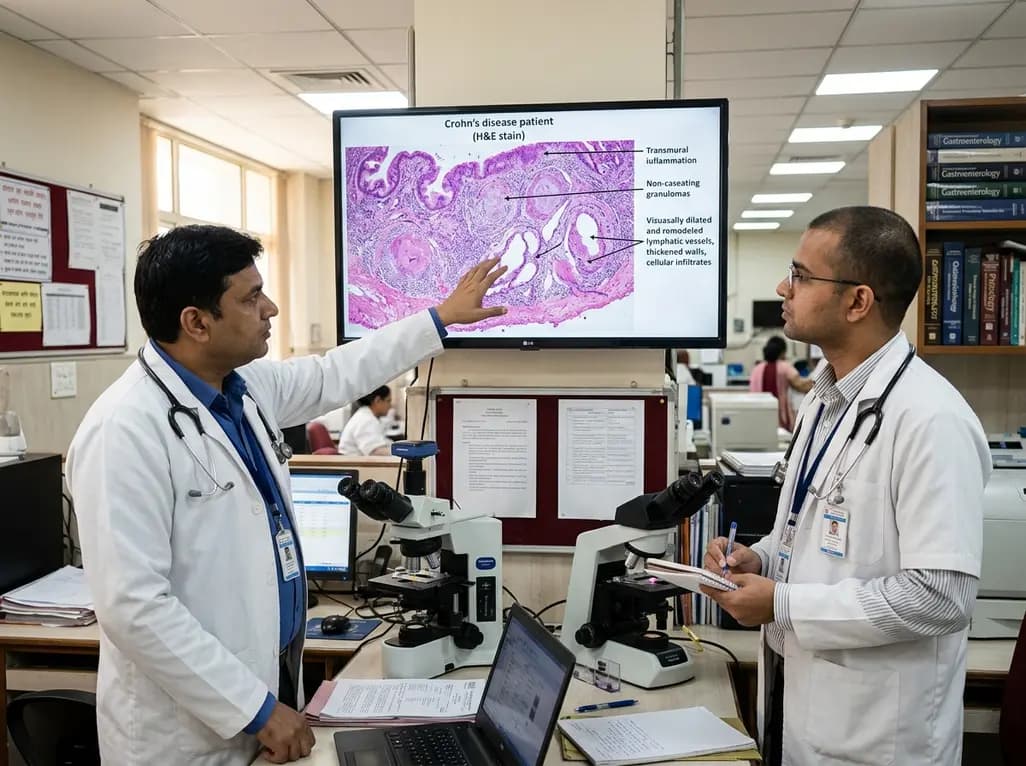
Intestinal lymphatic dysfunction is re-emerging as a fundamental driver of Crohn's disease pathogenesis. Explore how structural remodeling, lymphangitis, and defective clearance shape transmural inflammation and offer novel therapeutic targets.
Today

A school-based intervention using the Health Action Process Approach (HAPA) significantly enhanced adolescents' perceived benefits of consulting healthcare providers and promoted proactive menstrual health behaviors, offering key clinical insights for managing adolescent dysmenorrhea and endometriosis.
Today

A comprehensive analysis of the Translational Maturity Framework for nanomedicine-device combination products, evaluating regulatory complexity, manufacturing hurdles, and clinical readiness across oncology, cardiology, and orthopedics.
Today
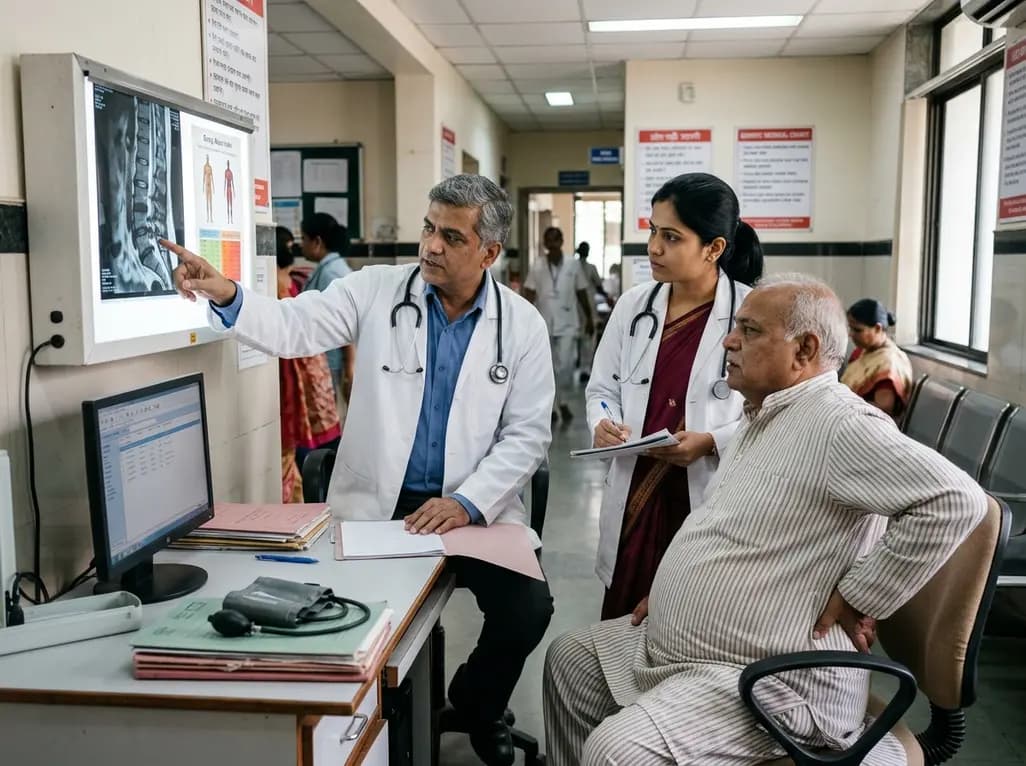
A cross-sectional study reveals that sarcopenic obesity independently increases functional impairment and severe disc degeneration in patients with degenerative lumbar spinal stenosis, highlighting the need for body composition assessment.
Today
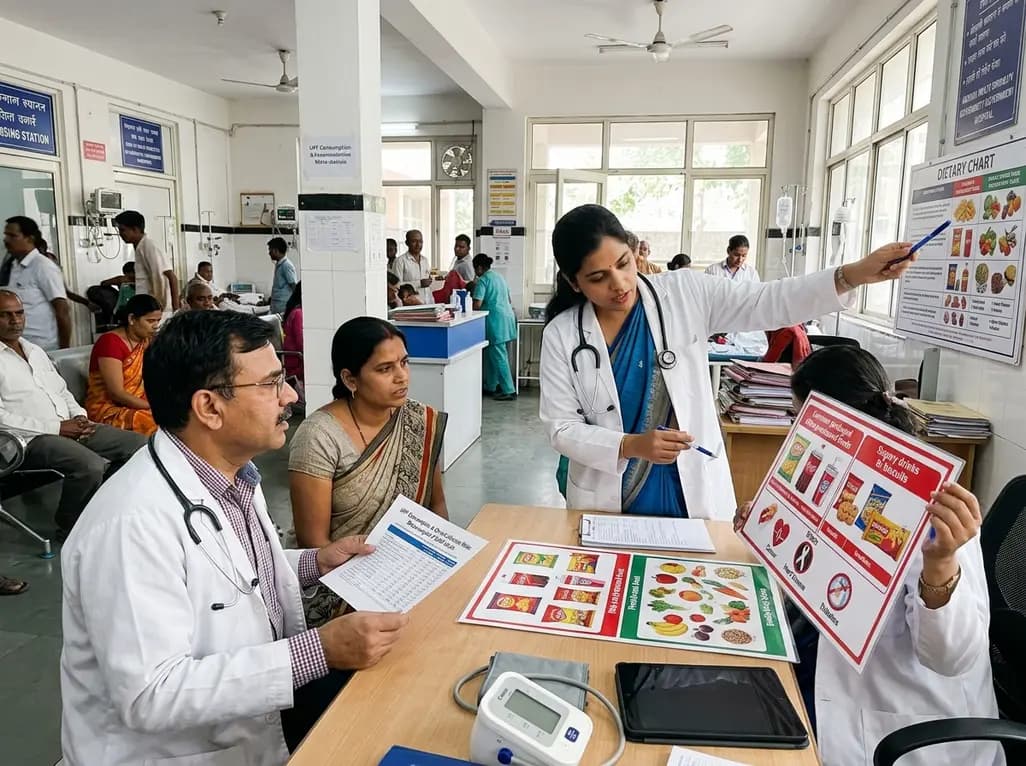
A landmark dose-response meta-analysis of 8.8 million adults reveals that high ultra-processed food intake significantly elevates risks for cardiovascular disease, cancer, diabetes, depression, and all-cause mortality, highlighting urgent needs for clinical lifestyle interventions.
Today
