.webp&w=384&q=75)

Loading, please wait...
Loading, please wait...

Severe periodontitis often creates devastating functional and psychosocial consequences for affected individuals. Specifically, pathologic tooth migration represents one of the most distressing complications observed in stage IV periodontitis. When inflammatory tissue breakdown destroys the underlying alveolar bone, remaining support fails to resist routine masticatory forces. Consequently, anterior teeth display progressive flaring, elongation, rotation, and irregular spacing. Patients frequently experience severe mobile teeth alongside noticeable facial disfigurement. In addition, unmanaged secondary occlusal trauma accelerates progressive attachment loss and deep periodontal pocketing. Conventional treatment strategies traditionally demand protracted multi-phase care plans. Clinicians typically complete cause-related periodontal debridement before embarking on extensive orthodontic alignment. However, prolonged appliance therapy poses considerable challenges for periodontally susceptible dentitions. Complex fixed appliances often hinder meticulous plaque control and increase treatment costs. Furthermore, prolonged movement may occasionally compromise already reduced periodontal tissue support. Many patients also decline multi-year orthodontic programs due to financial or personal constraints. Therefore, clinicians actively seek predictable, minimally invasive alternatives. Immediate stabilization strategies can restore dental alignment rapidly during early therapeutic interventions. Addressing both aesthetic disruption and tissue breakdown concurrently provides notable clinical benefits.
To overcome traditional treatment obstacles, clinicians developed the PIANO protocol. This innovative approach stands for Periodontal Immediate Adhesive Nonsurgical Orthorepositioning. Essentially, the method integrates immediate orthorepositioning with rigid stabilization during step two periodontal therapy. Clinicians evaluate patients exhibiting advanced anterior flaring and severe grade three mobility. Crucially, the operating dentist executes tooth repositioning before administering any local anesthesia. The practitioner applies gentle digital pressure to guide each migrated tooth into an aesthetic position. Furthermore, the clinician respects natural tissue resistance throughout this gentle manipulation. If the patient reports discomfort or the tissue resists, manipulation stops immediately. This crucial physiological feedback prevents excessive vascular compression or mechanical trauma to the apical bundle. Subsequently, the clinician secures the corrected teeth using direct adhesive composite splinting. Fiber-reinforced or direct resin materials stabilize the entire mobile segment reliably. Following successful adhesive bonding, the operator performs comprehensive subgingival instrumentation. Ultrasonic scaling and manual root planing eradicate subgingival biofilm without destabilizing loose teeth. Consequently, the splint transforms hypermobile units into a stable unit that tolerates thorough debridement safely.
Successful implementation of this protocol requires rigorous adherence to biomechanical safeguards. Because teeth with reduced attachment suffer from shifted centers of resistance, uncontrolled forces cause rapid damage. Therefore, clinicians must avoid forceful movements that could cause root fracture or irreversible pulpal ischemia. Moving teeth only within passively achievable functional corridors preserves microvascular integrity. In addition, diligent occlusal adjustments form an indispensable component of the clinical protocol. Following splint placement, the clinician meticulously verifies centric occlusion and eccentric excursions. Eliminating premature contacts prevents persistent traumatic forces from perpetuating periodontal breakdown. Furthermore, smooth interproximal composite contours prevent subgingival plaque accumulation. Clinicians must educate patients on customized interdental hygiene aids, such as superfloss and interdental brushes. Maintaining plaque control ensures that healing proceeds uneventfully beneath the stabilized splint. Meanwhile, clinicians confirm pulp vitality using thermal and electric testing before and after treatment. Maintaining intact sensory responses reassures the team that digital realignment preserves neurovascular health. Thus, rigorous safeguards provide mechanical stability while protecting underlying biological vitality effectively.
Clinical investigations demonstrate encouraging therapeutic responses following the PIANO protocol. Recent clinical reports assessed patients presenting with generalized stage IV periodontitis and severe anterior mobility. Six months after intervention, all treated teeth retained rigid clinical stability. Notably, pulp sensibility testing produced positive responses across all splinted teeth. The realigned dentition showed zero pulpal necrosis, discoloration, or spontaneous neural pain. Furthermore, clinical periodontal assessments revealed comprehensive resolution of local tissue inflammation. Probing depths decreased significantly, and clinicians detected no residual pathological periodontal pockets. Radiographic evaluations showed marked defect fill, confirming notable osseous repair within previously compromised bony walls. In addition, patient-reported outcome measures highlighted outstanding personal satisfaction. Patients expressed immediate delight regarding restored anterior aesthetics, comfortable speech, and chewing function. Moreover, all individuals affirmed their enthusiastic willingness to undergo the exact procedure again if necessary. The adhesive splints exhibited exceptional durability without structural fracture, debonding, or recurrent mobility. Consequently, the rapid stabilization protocol successfully established stable biological conditions conducive to sustained bone healing.
The PIANO protocol offers profound practical advantages for contemporary dental care. Typically, conventional multidisciplinary care requires months of patient preparation, specialist referrals, and substantial expense. In contrast, this chairside procedure delivers immediate aesthetic correction during standard cause-related therapy visits. Consequently, patients achieve immediate psychological relief, which fosters therapeutic compliance and trust. Furthermore, splinting mobile anterior teeth simplifies meticulous subgingival debridement for the treating practitioner. Stabilized teeth experience less instrumentation discomfort, allowing clinicians to achieve thorough root surface decontamination. However, proper case selection remains fundamental to achieving predictable clinical success. Clinicians must restrict this protocol to cases where digital pressure repositions teeth passively without extreme resistance. Severely ankylosed teeth or heavily crowded dentitions still require comprehensive multidisciplinary management. Additionally, clinicians must implement strict supportive periodontal care schedules following initial treatment. Regular professional maintenance visits allow timely monitoring of splint integrity, periodontal health, and home care efficacy. Ultimately, this minimally invasive method provides a practical, cost-effective solution for advanced periodontitis cases.
The primary therapeutic goal of the PIANO protocol is to deliver immediate aesthetic alignment and mechanical stability for teeth exhibiting severe mobility and pathologic migration. By combining gentle digital orthorepositioning with direct adhesive splinting during step two periodontal therapy, clinicians rapidly restore anterior function. Consequently, this chairside intervention eliminates traumatic hypermobility, facilitates comfortable subgingival instrumentation, and improves patient confidence without requiring protracted orthodontic appliance therapy.
Repositioning the migrated teeth prior to local anesthesia administration serves as a crucial biological safeguard. Because intact sensory feedback warns the clinician immediately if excessive tissue resistance or pain develops, neurovascular damage is actively prevented. If the patient experiences sharp discomfort or the tooth resists digital pressure, manipulation ceases instantly. Thus, conscious patient feedback ensures that repositioning remains strictly within safe, passively achievable anatomical boundaries.
Adhesive splinting immobilizes severely compromised teeth, effectively eliminating secondary occlusal trauma and micro-movement during mastication. Consequently, the stabilized environment permits undisturbed blood clot formation and promotes granulation tissue maturation following thorough subgingival debridement. Furthermore, rigid splinting redistributes occlusal stresses across neighboring anchored teeth. This stable biomechanical framework facilitates clinical attachment gains and radiographic defect fill, fostering long-term osseous repair around previously mobile teeth.
Disclaimer: This content is for informational and educational purposes only and should not be considered as medical advice or used as a substitute for professional clinical consultation, diagnosis, or treatment. It is intended for healthcare professionals only. Decisions regarding patient care should be based on clinical examination, individual patient needs, and the treating clinician's professional judgment. Refer to the latest local and national guidelines for clinical practice.
References

Read summarized clinical updates, watch expert medical content, and earn CME certifications right from your smartphone.
Open your smartphone camera to scan and install.





The PIANO protocol provides an immediate, minimally invasive solution for pathologic tooth migration in stage IV periodontitis. Combining gentle manual repositioning with adhesive splinting during step 2 therapy, it achieves rapid aesthetic and functional recovery while promoting osseous repair.
Today

A new clinical trial demonstrates that structured high-protein diets and enteral supplementation significantly decrease malnutrition and disease activity in inflammatory bowel disease patients, offering clear guidance for gastroenterologists and nutritionists.
Today
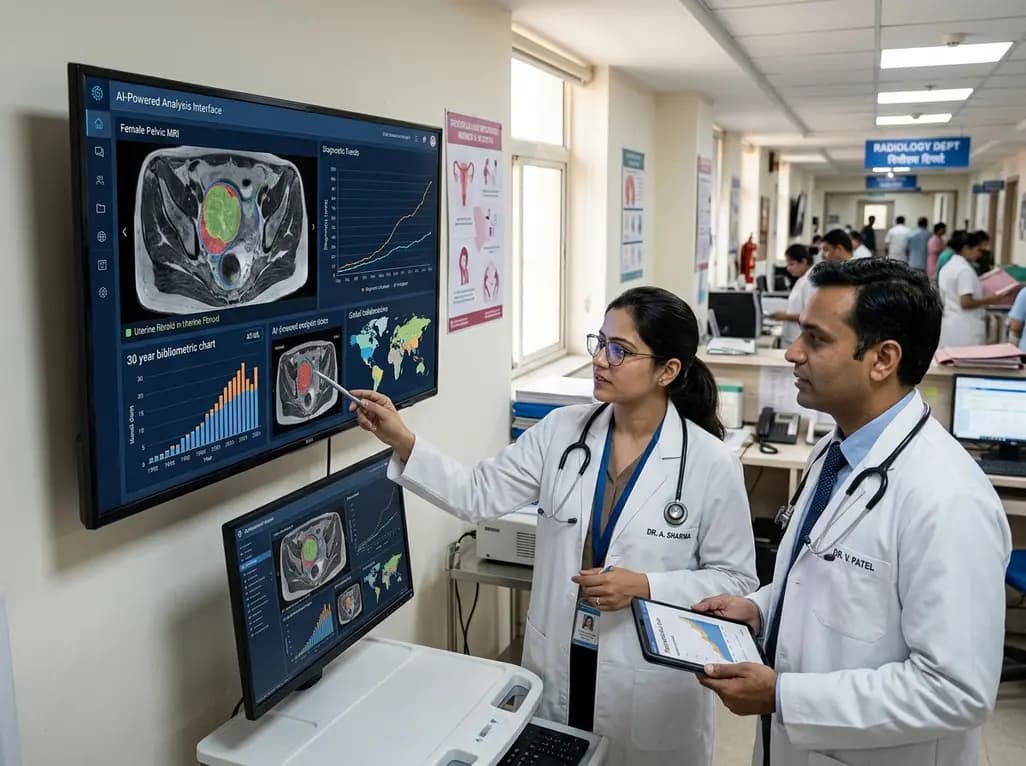
A 30-year bibliometric analysis highlights key research trends in AI in women's health from 1992 to 2024. Discover how evolving computational models, global institutional collaborations, and clinical decision support tools are shaping maternal, oncological, and reproductive care worldwide.
Today
A cross-sectional study reveals that children with congenital heart disease engage in less daily physical activity and experience lower quality of life than healthy peers. Female patients face even greater deficits, emphasizing the need for targeted rehabilitation and structured exercise counseling.
Today

A Level I trauma center study shows a brief bedside mental health intervention boosts 30-day follow-up screening adherence by 84% in nonviolent injury patients. However, outcomes for violence survivors reveal critical care gaps, underscoring the urgent need for specialized community violence intervention programs.
Today
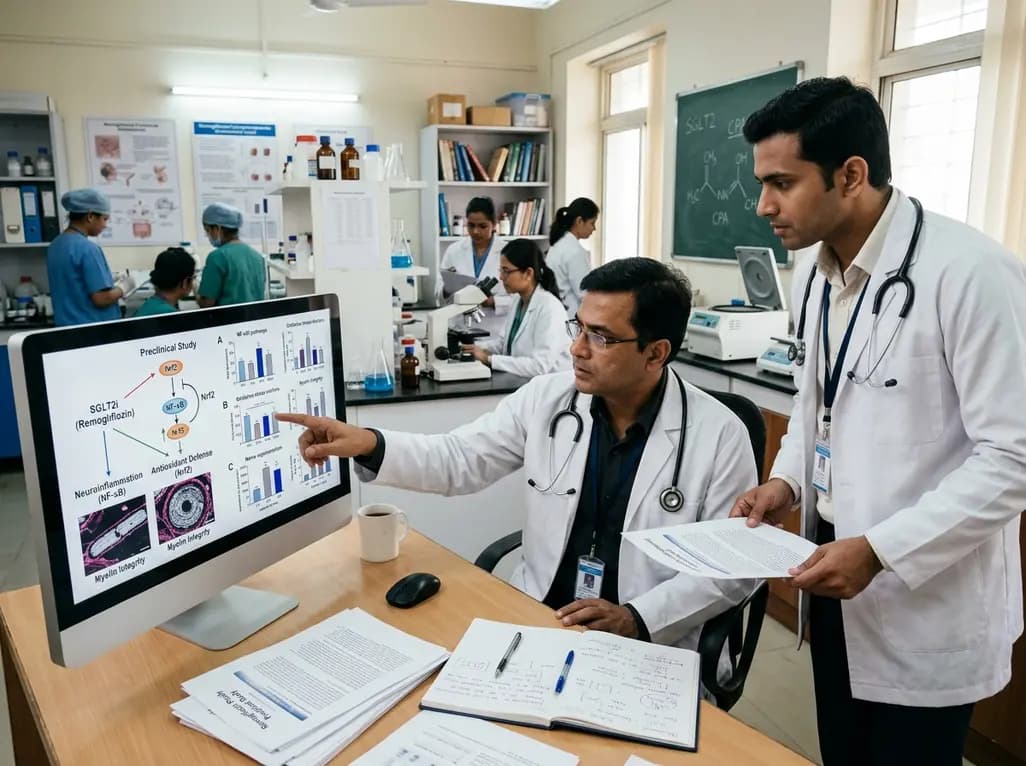
A preclinical study demonstrates that the SGLT2 inhibitor remogliflozin attenuates cyclophosphamide-associated peripheral neurotoxicity in rats. Remogliflozin restores antioxidant balance via Nrf2, suppresses NF-κB-driven neuroinflammation, activates PI3K/Akt survival signaling, and preserves structural myelin integrity.
Today
