.webp&w=384&q=75)

Loading, please wait...
Loading, please wait...

Accurate determination of renal function represents a crucial challenge in modern intensive care medicine. When managing patients experiencing shock, severe sepsis, or trauma, clinicians must recognize sudden functional changes promptly. Traditional endogenous filtration markers often fail to provide reliable insight during acute hemodynamic disturbances. Consequently, investigators have actively pursued exogenous markers to measure filtration directly. Recent clinical investigations highlight the utility of evaluating iohexol clearance in ICU settings using a physiology-based mechanistic model. By tracking fluid transport between distinct physiological compartments, this innovative method captures dynamic filtration changes with exceptional precision.
Serum creatinine remains the most widespread diagnostic marker for kidney function in clinical medicine. However, its kinetic reliability deteriorates dramatically in critically ill individuals. Sepsis and shock alter endogenous creatinine production through muscle breakdown, acute immobilization, and altered hepatic metabolism. In addition, aggressive intravenous fluid resuscitation causes pronounced hemodilution, which artificially lowers serum creatinine levels. Therefore, significant drops in actual glomerular filtration often precede serum creatinine elevations by forty-eight hours or more. Cystatin C provides an alternative endogenous option, yet severe inflammation, thyroid dysfunction, and corticosteroid administration alter its circulating concentration independently of filtration. Furthermore, common predictive equations, including CKD-EPI and MDRD, depend on steady-state physiological assumptions. Because critically ill patients experience continuous physiological volatility, these mathematical formulas frequently yield inaccurate estimates. Overestimating renal function introduces substantial risks of drug accumulation and toxicity when using narrow therapeutic index antimicrobials. Conversely, underestimating clearance leads directly to therapeutic failure from subtherapeutic dosing. Consequently, critical care clinicians require direct, dynamic measurement methods rather than relying on flawed static equations. Moreover, delayed detection postpones critical clinical interventions.
To overcome the severe drawbacks of surrogate equations, researchers developed physiology-based pharmacokinetic models. Iohexol represents an outstanding exogenous filtration marker because it exhibits negligible plasma protein binding. Furthermore, the kidneys eliminate iohexol entirely through glomerular filtration, without undergoing tubular secretion or reabsorption. In healthy outpatients, single-compartment or two-compartment clearance protocols calculate renal function reliably from blood samples. However, critical illness disrupts basic pharmacokinetic assumptions through increased endothelial permeability and capillary leak. In septic shock, rapid fluid extravasation expands the interstitial space significantly. Consequently, simplified mathematical models confuse volume redistribution with true urinary elimination, generating systematic errors. To resolve this dilemma, researchers constructed a mechanistic model based on rigorous mass balances and physiological intercompartmental transport. This framework explicitly characterizes iohexol movement across intravascular plasma, expanding extracellular volumes, and ultimate urinary clearance. By fitting patient-specific parameters to 24-hour plasma concentration profiles, the model accounts for transcapillary fluid exchanges. Therefore, the mechanistic framework interprets real-time physiological transport rather than relying on assumed population constants, establishing reliable measurement in intensive care. Consequently, clinicians gain dependable insight into true glomerular function.
A recent prospective study evaluated this physiology-based approach in 86 intensive care patients suffering from severe shock, sepsis, and related life-threatening conditions. The investigators administered a single intravenous dose of iohexol and monitored plasma clearance profiles over 24 hours. The findings revealed that 80% of these critically ill patients exhibited stable iohexol disappearance curves during the monitoring interval. In this stable cohort, the mechanistic mass-balance model demonstrated strong, statistically significant correlations with standard reference techniques. Specifically, model estimates aligned closely with the established Bröchner-Mortensen regression approach and maximum a posteriori Bayesian estimation. However, the study uncovered that 20% of patients displayed distinctly unstable elimination profiles. In these unstable patients, acute physiological events disrupted expected clearance kinetics. For instance, sudden fluid boluses, evolving capillary leakage, and changing vasopressor dosages altered intercompartmental distribution rapidly. Importantly, the mechanistic model successfully captured these short-term kinetic disruptions along the plasma concentration trajectory. As a result, the model allowed clinicians to calculate transient, short-term filtration rates that conventional methods completely missed. Furthermore, identifying these acute changes allows clinicians to adjust supportive interventions immediately.
Methodological comparison against validated reference standards is vital before adopting new diagnostic tools in acute care. Historically, clinicians used the Bröchner-Mortensen regression formula to correct for early distribution phases in non-compartmental plasma clearance calculations. Although this empirical correction works well in ambulatory nephrology clinics, it often fails in patients with expanded extracellular volumes. Similarly, maximum a posteriori Bayesian estimators provide powerful clearance calculations by combining sparse patient sampling with prior population data. Nevertheless, Bayesian population priors derived from stable cohorts can struggle to accommodate extreme physiological fluctuations seen during multi-organ dysfunction syndrome. In contrast, the mechanistic mass-balance framework calculates clearance directly from observed intercompartmental mass transport without relying on external population assumptions. Therefore, the mechanistic model yields physiologically interpretable parameters, including exchange coefficients between plasma and interstitial spaces. The strong correlation between mechanistic estimates and Bayesian calculations in stable patients confirms its analytical validity. Moreover, when severe instability disrupts standard assumptions, the mechanistic approach retains superior responsiveness. Consequently, it offers a robust diagnostic solution across diverse intensive care settings. Accordingly, this mechanistic framework bridges theoretical pharmacokinetic modeling and practical bedside application.
Implementing dynamic filtration monitoring delivers immediate clinical benefits for bedside intensive care management. Sepsis protocols require prompt, accurate antimicrobial therapy, yet dosing hydrophilic drugs remains notoriously difficult. For instance, clinicians routinely struggle to optimize vancomycin, aminoglycosides, and beta-lactam antibiotics in patients with fluctuating renal perfusion. Augmented renal clearance frequently causes therapeutic failure in hyperdynamic septic patients, whereas occult kidney injury triggers lethal drug toxicity. Because the mechanistic iohexol model calculates short-term filtration changes, physicians can proactively adjust continuous or intermittent drug infusions. In addition, accurate filtration tracking provides objective guidance when deciding to initiate or withhold continuous kidney replacement therapy. Monitoring intercompartmental transport parameters also helps clinicians differentiate true intrinsic renal failure from massive third-space fluid sequestering. Looking forward, the development of rapid, point-of-care iohexol quantification assays will eliminate current laboratory turnaround delays. Integrating real-time chromatographic sensors with automated mechanistic algorithms will eventually enable continuous bedside renal monitoring. Thus, physiological filtration assessment will transform acute kidney injury management from delayed diagnosis to proactive, personalized intensive care. Ultimately, precision renal monitoring preserves organ function and improves critical care outcomes.
Endogenous creatinine levels depend heavily on muscle mass, nutritional intake, and fluid dilution, which fluctuate unpredictably in intensive care units. Consequently, serum creatinine measurements frequently misrepresent actual renal filtration capacity during acute illness. In contrast, iohexol exhibits negligible protein binding and undergoes elimination exclusively through glomerular filtration without renal tubular secretion. Therefore, iohexol plasma clearance provides a reliable, direct, and reproducible assessment of true renal function, regardless of dynamic fluid resuscitation or systemic inflammatory states.
The mechanistic model tracks mass balances and dynamic transport rates across intravascular plasma, expanded extracellular interstitial spaces, and urinary excretion pathways. By fitting mathematical parameters to serial plasma concentration profiles over 24 hours, the algorithm identifies kinetic changes in iohexol elimination. Consequently, when glomerular filtration drops suddenly due to septic shock or hypotension, the plasma disappearance curve shifts immediately. This responsive physiological framework enables intensive care teams to detect and quantify short-term filtration changes accurately.
Unstable iohexol clearance profiles occur primarily due to severe hemodynamic instability and dynamic capillary leak during critical illness. Sepsis, severe shock, rapid volume resuscitation, and fluctuating vasopressor infusions alter fluid distribution between intravascular and interstitial compartments. Consequently, iohexol moves unpredictably between physiological spaces, disrupting standard elimination curves. By identifying these unstable profiles, the mechanistic model alerts clinicians to rapid physiological shifts and provides accurate short-term filtration measurements during hemodynamic resuscitation.
Disclaimer: This content is for informational and educational purposes only... Refer to the latest local and national guidelines for clinical practice.
References

Read summarized clinical updates, watch expert medical content, and earn CME certifications right from your smartphone.
Open your smartphone camera to scan and install.





A new study validates a physiology-based mechanistic model of iohexol clearance in critically ill ICU patients, capturing short-term GFR changes and overcoming the major diagnostic pitfalls of conventional creatinine formulas.
Today
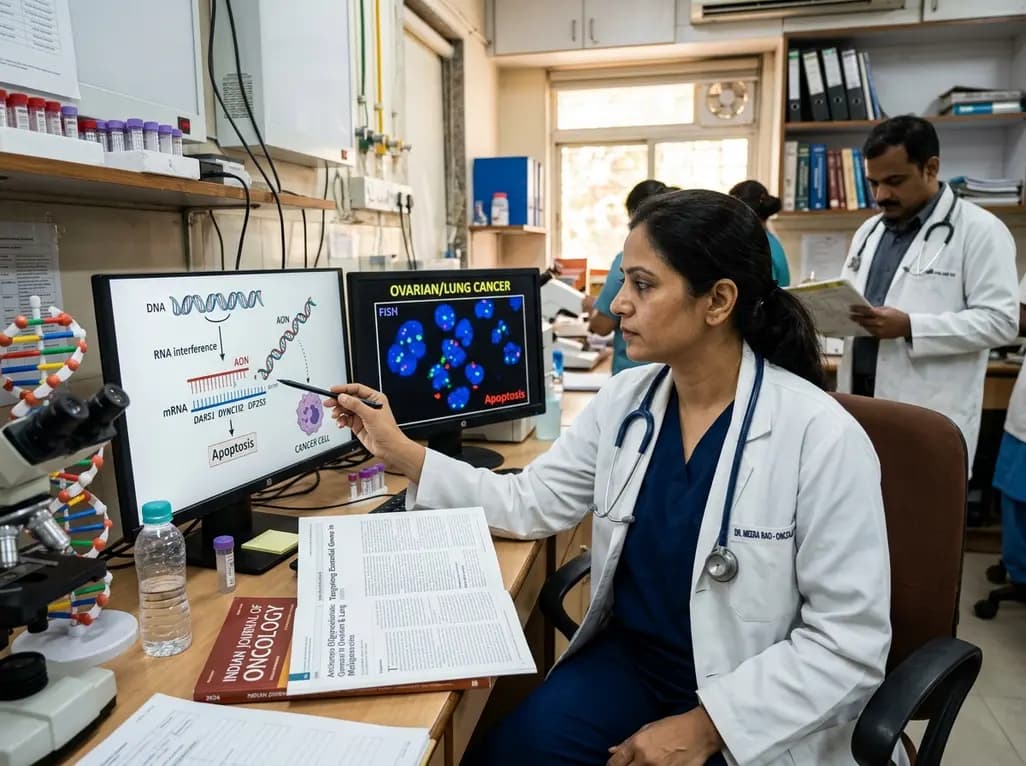
Novel preclinical research demonstrates that antisense oligonucleotides targeting essential genes such as DARS1, DYNC1I2, and EIF2S3 selectively induce apoptosis in ovarian and lung cancer cells. Conditional biomarker activation provides a viable strategy to spare normal tissue while overcoming therapy resistance.
Today
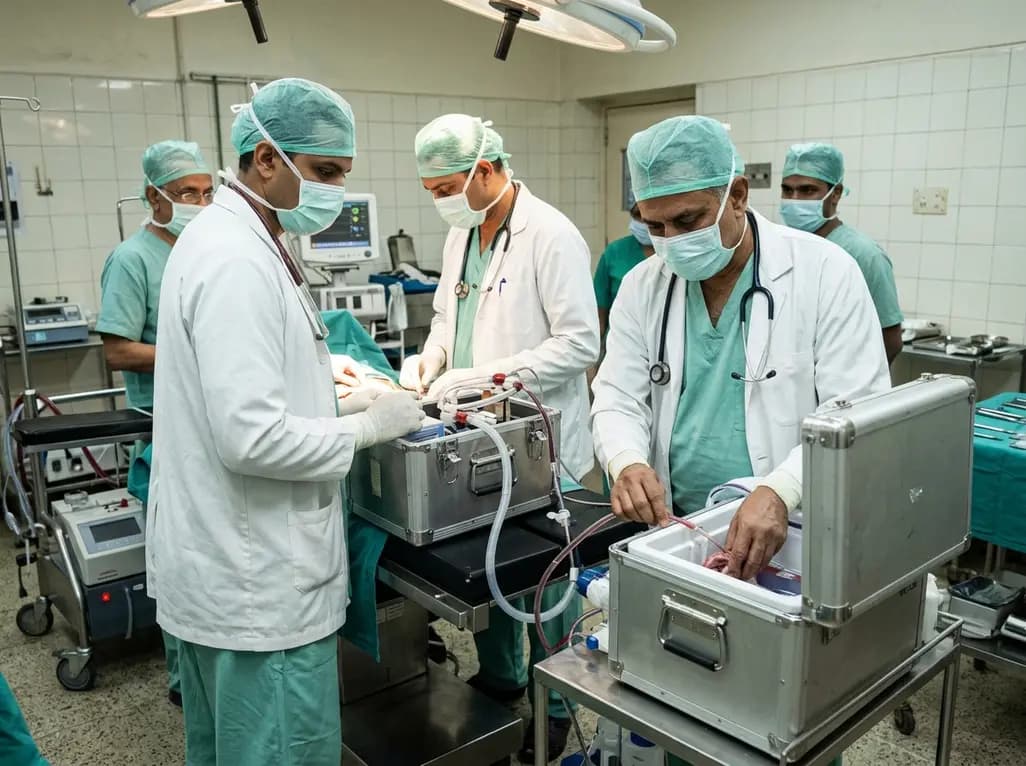
A pioneering Italian case series demonstrates that mobile heart teams can successfully implement TA-NRP heart procurement in peripheral noncardiac hospitals. Despite a mandatory 20-minute no-touch period and prolonged warm ischemia, 89.5% of hearts were transplanted with zero primary graft dysfunction.
Today
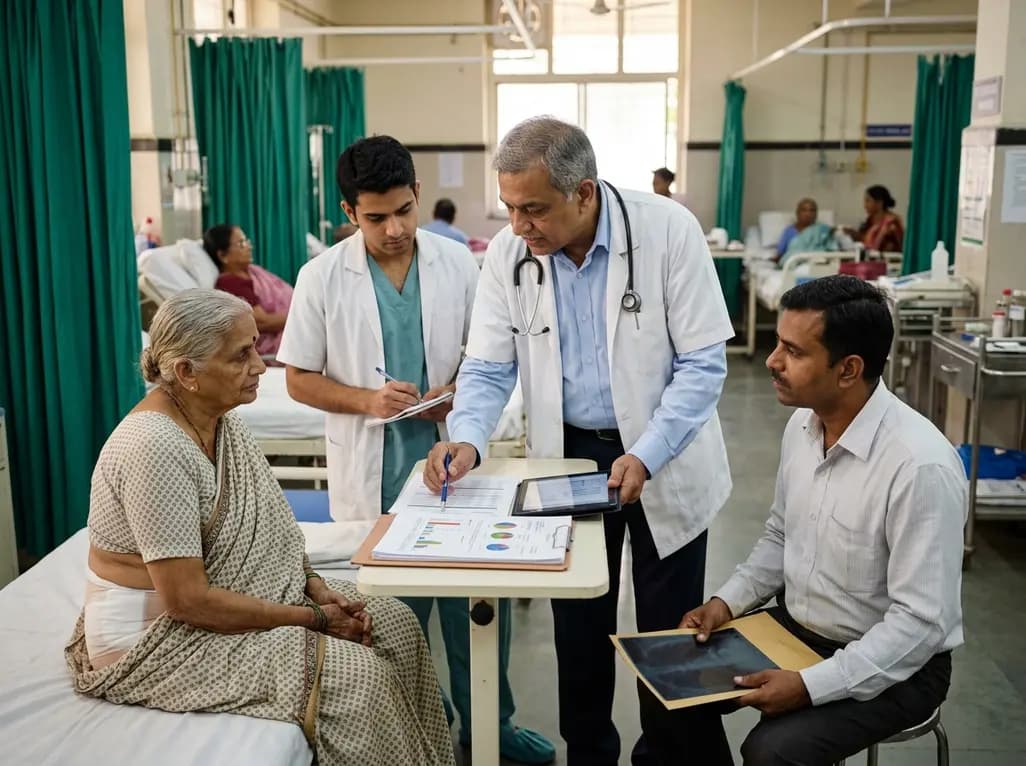
DOORS-GHF is a newly validated operative risk scoring system for geriatric hip fracture patients. Outperforming legacy tools like P-POSSUM, it accurately predicts 30-day postoperative complications and mortality, enhancing perioperative triage, clinical decision-making, and individualized orthogeriatric care.
Today

A systematic review evaluates the feasibility and safety of thyroidectomy after thermal ablation for thyroid nodules. Although procedures encounter significant fibrosis and surgical adhesions, permanent complication rates remain remarkably low in experienced centers.
Today
