

Loading, please wait...
Loading, please wait...
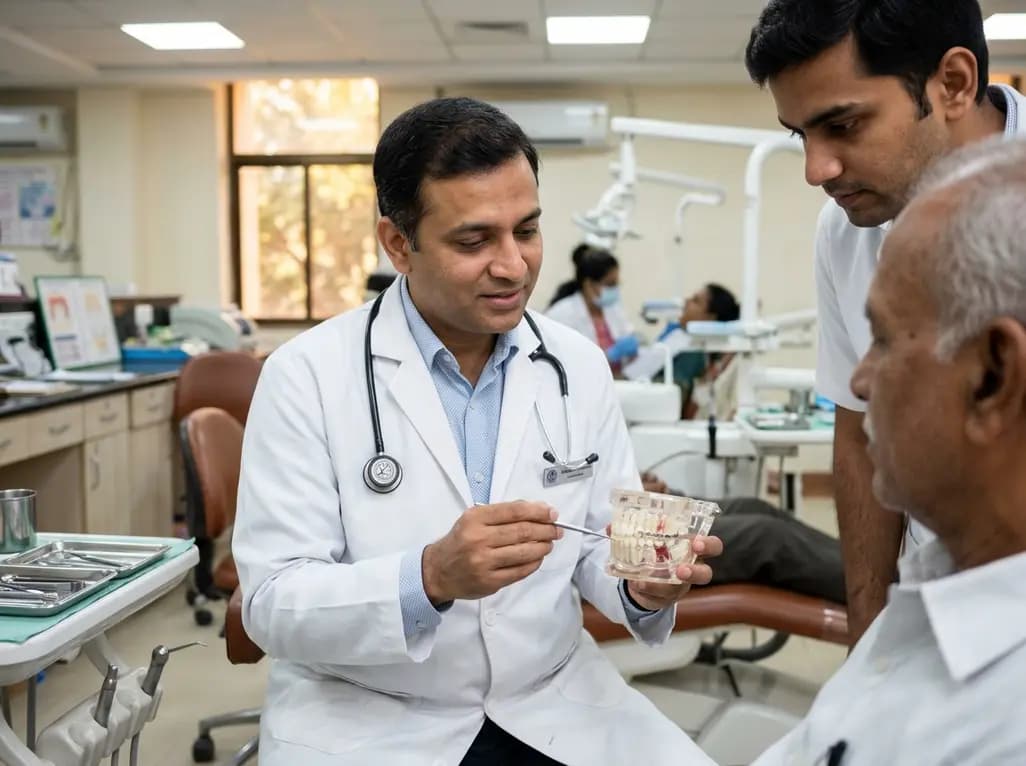
Premolar extractions represent a foundational strategy for addressing severe dental crowding and bimaxillary protrusion. Historically, clinicians debate whether to initiate mechanical traction immediately or delay appliance placement. Emerging evidence indicates that physiological drift plays a pivotal role in post-extraction space closure. Consequently, orthodontists increasingly evaluate natural dentoalveolar adaptation before applying heavy active mechanics. When teeth erupt and function, periodontal ligaments and transseptal fibers maintain a dynamic equilibrium. However, removing a first premolar disrupts these ambient intraoral forces. In response, neighboring teeth naturally migrate along the alveolar ridge. This biological process often relieves anterior crowding without early bracket placement. Furthermore, spontaneous alignment minimizes initial chairside burden for both clinician and patient. Despite these recognized benefits, clinical understanding regarding mandibular bone preservation remained largely descriptive. Recent quantitative investigations now shed critical light on these structural transformations. Clinicians can therefore re-evaluate traditional protocols that favor immediate fixed mechanics. In particular, observing tissue remodeling during an early latency period provides clear biological advantages. Thus, harnessing natural drifting mechanics may significantly elevate periodontal safety during orthodontic therapy.
Alveolar ridge resorption predictably follows any therapeutic tooth removal. Specifically, the loss of bundle bone and altered vascular supply trigger osteoclastic activity. Therefore, clinicians must assess how orthodontic forces influence bone remodeling during space closure. A recent exploratory retrospective cohort study investigated fifty-two patients undergoing four first-premolar extractions. Researchers divided participants into two distinct treatment pathways. In the drift group, clinicians delayed mandibular appliance bonding during maxillary alignment. Conversely, the orthodontic group received immediate mandibular fixed appliances for simultaneous leveling and alignment. Using high-resolution cone-beam computed tomography, investigators evaluated three-dimensional bone morphology from baseline to post-alignment. Notably, both cohorts demonstrated an overall reduction in alveolar bone width at extraction sites. However, the orthodontic group experienced significantly greater alveolar ridge narrowing than the drift group. In contrast, changes in vertical cementoenamel junction-to-crest distance remained statistically comparable across both arms. Similarly, first-molar angulation did not exhibit significant divergence between the groups. These findings clearly suggest that early active traction accelerates cortical bone loss. In comparison, allowing spontaneous migration preserves substantially more transverse alveolar volume.
Beyond alveolar bone architecture, clinicians must examine how physiological drift influences overall arch alignment. During the observation phase, both cohorts achieved meaningful improvements in dental alignment. Interestingly, mandibular anterior crowding decreased spontaneously in patients managed with delayed bonding. Statistical comparisons after Bonferroni correction demonstrated no significant difference in anterior crowding relief between the groups. Therefore, immediate appliance engagement did not confer a superior crowding correction during this early timeframe. Nevertheless, immediate active mechanics produced distinct occlusal effects elsewhere in the mandibular arch. Specifically, the orthodontic group exhibited significantly greater reductions in overjet. Furthermore, active treatment achieved greater flattening of the right Curve of Spee depth. Intermolar width also decreased more notably under immediate mechanical loading. Conversely, left Curve of Spee alterations showed no statistically significant difference between the cohorts after adjustment. These results reveal that immediate mechanics accelerate sagittal change and transverse constriction. However, natural physiological drift accomplishes substantial anterior de-crowding without mechanical strain. Orthodontists should therefore weigh these specific dimensional outcomes when selecting early intervention strategies.
To optimize orthodontic mechanics, practitioners must understand the biological drivers of natural drift. In the mandibular arch, physiological drift occurs primarily through tipping and natural mesial migration. Transseptal gingival fibers contract across the healing socket, drawing adjacent crowns toward each other. In addition, masticatory forces and perioral musculature continuously exert functional pressure on the dentition. Consequently, the anterior segments drift distally into extraction spaces under resting lip posture. This natural movement relieves crowded incisors without introducing artificial reciprocal forces. Furthermore, avoiding premature mechanical traction reduces localized hyalinization within the periodontal ligament. Heavy continuous wires frequently push roots against thin cortical plates, accelerating alveolar dehiscence. In contrast, physiologic forces remain light, intermittent, and biologically favorable. As a result, the osteogenic response can adaptively remodel the alveolar housing. Furthermore, spontaneous space reduction shortens subsequent active retraction duration. Therefore, patients experience less overall mechanical stress throughout their multi-year treatment course. By respecting functional muscular equilibrium, orthodontists achieve stable movement with reduced iatrogenic risk.
Implementing delayed bonding in extraction cases offers compelling clinical advantages for daily practice. Foremost, preserving alveolar bone width around mandibular extraction sites protects periodontal health. When clinicians preserve cortical plates, future canine retraction proceeds through a wider, healthier bony envelope. Consequently, the risks of root dehiscence and gingival recession decrease substantially. In addition, delayed mandibular intervention simplifies treatment logistics and reduces emergency appointments. Because anterior crowding resolves spontaneously, subsequent bracket positioning becomes far more accurate and efficient. Practitioners avoid early wire changes and complex reciprocal anchorage management in severely malaligned teeth. However, clinicians must carefully consider patient-specific malocclusion characteristics before choosing this protocol. Patients requiring urgent overjet reduction or deep bite opening may still benefit from immediate mechanics. Moreover, physiological drift inherently produces slight tipping rather than pure bodily movement. Orthodontists must therefore anticipate necessary uprighting mechanics during later detailing stages. Ultimately, selective drift represents an elegant, evidence-based adjunct rather than a universal clinical substitute. Integrating delayed bonding into comprehensive treatment planning optimizes both structural biology and mechanical efficiency.
Physiological drift preserves significantly more alveolar bone width compared to immediate orthodontic force application. When teeth migrate naturally under gentle functional pressures, bone remodeling occurs at a biologically favorable pace. Conversely, immediate appliance engagement applies continuous mechanical strain that accelerates cortical resorption at extraction sites. Consequently, delaying mandibular bonding helps preserve transverse ridge thickness, establishing a robust bony envelope for subsequent space closure mechanics.
Delayed bonding does not compromise early anterior crowding resolution following premolar extractions. Clinical evidence demonstrates that transseptal fibers and perioral pressures naturally guide crowded anterior teeth into adjacent spaces. In comparative studies, spontaneous crowding reduction during physiological drift matched the relief achieved by immediate fixed appliances after statistical correction. Therefore, clinicians can confidently defer lower arch bonding without sacrificing early progress in relieving incisor crowding.
Clinicians should favor immediate orthodontic force when specific biomechanical objectives require urgent intervention. For instance, severe sagittal discrepancies requiring rapid overjet reduction benefit from early mechanical control. Furthermore, active fixed appliances are necessary when patients require immediate leveling of severe vertical Curve of Spee discrepancies. In contrast, when alveolar bone preservation and gentle anterior alignment represent primary goals, allowing a period of physiological drift provides superior biological benefits.
Disclaimer: This content is for informational and educational purposes only and should not be used as a substitute for professional clinical judgment. Treatment planning must be tailored to individual patient anatomy and clinical needs. Refer to the latest local and national guidelines for clinical practice.
References

Read summarized clinical updates, watch expert medical content, and earn CME certifications right from your smartphone.
Open your smartphone camera to scan and install.





A retrospective cohort study reveals that physiological drift following mandibular first-premolar extraction significantly limits alveolar bone width reduction and spontaneously relieves anterior crowding compared to immediate fixed orthodontic force, offering key insights for clinical space management.
Today
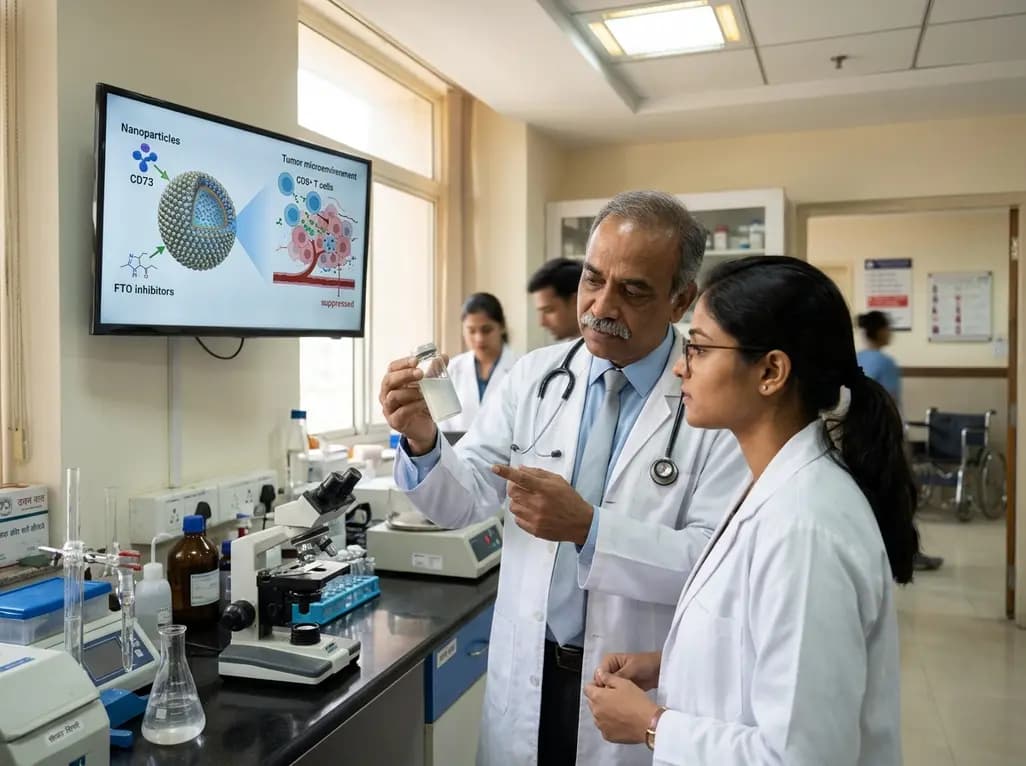
Researchers have engineered dual adenosine-modulating nanoparticles that systematically deliver CD73 and FTO inhibitors. This nanomedicine platform dismantles extracellular adenosine and intracellular m6A checkpoints, restoring cytotoxic CD8+ T cell immunity and preventing post-surgical cancer metastasis.
Today
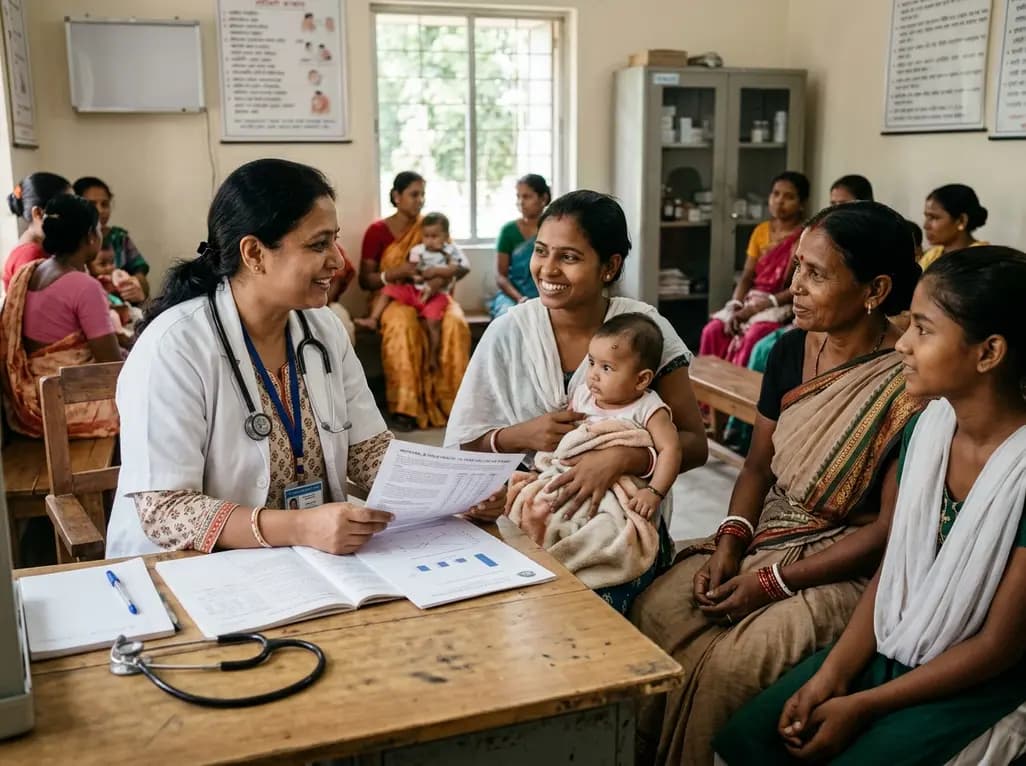
A landmark 15-year follow-up study in rural Bangladesh evaluates the long-term impact of community-based participatory women's groups on maternal survival, offspring mortality, and adolescent physical growth, offering vital insights for maternal-child health policy in South Asia.
Today
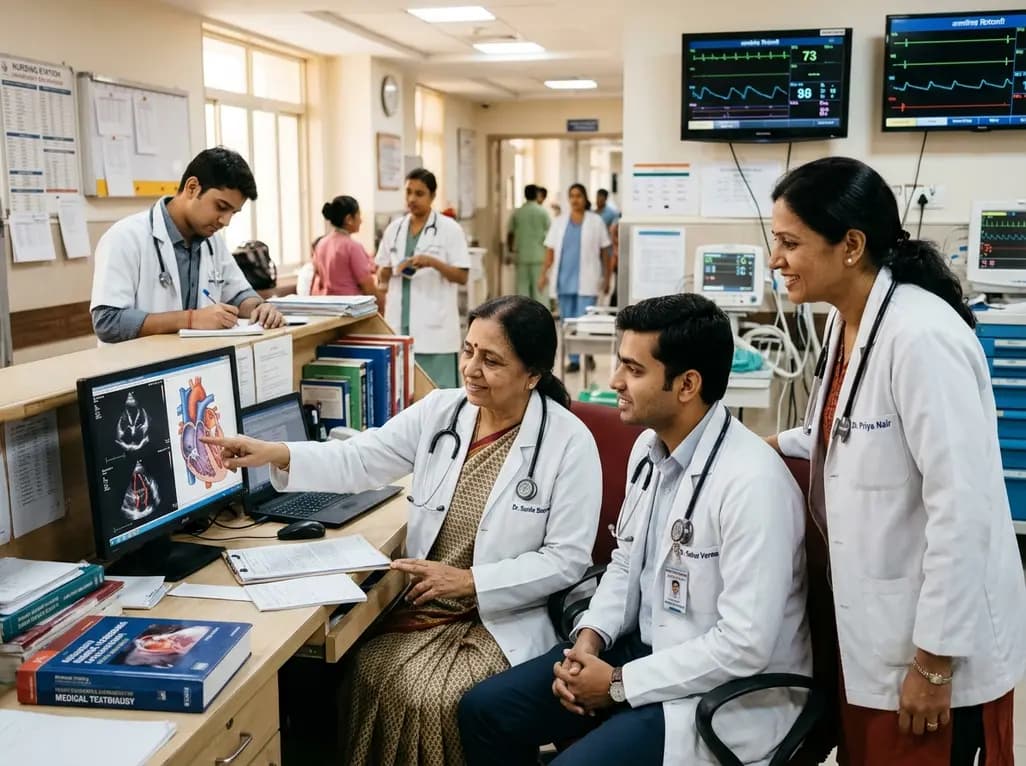
Discover how structured coaching, mentoring, and sponsorship frameworks sustain congenital cardiologists across their careers, enhancing technical competence, well-being, and equity.
Today
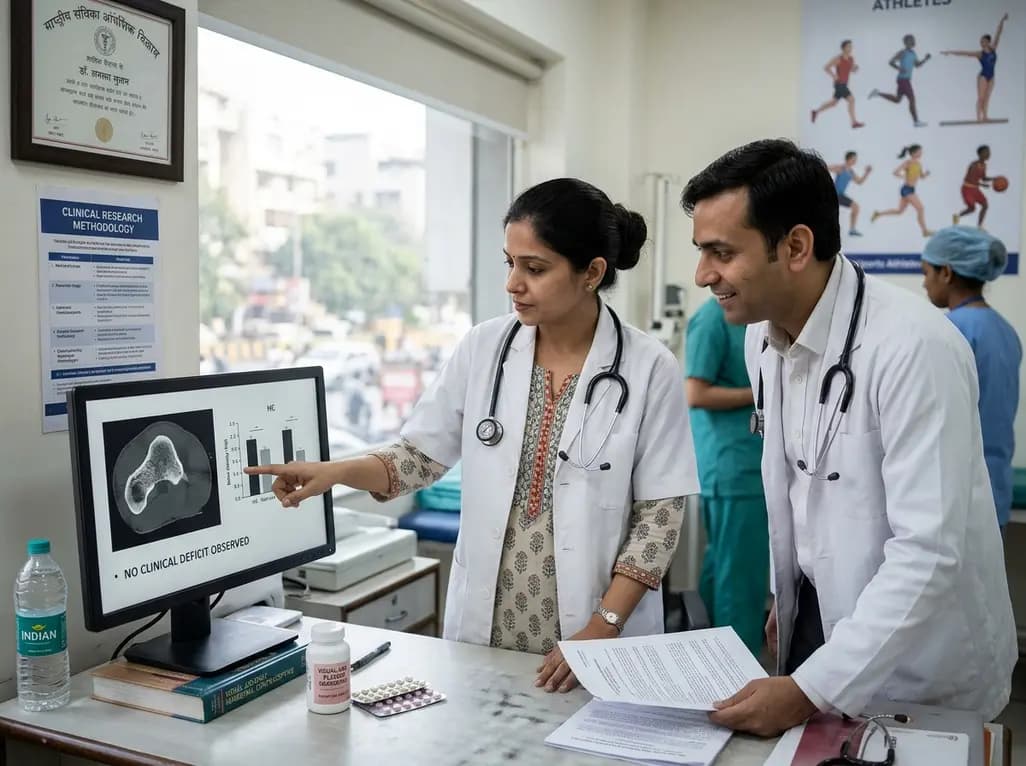
A recent Canadian study evaluates the relationship between hormonal contraceptive use, sport discipline, and volumetric bone density in elite female athletes. Using HR-pQCT, researchers found no clinically meaningful deficits, offering reassuring evidence for sports medicine and gynecology clinicians.
Today

A landmark study establishes cut-offs for administered I-131 activity and day-1 external dose rates to accurately predict isolation duration in differentiated thyroid cancer, improving discharge planning and radiation safety.
Today
