.webp&w=384&q=75)

Loading, please wait...
Loading, please wait...
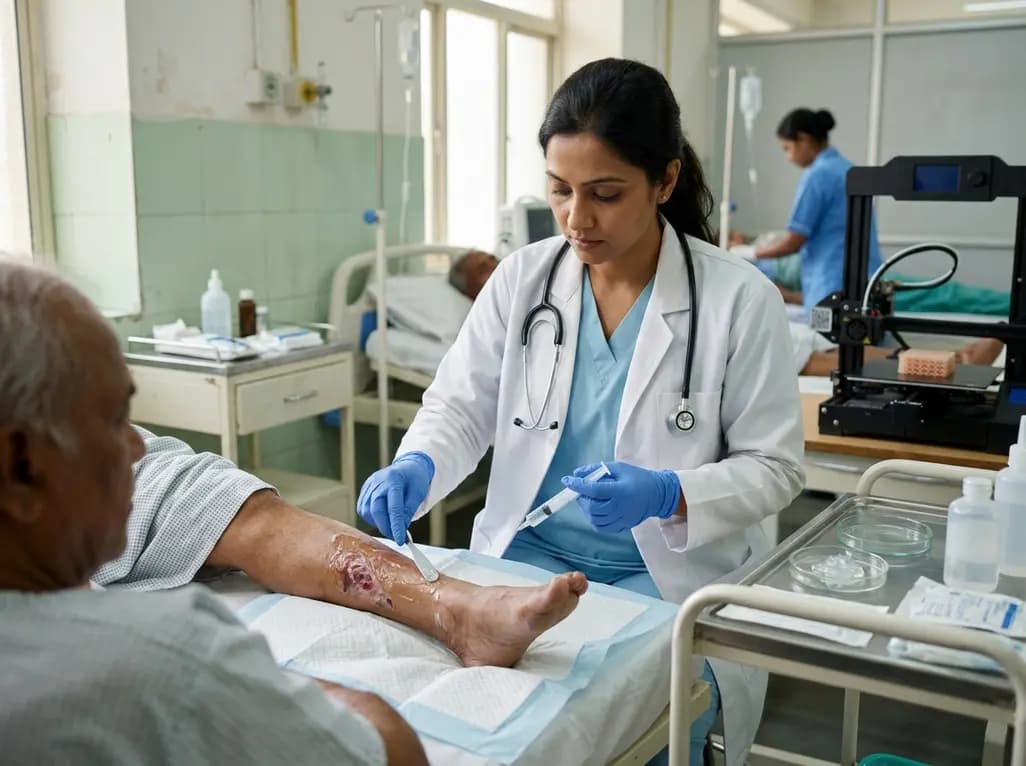
Chronic skin wounds represent an escalating clinical dilemma globally, particularly in patients suffering from diabetic foot ulcers, pressure injuries, and peripheral vascular insufficiency. Consequently, healing frequently stalls because the physiological microenvironment shifts toward alkaline pH, persistent infection, and sustained inflammatory cascades. Standard therapeutic dressings often fail to address these dynamic bio-pathological fluctuations or provide anatomical personalization for irregularly contoured lesions. To resolve this therapeutic bottleneck, bioengineers have developed an innovative pH-responsive wound dressing designed for 3D bioprinting applications. By leveraging a tailor-made poly(ether urethane) hydrogel loaded with human recombinant lactoferrin, this cutting-edge platform dynamically responds to wound alkalinity, suppresses destructive cytokines, and accelerates tissue restoration.
Under normal physiological conditions, cutaneous tissue maintains an acidic barrier that discourages microbial colonization and coordinates cell differentiation. In stark contrast, non-healing ulcers exhibit elevated alkaline exudate levels ranging from pH 7.2 to 8.9. This chronic alkalinity stems from bacterial colonization, enzymatic urea degradation, and sustained necrotic debris accumulation. Furthermore, pathogenic bacteria such as Staphylococcus aureus exploit this alkaline shift to establish resilient biofilms and resist traditional topical antimicrobials. Simultaneously, persistent immune activation stimulates inflammatory macrophages to release excessive quantities of pro-inflammatory cytokines, including tumor necrosis factor-alpha (TNF-α), interleukin-1beta (IL-1β), and interleukin-6 (IL-6). These mediators induce premature matrix metalloproteinase synthesis, which rapidly destroys extracellular matrix components and prevents fibroblast migration. Therefore, effective therapeutic interventions require intelligent biomaterials that perceive microenvironmental fluctuations and deliver restorative agents on demand.
To construct this responsive system, researchers synthesized a specialized carboxyl-bearing (-COOH) amphiphilic poly(ether urethane) framework. This molecular architecture provides exceptional dual-stimuli functionality, allowing the hydrogel to modulate its physical network in response to both physiological temperature and alkaline pH. At physiological temperatures, hydrophobic associations drive rapid physical gelation, ensuring mechanical stability across diverse tissue topographies. Moreover, when the material encounters the alkaline exudate characteristic of infected chronic wounds, the pendant carboxyl moieties undergo progressive deprotonation. This electrostatic repulsion induces swelling within the polymeric matrix, triggering controlled cargo release. Rheological assessments verified that the formulation possesses shear-thinning behavior, which enables smooth extrusion during manufacturing. Consequently, investigators can utilize this formulation as a sophisticated biomaterial ink for 3D bioprinting, establishing customized, patient-specific patches tailored to complex wound beds.
Rather than relying solely on conventional antibiotics that promote drug resistance, the research team encapsulated human recombinant lactoferrin (hrLF) into the poly(urethane) matrix. Lactoferrin functions as an essential, naturally derived multifunctional glycoprotein with extensive physiological immunomodulatory and regenerative properties. However, chronic wound fluid contains hostile proteolytic enzymes that frequently degrade bioactive peptides before they exert clinical effects. Therefore, the researchers evaluated hrLF stability within hostile biological environments using ultraviolet-visible spectroscopy and specialized colorimetric degradation assays. The data demonstrated that the protective poly(ether urethane) hydrogel shields the encapsulated protein from aggressive enzymatic proteolysis. Subsequently, drug-release kinetics revealed a non-Fickian, anomalous diffusion mechanism strictly dictated by surrounding pH shifts. Thus, the system accelerates hrLF liberation exclusively when encountering alkaline infection markers, ensuring localized therapeutic action while sparing healthy surrounding tissues.
Chronic tissue wounds remain suspended within an unresolving inflammatory phase, preventing transition into proliferative remodeling. In vitro assays evaluating simplified inflamed wound environments revealed that hrLF-loaded hydrogels remarkably mitigate this pathology. Specifically, the formulations significantly suppressed the transcription and secretion of pivotal inflammatory cytokines, including TNF-α, IL-1β, and IL-6. By dampening this destructive biochemical feedback loop, the hydrogel prevents excessive leukocyte recruitment and limits collateral tissue proteolysis. Simultaneously, the sustained delivery of bioactive lactoferrin stimulated human dermal fibroblast proliferation, confirmed by marked increases in cellular DNA content. Furthermore, fibroblasts exhibited enhanced metabolic viability and migratory capability across wound margins. Because fibroblasts synthesize structural collagen and glycosaminoglycans, this targeted cellular stimulation re-establishes the foundational dermal architecture necessary for lasting clinical re-epithelialization.
Bacterial contamination represents a primary obstacle preventing clinical granulation tissue formation in diabetic ulcers. In this study, the hrLF-loaded hydrogel exhibited pronounced bacteriostatic activity against Staphylococcus aureus, one of the most prevalent clinical isolates in chronic wounds. Rather than causing non-specific cytotoxicity, lactoferrin disrupts bacterial membrane integrity and chelates essential iron ions vital for microbial survival. Furthermore, the rate-dependent, pH-triggered release profile ensured that higher bacterial loads, which exacerbate wound alkalinity, induced rapid compensatory therapeutic deployment. This feedback-driven mechanism effectively suppressed microbial expansion without encouraging antimicrobial resistance. Additionally, cell culture experiments confirmed that the formulation maintained high cytocompatibility toward native mammalian cells, displaying negligible cytotoxicity. Consequently, the hydrogel accomplishes simultaneous microbicidal suppression and cellular preservation, establishing a favorable niche for unhindered re-epithelialization.
From a translational perspective, this responsive biomaterial represents a major paradigm shift toward precision wound medicine. In clinical practice, particularly across India where diabetic foot ulcers present massive clinical and financial burdens, conventional generic gauze dressings remain largely suboptimal. They fail to conform to deep, undermined ulcer contours and do not react to changing microbial kinetics. In contrast, integrating this amphiphilic poly(urethane) hydrogel with 3D bioprinting allows clinicians to fabricate custom-fitted patches matching exact patient wound geometries. Moreover, the self-regulating therapeutic release mitigates frequent painful dressing changes, lowering secondary trauma and hospital visits. While these preclinical findings demonstrate remarkable efficacy, future clinical trials must establish long-term safety, cost-effectiveness, and scalability across diverse clinical settings. Ultimately, smart responsive formulations provide a promising pathway toward reducing chronic ulcer recurrence and amputation rates worldwide.
Healthy human skin preserves a mildly acidic surface pH between 4.5 and 5.5, which restricts opportunistic pathogen proliferation. In contrast, chronic and infected wounds develop an alkaline microenvironment ranging from pH 7.2 to 8.9 due to bacterial waste products and persistent tissue breakdown. The responsive carboxyl groups in the hydrogel undergo deprotonation specifically at alkaline pH. Consequently, the matrix swells and discharges its active therapeutic payload selectively upon encountering infected tissue exudates.
Topical antibiotics carry a substantial risk of inducing secondary contact dermatitis and fueling widespread antimicrobial resistance. Conversely, human recombinant lactoferrin serves as a physiological glycoprotein with dual anti-inflammatory and bacteriostatic functions. Lactoferrin limits microbial proliferation by sequestering essential free iron and disrupting bacterial membranes, notably against Staphylococcus aureus. Additionally, it actively suppresses destructive cytokines like TNF-α and IL-6 while simultaneously stimulating dermal fibroblast proliferation, promoting genuine tissue regeneration without promoting microbial drug resistance.
Standard planar wound dressings cannot accurately conform to irregular depths, undermined margins, or asymmetrical geometries found in severe diabetic or pressure ulcers. By formulating this poly(urethane) hydrogel as an adaptable biomaterial ink, clinicians can leverage optical scanning and 3D bioprinting to construct custom-tailored anatomical patches. This personalized morphology maximizes direct surface contact with infected wound beds, enhances exudate absorption, and ensures localized, homogeneous distribution of therapeutics precisely where tissue necrosis and inflammation persist.
Disclaimer: This content is for informational and educational purposes only and should not be considered medical advice. Always consult a qualified healthcare professional regarding any medical condition or treatment. Refer to the latest local and national guidelines for clinical practice.
References

Read summarized clinical updates, watch expert medical content, and earn CME certifications right from your smartphone.
Open your smartphone camera to scan and install.





A breakthrough pH-responsive poly(urethane) hydrogel enables customized 3D bioprinting and smart delivery of human recombinant lactoferrin, targeting wound alkalinity, reducing pro-inflammatory cytokines, and inhibiting Staphylococcus aureus to accelerate chronic wound healing.
last month

Co-administering antiseizure medications and DOACs frequently causes pharmacokinetic interactions, subtherapeutic drug levels, and thromboembolic failures. This review highlights enzyme induction risks, unpredictable outcomes with levetiracetam, and the vital role of therapeutic drug monitoring.
Today

Demanding exhaustive hormonal profiling can inadvertently discourage clinical studies involving females. Methodological standards must align with the specific scientific question to expand, not restrict, equitable evidence for women.
Today
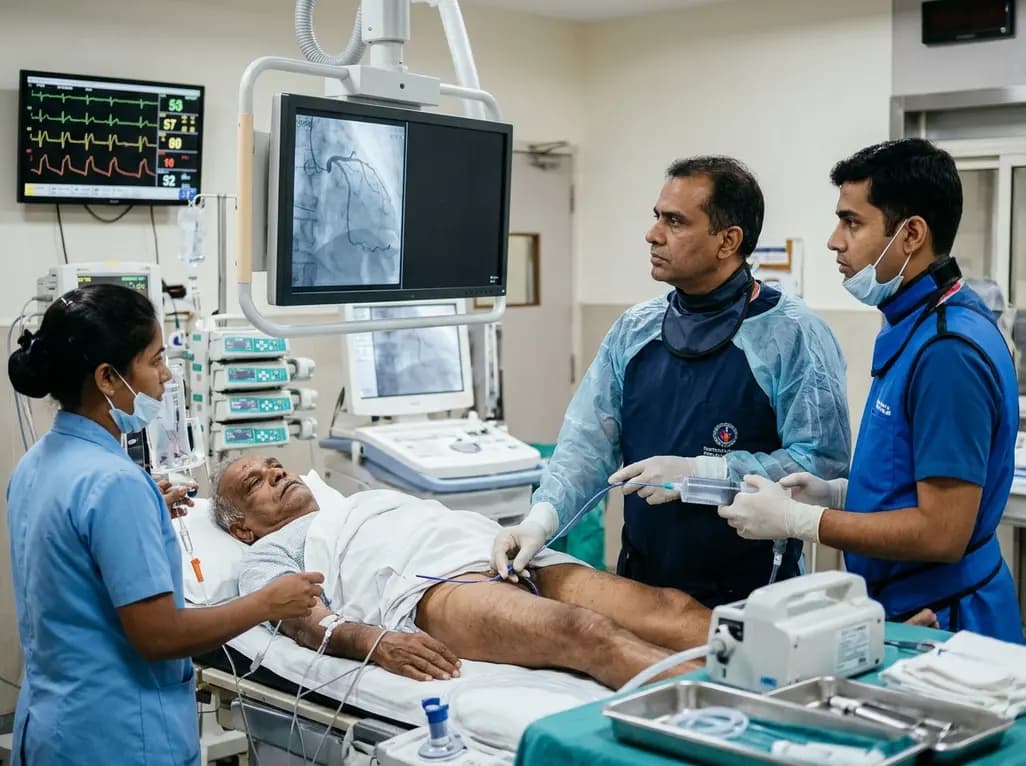
An elderly man with partially repaired Tetralogy of Fallot presented with STEMI caused by coronary embolism rather than atherosclerosis. Successful treatment with sustained mechanical aspiration thrombectomy underscores the vital need for high clinical vigilance in adult congenital heart disease.
Today

A comparative review of tension band wiring and intramedullary screw fixation in thumb metacarpophalangeal arthrodesis, evaluating union rates, hardware complications, and clinical outcomes.
Today

Following regulatory scrutiny from FSSAI regarding promotional representations and lean muscle preservation claims, Dr. Reddy's Laboratories and Nestlé Health Science are currently reviewing the branding and marketing strategy for their joint nutritional supplement Celevida GLP+.
Today
