.webp&w=384&q=75)

Loading, please wait...
Loading, please wait...

Researchers at the Post Graduate Institute of Medical Education and Research (PGIMER) in Chandigarh have achieved a clinical breakthrough by introducing a novel gallbladder cancer detection AI model. Specifically, this artificial intelligence tool utilizes routine, radiation-free ultrasound images to accurately identify early malignant signs. Consequently, this innovation offers an accessible diagnostic option for regions with limited medical infrastructure.
Gallbladder cancer remains a major public health menace in north India, particularly among women. Unfortunately, common gallstones serve as a primary risk factor for this highly aggressive disease. Since early malignancy signs are subtle, smaller peripheral centers often miss them due to a lack of specialized radiologists. Consequently, clinicians often diagnose these patients at advanced stages, which severely restricts treatment options.
Specifically, the PGIMER team designed a unique model that mirrors real-world clinical workflows. Unlike conventional systems, this software evaluates multiple ultrasound scans from a single patient simultaneously. Furthermore, this multi-image analysis delivers a unified "cancer" or "non-cancer" diagnosis along with a mathematical probability score. Crucially, the system highlights the exact visual areas that influenced its decision. This visual feedback allows local medical officers to quickly verify the machine's findings.
Led by Dr. Pankaj Gupta, this pioneering study appeared in "The Lancet Regional Health – Southeast Asia". For this reason, researchers successfully tested the model on clinical data from four prominent north Indian hospitals. Additionally, team computer scientist Kartik Bose developed a user-friendly, free-access computer application based on this research. Consequently, researchers and frontline clinicians worldwide can immediately access this technology. Ultimately, the PGIMER team plans prospective clinical trials to integrate this software directly into routine hospital workflows.
Q1: How does the new AI model differ from standard medical AI tools?
Unlike conventional systems that look at single-view images, this model simultaneously reviews multiple ultrasound images from the same patient to generate a single diagnostic probability score.
Q2: Why is early gallbladder cancer detection particularly challenging in rural India?
Although basic ultrasound equipment is highly accessible, smaller rural health centers often lack the specialized radiologists required to identify subtle, early signs of malignant tumors.
Disclaimer: This content is for informational and educational purposes only. It does not constitute medical advice or replace professional judgment. Refer to the latest local and national guidelines for clinical practice.
References

Read summarized clinical updates, watch expert medical content, and earn CME certifications right from your smartphone.
Open your smartphone camera to scan and install.





PGIMER researchers developed a free, interpretable AI application to detect early-stage gallbladder cancer using routine ultrasound imaging scans....
4 months ago
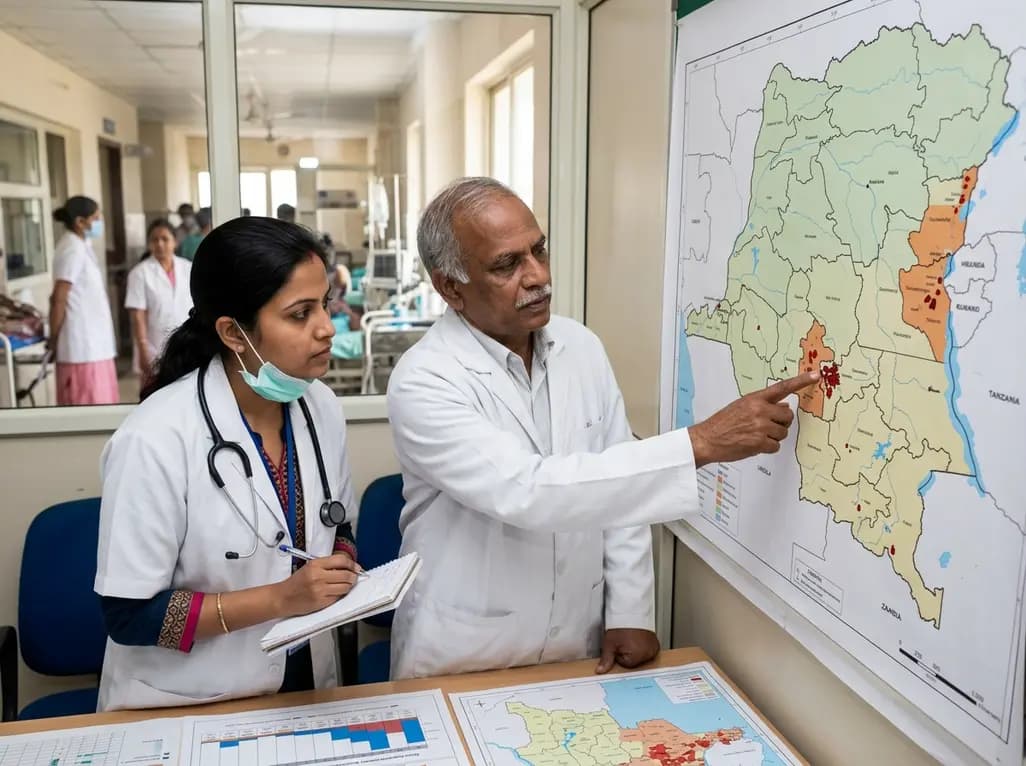
Epidemiologists and health leaders warn that active Ebola virus transmission in the Democratic Republic of Congo remains entrenched within communities. With fewer than ten percent of expected contacts monitored, public health officials urge rapid surveillance scale-up and reinforced healthcare precautions.
Today
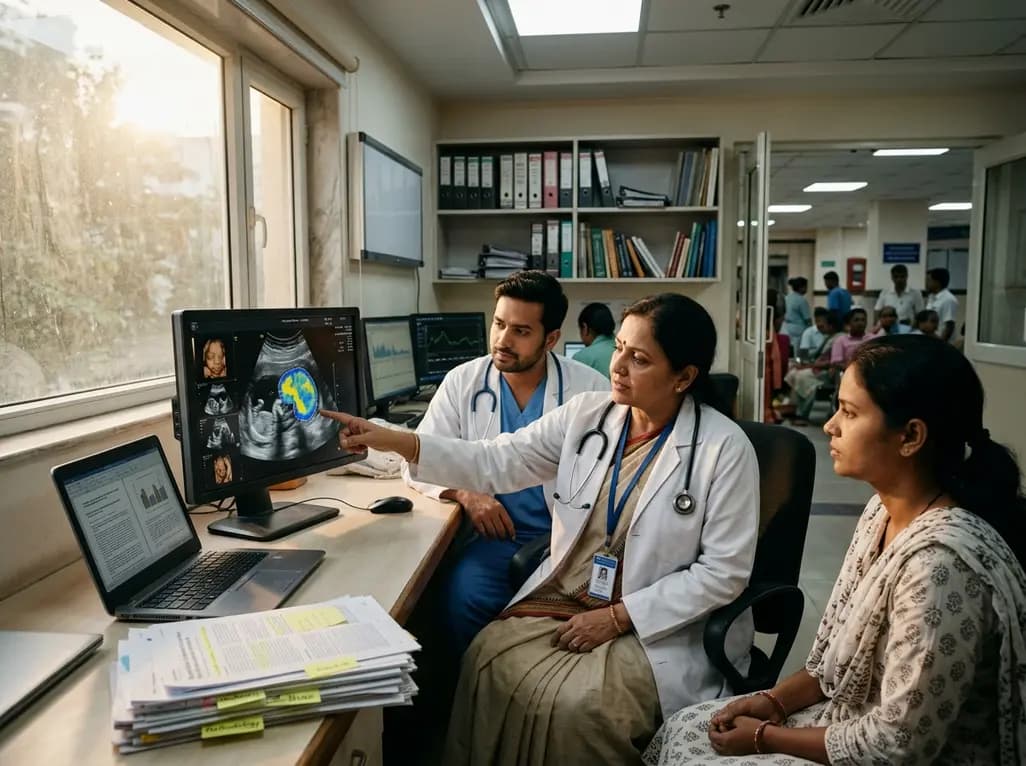
A scoping review evaluates 116 studies on AI in women's reproductive health, finding that 83.6% carry high risk of bias. While ensemble models show promise, disparities and lack of validation hinder LMIC deployment.
Today
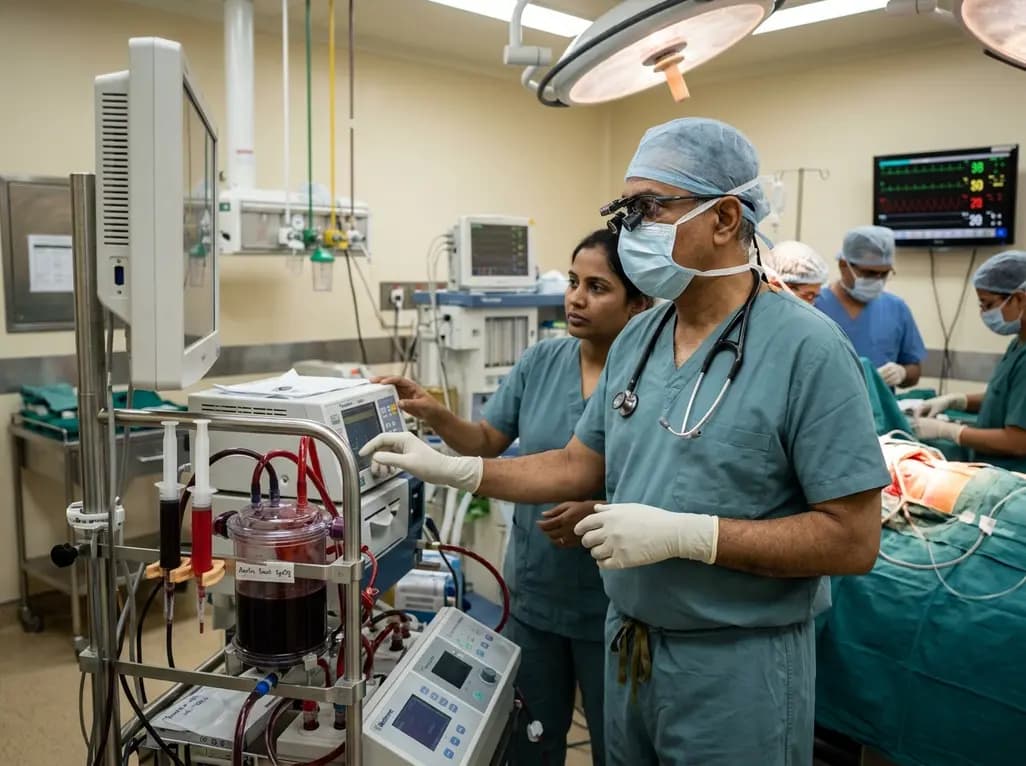
Differential oxygenation during peripheral TA-NRP can cause undetected coronary hypoxemia due to arch vessel clamping. A novel circuit with continuous aortic root monitoring detects desaturation early, facilitating left ventricular unloading and preventing allograft dysfunction and unnecessary heart discard.
Today

India faces significant opportunities to expand medical device exports to high-growth markets like Mexico, Brazil, and the UK. By addressing its trade deficit, advancing domestic component manufacturing, and aligning with global regulatory standards, the country aims to become an international healthcare hub.
Today
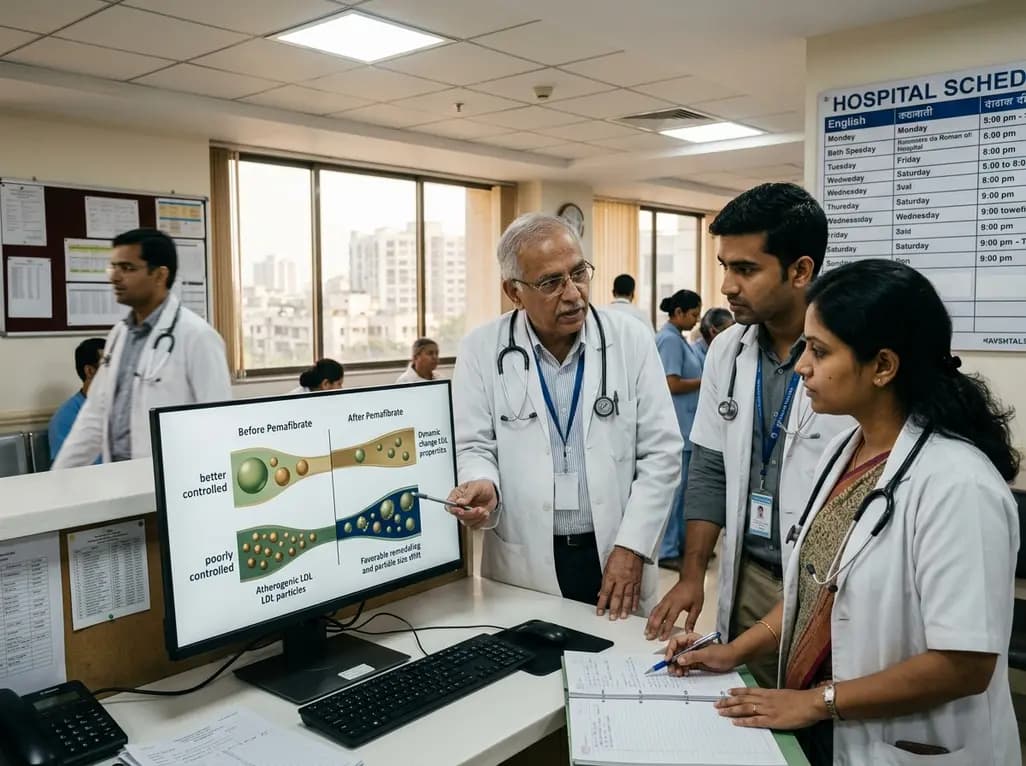
A post hoc analysis of the PARM-T2D study shows pemafibrate exerts baseline-dependent effects on LDL-C and particle size in type 2 diabetes and hypertriglyceridemia. It lowers triglycerides and remnants while favorably remodeling atherogenic LDL particles based on initial lipid control status.
Today
