.webp&w=384&q=75)

Loading, please wait...
Loading, please wait...
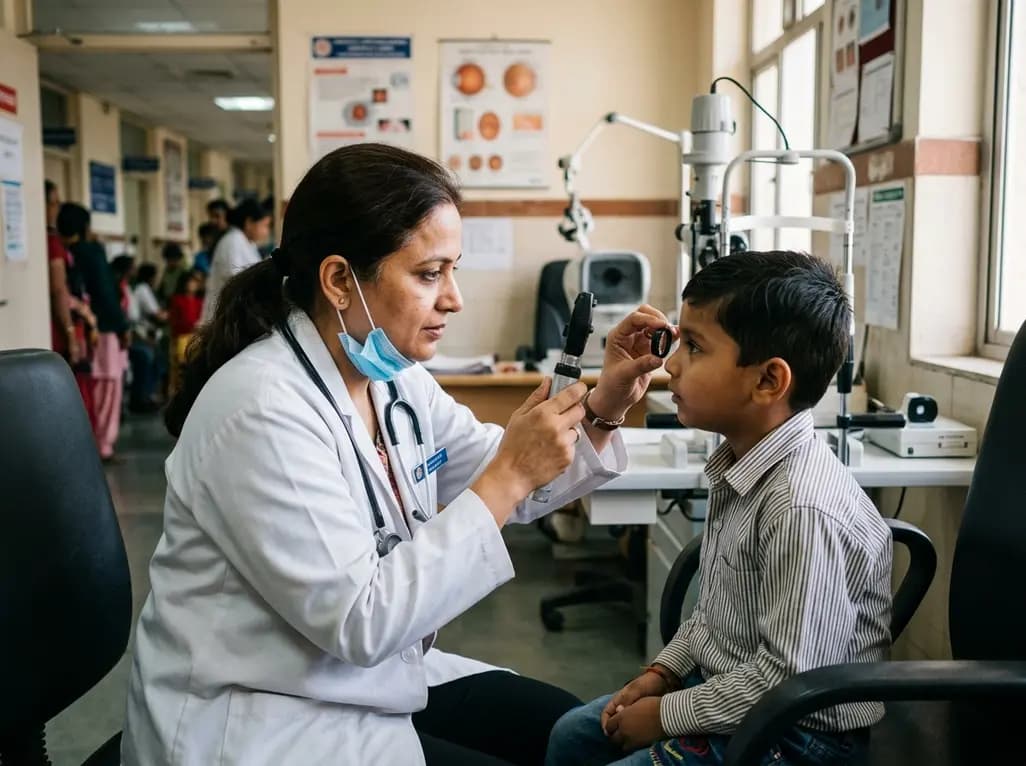
The Post Graduate Institute of Medical Education and Research (PGIMER) in Chandigarh has established a historic benchmark in paediatric glaucoma care. Furthermore, documented medical literature confirms that the Advanced Eye Centre at PGI has officially overtaken the world-renowned Samuel and Ethel Balkan International Pediatric Glaucoma Center at the Bascom Palmer Eye Institute in Miami. Consequently, the institute now manages the highest volume of paediatric glaucoma patients globally. This extraordinary achievement highlights how dedicated institutional vision can transform outcomes for vulnerable infants and children facing lifelong vision loss.
Historically, the Bascom Palmer Eye Institute in the United States served as the premier standalone international referral hub. The Miami institute manages an average of 4,133 children annually, including approximately 339 new patients. In contrast, PGI managed an unprecedented 7,269 children and registered 602 new referrals during the 2025-26 period. Therefore, PGI has comfortably surpassed previous international records in clinical throughput.
Furthermore, these figures reflect findings from an extensive nationwide study led by Dr. Sushmita Kaushik, founder secretary of the Indian Pediatric Glaucoma Society. The investigation tracked childhood glaucoma across 13 leading tertiary eye care institutions in India. Notably, the study revealed that PGI treated the highest number of newly diagnosed cases in the entire country. Together with the LV Prasad Eye Institute in Hyderabad, the two centres accounted for more than half of all newly registered paediatric cases nationwide. As a result, PGI has cemented its reputation as an indispensable pillar of specialised paediatric eye care in the developing world.
The journey toward global leadership began in 2012 when Dr. Sushmita Kaushik initiated a modest, once-weekly specialised clinic at PGI. Over the past 14 years, this focused initiative evolved into a comprehensive, world-class tertiary referral department. Today, the centre provides integrated clinical care, innovative research, and structured training for fellows across South Asia.
Childhood glaucoma is a rare and complex group of disorders that poses immense clinical challenges. Because the disease can cause irreversible optic nerve damage, rapid diagnosis and prompt management are crucial. Dr. Kaushik observed that early institutional commitment created a structured care pathway for families across Northern India. Moreover, the sustained dedication of the ophthalmology faculty enabled the centre to streamline high-volume outpatient management without compromising clinical quality. Prof. Vivek Lal, director of PGIMER, highlighted that this workload demonstrates how focused subspecialty expertise can curb avoidable childhood blindness. Thus, the exponential expansion of the service represents over a decade of continuous clinical refinement.
Surgical intervention remains the primary therapeutic strategy for managing primary congenital glaucoma. In this arena, the Advanced Eye Centre achieved historical significance by performing India's first documented goniotomy. This delicate ab-interno surgical procedure allows surgeons to incise the trabecular meshwork directly, thereby restoring physiological aqueous outflow in infants.
However, advanced and refractory childhood glaucoma cases often fail standard angle surgery and traditional trabeculectomy. To address this therapeutic barrier, PGI researchers helped develop and validate affordable glaucoma drainage devices. Standard commercial shunts remain prohibitively expensive for many families in low- and middle-income nations. Therefore, adopting low-cost aqueous drainage implants like the Aurolab aqueous drainage implant provides a sustainable alternative. These implants effectively control intraocular pressure while minimizing catastrophic surgical complications. Additionally, the team pioneered modified tube insertion techniques tailored specifically to the unique biomechanical properties of growing pediatric eyes. Consequently, these surgical milestones have made complex sight-saving interventions accessible to families across diverse socio-economic strata.
Accurate evaluation of the anterior segment is vital for guiding surgical decisions in paediatric glaucoma care. Because young infants cannot cooperate during standard slit-lamp examinations, clinical assessment has traditionally required general anaesthesia. However, PGI spearheaded the integration of high-resolution, non-invasive anterior-segment optical coherence tomography (AS-OCT) for pediatric diagnostic workflows.
This advanced laser imaging technology enables clinicians to visualize angle dysgenesis, iris insertion abnormalities, and corneal changes without sedation. Furthermore, researchers at PGI have led groundbreaking studies investigating the molecular genetics underlying primary congenital glaucoma. Specifically, investigations into CYP1B1 and LTBP2 genetic mutations have provided critical insights into familial disease patterns in Indian cohorts. These genetic discoveries facilitate timely risk stratification, genetic counselling, and early screening of subsequent siblings. Additionally, longitudinal structural imaging allows clinicians to monitor surgical blebs and drainage tube positions with exceptional accuracy. Ultimately, combining non-invasive ocular diagnostics with molecular biology has established new clinical paradigms for childhood eye care globally.
Childhood blindness imposes profound socio-economic burdens on families and society due to the substantial disability-adjusted life years involved. Unlike adult glaucoma, untreated pediatric glaucoma alters corneal anatomy, causes progressive buphthalmos, and induces severe amblyopia. Therefore, establishing high-volume centres of excellence is essential for national blindness prevention programmes.
The coordinated efforts between PGI and the Indian Pediatric Glaucoma Society underscore the importance of structured multi-centre data registries. By pooling clinical outcomes across 13 major medical centres, researchers can identify regional variations in disease presentation and treatment compliance. Moreover, PGI conducts extensive community outreach and pediatric screening training for ophthalmologists across rural India. This educational outreach ensures that primary practitioners recognize subtle symptoms, such as photophobia, tearing, and corneal haziness, before severe optic nerve cupping occurs. Consequently, early referrals to tertiary centres prevent catastrophic visual impairment. In summary, PGI’s model exemplifies how academic excellence and public health awareness can merge to eliminate avoidable blindness in young children.
Q1: Why is early detection vital in paediatric glaucoma care?
Early detection is critical because elevated intraocular pressure in infants rapidly stretches the immature sclera and cornea, leading to buphthalmos, corneal opacity, and permanent optic nerve atrophy. Furthermore, delayed diagnosis can cause irreversible amblyopia even if pressure is controlled later. Recognizing subtle early signs like excessive tearing, photophobia, and eye enlargement enables prompt surgical intervention, effectively preserving long-term visual potential in young children.
Q2: How does childhood glaucoma differ from adult-onset glaucoma?
Childhood glaucoma differs significantly from adult glaucoma in etiology, clinical presentation, and therapeutic approach. While adult glaucoma is typically treated with topical medications initially, childhood glaucoma is predominantly a structural developmental abnormality requiring primary surgical intervention. Moreover, the growing pediatric eye exhibits elastic expansion under high pressure, leading to globe enlargement and corneal haze that are rarely observed in adult patients.
Q3: What surgical techniques are commonly utilized for pediatric glaucoma?
Surgeons primarily utilize angle-based surgeries, such as goniotomy and trabeculotomy, as first-line interventions for primary congenital glaucoma. In addition, combined trabeculotomy-trabeculectomy is frequently performed to achieve robust intraocular pressure control. For complex or refractory cases that fail initial angle surgery, ophthalmologists implant specialized glaucoma drainage devices or tube shunts to maintain stable aqueous drainage and protect delicate optic nerve fibres.
Disclaimer: This content is for informational and educational purposes only. It does not constitute medical advice or replace professional judgment. Refer to the latest local and national guidelines for clinical practice.
References

Read summarized clinical updates, watch expert medical content, and earn CME certifications right from your smartphone.
Open your smartphone camera to scan and install.





PGI Chandigarh has surpassed Miami's Bascom Palmer Eye Institute to become the world's leading center for pediatric glaucoma, managing over 7,200 children annually with pioneering surgical techniques, low-cost implants, and cutting-edge research.
last month
With post-monsoon dengue surges threatening South Asian health systems, physicians must refine triage and management. This guide covers vital warning signs, plasma leakage detection, crystalloid titration, and vector containment strategies to prevent mortality during seasonal arboviral epidemics.
Today
Findings from Project Viva indicate that sustained postpartum weight retention, rather than excessive gestational weight gain alone, directly worsens women's mid-life cardiovascular health, degrading blood pressure and glycemic parameters decades after delivery.
Today
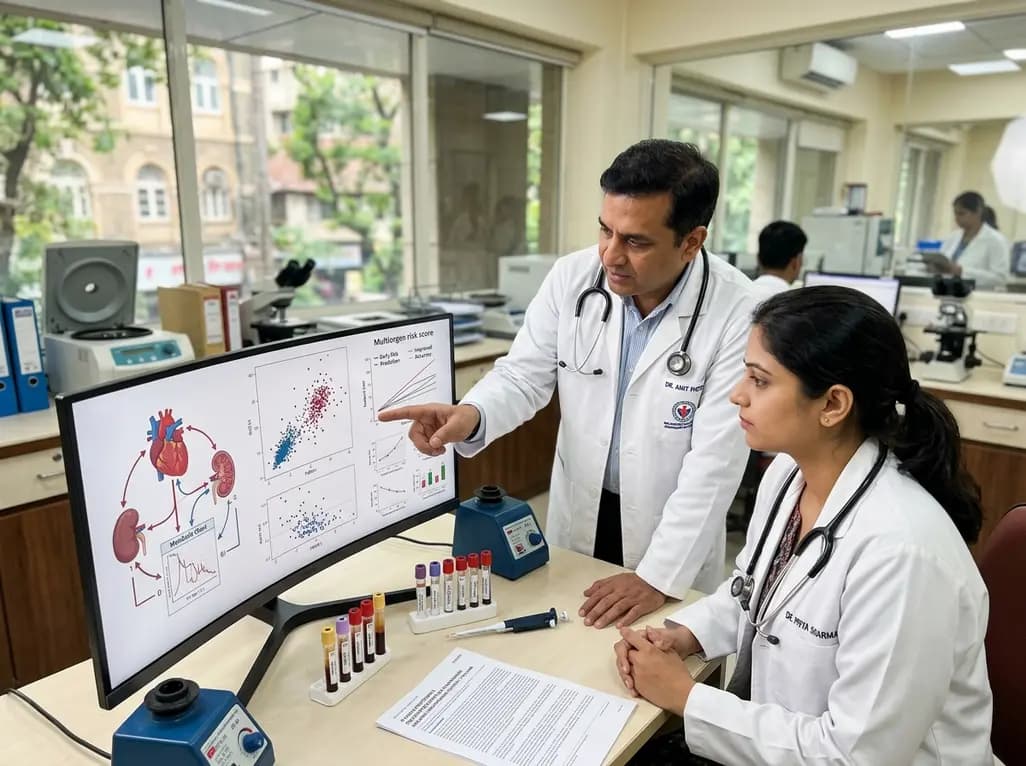
A large UK Biobank study reveals that plasma proteomic signatures capture preclinical organ damage and improve multiorgan risk prediction across early CKM syndrome stages 0 to 2 beyond traditional PREVENT clinical models.
Today
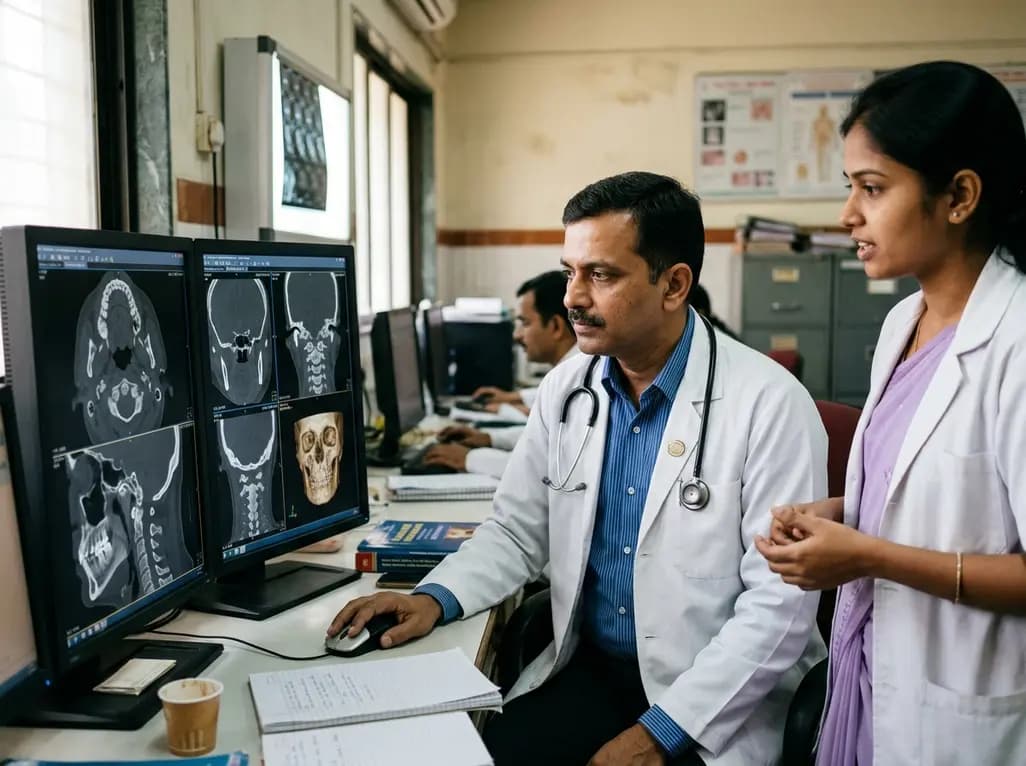
A retrospective CBCT study reveals that superior TMJ space asymmetry correlates moderately with occipital condyle-atlas-axis asymmetry in unilateral TMJ osteoarthritis, highlighting an imaging correlate between jaw biomechanics and upper cervical alignment rather than a standalone diagnostic marker.
Today

A Bayesian multilevel meta-analysis reveals that aerobic training combined with moderate carbohydrate restriction modestly lowers HbA1c in type 2 diabetes. However, sparse data and very low certainty leave incremental benefits over exercise or diet alone unproven, highlighting the need for individualized care.
Today
