.webp&w=384&q=75)

Loading, please wait...
Loading, please wait...
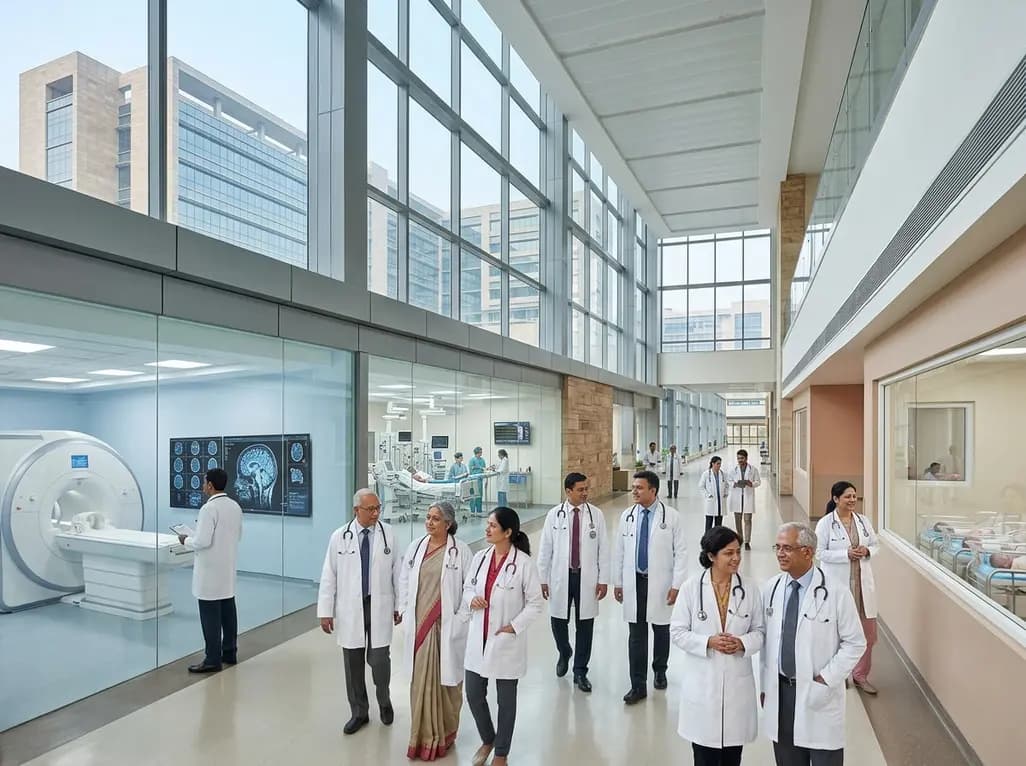
Prime Minister Narendra Modi will virtually inaugurate three major new PGI Chandigarh medical facilities. Consequently, this digital event will mark a massive upgrade to North India's healthcare network. Furthermore, the administration is actively preparing the digital infrastructure to avoid any technical glitches.
Initially, the Union Health Ministry approved the Rs 490 crore Advanced Neuroscience Centre in 2017. However, construction only commenced in 2020. The facility finally began phased outpatient services on April 20, 2026. This state-of-the-art center features 300 beds and spans over 47,000 square meters. Additionally, the building includes three basements with dedicated parking for patients and staff. Because of this new facility, PGIMER will significantly de-congest its main outpatient block and emergency wings. Neurology and neurosurgery patients can now access integrated diagnostics and consultations seamlessly under one roof.
Meanwhile, the Rs 485 crore Mother and Child Care Centre is fully complete. The five-storey, 430-bed hospital will become completely operational this month. Interestingly, the facility features advanced medical equipment worth Rs 150 crore, which Infosys generously donated in 2024. Beside this maternal center, the Prime Minister will also unveil the new Critical Care Block. Consequently, these additions will tremendously improve emergency preparedness in Chandigarh. Together, these projects represent a monumental leap for the region's overall healthcare system.
Q1: What are the three main projects included in the upcoming virtual inauguration?
The three key projects are the Advanced Neuroscience Centre, the Mother and Child Care Centre, and the new Critical Care Block at PGIMER Chandigarh.
Q2: How much did the Advanced Neuroscience Centre cost and what is its capacity?
The Advanced Neuroscience Centre cost Rs 490 crore and features a 300-bed capacity to provide comprehensive neurological care.
Q3: When did the outpatient departments start operating at the new Neuroscience Centre?
The neurology and neurosurgery outpatient departments officially commenced phased operations from the new building on April 20, 2026.
Disclaimer: This content is for informational and educational purposes only. It does not constitute medical advice or replace professional judgment. Refer to the latest local and national guidelines for clinical practice.
References

Read summarized clinical updates, watch expert medical content, and earn CME certifications right from your smartphone.
Open your smartphone camera to scan and install.





Explore PGIMER Chandigarh's massive Rs 1,000 crore expansion, featuring advanced neurosciences, critical care, and mother-child care facilities....
4 months ago
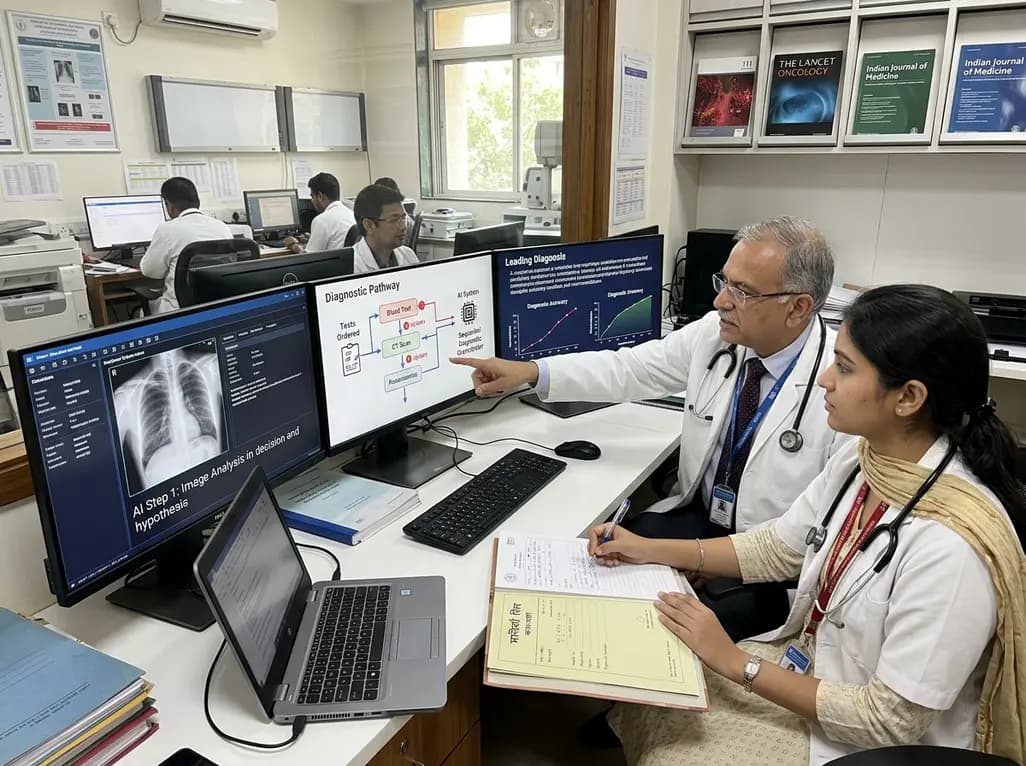
A breakthrough peer-reviewed study demonstrates that a sequential AI diagnosis system can mirror real-world clinical reasoning. By ordering stepwise tests and updating hypotheses dynamically, this multi-agent orchestrator achieved superior diagnostic accuracy while reducing investigative costs.
Today

A prenatal case highlights severe glutaric acidemia type II presenting as bilateral hyperechoic cystic kidneys at 18 weeks. Whole-exome sequencing revealed a novel homozygous ETFDH frameshift variant, demonstrating the power of rapid genetic testing in fetal renal anomalies.
Today

Review how tailored exercise programs benefit frail older patients with heart failure. Explore pathophysiological mechanisms, individualized training prescriptions, and strategies to overcome adherence barriers in clinical practice.
Yesterday

This comparative study evaluates posterior labral tears with and without glenohumeral instability, highlighting distinct demographic patterns, MRI underestimation in stable shoulders, and successful arthroscopic repair outcomes.
Yesterday

A clinical study demonstrates that early intervention with tocilizumab, either as monotherapy or bridged with corticosteroids, achieves significant proptosis reduction and resolves active inflammation in treatment-naive thyroid eye disease.
Yesterday
