

Loading, please wait...
Loading, please wait...
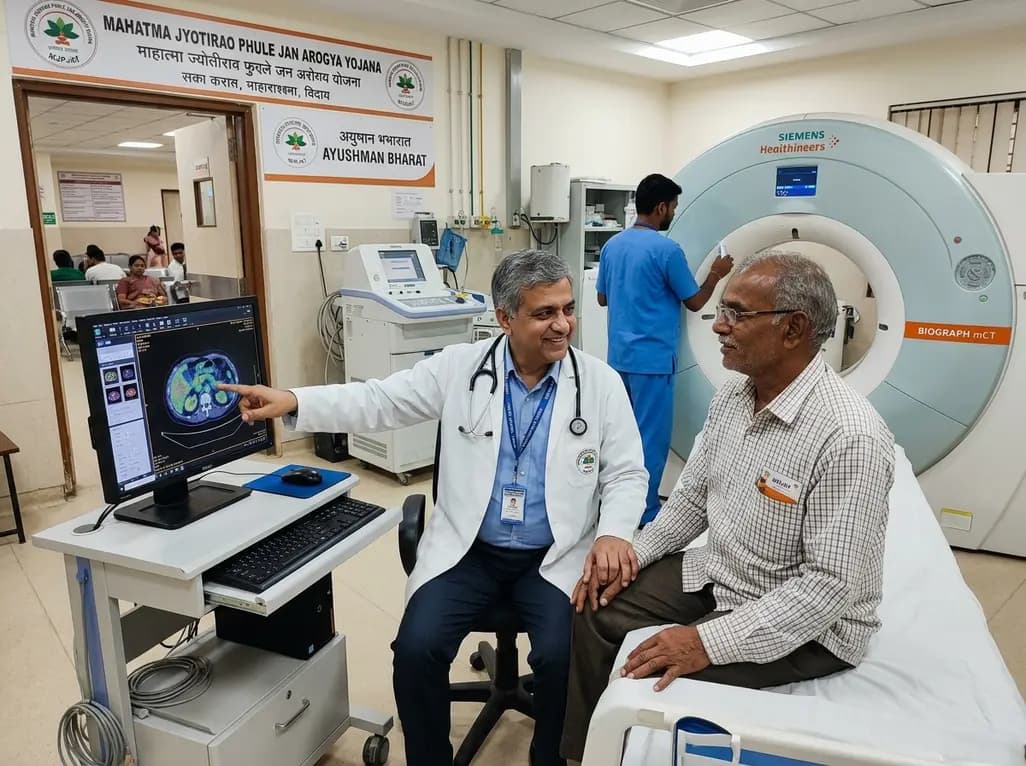
The Maharashtra public health department recently expanded PET-CT scan coverage under its premier welfare programs. This crucial policy update integrates advanced molecular imaging into the Mahatma Jyotirao Phule Jan Arogya Yojana and Ayushman Bharat-PMJAY. Consequently, oncology teams can now stage malignancies accurately without inflicting severe financial distress on vulnerable families. By subsidizing expensive nuclear imaging, the state government addresses a long-standing clinical bottleneck in cancer diagnostics. Moreover, this milestone facilitates early disease detection and improves therapeutic monitoring for thousands of indigent cancer patients across the state.
The Maharashtra government formally issued a resolution on October 15 to overhaul cancer diagnostic coverage under public schemes. Previously, state health programs supported therapeutic interventions while excluding costly diagnostic modalities like positron emission tomography. Therefore, economically disadvantaged patients often postponed these essential investigations due to high out-of-pocket costs. Such delays frequently led to advanced presentation, missed metastatic disease, and compromised survival rates. In response, a specialized expert committee evaluated hospital petitions and citizen appeals to rectify this gap. State Public Health Minister Prakash Abitkar highlighted that timely diagnostic evaluation remains vital for effective clinical outcomes. Thus, the government resolution broadens PET-CT scan coverage to bridge rural and semi-urban diagnostic disparities. Rural patients frequently encounter insurmountable hurdles when traveling to tertiary urban centers for molecular imaging. Furthermore, the updated policy guarantees that regional disparities no longer dictate diagnostic precision or timeliness. Treating oncologists can now initiate targeted therapy promptly without waiting for personal patient funding. Ultimately, this structural policy adjustment directly aligns clinical best practices with equitable state-sponsored social healthcare delivery. As a result, Maharashtra joins leading healthcare jurisdictions that recognize functional imaging as foundational cancer care.
The revised regulatory framework markedly widens the functional scope of molecular imaging across multiple therapeutic packages. Previously, clinicians could only order scans as add-on investigations within 44 designated oncology treatment packages. Under the updated government resolution, officials expanded this list to encompass 63 comprehensive cancer treatment regimens. In addition, the resolution establishes PET-CT scans as standalone, primary diagnostic investigations for 13 distinct malignancies. Clinicians previously struggled to obtain pre-therapy authorization because the earlier scheme mandated an active intervention package first. Consequently, primary baseline staging faced unnecessary operational delays. Now, oncologists can utilize 18F-FDG PET-CT scans immediately upon suspected presentation for these 13 malignancies. This structural change benefits patients with lymphoma, lung cancer, and head and neck tumors where accurate baseline staging determines operability. Furthermore, the scan allows multidisciplinary tumor boards to detect occult distant metastases before initiating morbid surgical resections. Similarly, clinicians can accurately delineate radiation therapy target volumes to avoid unnecessary toxicities. Moreover, surveillance protocols can reliably detect early locoregional recurrence when salvage therapies offer genuine curative intent. Therefore, separating standalone diagnostic authorization from ongoing treatment packages provides critical flexibility for oncologists across Maharashtra. Importantly, this programmatic flexibility ensures that clinical staging matches international oncology guidelines.
Financial toxicity represents a well-documented barrier in comprehensive oncology care across developing healthcare economies. Prior to this resolution, private diagnostic centers charged market rates ranging between twenty thousand and thirty-five thousand rupees. Such prohibitive costs frequently drove vulnerable households into catastrophic health expenditures or forced therapy abandonment. In contrast, the new government notification fixes clear diagnostic reimbursement caps to eliminate arbitrary billing. Under the approved tariff schedule, a whole-body scan receives reimbursement at twenty thousand four hundred rupees. Similarly, the specialized brain PET-CT scan is capped at fourteen thousand six hundred and fifty rupees. In addition, the state fixed Gallium-68 DOTATATE or PSMA imaging at fifteen thousand rupees. Cardiac PET scans carry an approved reimbursement package of nine thousand four hundred rupees. Empanelled private and government healthcare institutions must deliver these diagnostic services completely cashless to eligible beneficiaries. Therefore, low-income households no longer face predatory out-of-pocket medical bills during clinical evaluations. Moreover, standardized price caps provide fiscal predictability for public exchequers while maintaining high imaging quality standards. Consequently, this financial shielding protects vulnerable socioeconomic groups from enduring poverty caused by advanced illness. Ultimately, universal cashless reimbursement establishes a fair standard for all participating tertiary centers.
The government established stringent institutional prerequisites to ensure optimal imaging quality and prevent systemic financial abuse. First, a certified medical oncologist, surgical oncologist, or radiation specialist must formally document the clinical necessity. General medical practitioners cannot independently prescribe these advanced scans without specialist endorsement. Furthermore, empanelled hospitals must possess comprehensive technical infrastructure and accredited in-house PET-CT suites. Facilities without dedicated cyclotrons or established radiopharmacy supply chains must demonstrate documented, authorized procurement channels. In addition, healthcare centers must employ certified nuclear medicine physicians and radiation safety officers. These technical stipulations guarantee accurate tracer administration, precise image acquisition, and safe radiation exposure protocols. Moreover, empanelled hospitals must secure prior approval before conducting each scheduled scan. Treating clinicians must upload histopathology reports, staging workups, and multidisciplinary notes into the portal. Thus, strict pre-authorization protocols ensure that scans remain reserved for medically appropriate, guideline-endorsed indications. However, authorities established accelerated review tracks for acute oncologic emergencies requiring urgent treatment initiation. Consequently, regulatory oversight balances financial stewardship with rapid clinical decision-making. Ultimately, this rigorous oversight model protects patient safety while preserving vital public health resources. Accordingly, state audits will monitor hospital compliance against accredited safety standards. In doing so, health authorities maintain exceptional diagnostic reliability across all participating centers.
Seamless administrative execution relies entirely on robust digital infrastructure across public health networks. Therefore, the Maharashtra State Health Assurance Society directed technical teams to update the Transaction Management System. Specifically, software engineers configured the National Health Authority TMS 2.0 platform to accommodate the expanded package codes. This specialized digital architecture automates beneficiary verification and pre-authorization routing across public and private hospitals. Furthermore, electronic claim processing eliminates paper-based administrative friction and minimizes turnaround time for diagnostic clearances. Hospital administrative coordinators can directly track claim status, mitigating procedural bottlenecks for critically ill patients. Additionally, real-time analytics enable state oversight bodies to detect irregular claim clusters and combat fraudulent billing. Automated digital cross-checks verify patient eligibility against centralized socio-economic databases within seconds. Consequently, empanelled centers can perform scans promptly without fearing delayed financial reimbursements. In addition, integration with national health registries fosters longitudinal tracking of patient outcomes and survival metrics. Treating clinicians can access historical imaging archives across different empanelled facilities during subsequent treatment phases. Ultimately, TMS 2.0 serves as an indispensable technological backbone for state-wide oncology care. As a result, digitized claims empower healthcare providers to deliver timely diagnostic interventions without administrative delays. Importantly, transparent digital tracking builds long-term operational trust among healthcare providers and patients alike.
Q1: What are the eligibility criteria for getting a cashless PET-CT scan under MJPJAY in Maharashtra?
Beneficiaries must possess an active ration card or scheme card linked to MJPJAY or Ayushman Bharat PM-JAY. Additionally, a certified specialist, such as a medical or surgical oncologist, must document the clinical justification for the scan. The empanelled hospital must upload complete diagnostic records, staging history, and clinical documentation to the TMS 2.0 portal for official pre-authorization. Once the State Health Assurance Society approves the request, the patient receives cashless imaging services.
Q2: How does the new policy distinguish between add-on packages and standalone diagnostic procedures?
Under the revised framework, PET-CT scans function as add-on diagnostic procedures across 63 defined cancer therapeutic packages, expanding from 44 previously. This allows continuous treatment monitoring and therapeutic reassessment during active oncology care. In contrast, the policy designates PET-CT as a standalone diagnostic procedure for 13 specific cancer types. Consequently, treating oncologists can conduct essential baseline staging and primary diagnostic evaluation before committing patients to surgical or medical treatment regimens.
Q3: What standardized rates are fixed for different PET-CT modalities under the government resolution?
The Maharashtra public health department established transparent price ceilings to eliminate private out-of-pocket costs. A standard whole-body PET-CT scan is capped at twenty thousand four hundred rupees, while brain scans cost fourteen thousand six hundred and fifty rupees. Furthermore, specialized Gallium-68 scans, including DOTATATE and PSMA modalities, carry a fixed rate of fifteen thousand rupees. Cardiac PET scans are capped at nine thousand four hundred rupees, ensuring full cashless coverage across network hospitals.
Disclaimer: This content is for informational and educational purposes only. It does not constitute medical advice or replace professional judgment. Refer to the latest local and national guidelines for clinical practice.
References

Read summarized clinical updates, watch expert medical content, and earn CME certifications right from your smartphone.
Open your smartphone camera to scan and install.





The Maharashtra public health department has integrated PET-CT scans into MJPJAY and Ayushman Bharat PM-JAY. Covering 63 oncology packages and 13 standalone indications, the initiative eliminates crippling out-of-pocket expenses, speeds clinical staging, and expands access to vital molecular imaging across the state.
Today
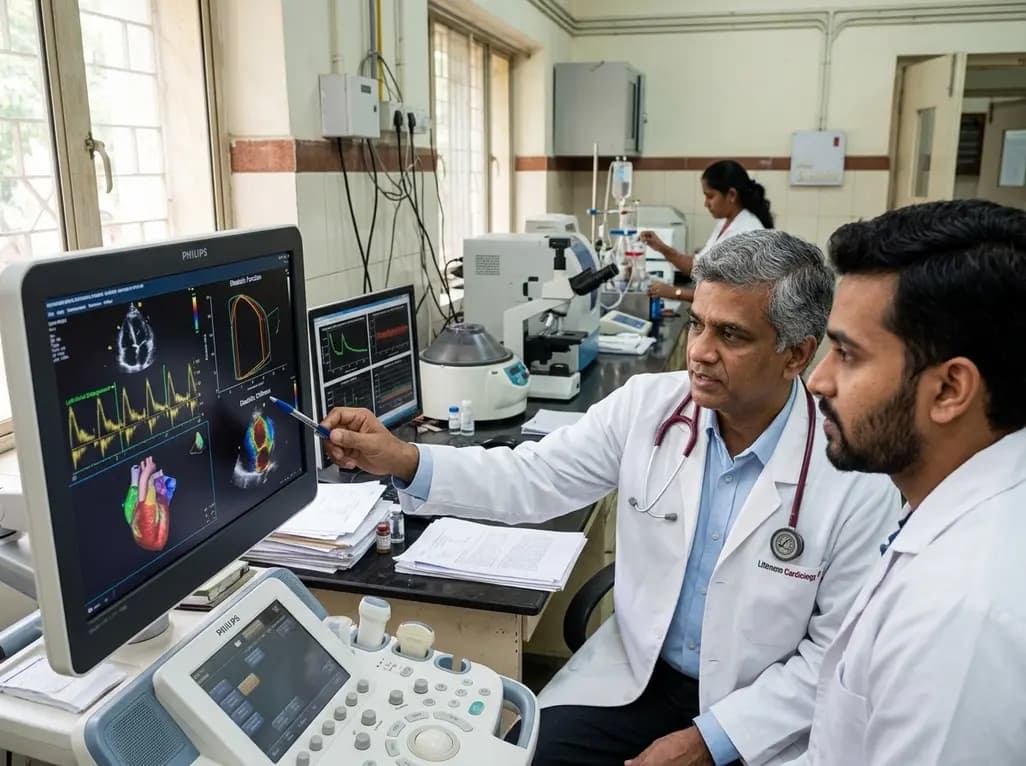
A study evaluates a cardiometabolic HFpEF model combining metabolic stress with chronic mineralocorticoid excess. The findings reveal profound diastolic stiffness, endothelial dysfunction, and pulmonary hypertension, illuminating key pathophysiological mechanisms for targeted cardiopulmonary therapies.
Today
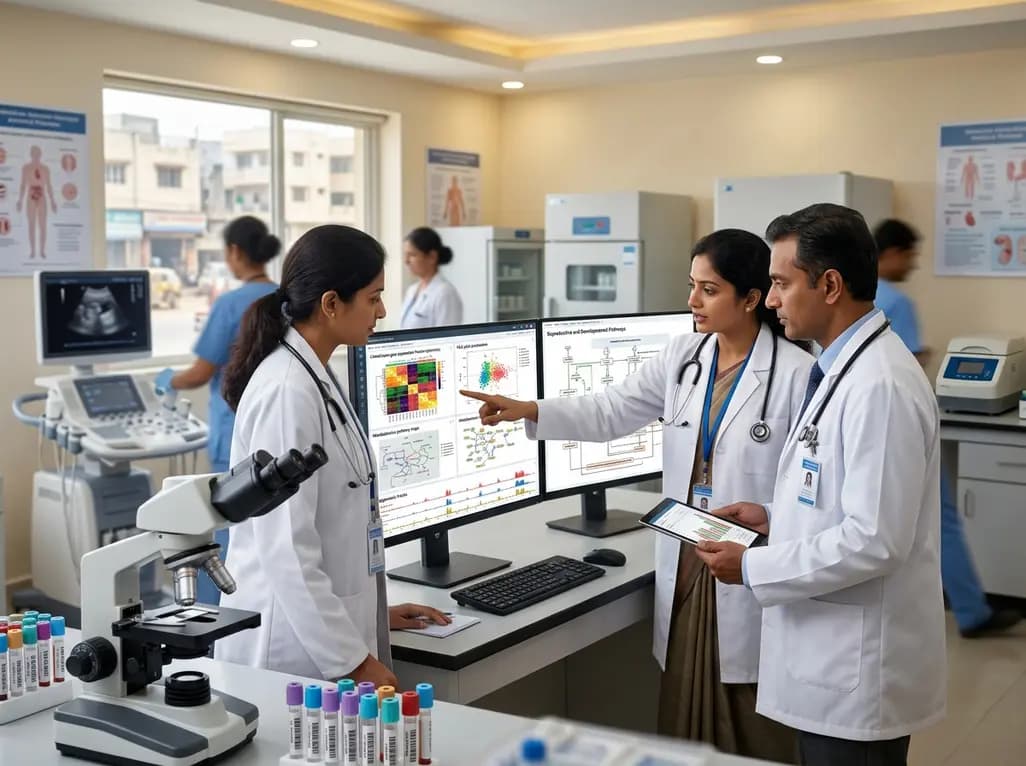
The Human Reproduction and Development Database (HRD) consolidates bulk and single-cell transcriptomics, epigenomics, metabolomics, proteomics, and clinical trial records into a unified platform to advance reproductive health research.
Today

Partial heart transplantation offers living, growth-capable cardiac valve replacements for children. While orthotopic heart transplantation faces severe logistical barriers in low-resource settings, partial transplantation presents lower graft ischemia sensitivity and simplified immunosuppression protocols.
Today
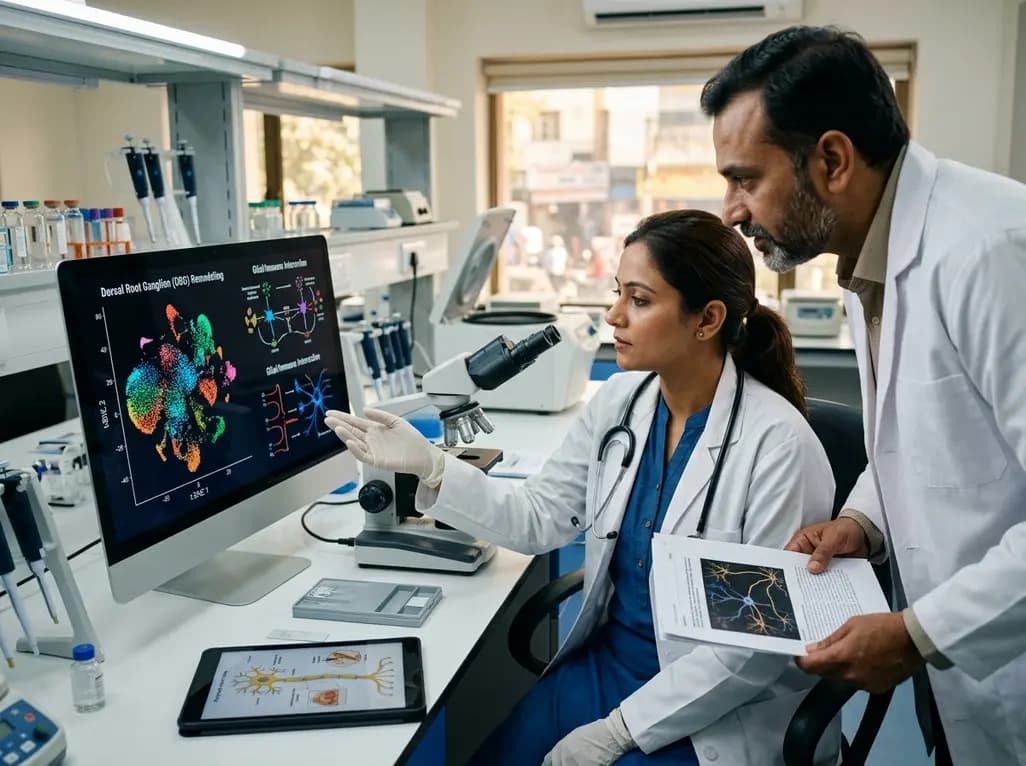
A single-cell transcriptomic atlas reveals how peripheral nerve injuries cause dorsal root ganglion remodeling. By evaluating proximal nerve crush and resection, researchers identify distinct glial and immune programs that resolve neuropathic pain and promote regeneration.
Today
A breakthrough study demonstrates that fullerol-primed extracellular vesicles generated in a 3D SECCS bioreactor attenuate ferroptosis and restore myogenic regeneration in diabetes via the FOXO3 pathway, offering a cell-free therapeutic strategy for diabetic musculoskeletal degeneration.
Today
