

Loading, please wait...
Loading, please wait...
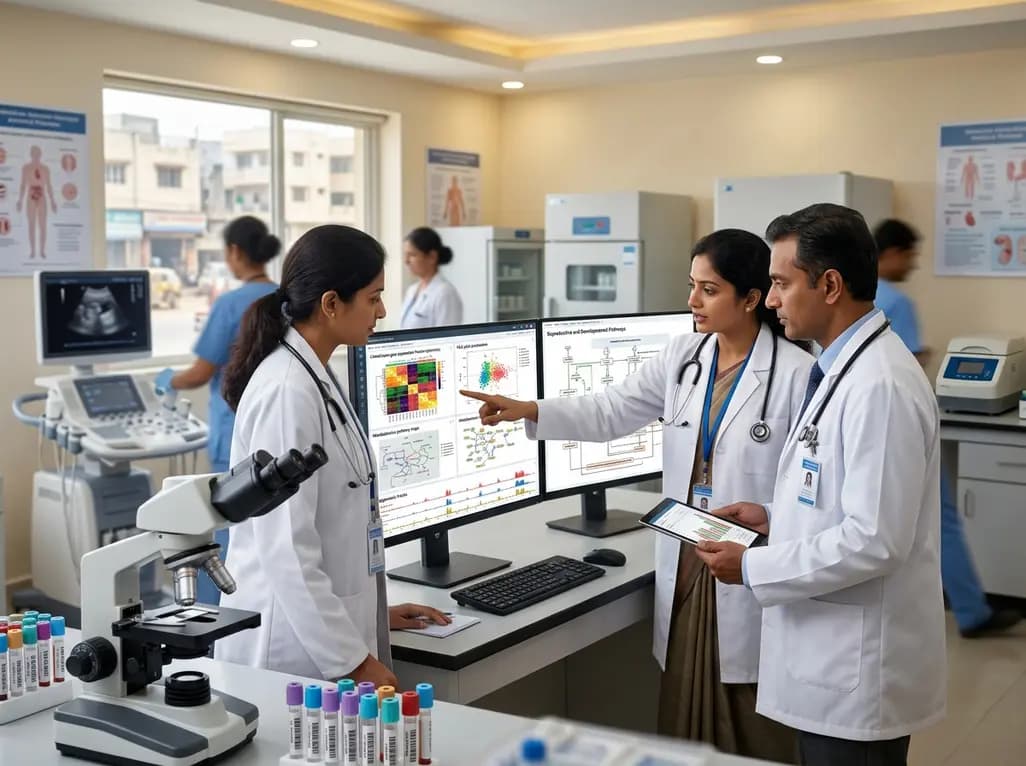
Understanding the biological intricacies of human reproduction and development requires sophisticated molecular evidence across gestational milestones. However, researchers frequently encounter fragmented data dispersed across disparate repositories and literature. To overcome this critical bottleneck, scientists created the Human Reproduction and Development Database, termed HRD. This innovative open-access platform integrates multidimensional omics datasets with clinical findings. Consequently, reproductive biologists, maternal-fetal medicine specialists, and obstetricians can now examine complex reproductive pathologies within a single harmonized resource.
Modern reproductive research depends heavily on high-throughput sequencing technologies. Nevertheless, standard repositories rarely harmonize disparate data types effectively. HRD version 1.0 addresses this issue by consolidating 814 curated omics records. Specifically, the repository includes 432 bulk transcriptomic datasets and 144 single-cell or single-nucleus transcriptomic profiles. Additionally, the developers curated 156 epigenomic, 52 metabolomic, and 30 proteomic records. This multi-layered architecture enables investigators to explore gene expression alongside chromatin states and protein cascades. Moreover, the creators applied standardized, data-type-specific analysis pipelines across all uploaded datasets. Therefore, clinicians can evaluate biological signals without struggling through raw file conversions. Because embryogenesis and gametogenesis involve rapid temporal changes, having synchronized data provides unprecedented investigative clarity. Furthermore, the catalog maps tissues across ovaries, testes, endometrium, and the developing placenta. Researchers can effortlessly identify tissue-specific transcriptomic shifts across critical developmental windows. Ultimately, this structured molecular catalog provides the foundation needed to decode normal fertility and reproductive disorders.
Translational reproductive science requires connecting molecular alterations to real-world patient outcomes. Therefore, HRD integrates deep phenotypic correlations alongside its core molecular profiling. The database hosts 702 clinical trial records alongside 293 curated exposure-outcome associations. In addition, the platform catalogs 779 lead single-nucleotide polymorphisms that link directly to specific clinical phenotypes. Consequently, clinicians studying conditions like recurrent pregnancy loss, preeclampsia, or endometriosis can trace causal pathways rapidly. For example, investigators can cross-reference environmental exposures with altered epigenetic signatures and observed clinical trial endpoints. Furthermore, this broad synthesis helps researchers design better interventional protocols. By connecting genetic epidemiology directly to experimental intervention records, HRD effectively bridges laboratory discoveries and bedside clinical questions. Similarly, reproductive endocrinologists can evaluate how maternal environmental exposures alter fetal gene expression profiles during organogenesis. Thus, this systematic alignment between molecular features and clinical phenotypes accelerates hypothesis testing for complex pregnancy complications.
Navigating massive datasets usually demands advanced bioinformatic expertise. However, HRD circumvents this barrier by providing intuitive web-based analytical features. Users can perform rapid keyword searches, multi-tiered filtering, and category-based browsing directly from the browser interface. In addition, the platform provides real-time interactive visualizations across varied analytical modules. Clinicians can immediately visualize differential gene expression patterns and functional gene ontology enrichments. Furthermore, users can explore single-cell clustering landscapes, chromatin accessibility tracks, and peak annotations without writing external code. Moreover, the portal constructs regulatory networks and cross-phenotype association plots dynamically. Therefore, physicians and scientists can compare cellular subpopulations across normal and diseased reproductive tissues with minimal computational effort. Because all processed results remain available for direct download, external verification and meta-analyses proceed smoothly. Additionally, researchers can overlay transcription factor binding networks onto chromatin accessibility datasets to uncover upstream drivers of implantation failure. Ultimately, such interactive functionality transforms static sequencing data into dynamic biological models.
Reproductive medicine faces escalating clinical challenges from unexplained infertility and pregnancy-related complications. In this context, multi-omic exploration offers crucial diagnostic clarity. For instance, implantation failure often stems from subtle endometrial receptivity defects that standard ultrasound scans cannot detect. By leveraging bulk and single-cell transcriptomic profiles from HRD, clinicians can identify aberrant molecular pathways that impair decidualization. Similarly, investigators can decipher early placental malperfusion markers that later manifest as severe preeclampsia or fetal growth restriction. Furthermore, integrating metabolomic and proteomic data sheds light on follicular fluid dynamics during controlled ovarian stimulation. Consequently, reproductive endocrinologists can optimize assisted reproductive technology protocols for poor ovarian responders. As personalized reproductive medicine expands, resources like HRD will guide risk stratification algorithms. Moreover, obstetricians managing gestational diabetes can investigate underlying placental metabolic adaptations through harmonized multi-tissue data. Thus, these comprehensive profiles uncover novel molecular targets for early detection and preventive pharmacotherapy.
Although HRD currently offers exceptional utility, multi-omics databases must continually evolve to maintain relevance. In particular, reproductive research requires the inclusion of diverse ancestral cohorts to avoid Eurocentric genomic biases. Because genetic risk loci and epigenetic adaptations differ across populations, expanding multi-ethnic datasets represents an essential next step. Additionally, future updates could incorporate spatial transcriptomics to elucidate complex cellular neighborhoods within the maternal-fetal boundary. Integrating longitudinal maternal serum biomarkers across all three trimesters will further refine gestational outcome predictions. Meanwhile, reproductive toxicologists can utilize exposure-outcome association tables to assess ambient air pollutants and endocrine disruptors. Consequently, researchers in India can leverage these tools to explore environmental impacts on regional fertility rates. Furthermore, integrating machine learning algorithms directly with HRD data pipelines could enhance automated biomarker discovery. Ultimately, such technological advances will enable clinicians to develop non-invasive liquid biopsy tests for early embryonic viability and maternal health.
Unlike general-purpose repositories that aggregate unstructured datasets, HRD focuses explicitly on reproductive biology, gestation, and developmental processes. Furthermore, it harmonizes raw data across bulk transcriptomics, single-cell analysis, epigenomics, proteomics, and metabolomics using standardized analytical pipelines. In addition, the platform bridges molecular profiles directly with clinical trial registries and genetic association studies, enabling rapid translational research without requiring extensive computational infrastructure.
Clinicians can use HRD to examine differential gene expression, chromatin accessibility, and metabolic dysregulation across pathological tissues such as preeclamptic placentas or defective endometrium. Moreover, the platform integrates curated exposure-outcome associations and lead SNPs. Consequently, researchers can cross-reference patient phenotypes with validated clinical trials and functional pathways, facilitating biomarker discovery and improving the mechanistic understanding of recurrent pregnancy complications.
No, HRD does not require specialized bioinformatics software or programming experience for basic exploration. Instead, the portal features an intuitive, web-based graphical user interface with interactive visualization tools. Users can perform keyword queries, filter experimental parameters, inspect cell clustering plots, and examine regulatory networks directly in their web browser. Additionally, researchers can export processed summary data and high-resolution figures for local presentations and publications.
Disclaimer: This content is for informational and educational purposes only... Refer to the latest local and national guidelines for clinical practice.
References

Read summarized clinical updates, watch expert medical content, and earn CME certifications right from your smartphone.
Open your smartphone camera to scan and install.





The Human Reproduction and Development Database (HRD) consolidates bulk and single-cell transcriptomics, epigenomics, metabolomics, proteomics, and clinical trial records into a unified platform to advance reproductive health research.
Today
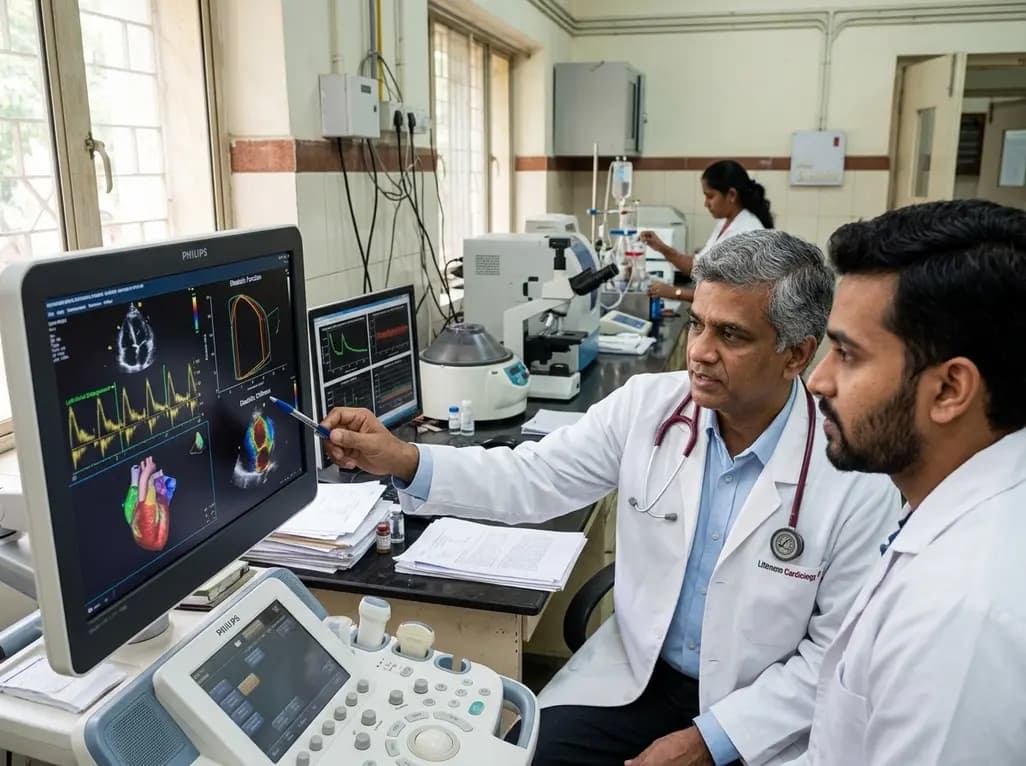
A study evaluates a cardiometabolic HFpEF model combining metabolic stress with chronic mineralocorticoid excess. The findings reveal profound diastolic stiffness, endothelial dysfunction, and pulmonary hypertension, illuminating key pathophysiological mechanisms for targeted cardiopulmonary therapies.
Today
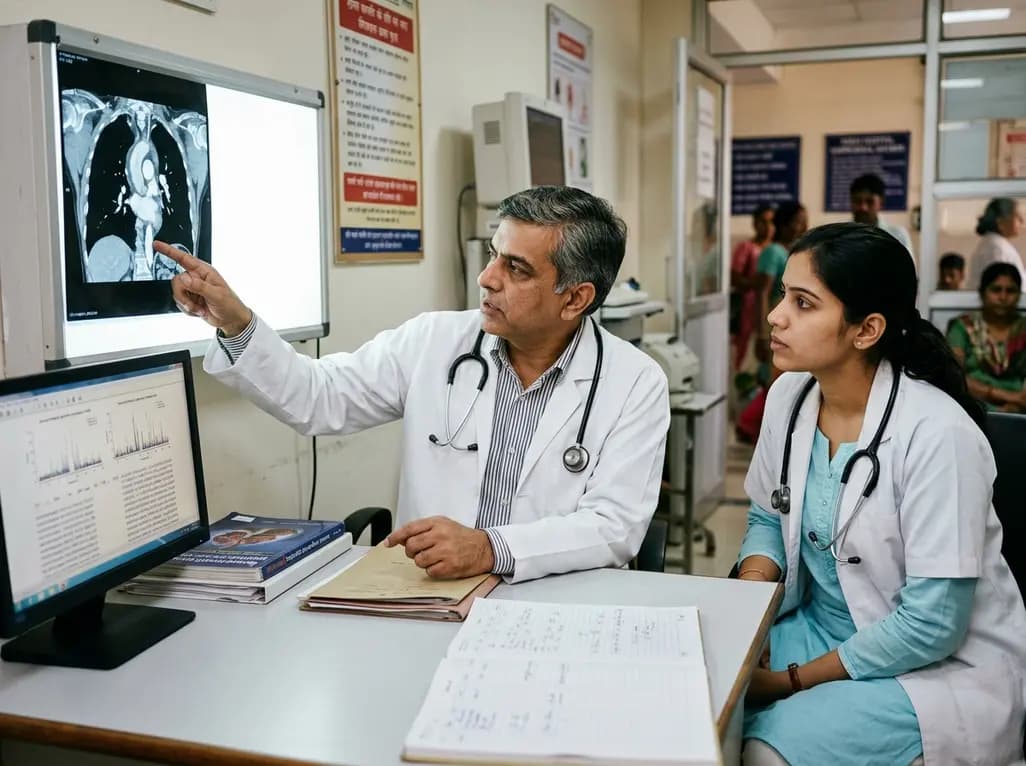
A study reveals that the MYLK c.4079G>A, p.(Gly1360Asp) variant is linked to high-penetrance heritable thoracic aortic disease and early-onset aortic dissection, showing a founder effect in Finnish cohorts. Findings emphasize early cascade screening and vigilant surveillance.
Yesterday
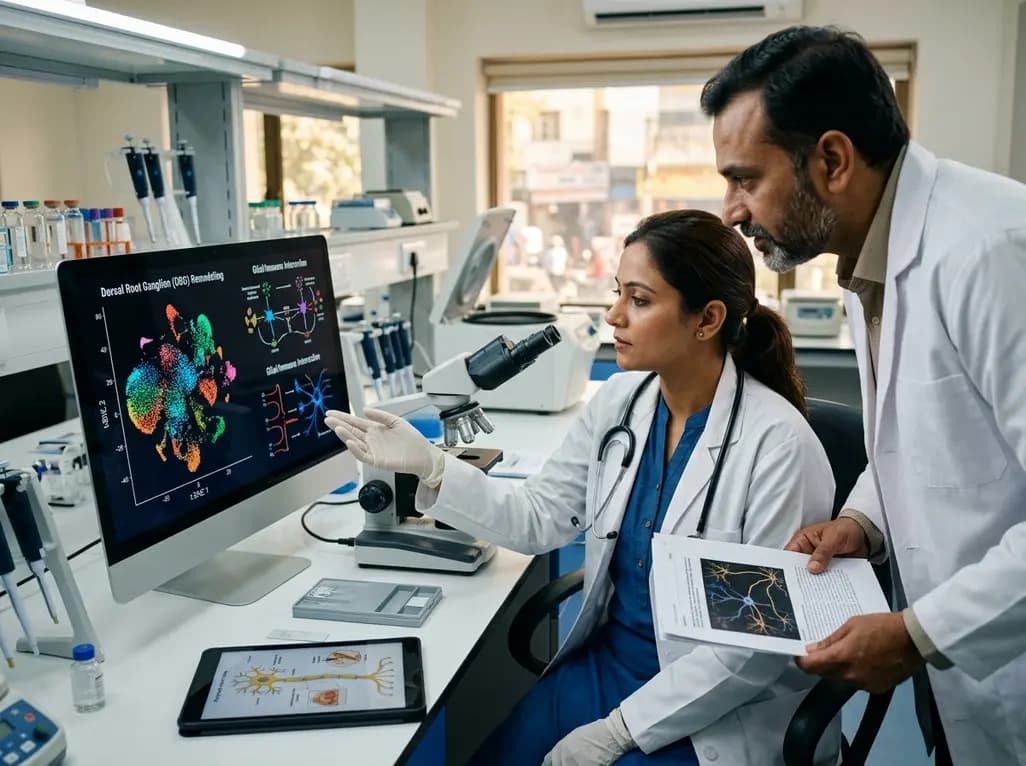
A single-cell transcriptomic atlas reveals how peripheral nerve injuries cause dorsal root ganglion remodeling. By evaluating proximal nerve crush and resection, researchers identify distinct glial and immune programs that resolve neuropathic pain and promote regeneration.
Today
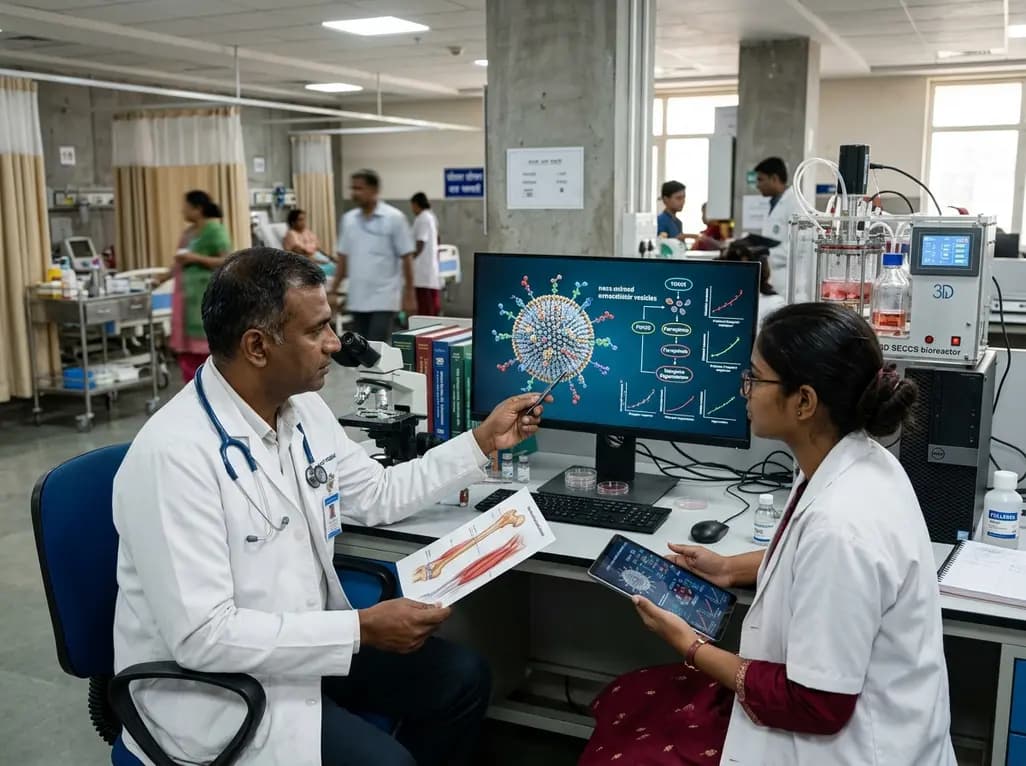
A breakthrough study demonstrates that fullerol-primed extracellular vesicles generated in a 3D SECCS bioreactor attenuate ferroptosis and restore myogenic regeneration in diabetes via the FOXO3 pathway, offering a cell-free therapeutic strategy for diabetic musculoskeletal degeneration.
Today
