.webp&w=384&q=75)

Loading, please wait...
Loading, please wait...
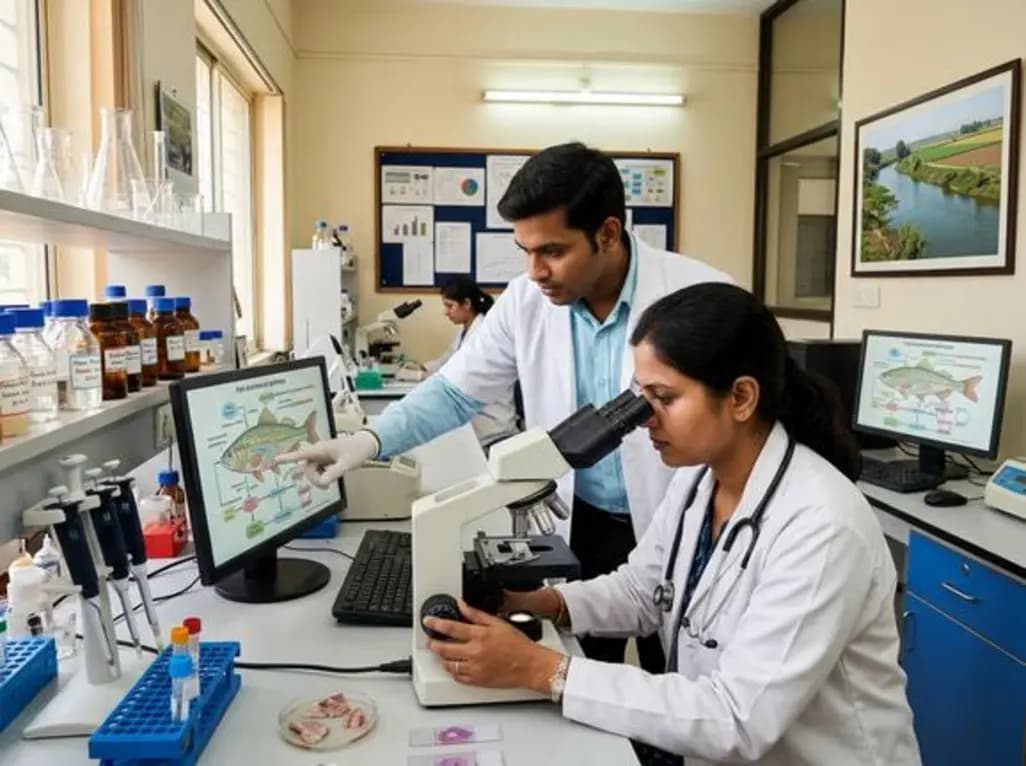
Pesticide application remains a cornerstone of global agriculture, yet its environmental footprint is increasingly concerning. Urban and agricultural runoff frequently introduces these substances into surface waters, where they disrupt aquatic ecosystems. Consequently, aquatic species experience severe pesticide bioaccumulation impacts that compromise their biological integrity. This bioaccumulation serves as a primary vehicle for chemical transfer within the food chain, eventually affecting human health. Researchers categorize the most frequent contaminants as herbicides, fungicides, and insecticides, each posing unique toxicological challenges.
Biochemical studies reveal that pesticides significantly alter enzymatic activities in fish. Specifically, researchers observe fluctuations in alkaline phosphatase (APT) and transaminases like alanine aminotransferase (ALT) and aspartate aminotransferase (AST). These changes often indicate metabolic stress and acute organ damage. Furthermore, oxidative stress markers, such as superoxide dismutase (SOD) and catalase (CAT), undergo measurable shifts as the organism attempts to neutralize toxic compounds. Notably, the degradation rate of these chemicals varies significantly based on environmental conditions and chemical composition.
Histopathological examinations provide concrete evidence of cellular damage across various fish organs. The gills, which serve as the primary site for gas exchange, often exhibit lamellar fusion, hyperplasia, and congestion. In the liver, pesticides induce necrosis, cytoplasmic infiltrations, and vacuolation. Additionally, kidneys, intestines, and muscles frequently show signs of atrophy and tissue degeneration. These structural abnormalities significantly hinder the fish's ability to survive and reproduce in contaminated habitats. Such alterations are vital biomarkers for assessing the severity of environmental pollution.
Addressing the risks associated with chemical runoff requires robust restoration strategies. Modern water treatment methods, including nanotechnology and photo-Fenton processes, offer promising solutions for pesticide removal. Moreover, hybrid technologies like advanced oxidation processes (AOPs) efficiently degrade persistent chemical compositions through photochemical degradation. Bioremediation, which utilizes microbial activity combined with advanced technologies, remains a cost-effective approach to minimize pollution. Implementing these strategies is essential for protecting both aquatic biodiversity and the safety of human consumers.
Common signs include biochemical changes such as altered enzymatic activity (ALT, AST) and physical damage to organs like the gills, liver, and kidneys, which often show signs of necrosis or atrophy.
Pesticides can bioaccumulate in fish tissues and enter the human food chain. Chronic exposure through consumption may lead to various health hazards, including neurotoxicity and metabolic disorders.
Effective strategies include bioremediation, advanced oxidation processes (AOPs), and nanotechnology-based water treatment methods designed to remove or degrade persistent pesticide residues.
Disclaimer: This content is for informational and educational purposes only. It is not intended to provide medical advice or to be a substitute for professional clinical judgment, diagnosis, or treatment. Refer to the latest local and national guidelines for clinical practice.
References
Islam S et al. Pesticides-induced histopathological and biochemical alterations in fish: Impacts and restoration strategies. Sci Total Environ. 2026 Jun 18. doi: undefined. PMID: 42314237.
Ray S, Shaju ST. Bioaccumulation of pesticides in fish resulting toxicities in humans through food chain and forensic aspects. Environ Anal Health Toxicol. 2023 Sep;38(3):e2023017-0. doi: 10.5620/eaht.2023017.
Meena RK et al. Oxidative, biochemical and histopathological alterations in fishes from pesticide contaminated river Ganga, India. Sci Rep. 2022 Mar 7;12(1):3662. doi: 10.1038/s41598-022-07613-3.
"
Read summarized clinical updates, watch expert medical content, and earn CME certifications right from your smartphone.
Open your smartphone camera to scan and install.





Pesticide runoff into aquatic environments triggers significant biochemical and histopathological alterations in fish. This review explores enzymatic changes, organ damage across gills and liver, and modern restoration strategies to mitigate the risks of bioaccumulation in the human food chain.
4 months ago

A breakthrough study evaluated H5N1 transmission efficiency across mammalian isolates. Researchers discovered that human-derived D1.1 harboring the PB2 D701N mutation spread efficiently in ferrets, unlike strains carrying PB2 E627K. This finding highlights critical genetic markers for zoonotic surveillance.
Today

A comparative cohort study evaluates vNOTES vs TLH hysterectomy for benign conditions, demonstrating shorter operative duration, faster return to daily activities, and equivalent female sexual function scores without increased dyspareunia.
Today

Review how tailored exercise programs benefit frail older patients with heart failure. Explore pathophysiological mechanisms, individualized training prescriptions, and strategies to overcome adherence barriers in clinical practice.
Yesterday

This comparative study evaluates posterior labral tears with and without glenohumeral instability, highlighting distinct demographic patterns, MRI underestimation in stable shoulders, and successful arthroscopic repair outcomes.
Yesterday

A clinical study demonstrates that early intervention with tocilizumab, either as monotherapy or bridged with corticosteroids, achieves significant proptosis reduction and resolves active inflammation in treatment-naive thyroid eye disease.
Today
