.webp&w=384&q=75)

Loading, please wait...
Loading, please wait...
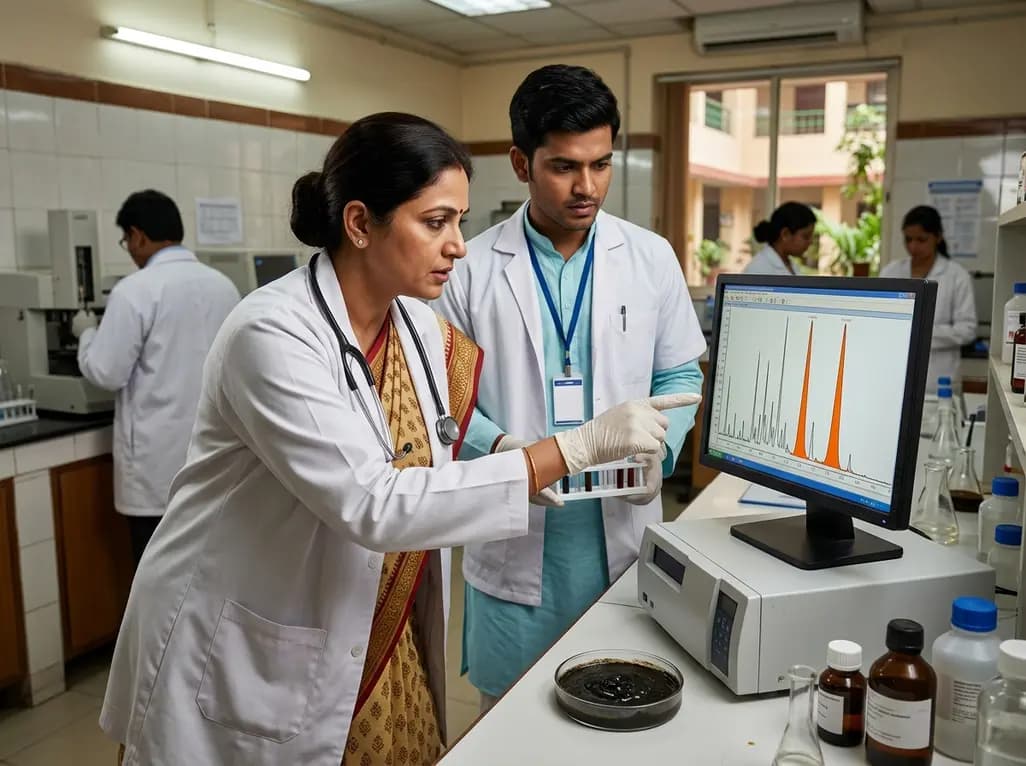
Recent environmental analysis has focused on the presence of persistent organic pollutants (POPs) in natural resources used for clinical medicine. A study involving the preliminary screening of Techirghiol Lake has raised concerns regarding the purity of its water and sapropelic sludge. Because practitioners utilize this sludge in various therapeutic treatments, its safety and regulatory compliance are essential for public health.
Scientists used gas chromatography with an electron capture detector (GC-ECD) to identify chemical residues. Researchers observed slight contamination with polychlorinated biphenyl (PCB) compounds in both the lake water and the sludge. Consequently, these persistent organic pollutants could pose a threat to human health due to their ability to bioaccumulate. Furthermore, significant concentrations of organochlorine pesticides existed in the water samples.
While many pollutants in the sludge remained within national limits, two specific pesticides presented a major risk. Concentrations of lindane and aldrin exceeded the 0.1 µg L threshold by a significant margin. Therefore, the medical use of such contaminated materials requires rigorous ongoing monitoring. In addition, healthcare providers using natural mud therapies should remain aware of environmental factors affecting safety.
POPs are toxic organic chemicals that persist in the environment and accumulate through the food web, posing risks to human health.
Lindane is an organochlorine pesticide with known neurotoxic effects. Its presence in therapeutic sludge could lead to accidental exposure during patient treatments.
Disclaimer: This content is for informational and educational purposes only. It does not constitute medical advice or a professional opinion. Refer to the latest local and national guidelines for clinical practice.
References

Read summarized clinical updates, watch expert medical content, and earn CME certifications right from your smartphone.
Open your smartphone camera to scan and install.





A preliminary screening of Techirghiol Lake reveals contamination by persistent organic pollutants (POPs) such as PCBs, Lindane, and Aldrin. These findings raise significant safety concerns for the medical use of sapropelic sludge in therapeutic treatments like balneotherapy.
4 months ago

Novel diimide and hydrazone scaffolds, particularly compound #C4, synergistically reactivate latent HIV-1 when combined with JQ1 or PKC activators. Demonstrating donor-matched proviral transcription ex vivo and non-canonical signaling, these findings advance shock and kill strategies toward reservoir eradication.
Today

A cross-sectional study reveals that maternal RSV vaccination coverage reached only 43.7% in Argentina, with maternal vaccine knowledge being the sole independent predictor of uptake. Clinicians play a crucial role in eliminating informational and structural barriers to optimize infant health.
Today

Review how tailored exercise programs benefit frail older patients with heart failure. Explore pathophysiological mechanisms, individualized training prescriptions, and strategies to overcome adherence barriers in clinical practice.
Yesterday

This comparative study evaluates posterior labral tears with and without glenohumeral instability, highlighting distinct demographic patterns, MRI underestimation in stable shoulders, and successful arthroscopic repair outcomes.
Yesterday

A clinical study demonstrates that early intervention with tocilizumab, either as monotherapy or bridged with corticosteroids, achieves significant proptosis reduction and resolves active inflammation in treatment-naive thyroid eye disease.
Yesterday
