.webp&w=384&q=75)

Loading, please wait...
Loading, please wait...

Surgical bowel diversion represents a life-saving intervention for severe colorectal pathologies, including advanced rectal malignancies, complex trauma, and intractable diverticulitis. However, establishing an intestinal stoma creates profound disruptions that extend far beyond physical convalescence. Achieving successful permanent colostomy adaptation requires navigating significant psychological, emotional, and social hurdles. A seminal qualitative investigation from Kazakhstan sheds light on these lived journeys through Interpretative Phenomenological Analysis. The findings reveal that recovery is inherently non-linear, demanding that healthcare professionals offer holistic support rather than simple technical stoma education.
The immediate postoperative phase frequently thrusts patients into acute psychological turmoil. Individuals confront unexpected functional dependency alongside an overwhelming loss of normal physiological control. Consequently, initial reactions typically encompass shock, disbelief, and profound anticipatory grief. Many patients describe feeling detached from their bodies as they encounter stomal effluent and appliance exchanges for the first time. In addition, the sensory experiences associated with odor, noise, and bag leakage provoke intense situational anxiety. Because hospital discharge often approaches before emotional equilibrium returns, patients experience heightened vulnerability during early home transitions. Early nursing interventions must acknowledge this acute crisis. Surgeons and wound care specialists should not treat appliance training as a mere mechanical checklist. Instead, clinicians must actively validate patient grief and provide structured bedside empathy. When surgical teams anticipate these intense emotional reactions, they can foster trust and lay a secure groundwork for sustainable recovery.
Following initial discharge, patients frequently encounter deep existential questions regarding bodily integrity and personal worth. The presence of an abdominal appliance fundamentally alters self-perception, frequently causing feelings of mutilation, shame, and reduced physical attractiveness. Therefore, individuals may experience severe distress regarding clothing choice, physical intimacy, and domestic roles. Furthermore, these bodily changes alter masculine and feminine identities in distinct cultural contexts. In many traditional environments, concealed physical infirmities carry subtle social stigmas that cause individuals to withdraw from intimate partnerships. Spouses may struggle to balance caregiving duties with romantic closeness, creating interpersonal strain. Healthcare providers must proactively initiate structured discussions surrounding sexual health, intimacy preservation, and body positivity. When clinicians address these delicate matters during routine outpatient reviews, they demystify somatic changes. Consequently, patients feel empowered to re-establish personal autonomy and gradually reclaim their pre-illness sense of self.
Re-establishing daily routines demands rigorous functional planning and behavioral modification. Patients must learn to anticipate pouch maintenance, dietary adjustments, and public restroom accessibility during everyday travel. Consequently, social anxiety often manifests as individuals fear unexpected gas release, foul odor, or sudden pouch detachments in public environments. Because of these persistent worries, many people adopt avoidance behaviors, isolating themselves from workplace commitments, religious gatherings, and extended family rituals. However, gradual social reintegration remains an essential prerequisite for true rehabilitation. Multidisciplinary teams, including clinical dietitians and enterostomal therapists, play an instrumental role in facilitating this community transition. For example, personalized dietary counseling helps minimize flatulence and regulate bowel movements predictably. Similarly, guidance regarding discreet stoma accessories bolsters public confidence. As patients master environmental adjustments and personal coping methods, their anxiety gradually recedes, allowing them to resume active community participation.
Long-term permanent colostomy adaptation reflects an enduring transformation characterized by personal resilience and psychological growth. Although the initial postoperative trajectory involves significant distress, most individuals gradually cultivate effective problem-solving strategies. Over time, patients reframe the stoma not as a permanent handicap, but rather as an essential mechanism that preserved their survival. Moreover, active peer support groups provide invaluable validation, enabling individuals to share practical lifestyle modifications and normalize daily challenges. Family members also serve as primary anchors of emotional stability, provided they receive adequate education on positive caregiving behaviors. Clinicians should observe that emotional adaptation rarely follows a straightforward, predictable schedule. Rather, episodic setbacks such as peristomal dermatological complications or appliance failures can temporarily reignite dormant anxiety. Therefore, clinicians must foster longitudinal psychological resilience through sustained outpatient engagement, peer mentorship programs, and recurrent health reviews.
These phenomenological insights offer profound lessons for clinical practice across surgical and nursing disciplines. Historically, institutional protocols have emphasized procedural competence, such as measuring stoma diameter, applying adhesive wafers, and preventing skin excoriation. While these mechanical skills remain undeniably essential, clinical protocols must incorporate standardized psychosocial screenings into routine postoperative follow-ups. For instance, validated assessment tools can reliably identify early manifestations of clinical depression, social withdrawal, and body image dissatisfaction. Furthermore, surgical teams should provide comprehensive preoperative stoma site marking and anticipatory counseling whenever elective surgery permits. In high-volume clinical settings, specialized enterostomal therapy nurses must champion longitudinal care pathways that coordinate home nursing, psychological counseling, and medical reviews. By championing comprehensive, patient-centered care, clinicians ensure that technical surgical success translates into meaningful, enduring quality of life.
Mechanical stoma care focuses exclusively on technical tasks, including measuring the stoma, changing collection appliances, and treating skin excoriations. In contrast, holistic colostomy adaptation addresses the psychological, emotional, and social dimensions of recovery. It helps individuals navigate body image concerns, grief, altered sexual intimacy, dietary shifts, and social reintegration, ensuring sustained long-term quality of life alongside basic appliance proficiency.
Surgical teams can significantly lessen preoperative anxiety by delivering structured patient education, conducting deliberate stoma site marking, and offering empathetic clinical counseling. Introducing patients to specialized enterostomal nurses and peer support mentors before surgery provides clear realistic expectations. This proactive communication demystifies the postoperative recovery process, validates anticipatory grief, and reassures patients that independent living remains achievable.
Family members serve as the primary source of emotional reassurance and practical domestic stability following hospital discharge. When relatives participate in stoma education, they understand appliance mechanics, dietary requirements, and common complications. This direct familiarity reduces caregiver anxiety, minimizes social isolation at home, fosters open communication regarding body image, and prevents dysfunctional dynamics that might impede patient autonomy.
Disclaimer: This content is for informational and educational purposes only and does not constitute medical advice. Consult a qualified healthcare provider for specific clinical scenarios. Refer to the latest local and national guidelines for clinical practice.
References
Jumasheva Z et al. Living With a Permanent Colostomy: An Interpretative Phenomenological Analysis of Patients' Experiences in Kazakhstan. J Clin Nurs. 2026 Sep 22. doi: 10.1111/jocn.70555. PMID: 42773060.
Stavropoulou A, Vlamakis D, Kaba E, et al. “Living with a Stoma”: Exploring the Lived Experience of Patients with Permanent Colostomy. Int J Environ Res Public Health. 2021;18(16):8512.
Registered Nurses' Association of Ontario (RNAO). Ostomy Care and Management. Clinical Best Practice Guidelines. Toronto, ON: RNAO; 2009.
Zhang Y, Xian H, Yang Y, et al. Relationship between Psychosocial Adaptation and Health-related Quality of Life of Patients with Stoma: A Descriptive, Cross-sectional Study. J Clin Nurs. 2019;28(15-16):2880-2888.

Read summarized clinical updates, watch expert medical content, and earn CME certifications right from your smartphone.
Open your smartphone camera to scan and install.





Adapting to a permanent colostomy extends far beyond mechanical stoma maintenance. Discover how patients navigate identity, social reintegration, and emotional distress, highlighting the need for holistic nursing and surgical support across the care continuum.
Today
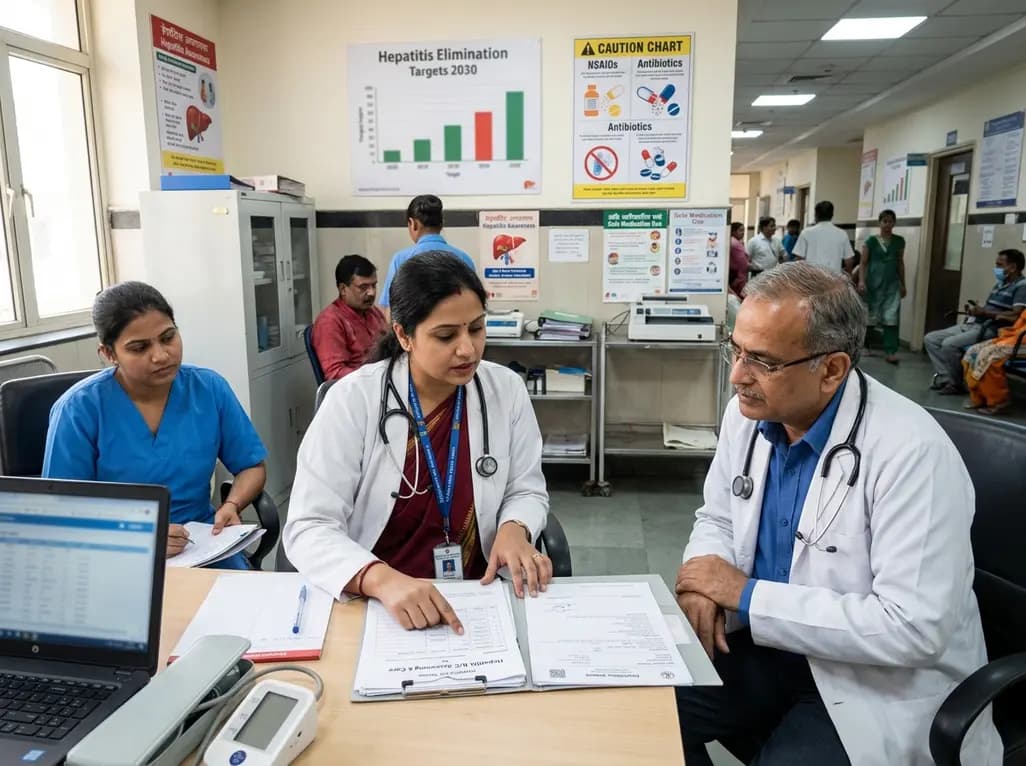
At a UN General Assembly side event, India reaffirmed its commitment to eliminate viral hepatitis B and C by 2030. Simultaneously, national drug authorities have cautioned clinicians and pharmacists against the indiscriminate prescription of NSAIDs and antibiotics to prevent drug-induced chronic kidney disease.
Today
A school-based intervention using the Health Action Process Approach (HAPA) significantly enhanced adolescents' perceived benefits of consulting healthcare providers and promoted proactive menstrual health behaviors, offering key clinical insights for managing adolescent dysmenorrhea and endometriosis.
Today
A landmark dose-response meta-analysis of 8.8 million adults reveals that high ultra-processed food intake significantly elevates risks for cardiovascular disease, cancer, diabetes, depression, and all-cause mortality, highlighting urgent needs for clinical lifestyle interventions.
Today
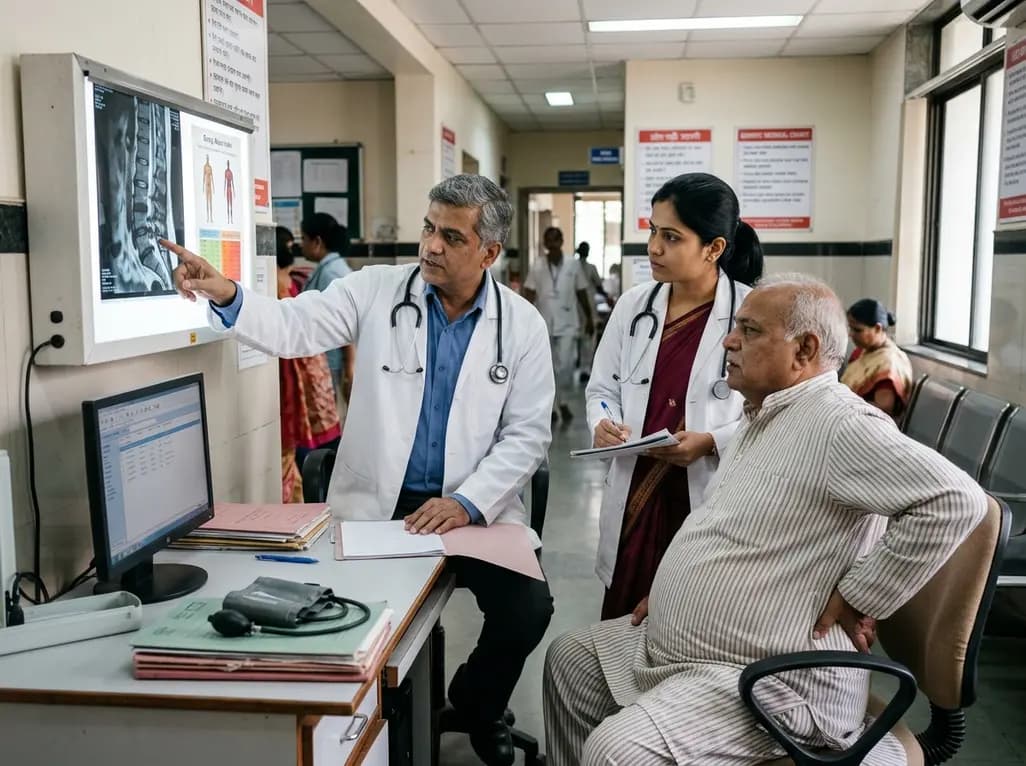
A cross-sectional study reveals that sarcopenic obesity independently increases functional impairment and severe disc degeneration in patients with degenerative lumbar spinal stenosis, highlighting the need for body composition assessment.
Today
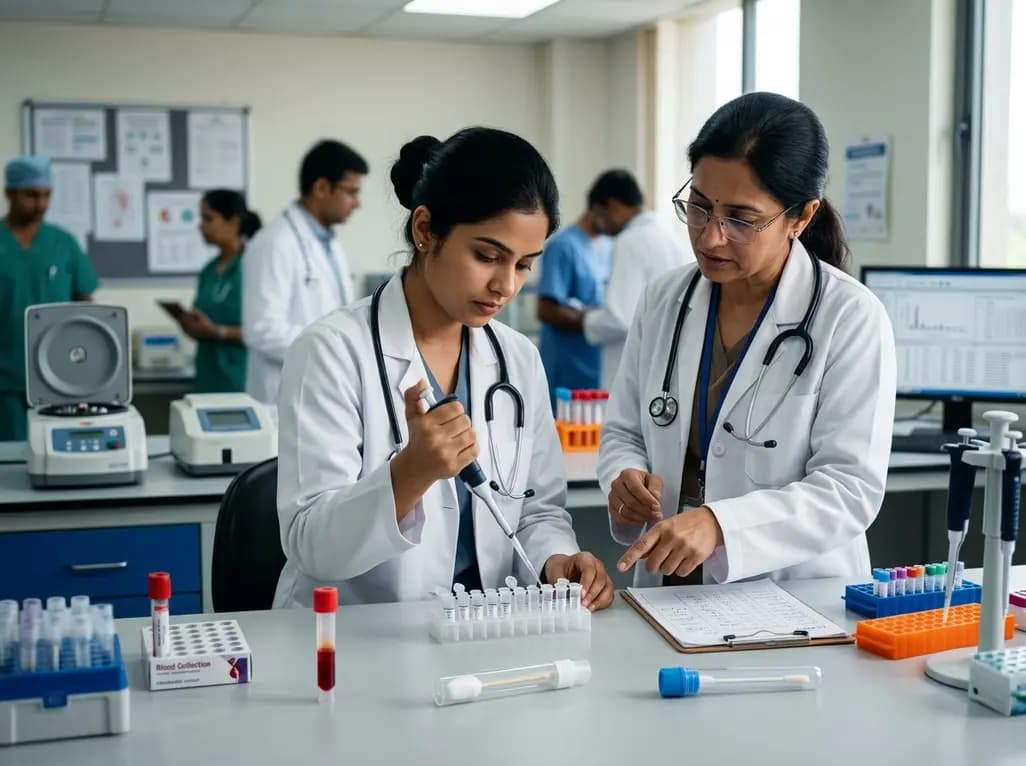
Non-invasive biospecimen sampling offers exciting opportunities for stress medicine. This article examines a pioneering protocol comparing cortisol, inflammatory cytokines, and metabolic markers across blood plasma, whole saliva, and oral mucosal transudate during baseline and acute stress states.
Today
