.webp&w=384&q=75)

Loading, please wait...
Loading, please wait...
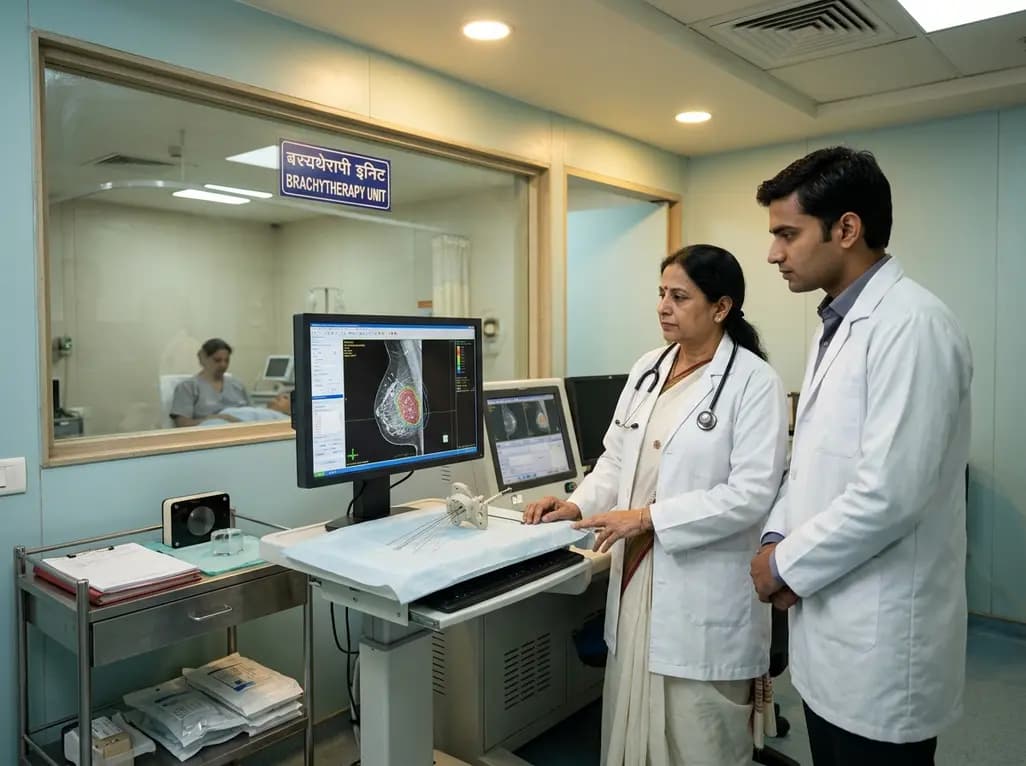
Adjuvant radiotherapy remains a cornerstone of breast-conserving therapy for early-stage breast cancer. Over recent years, accelerated partial breast irradiation has emerged as an attractive alternative to conventional whole-breast radiation. Among the available brachytherapy techniques, permanent breast seed implantation offers a unique single-session outpatient approach. In addition, recent ten-year prospective findings now provide robust clinical evidence regarding its long-term oncologic safety, dosimetric quality, and cosmetic durability. Consequently, for radiation oncologists and breast surgeons seeking efficient treatment paradigms, these long-term data offer valuable clinical insights that support personalized breast radiation strategies.
Breast-conserving surgery followed by adjuvant radiation significantly reduces the risk of in-breast recurrence. However, conventional whole-breast radiation therapy requires multiple hospital visits over several weeks. Consequently, this prolonged schedule imposes substantial logistical and economic burdens on patients and healthcare systems. Accelerated partial breast irradiation addresses this challenge by targeting only the lumpectomy bed with an appropriate margin. Because most ipsilateral breast recurrences develop near the primary index tumor bed, focal radiation provides adequate oncologic control. Specifically, permanent breast seed implantation utilizes radioactive palladium-103 seeds to deliver localized low-dose-rate radiation continuously. As a result, the entire therapeutic radiation course occurs during a single outpatient procedure. In addition, the rapid dose fall-off minimizes radiation exposure to adjacent normal tissues, including the heart, lungs, and overlying skin. Therefore, patients experience less acute skin toxicity compared to external beam techniques. Furthermore, completing treatment in one session eliminates noncompliance and improves overall patient convenience. Finally, for healthcare facilities managing heavy patient volumes, adopting single-session brachytherapy also alleviates severe radiotherapy machine backlogs.
Historically, the Sunnybrook Health Sciences Centre pioneered the technique of permanent breast seed implantation under local anesthesia. However, clinicians often encountered challenges with patient discomfort, intraoperative target movement, and positioning consistency. To address these limitations, investigators implemented key modifications in a prospective study of twenty-seven patients enrolled between 2013 and 2015. Specifically, the modified institutional protocol incorporated general anesthesia, a side-mounted stepper assembly, and immediate postimplant computed tomography verification. Administering general anesthesia ensured complete patient comfort and eliminated sudden movement during needle insertion. Meanwhile, the side-mounted stepper provided greater mechanical stability and enhanced ultrasound probe manipulation. In addition, rigid eligibility criteria ensured careful patient selection for this novel protocol. Candidates were required to be at least fifty years old with unifocal tumors measuring three centimeters or less. Furthermore, patients required negative surgical margins of at least two millimeters and pathologically confirmed node-negative status. Eligible histologies included invasive ductal carcinoma and ductal carcinoma in situ. Importantly, investigators excluded individuals with extensive lymphovascular space invasion. Consequently, these strict selection criteria maintained oncologic safety and standardized procedural reproducibility across the treated cohort.
Precise dosimetric delivery remains vital for achieving local tumor control while avoiding adverse cosmetic outcomes. In this modified protocol, ultrasound guidance allowed the brachytherapy team to deposit palladium-103 seeds directly around the lumpectomy seroma. Specifically, the prescription delivered a minimum dose of 90 Gy to the planning target volume. Additionally, the team acquired immediate postimplant computed tomography scans to evaluate actual seed placement and dosimetry. Postoperative analysis demonstrated outstanding target coverage across all treated patients. For example, the median clinical target volume V100 reached 100%, indicating complete coverage of the target volume by the prescription isodose. Furthermore, the median planning target volume V90 was 97%, and the median planning target volume V100 was 94%. Consequently, these remarkable dosimetric metrics confirmed that the side-mounted stepper and image guidance ensured reproducible seed placement. Moreover, immediate postimplant imaging allowed clinicians to verify that high-dose regions remained well within breast tissue rather than migrating near the epidermis or chest wall. As a result, critical organs received minimal scatter radiation. Thus, the modified technique proved technically dependable and dosimetrically robust.
Long-term efficacy data are critical when validating any de-escalated radiation therapy protocol for early-stage breast cancer. In this prospective trial, researchers tracked patients for a median follow-up of 10.0 years. Remarkably, no patients experienced local recurrence, regional relapse, distant metastasis, or breast cancer-specific mortality during this observation period. Consequently, both the ten-year local recurrence-free survival and breast cancer-specific survival reached 100%. Furthermore, overall survival remained high at 96.3% at five years and 88.3% at ten years. Notably, these findings convincingly demonstrate that localized low-dose-rate brachytherapy provides definitive tumor control equivalent to standard whole-breast irradiation in highly selected populations. In addition, the complete absence of late marginal relapses confirms the biological adequacy of the target margins and radiation dose. For practicing oncologists, this decade of follow-up provides strong assurance that single-session treatment does not compromise oncologic safety. Therefore, the approach stands as an effective curative alternative for postmenopausal women with favorable clinical and pathological characteristics. Ultimately, these long-term survival statistics validate the biological durability of localized palladium-103 brachytherapy over extended intervals.
Beyond local cancer control, preserving normal tissue function and breast appearance represents an essential goal of partial breast irradiation. Throughout the ten-year observation period, investigators monitored adverse events using standard Common Terminology Criteria for Adverse Events criteria. Notably, no patient experienced Grade 3 or higher acute or late toxicities. Because palladium-103 exhibits rapid dose fall-off, it effectively spared the skin envelope and underlying pectoral muscles. Moreover, cosmetic outcomes assessed by the Harvard scale showed exceptional stability over time. Specifically, cosmetic results remained good or excellent in at least 90% of evaluable patients through five years of follow-up. In addition, patients reported minimal pain and mild, transient hyperpigmentation that resolved spontaneously. Furthermore, clinicians observed no instances of severe symptomatic fibrosis, fat necrosis requiring intervention, or chronic chest wall pain. Thus, the modified technique safely minimizes collateral tissue damage. Consequently, for healthcare systems with constrained radiotherapy infrastructure, this well-tolerated, single-session intervention could significantly streamline breast care without compromising aesthetic or functional outcomes.
Eligible patients generally include women aged fifty years or older who undergo breast-conserving surgery for unifocal tumors measuring three centimeters or less. Pathological assessment must confirm negative surgical margins of at least two millimeters and node-negative status. In addition, patients must show no lymphovascular invasion. Eligible histologies include favorable invasive ductal carcinoma and ductal carcinoma in situ. Strict patient selection ensures low recurrence rates and optimal dosimetric coverage.
Permanent breast seed implantation uses low-dose-rate palladium-103 seeds placed permanently in a single outpatient session. In contrast, high-dose-rate brachytherapy requires temporary catheter placement, followed by multiple radiation fractions delivered twice daily over several days. Consequently, permanent implants eliminate multi-day hospital visits and catheter-related infection risks. Furthermore, palladium-103 provides continuous low-dose radiation with steep dose fall-off, protecting skin and chest wall structures.
Administering general anesthesia prevents involuntary patient motion during needle insertion, allowing precise seed deposition in the surgical seroma. Meanwhile, immediate postimplant computed tomography confirms seed distribution and verifies target coverage prior to discharge. Furthermore, combining these modifications with a side-mounted stepper enhances probe stability. Therefore, clinicians can identify any dosimetric cold spots early and ensure quality assurance throughout the procedure.
Disclaimer: This content is for informational and educational purposes only and does not constitute medical advice. While we strive to present accurate, up-to-date, and evidence-based clinical insights, healthcare professionals should use their independent clinical judgment when evaluating diagnosis and treatment plans. Refer to the latest local and national guidelines for clinical practice.
References

Read summarized clinical updates, watch expert medical content, and earn CME certifications right from your smartphone.
Open your smartphone camera to scan and install.





Ten-year data on permanent breast seed implantation (PBSI) using palladium-103 demonstrate 100% local control, 100% breast cancer-specific survival, and minimal toxicity in early-stage breast cancer, validating PBSI as an effective single-session partial breast irradiation protocol.
Today
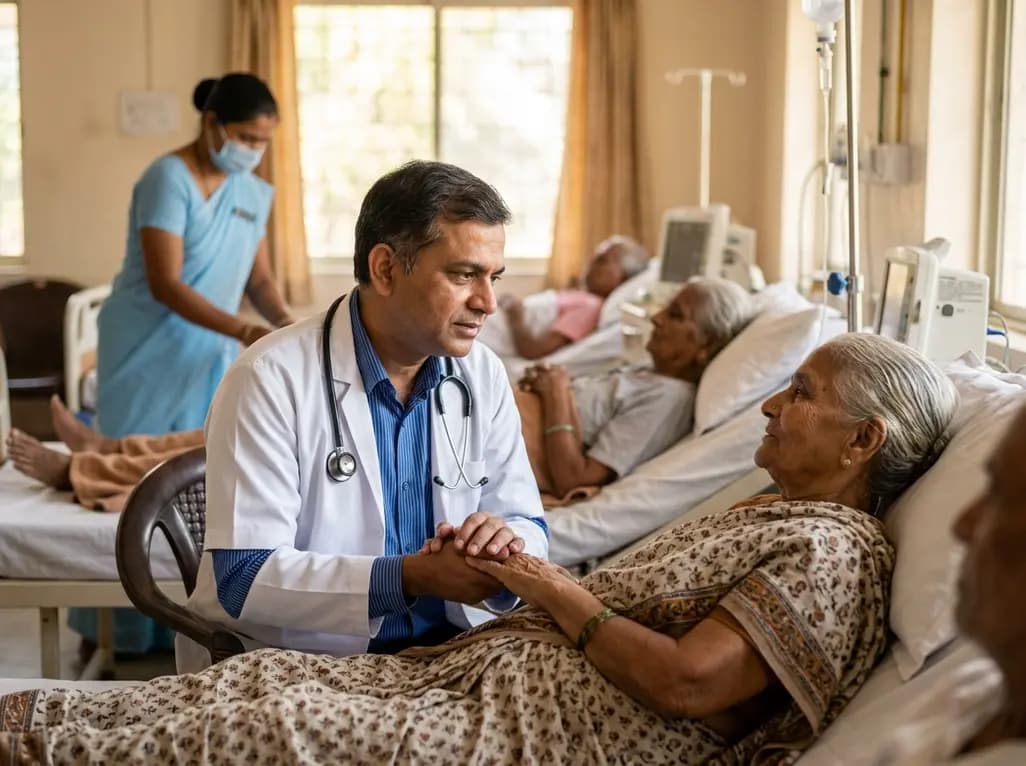
A cross-sectional study reveals significant gaps in palliative care quality within nursing homes. Physicians report discrepancies between perceived importance and actual delivery in pain relief, psychological support, and existential care, highlighting urgent needs for clinical and systemic improvements.
Today
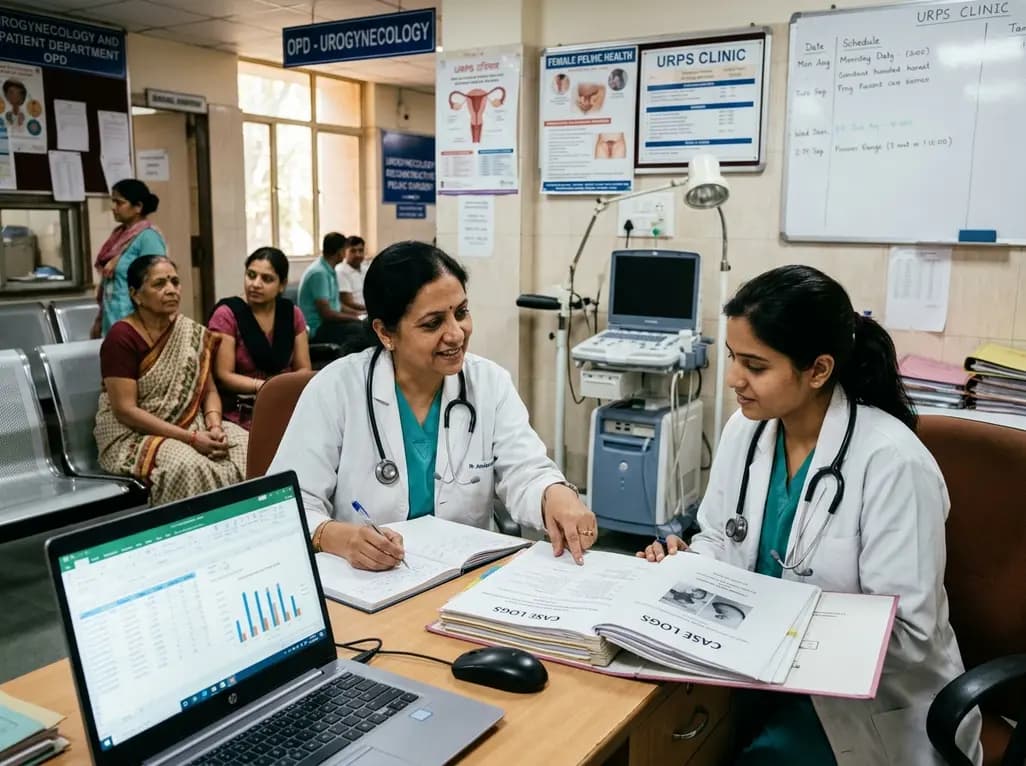
A ten-year cohort study of ABU case logs reveals that URPS fellowship training significantly drives higher annual case volumes, advanced surgical complexity, and increased female representation in pelvic floor reconstruction, underscoring the vital need for structured subspecialty training.
Today
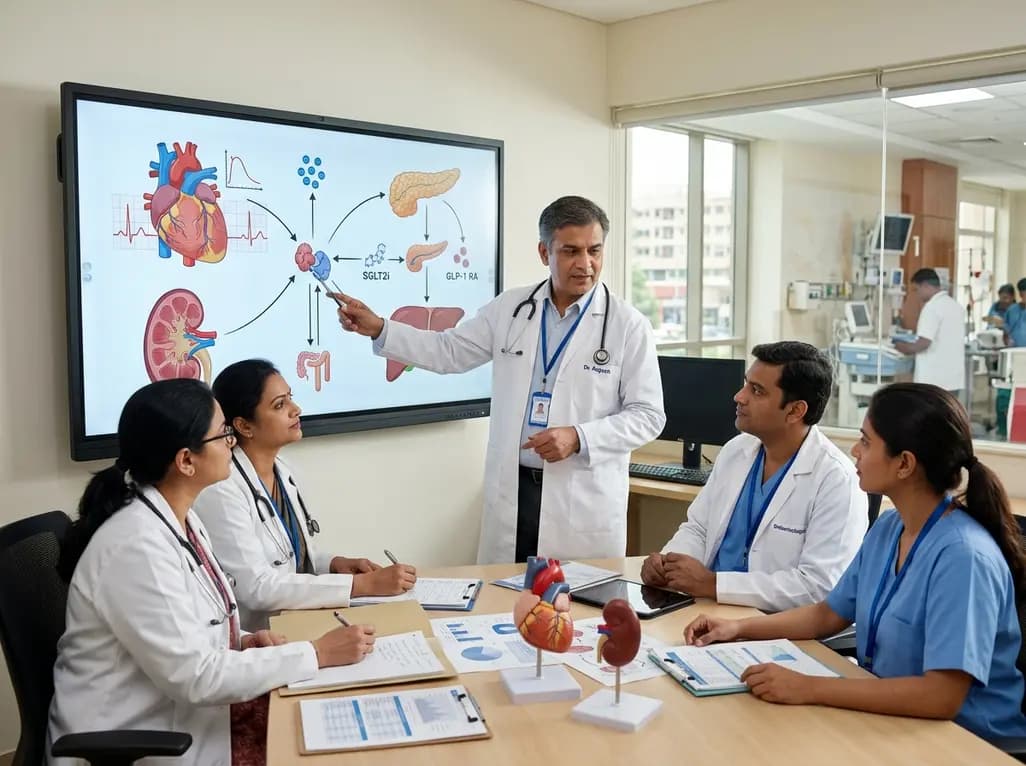
Cardiovascular-kidney-metabolic (CKM) syndrome links metabolic, renal, and cardiovascular diseases along a shared continuum. This review examines holistic CKM management, PREVENT risk assessment, multi-organ pharmacotherapies like SGLT2i and GLP-1 RAs, and multidisciplinary care models to improve patient outcomes.
Today
Posttraumatic pisotriquetral instability is a rare wrist injury causing severe hypothenar pain and weakness. Explore clinical examination, imaging, and pisiformectomy.
Today
The Italian CardioMET registry evaluated guideline-directed cardioprotective therapy in 2,527 outpatients with type 2 diabetes. Despite high cardiovascular risk, SGLT2 inhibitors and GLP-1 receptor agonists remain underutilized, highlighting the urgent need for multidisciplinary cardiometabolic care.
Today
