.webp&w=384&q=75)

Loading, please wait...
Loading, please wait...

Evaluating institutional geriatric care requires examining end-of-life interventions through the lens of frontline practitioners. A recent cross-sectional study evaluating palliative care quality in residential eldercare settings reveals that attending physicians identify notable gaps between ideal standards and everyday clinical delivery. As medical leaders carrying primary clinical responsibility, physicians offer unique insights into institutional strengths and shortfalls. Consequently, understanding their evaluations provides clinicians and healthcare leaders with actionable roadmaps to optimize end-of-life protocols, enhance symptom relief, and support holistic patient dignity.
Assessing institutional performance requires standardized measurement instruments tailored to clinical reality. Researchers evaluated seventy-seven nursing home physicians using an adapted version of the Quality from the Patients' Perspective for Palliative Care tool. Consequently, investigators compared subjective importance scores against the actual quality perceived during routine practice. The results demonstrated substantial statistical divergence across several core domains.
Specifically, physicians consistently rated the subjective importance of care dimensions significantly higher than the actual care delivered to residents. This discrepancy proved especially prominent within medical-technical competence and the sociocultural atmosphere of facilities. Furthermore, significant gaps emerged across nine of twenty-four core items and three of seven symptom-specific parameters. Therefore, the findings indicate that while practitioners deeply value comprehensive supportive care, real-world systemic barriers frequently prevent optimal implementation. These observations highlight an urgent demand for structured quality improvement frameworks in institutional eldercare.
Effective symptom management forms the cornerstone of compassionate palliative medicine. However, participating physicians identified critical deficits in relieving common physical and psychiatric distresses among elderly residents. In particular, pain management frequently fell short of optimal therapeutic targets. Inadequate pain control substantially diminishes daily function and amplifies psychological distress among frail residents.
Moreover, the study highlighted concerning deficiencies in managing psychiatric comorbidities, specifically depression and anxiety. Emotional distress in terminal or chronic geriatric conditions often presents subtly, leading to underdiagnosis and undertreatment. Therefore, clinicians frequently struggle to deliver timely pharmacotherapy and psychotherapeutic interventions within busy long-term care environments. When physical and psychiatric symptoms remain unaddressed, patient suffering escalates dramatically. Consequently, geriatric facilities must establish standardized symptom assessment protocols that prompt immediate, individualized clinical interventions.
Holistic palliative medicine extends well beyond biochemical stabilization and pharmacological comfort. Nevertheless, the study revealed that existential care represents one of the largest unmet needs in nursing homes. Physicians acknowledged that spiritual distress, existential dread, and loss of purpose receive insufficient attention during terminal illness stages.
Furthermore, facilities often struggle to integrate the patient's individual perspective into routine treatment decisions. Because cognitive decline and communicative barriers frequently complicate geriatric clinical encounters, staff may inadvertently prioritize task-oriented workflows over individualized resident values. However, respecting personal autonomy requires active elicitation of patient preferences and values. In addition, lengthy waiting times for specialized consultations or procedures further degrade the resident experience. Therefore, healthcare teams must integrate trained counselors, social workers, and spiritual care specialists to address existential dimensions proactively.
Seamless interprofessional collaboration remains essential for high-functioning palliative care ecosystems. Unfortunately, participating physicians reported substantial challenges regarding team cooperation and clinical continuity. High staff turnover, variable caregiver training, and fragmented communication channels severely disrupt care plans in nursing homes.
Consequently, transitions between shifts or external hospital transfers often cause preventable medication errors and delayed palliative interventions. When nursing personnel and attending physicians lack continuous, synchronized communication, individualized care plans deteriorate rapidly. Furthermore, inadequate physician on-site presence limits proactive advance care planning discussions with residents and family members. Thus, addressing these operational fractures requires institutional leadership to foster structured interdisciplinary rounds, robust digital record sharing, and shared clinical protocols. By doing so, facilities can ensure continuous, coherent therapeutic trajectories for vulnerable residents.
The findings from this investigation carry profound implications for geriatric systems internationally, including resource-constrained environments like India. As modern nuclear family structures expand and the elderly demographic surges globally, demand for assisted living and institutional palliative care continues to accelerate rapidly. However, many institutions operate with minimal formal palliative training and limited palliative drug formularies.
Therefore, closing these identified gaps requires multifaceted structural interventions. First, healthcare authorities must mandate structured palliative education for all medical and nursing personnel working in eldercare. Second, regulatory bodies must streamline access to essential palliative analgesics, including oral opioids, while safeguarding appropriate clinical stewardship. Finally, institutions should implement routine clinical audits to monitor care quality continuously. Through interdisciplinary teamwork, proactive advance care planning, and systemic resource allocation, healthcare organizations can transform end-of-life care into a dignified, compassionate experience.
Physicians perceive notable gaps because institutional workloads, inadequate staffing, and insufficient specialized training often hinder comprehensive care delivery. Consequently, while practitioners value compassionate, multidimensional support, daily administrative burdens and high patient volumes frequently restrict their ability to address complex psychological, existential, and physical needs consistently during routine practice.
Clinical teams can optimize pain control by implementing validated observational pain assessment tools, especially for cognitively impaired residents. Furthermore, regular medication reviews, proactive multimodal analgesia, and prompt dose titration help prevent breakthrough distress. Interprofessional collaboration between nurses and physicians ensures rapid adjustments to changing analgesic requirements.
Existential care addresses spiritual distress, personal meaning, and emotional closure during life-limiting illness. Therefore, attending to existential concerns significantly alleviates psychological suffering, fosters profound emotional peace, and preserves human dignity. Multidisciplinary involvement, including counselors and chaplains, ensures holistic care aligned with patient values.
Disclaimer: This content is for informational and educational purposes only... Refer to the latest local and national guidelines for clinical practice.
References
Sandsdalen T et al. Physicians' perspectives of palliative care quality in nursing homes: a cross-sectional study. Scand J Prim Health Care. 2027 Dec undefined. doi: 10.1080/02813432.2026.2742320. PMID: 42834000.
Salins N, Ramanjulu R, Patra L, et al. Situational analysis of the quality of palliative care services across India: a cross-sectional survey. ecancermedicalscience. 2022;16:1482.
World Health Organization. Palliative Care: Key Facts and Global Guidelines for Health Systems. Geneva: World Health Organization; 2020.

Read summarized clinical updates, watch expert medical content, and earn CME certifications right from your smartphone.
Open your smartphone camera to scan and install.





A cross-sectional study reveals significant gaps in palliative care quality within nursing homes. Physicians report discrepancies between perceived importance and actual delivery in pain relief, psychological support, and existential care, highlighting urgent needs for clinical and systemic improvements.
Today
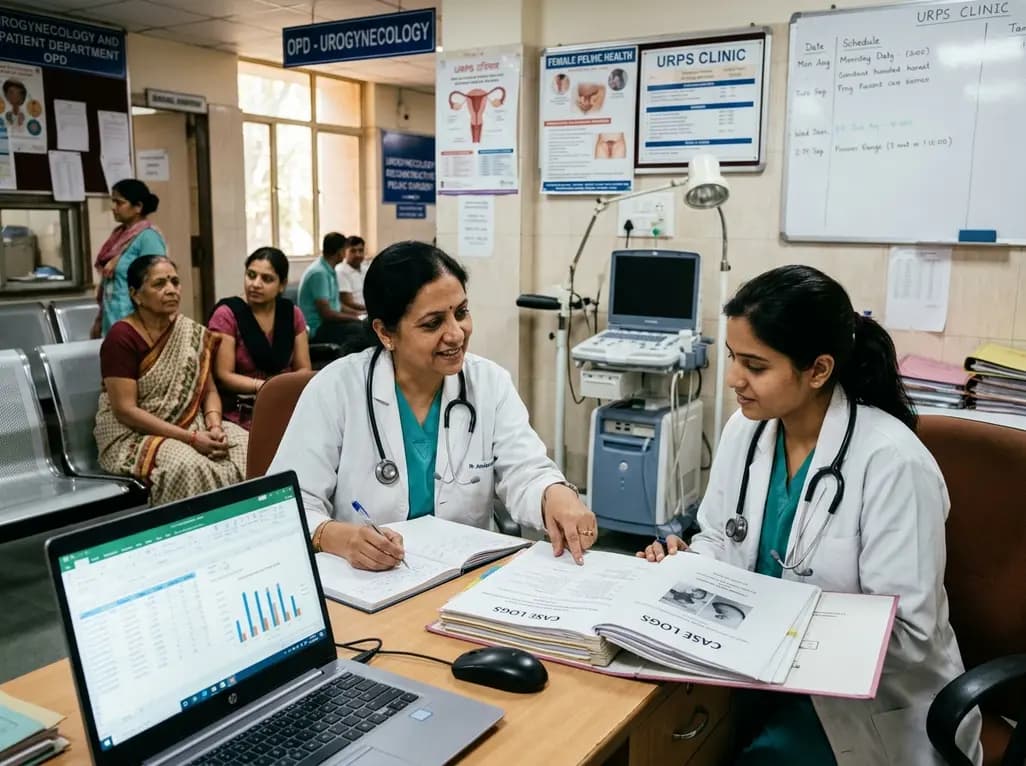
A ten-year cohort study of ABU case logs reveals that URPS fellowship training significantly drives higher annual case volumes, advanced surgical complexity, and increased female representation in pelvic floor reconstruction, underscoring the vital need for structured subspecialty training.
Today
Cardiovascular-kidney-metabolic (CKM) syndrome links metabolic, renal, and cardiovascular diseases along a shared continuum. This review examines holistic CKM management, PREVENT risk assessment, multi-organ pharmacotherapies like SGLT2i and GLP-1 RAs, and multidisciplinary care models to improve patient outcomes.
Today
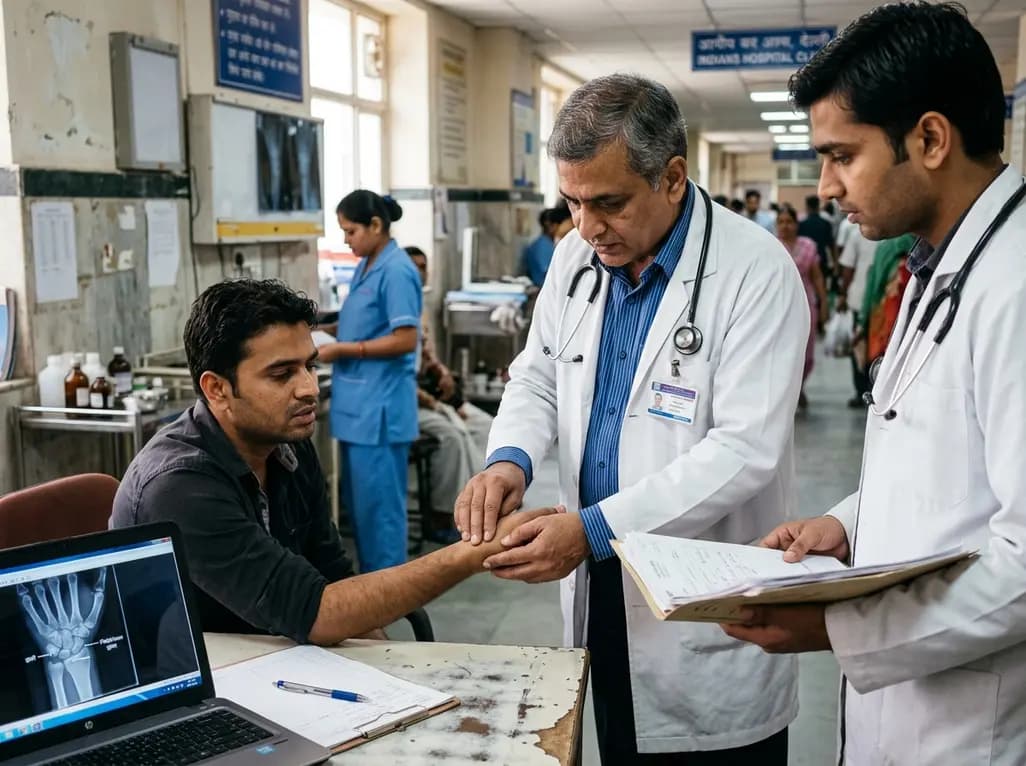
Posttraumatic pisotriquetral instability is a rare wrist injury causing severe hypothenar pain and weakness. Explore clinical examination, imaging, and pisiformectomy.
Today
The Italian CardioMET registry evaluated guideline-directed cardioprotective therapy in 2,527 outpatients with type 2 diabetes. Despite high cardiovascular risk, SGLT2 inhibitors and GLP-1 receptor agonists remain underutilized, highlighting the urgent need for multidisciplinary cardiometabolic care.
Today
