

Loading, please wait...
Loading, please wait...

Periodontitis significantly affects individual well-being beyond oral health. A recent meta-analysis explored the periodontitis and OHRQoL impact in adults with various systemic conditions. Researchers searched five major databases to identify observational studies using validated instruments like the OHIP-14. Consequently, they identified seventeen relevant studies for inclusion in their final analysis. Notably, the meta-analysis revealed a small but significant association between periodontal disease and impaired quality of life.
The study found that individuals with periodontitis reported higher OHIP-14 scores than healthy controls. Specifically, the mean difference was 2.29, indicating a measurable decline in daily functioning. However, the magnitude of this effect often varies based on the specific comorbidity. For instance, individuals with psoriasis experienced a strong negative impact from periodontal disease. In contrast, researchers observed no significant association for several other systemic conditions during their review. Furthermore, the diagnostic criteria used to define periodontitis influenced the results. Studies using the 2017 classification reported higher estimates compared to those using older criteria.
Healthcare providers should recognize that additional health challenges can sometimes overshadow periodontal symptoms. Therefore, a multidisciplinary approach remains essential for managing patients with complex systemic conditions. Early dental intervention might improve the overall life quality for these vulnerable populations.
It typically has a small negative impact on daily activities and emotional well-being. However, this impact is significantly more pronounced in patients suffering from psoriasis compared to other chronic conditions.
Newer diagnostic criteria, like the 2017 classification, provide a more accurate assessment of disease severity. Consequently, studies using these modern criteria often show a stronger correlation between periodontal health and quality of life scores.
Disclaimer: This content is for informational and educational purposes only. It does not constitute professional medical advice, diagnosis, or treatment. Always seek the advice of your physician or other qualified health provider with any questions you may have regarding a medical condition. Refer to the latest local and national guidelines for clinical practice.
References

Read summarized clinical updates, watch expert medical content, and earn CME certifications right from your smartphone.
Open your smartphone camera to scan and install.





A meta-analysis explores how periodontitis impairs oral health-related quality of life (OHRQoL) in adults with systemic comorbidities, highlighting psoriasi...
6 months ago

Explore vital recurrent stroke predictors in lacunar stroke patients managed with intensive blood pressure lowering. This analysis examines trial findings from SPS3 to uncover residual vascular risks, metabolic factors, and targeted secondary prevention strategies for high-risk neurological patients.
Today
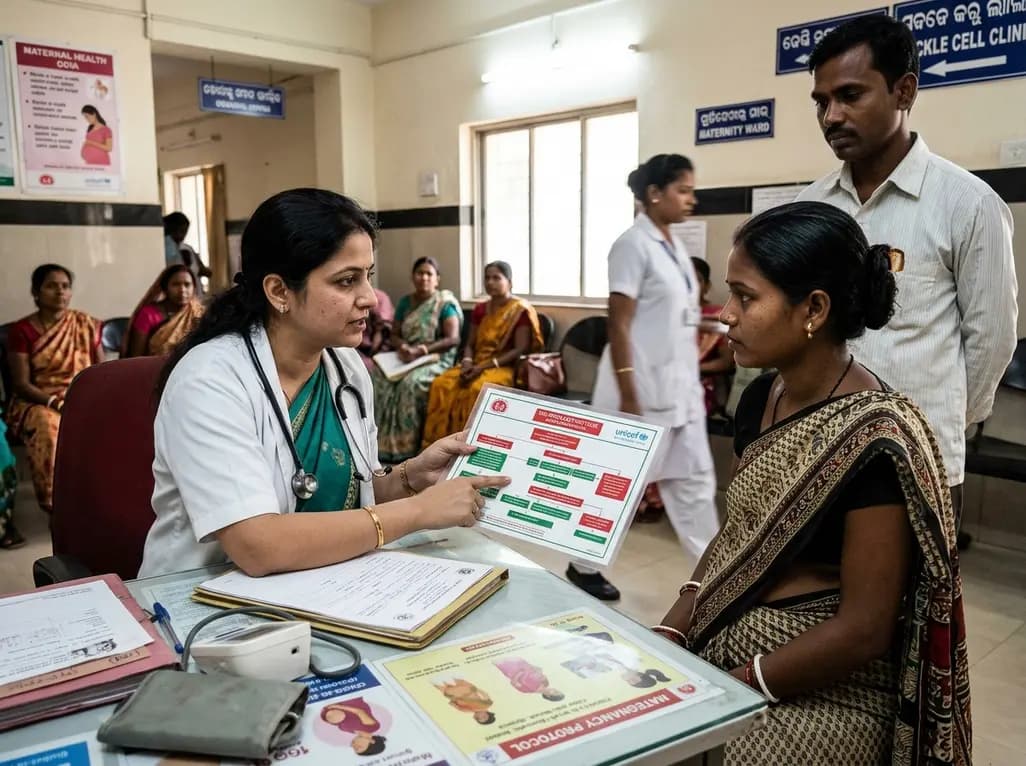
Odisha has established India's first state-level clinical protocol specifically tailored for pregnant women with sickle cell disease. Developed with NHM and UNICEF, the framework provides structured antenatal screening, crisis mitigation, standardized referral pathways, and specialized interdisciplinary care.
Today

The Directorate General of Health Services directs Indian states to halt the hazardous reuse and reprocessing of single-use medical devices. Discover regulatory implications under the Drugs and Cosmetics Act, critical infection risks, legal liabilities, and operational changes required across clinical specialties.
Today

Mitochondria-targeted nanoparticles self-assembled from EGCG and L-glutamic acid effectively restore mitochondrial homeostasis, suppress synovial inflammation, and attenuate chondrocyte senescence in osteoarthritis, offering a promising disease-modifying nanotherapy.
Today

India is advancing preventive healthcare by integrating genomics, artificial intelligence, and quantum technologies. With the SANGAM programme sequencing one million Indian genomes, clinicians can unlock personalized therapies, detect cardiometabolic risks early, and curb the burden of diabetes and heart disease.
Today
