.webp&w=384&q=75)

Loading, please wait...
Loading, please wait...

Poor oral hygiene leads to more than just tooth loss. Recent research highlights how periodontal disease healthcare costs rise significantly when patients neglect early treatment. Specifically, a retrospective cohort study examined adults in Japan to see if untreated gum disease affected their total medical spending over two years. Consequently, the results show a clear link between oral health and the financial burden of systemic care.
The study found that untreated individuals spent significantly less on dental care but much more on general medical treatments. Furthermore, the relative cost ratio for medical expenses was 1.56 times higher in the group that did not receive treatment. This suggests that avoiding the dentist might seem like an immediate saving. However, it actually creates higher medical and pharmaceutical bills elsewhere. Therefore, healthcare providers must emphasize the value of early intervention to prevent these ballooning expenditures.
In India, where oral health issues are prevalent, the economic impact is equally severe. Many urban adults suffer from chronic gum inflammation, which often complicates systemic diseases like diabetes and heart disease. Moreover, treating periodontitis early can reduce the risk of these secondary health complications. By prioritizing regular dental visits, patients can stabilize their periodontal disease healthcare costs and improve their overall quality of life. Preventive care is not just about a smile; it is a vital strategy for long-term medical health.
Untreated periodontal disease causes chronic inflammation. This systemic inflammation can exacerbate other medical conditions like diabetes or cardiovascular disease, leading to more frequent hospital visits and higher pharmaceutical costs.
Yes. Although dental treatment involves an upfront cost, it reduces the systemic burden of disease. This study showed that treated individuals had significantly lower medical expenses compared to those who left their condition unmanaged.
Disclaimer: This content is for informational and educational purposes only. It does not constitute medical advice or a professional recommendation. Refer to the latest local and national guidelines for clinical practice.
References

Read summarized clinical updates, watch expert medical content, and earn CME certifications right from your smartphone.
Open your smartphone camera to scan and install.





A new study reveals that leaving periodontal disease untreated leads to significantly higher medical costs, highlighting the importance of early dental care...
6 months ago

A recent study demonstrates that spinal oxygen sensors do not require mitochondrial electron transport to trigger sympathetic excitation during acute hypoxia, revealing new insights into how mitochondrial oxidative stress modulates autonomic tone in cardiovascular and neurological diseases.
Today
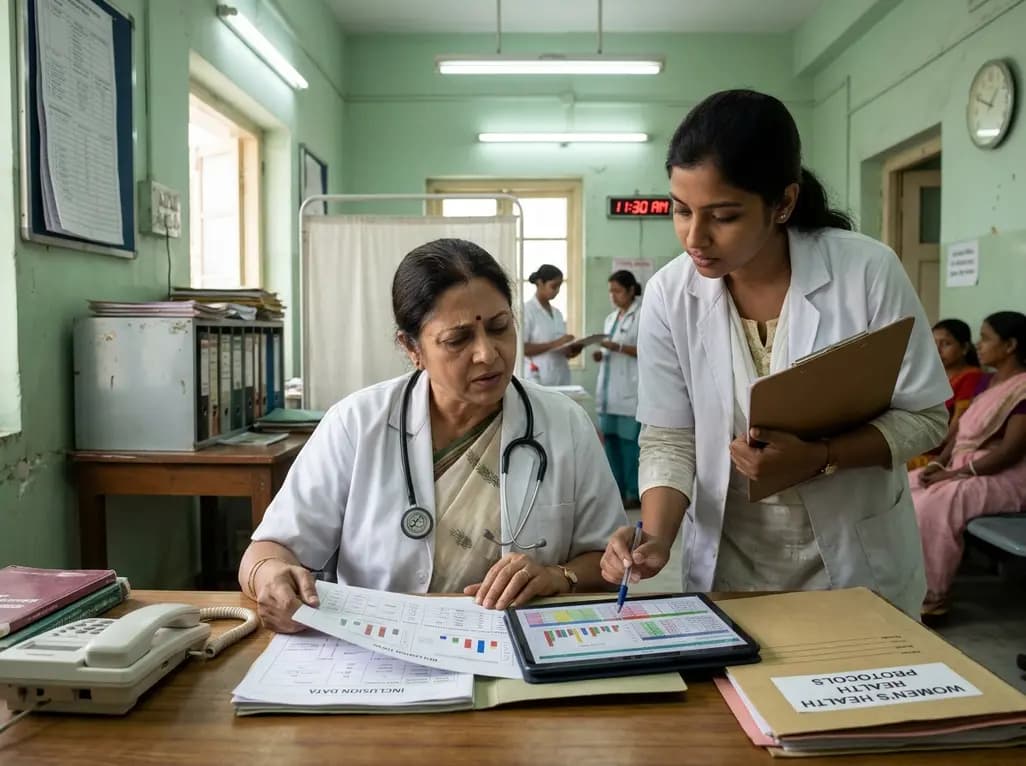
Demanding exhaustive hormonal profiling can inadvertently discourage clinical studies involving females. Methodological standards must align with the specific scientific question to expand, not restrict, equitable evidence for women.
Today

The Directorate General of Health Services directs Indian states to halt the hazardous reuse and reprocessing of single-use medical devices. Discover regulatory implications under the Drugs and Cosmetics Act, critical infection risks, legal liabilities, and operational changes required across clinical specialties.
Today
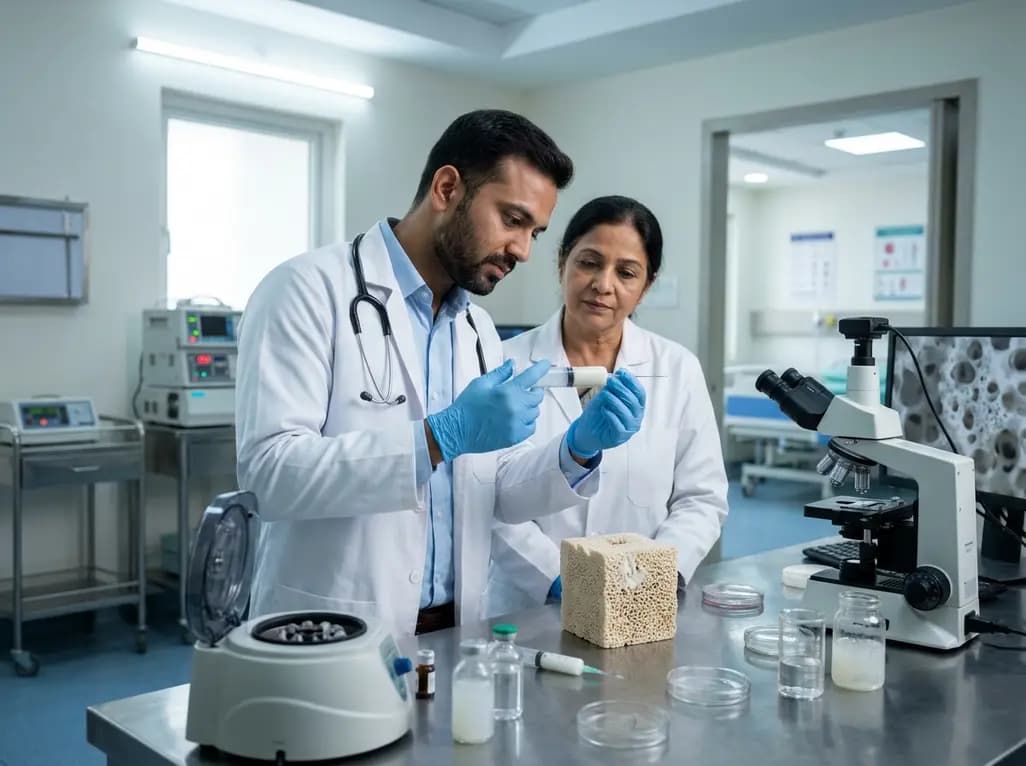
A novel calcium polyphosphate coacervate enables injectable bone implants with in situ hierarchical porosity via phase separation and gas foaming, significantly enhancing cell proliferation, energy metabolism, and osteogenic differentiation for minimally invasive bone defect repair.
Today

Following regulatory scrutiny from FSSAI regarding promotional representations and lean muscle preservation claims, Dr. Reddy's Laboratories and Nestlé Health Science are currently reviewing the branding and marketing strategy for their joint nutritional supplement Celevida GLP+.
Today
