

Loading, please wait...
Loading, please wait...

Substance use disorders present complex physiological and social challenges that frequently resist conventional, purely hospital-based medical interventions. Consequently, healthcare systems globally are integrating peer recovery support services to bridge persistent gaps across the addiction treatment continuum. Individuals with lived experience of addiction and sustained recovery deliver these specialized recovery programs. They provide relationship-based mentoring, navigation, and practical assistance across emergency rooms, community clinics, and outpatient programs. A landmark systematic review published in Drug Alcohol Depend synthesizes twenty-three years of evidence across 53 peer-reviewed studies to examine the true clinical impact of peer interventions. The comprehensive evaluation scrutinized quantitative outcomes spanning acute healthcare utilization, treatment engagement, behavioral health, and substance use patterns. While clinical advocacy for peer workers remains energetic, clinicians require rigorous, objective appraisal to understand how these non-clinical team members influence measurable health indicators.
Peer recovery specialists operate from a unique vantage point that distinguishes them from traditional licensed medical and allied behavioral health professionals. Rather than providing diagnostic evaluation or formal psychotherapy, these professionals utilize shared lived experience to build rapport, reduce medical mistrust, and guide patients through complex recovery pathways. Furthermore, these supportive interventions occur across diverse healthcare environments, including acute emergency units, inpatient medical wards, specialized residential treatment centers, and community ambulatory hubs. Because patients encountering acute substance crises often experience intense stigma, a peer specialist offers immediate psychological safety and pragmatic guidance. Additionally, peer recovery specialists routinely assist with logistical barriers that frequently derail rehabilitation, such as appointment scheduling, transportation coordination, and social services enrollment. Therefore, healthcare systems increasingly rely on this non-clinical workforce to prevent vulnerable patients from disengaging after critical acute stabilization.
The systematic review reveals that the strongest, most consistent evidence supporting peer specialists centers on treatment linkage and sustained outpatient engagement. Specifically, patients who engage with peer coaches in emergency rooms or acute withdrawal management show significantly higher rates of successful initiation into outpatient programs. Moreover, repeated contact and persistent personal navigation substantially enhance early retention in evidence-based pharmacological treatments, such as buprenorphine or methadone protocols. However, evidence regarding high-cost acute healthcare utilization remains far more inconsistent and complicated across the literature. While several observational analyses demonstrated meaningful reductions in repeat emergency presentations and unscheduled hospitalizations, other comparative investigations found no significant divergence from standard clinical care. Consequently, clinicians cannot assume that peer integration automatically drives immediate reductions in emergency department re-attendance without addressing broader systemic healthcare deficits.
Evaluating substance use patterns and behavioral health changes demonstrates both notable therapeutic promise and clear methodological limitations within the existing literature. For instance, numerous uncontrolled longitudinal studies reported substantial reductions in depressive symptoms, anxiety scores, and perceived distress following peer-led interventions. Similarly, multiple community-based cohorts demonstrated decreases in substance consumption frequency and improvements in subjective quality-of-life scores. Nevertheless, randomized controlled trials evaluating these psychosocial endpoints remain scarce, severely limiting definitive causal inference. The synthesis also highlighted ambiguous findings concerning hard harm reduction endpoints, such as fatal overdose and all-cause mortality rates. Because peer support often acts as a supplementary component within complex multidisciplinary care bundles, isolating the unique therapeutic effect of peer contact presents considerable research challenges. Thus, while subjective and psychosocial trends remain highly encouraging, definitive conclusions require methodologically rigorous comparative designs.
Although study designs varied widely, exploratory cross-study comparisons identified recurring operational elements that consistently correlated with superior patient outcomes. Most notably, programs providing sustained navigation over extended timelines outperformed brief, one-off clinical consults in acute settings. Furthermore, peer initiatives that offered concrete instrumental assistance, such as securing housing resources, navigating legal challenges, and coordinating pharmacy pickups, generated markedly superior patient follow-through. Regular, proactive contact initiated by the peer specialist rather than passive drop-in arrangements also distinguished effective intervention models. Conversely, programs that deployed peer specialists without structured supervision, role definition, or adequate organizational integration frequently struggled with specialist burnout and inconsistent patient engagement. Therefore, clinical administrators must recognize that peer support functions best as a deliberate, well-supported healthcare system intervention rather than an ad-hoc clinical afterthought.
For practicing physicians, addiction medicine specialists, and nursing leaders, these findings offer vital guidance for real-world practice integration. Peer specialists should not be deployed as cheap replacements for comprehensive clinical, pharmacological, or psychiatric care. Instead, medical teams should leverage peers as essential engagement ambassadors who establish therapeutic rapport and dismantle pervasive institutional mistrust. Additionally, physicians working in acute triage environments can actively partner with peer coaches to optimize post-overdose discharge protocols. When clinicians treat peer specialists as respected multidisciplinary colleagues, warm handoffs between acute resuscitation and long-term community management improve substantially. Moving forward, clinical centers must also establish standardized training, clear clinical boundaries, and robust supervision structures to ensure peer workforce sustainability. Ultimately, peer services provide an invaluable relational bridge that complements formal medical therapy, guiding patients from acute stabilization toward durable community recovery.
Peer recovery specialists leverage shared lived experience to mentor individuals recovering from substance use disorders. They facilitate treatment linkage, assist with pragmatic community navigation, provide emotional encouragement, and help patients overcome social and institutional barriers without delivering formal psychiatric therapy or medical prescribing.
Evidence regarding emergency department reduction remains mixed and inconsistent across published trials. While peer specialists clearly improve outpatient treatment linkage and initial program engagement, reductions in acute hospital utilization depend heavily on community resource availability, baseline patient acuity, and overall program continuity.
Clinicians can optimize integration by establishing clear scopes of practice, offering multidisciplinary team training, and facilitating immediate warm handoffs during clinical encounters. Ensuring formal administrative supervision, reasonable peer caseloads, and mutual professional respect prevents specialist burnout while maximizing patient retention.
Disclaimer: This content is for informational and educational purposes only and does not constitute medical advice or establish a doctor-patient relationship. Healthcare professionals must exercise independent clinical judgment. Refer to the latest local and national guidelines for clinical practice.
References
Duan Z et al. Effectiveness of peer recovery support services for substance use disorders: A systematic review of healthcare utilization, behavioral health, and engagement outcomes. Drug Alcohol Depend. 2026 Oct 01. doi: 10.1016/j.drugalcdep.2026.113290. PMID: 42570534.
Eddie D, Hoffman L, Vilsaint C, et al. Lived Experience in New Models of Care for Substance Use Disorder: A Systematic Review of Peer Recovery Support Services and Recovery Coaching. Front Psychol. 2019;10:1052. doi: 10.3389/fpsyg.2019.01052.
Beaudoin FL, Jacka BP, Li Y, et al. Emergency Department Peer Support Program and Patient Outcomes After Opioid Overdose. JAMA Netw Open. 2024;7(3):e243581. doi: 10.1001/jamanetworkopen.2024.3581.

Read summarized clinical updates, watch expert medical content, and earn CME certifications right from your smartphone.
Open your smartphone camera to scan and install.





A comprehensive systematic review of 53 studies examines the effectiveness of peer recovery support services for substance use disorders. While peer navigation significantly improves clinical linkage and care engagement, evidence regarding acute healthcare utilization and long-term abstinence remains mixed.
Today
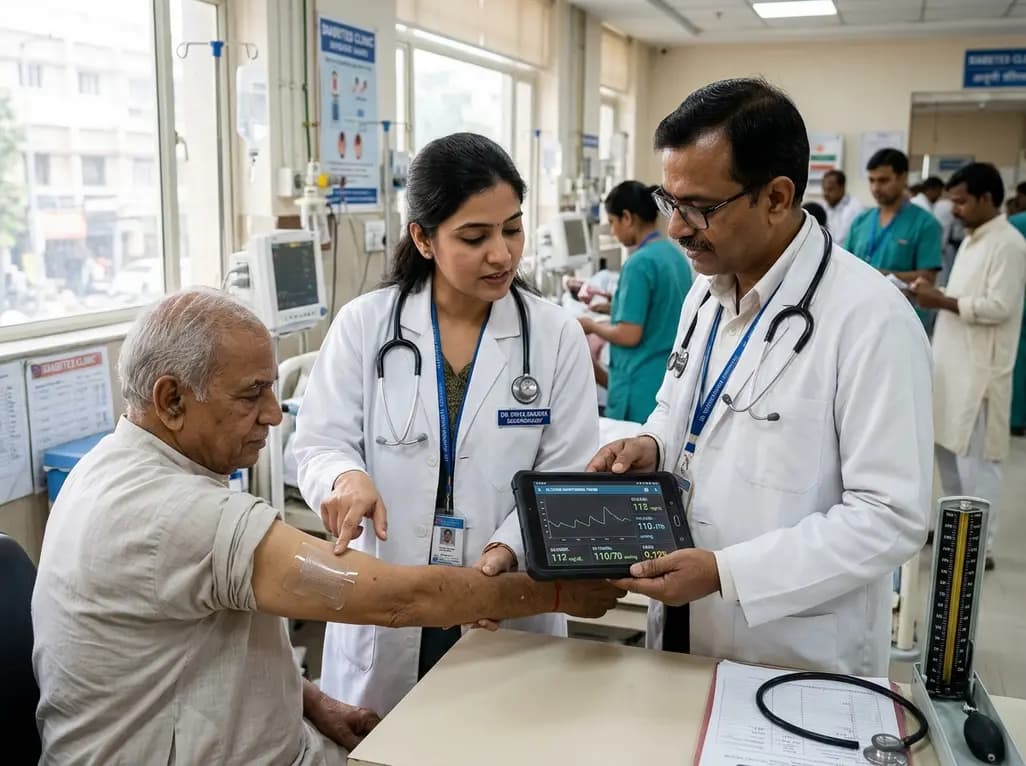
A breakthrough ultrathin multimodal sensor decouples physical hemodynamic monitoring from disposable electrochemical calibration, achieving long-term wearable glucose prediction with 81.36% accuracy and a 9.12% MARD. This offers a robust, drift-free solution for outpatient metabolic surveillance.
Today

A clinical review of menopause and neurology highlights the neurobiological impacts of midlife hormonal shifts on cognition, epilepsy, migraine, multiple sclerosis, and stroke, emphasizing safe hormone therapy prescribing.
Today

Co-administering antiseizure medications and DOACs frequently causes pharmacokinetic interactions, subtherapeutic drug levels, and thromboembolic failures. This review highlights enzyme induction risks, unpredictable outcomes with levetiracetam, and the vital role of therapeutic drug monitoring.
Today
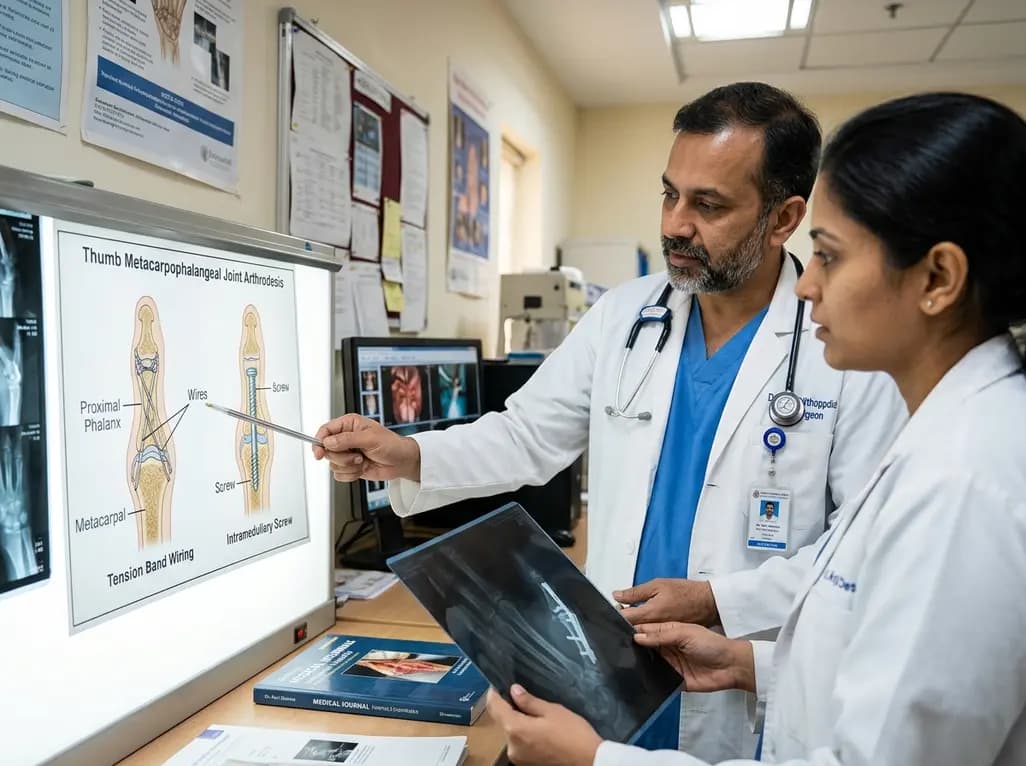
A comparative review of tension band wiring and intramedullary screw fixation in thumb metacarpophalangeal arthrodesis, evaluating union rates, hardware complications, and clinical outcomes.
Today
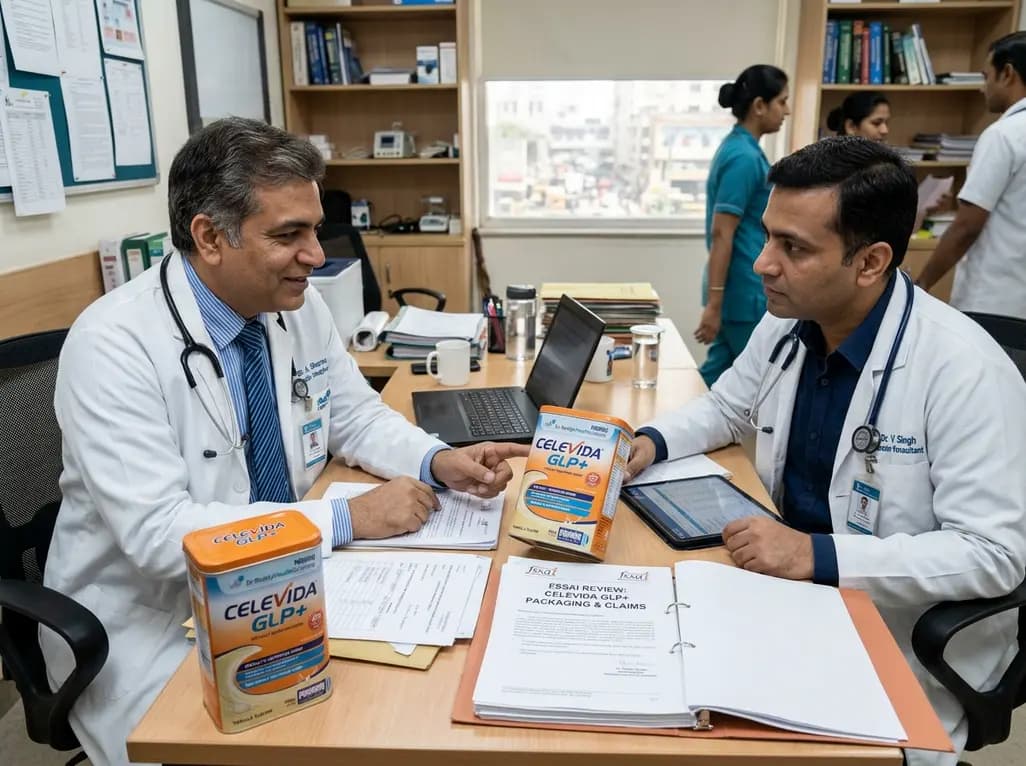
Following regulatory scrutiny from FSSAI regarding promotional representations and lean muscle preservation claims, Dr. Reddy's Laboratories and Nestlé Health Science are currently reviewing the branding and marketing strategy for their joint nutritional supplement Celevida GLP+.
Today
