.webp&w=384&q=75)

Loading, please wait...
Loading, please wait...
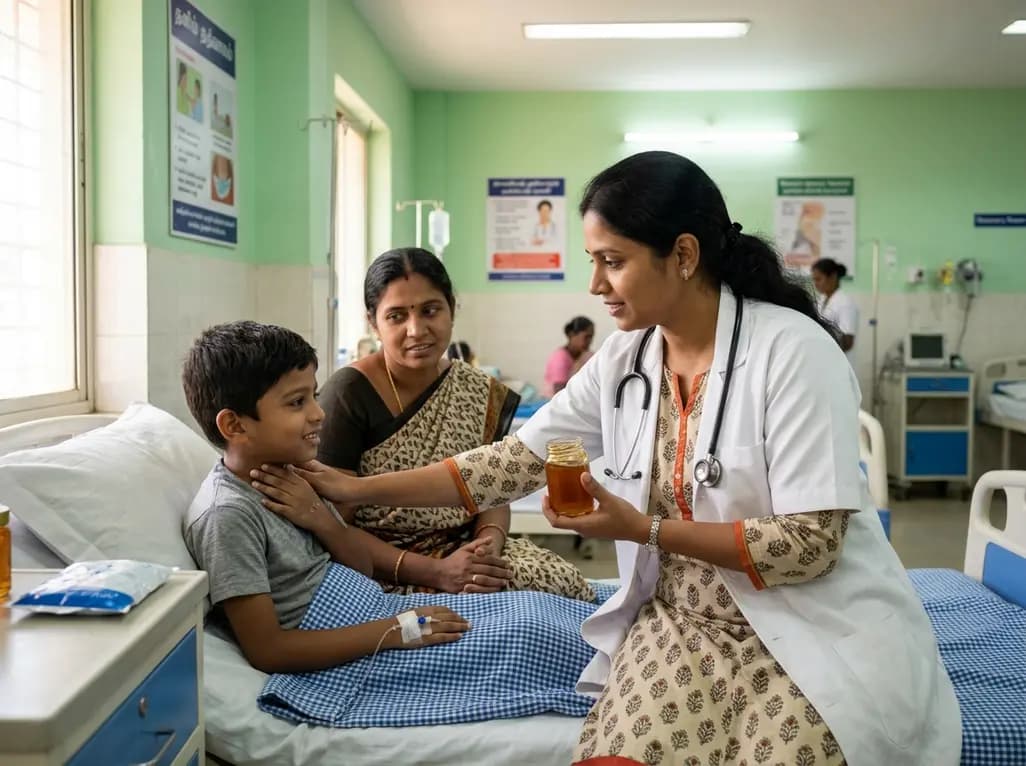
Effective pediatric posttonsillectomy pain management remains a significant challenge for healthcare providers and families. Since standard analgesic medications often carry side effects, clinicians are increasingly exploring nonpharmacologic interventions. This systematic review evaluated 23 studies to understand the efficacy of various non-medical therapies. Consequently, the findings provide a roadmap for integrating safe, complementary methods into postoperative care protocols.
The systematic review highlighted several promising interventions. For instance, acupuncture demonstrated significant pain reduction at 6 and 24 hours post-surgery. Furthermore, local applications like cold therapy and the consumption of honey proved beneficial in lowering pain scores during the first 12 to 24 hours. Additionally, gum chewing was associated with improved comfort levels for some patients. These results suggest that multimodal approaches, which combine traditional medicine with these techniques, may enhance patient recovery. Moreover, the review found no significant increase in postoperative bleeding across the intervention groups, affirming the safety of these methods.
Notably, while these therapies showed benefits in the immediate postoperative window, their long-term efficacy varied. However, the low risk of adverse events makes them attractive options for clinicians. Therefore, including nonpharmacologic strategies could reduce reliance on higher doses of analgesics. Ultimately, this approach supports a more holistic recovery process for children undergoing tonsil surgery.
Yes, the review found that acupuncture is a safe and effective intervention for reducing pain scores in pediatric patients within the first 24 hours following surgery.
According to the evidence, honey can serve as an effective nonpharmacologic adjunct to reduce pain and discomfort in children during the early recovery period.
Disclaimer: This content is for informational and educational purposes only. It does not constitute medical advice or a substitute for professional healthcare. Always seek the advice of a physician or other qualified health provider with any questions you may have regarding a medical condition. Refer to the latest local and national guidelines for clinical practice.
References

Read summarized clinical updates, watch expert medical content, and earn CME certifications right from your smartphone.
Open your smartphone camera to scan and install.





A systematic review of 23 studies evaluates nonpharmacologic therapies for pediatric posttonsillectomy pain. Modalities like acupuncture, honey, and cold therapy showed significant pain reduction without increasing bleeding risks, offering valuable adjuncts to standard analgesic protocols.
4 months ago

Review how tailored exercise programs benefit frail older patients with heart failure. Explore pathophysiological mechanisms, individualized training prescriptions, and strategies to overcome adherence barriers in clinical practice.
Today

Recent clinical studies reveal maternal autoantibodies targeting IL-1RA as potential triggers for preterm labor, opening avenues for targeted cytokine therapies. Concurrently, new perioperative findings show inhaled cannabis increases propofol requirements during upper endoscopy compared to oral edible consumption.
Today

In high-risk pulmonary embolism complicated by severe anemia and active uterine bleeding, systemic thrombolysis is contraindicated. Large-bore aspiration thrombectomy provides rapid hemodynamic rescue without fibrinolysis, supported by inferior vena cava filter placement and multidisciplinary critical care.
Today

This comparative study evaluates posterior labral tears with and without glenohumeral instability, highlighting distinct demographic patterns, MRI underestimation in stable shoulders, and successful arthroscopic repair outcomes.
Today

A clinical study demonstrates that early intervention with tocilizumab, either as monotherapy or bridged with corticosteroids, achieves significant proptosis reduction and resolves active inflammation in treatment-naive thyroid eye disease.
Today
