.webp&w=384&q=75)

Loading, please wait...
Loading, please wait...

Pediatric cancer therapies have advanced dramatically, producing remarkable five-year survival rates exceeding eighty percent across specialized centers. However, intensive protocols often expose developing children to severe toxicities, including persistent fatigue, sarcopenia, and cardiovascular decline. Clinicians now recognize that non-pharmacological interventions are vital to preserve functional mobility. Integrating pediatric oncology exercise into standard supportive protocols addresses these debilitating deficits. By distinguishing spontaneous movement from formal prescription, multidisciplinary teams can tailor rehabilitation strategies to promote physiological recovery and enhance long-term quality of life for young patients.
Clinicians often use movement terminology interchangeably, yet defining clear boundaries between concepts remains critical for therapeutic success. Physical activity refers to any bodily movement produced by skeletal muscles that results in energy expenditure. For young children, this manifests as natural play, walking down hospital corridors, and everyday exploratory activities. In contrast, structured exercise entails planned, repetitive, and intentional physical training designed to enhance specific components of physical fitness. While spontaneous play supports cognitive engagement and reduces sedentary time, it rarely provides the progressive overload required to reverse deep skeletal muscle atrophy.
Furthermore, structured exercise introduces calibrated variables such as intensity, duration, and movement mechanics. For example, therapists carefully dose resistance exercises to counteract steroid-induced myopathy. Similarly, targeted aerobic drills improve cardiorespiratory reserve following anthracycline exposure. When oncology teams differentiate incidental activity from structured exercise, they communicate treatment goals more effectively. Consequently, patients receive both unstructured opportunities to play and focused clinical regimens tailored to physiological deficits. This balanced distinction ensures that physical movement functions as both restorative play and purposeful medicine.
During active cancer therapy, oncology teams historically recommended prolonged bed rest to protect immunocompromised children from fatigue and infection. However, modern clinical evidence demonstrates that appropriately adapted movement during active treatment is safe, feasible, and beneficial. Inpatient exercise programs do not increase adverse events, infectious episodes, or device dislodgements when supervised by trained personnel. Instead, prolonged immobilization exacerbates muscle catabolism, venous thrombosis risks, and functional debility.
Therefore, clinicians must transition from universal rest restrictions to individualized risk stratification. Before initiating any session, the clinical team monitors absolute neutrophil counts, platelet levels, and hemoglobin thresholds. For instance, clinicians avoid high-impact activities when platelet counts fall below twenty thousand per microliter. Similarly, active febrile illness mandates temporary exercise suspension until systemic stabilization occurs. Physical therapists also adapt movement routines around central venous catheters, limb salvage prostheses, and surgical incisions. By implementing flexible bedside routines, inpatient wards transform into active environments that stimulate recovery without compromising pediatric safety.
Pediatric malignancies and cytotoxic therapies profoundly impair developing physiological systems. Anthracycline-based chemotherapy regimens and thoracic radiation induce subclinical myocardial remodeling, which drastically diminishes peak oxygen consumption. Concurrently, high-dose corticosteroids induce selective type II muscle fiber atrophy, producing rapid proximal muscle weakness. These compound deficits severely limit a child's ability to navigate stairs, keep pace with school peers, or participate in social games.
Fortunately, structured movement interventions stimulate positive neuromuscular and metabolic remodeling. Moderate aerobic exercise preserves endothelial health, enhances left ventricular ejection mechanics, and optimizes oxygen uptake efficiency. In addition, progressive resistance training stimulates myofibrillar protein synthesis, mitigating severe sarcopenia during intense maintenance therapy. Longitudinal assessments show that active children retain superior bone mineral density compared to their sedentary peers. As a result, movement interventions reduce chronic cancer-related fatigue, creating an upward spiral of physical stamina and psychological resilience throughout treatment cycles.
Successfully integrating pediatric oncology exercise into hospital workflows requires strong multidisciplinary collaboration. Pediatric oncologists, physical therapists, nurses, and psycho-oncology specialists must work in synchrony to establish standardized movement protocols. When teams adopt multidisciplinary rounds, therapists obtain real-time updates regarding treatment toxicity, surgical plans, and laboratory fluctuations. Consequently, exercise prescriptions can evolve dynamically alongside the patient's medical trajectory.
Moreover, clinicians should adopt validated objective measures to track functional progress across therapy phases. Standard functional assessments include the six-minute walk test, handgrip dynamometry, and timed up-and-go evaluations. These reproducible metrics offer valuable baseline data and help therapists quantify neuromuscular recovery. Clinicians must also account for psychological resistance, treatment-related nausea, and emotional burnout. Gamifying exercise sessions through interactive video games or playful obstacle courses significantly improves pediatric adherence. Ultimately, embedding structured movement into routine clinical care elevates exercise from an optional adjunct to a fundamental pillar of pediatric supportive oncology.
The transition from active treatment into long-term survivorship presents unique physiological and psychosocial hurdles. Childhood cancer survivors face heightened risks of premature cardiovascular mortality, metabolic syndrome, secondary malignancies, and chronic osteopenia. Therefore, the primary clinical focus during survivorship shifts from acute tolerance toward long-term lifestyle modification and functional restoration. Establishing habitual movement habits during early remission confers protective cardiopulmonary advantages that persist into adulthood.
However, maintaining long-term physical activity requires active family involvement. Parents often harbor profound vulnerability fears, instinctively restricting their child's physical exertion even years after achieving remission. Clinicians must proactively educate caregivers about the proven safety profile of regular exercise. Involving parents and siblings in community recreational activities normalizes physical movement and eliminates feelings of medical isolation. Furthermore, digital tracking platforms and pediatric survivorship exercise clinics bridge the gap between hospital-based rehabilitation and community sports. By empowering families with actionable guidance, healthcare teams ensure that young cancer survivors regain physical confidence and thrive across their lifespan.
Clinicians can safely prescribe movement interventions during active chemotherapy by conducting pre-exercise screenings and monitoring daily lab values. For example, therapists adjust exercise intensity when patients experience severe anemia or thrombocytopenia. Furthermore, clinicians should avoid high-impact activities if bone metastases exist. Supervised, low-to-moderate aerobic games and gentle resistance bands promote functional mobility while keeping infection risks low. Therefore, real-time adaptation and active clinical communication ensure patient safety across every phase of acute cancer therapy.
Structured exercise fundamentally differs from daily spontaneous physical activity through planned progression, defined volume, and specific physiological targets. Spontaneous active play encompasses unstructured games that burn energy naturally during childhood. In contrast, structured exercise incorporates tailored aerobic training, motor coordination tasks, and targeted resistance sets. Consequently, structured programs systematically counteract chemotherapy-induced peripheral neuropathy, sarcopenia, and cardiovascular deconditioning. Both forms remain essential, yet structured exercise provides reproducible, dose-dependent clinical gains during survivorship.
Oncology teams engage pediatric families by framing movement as enjoyable play rather than an arduous clinical chore. In addition, physiotherapists invite parents and siblings to join movement sessions, which fosters emotional comfort and long-term compliance. Clinicians can also utilize wearable fitness trackers and gamified movement apps to motivate tech-savvy adolescents. Therefore, addressing parental fears regarding post-treatment exhaustion builds caregiver confidence, transforming home environments into active, supportive recovery spaces.
Disclaimer: This content is for informational and educational purposes only... Refer to the latest local and national guidelines for clinical practice.
References

Read summarized clinical updates, watch expert medical content, and earn CME certifications right from your smartphone.
Open your smartphone camera to scan and install.





Explore the clinical differences between physical activity and structured exercise in pediatric oncology. Learn practical protocols to enhance physical fitness, mitigate fatigue, and support long-term functional recovery during cancer treatment and survivorship.
Today
Population-based data demonstrate that material deprivation, ethno-racial diversity, and urban density substantially amplify peak hospitalization rates during COVID-19, influenza, and RSV surges. Clinical preparedness requires addressing socioeconomic determinants to ensure equitable resource allocation.
Today
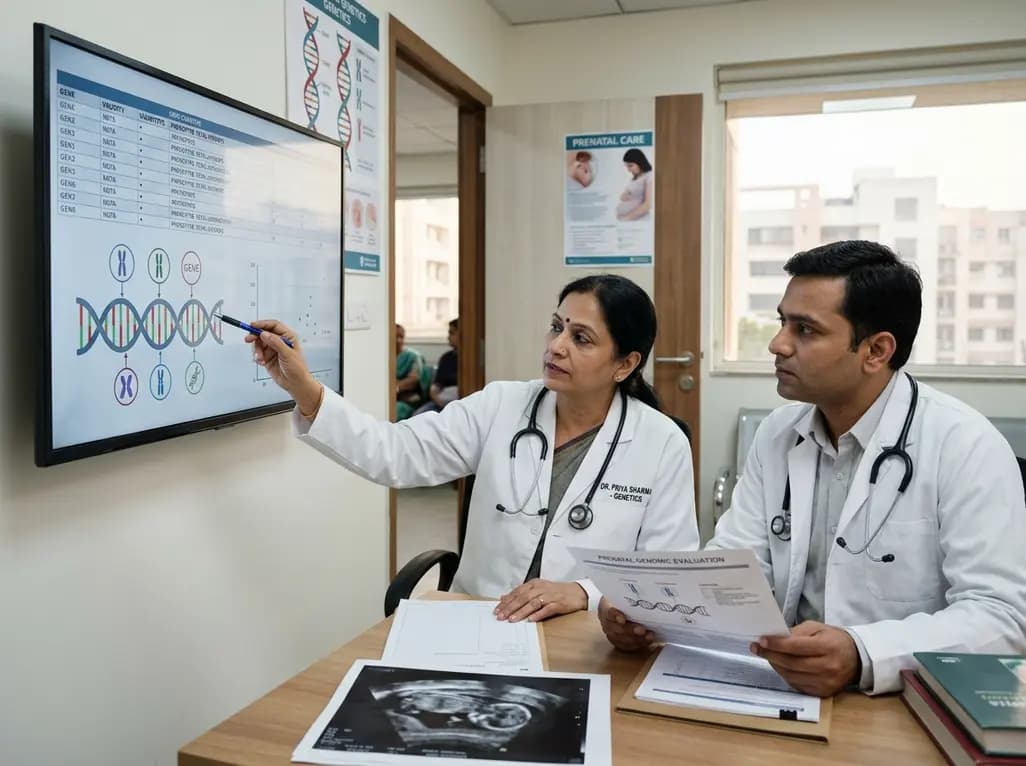
The ClinGen Prenatal Gene Curation Expert Panel evaluated 63 disease relationships across 61 genes, establishing clinical validity for severe fetal phenotypes like hydrops and stillbirth to enhance prenatal genomic interpretation and clinical care.
Yesterday
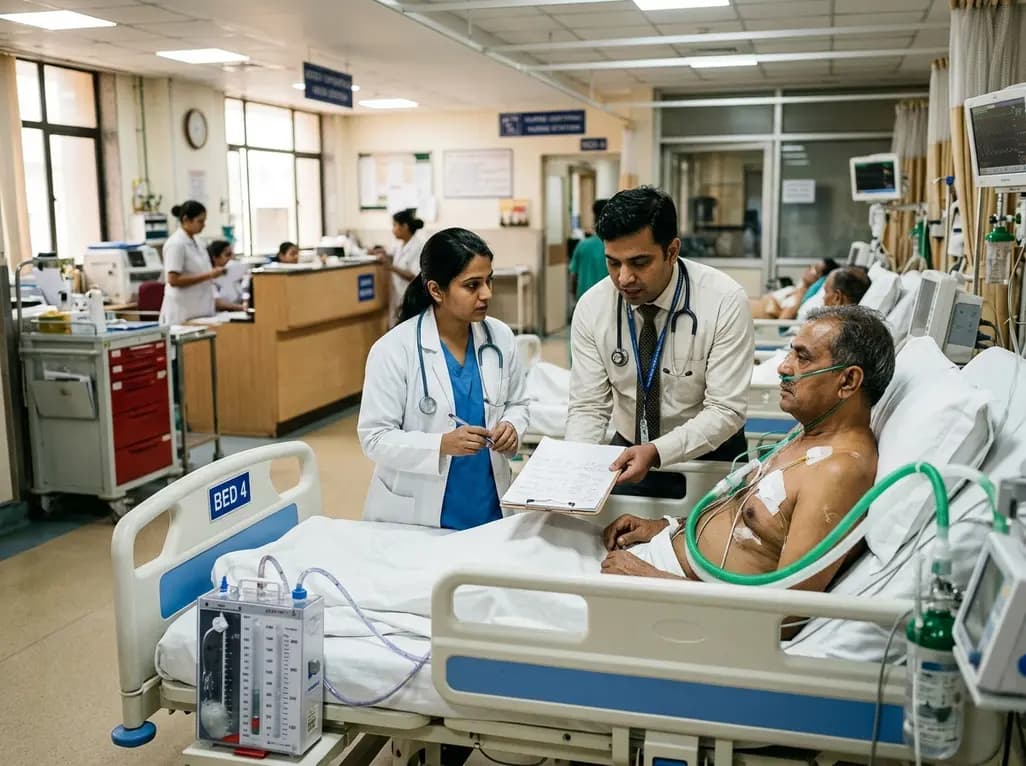
Managing refractory hypoxemia after cardiothoracic surgery becomes perilous when prolonged air leak limits positive-pressure ventilation. This case-based review details how high-flow nasal cannula, paired with awake rehabilitation, enabled successful extubation and avoided invasive re-intubation.
Today
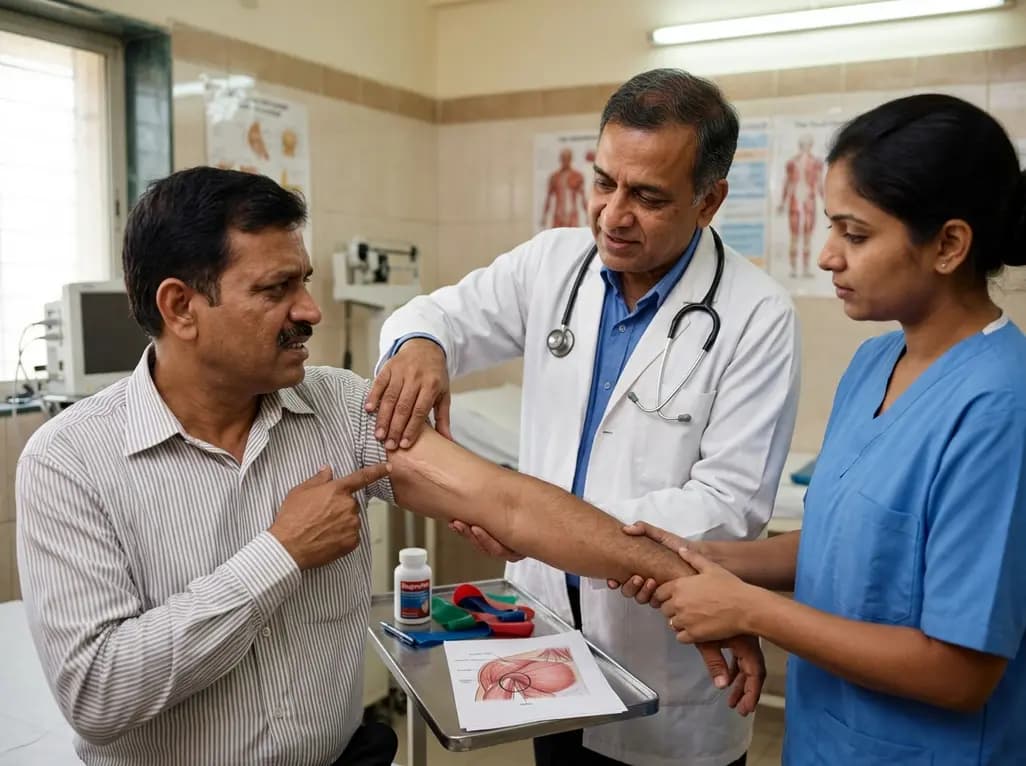
Idiopathic axillary web syndrome (IAWS) is a rare cause of shoulder pain and mobility restriction characterized by palpable axillary cording without prior surgery or trauma. Early diagnosis, nonsteroidal anti-inflammatory therapy, and physical rehabilitation lead to complete resolution of symptoms.
Today
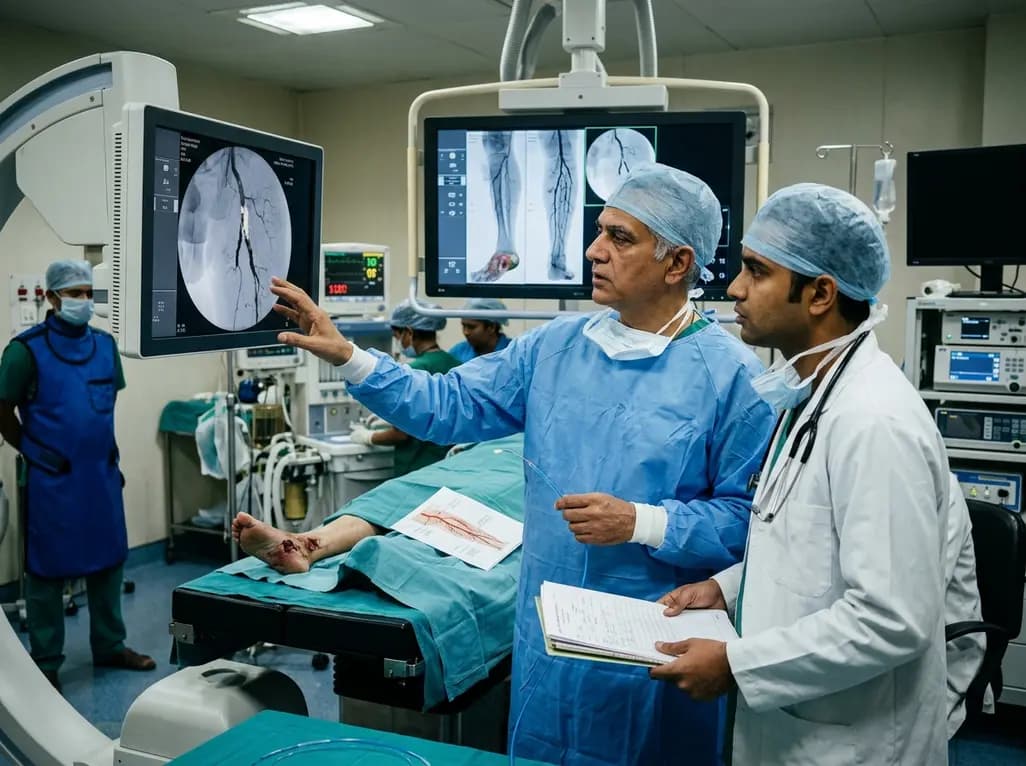
SWEDEPAD-1 trial insights show paclitaxel-coated devices do not improve long-term limb salvage in patients with chronic limb-threatening ischemia and tissue loss. While one-year reinterventions decreased, the devices were linked to a higher risk of major amputation at three months.
Today
