.webp&w=384&q=75)

Loading, please wait...
Loading, please wait...

The simultaneous co-circulation of SARS-CoV-2, seasonal influenza, and respiratory syncytial virus has reshaped inpatient care pathways worldwide. Healthcare systems frequently encounter severe seasonal waves that strain intensive care capacity. However, recent surveillance highlights that respiratory viral surge disparities disproportionately affect socioeconomically disadvantaged communities. During epidemic peaks, weekly hospitalization rates reveal distinct inequities across diverse demographic cohorts. Researchers evaluated population-level data in Ontario to quantify these trends across pre-pandemic and post-pandemic periods. Specifically, the analysis assessed neighbourhood deprivation, ethno-racial diversity, geographic location, and sex-based variations. Consequently, the findings demonstrate that viral transmission does not distribute equally across communities. Instead, chronic structural challenges significantly amplify viral transmission and disease severity. In addition, unequal baseline health status exacerbates clinical outcomes when seasonal pathogens peak concurrently. Clinicians must recognize these structural patterns during acute seasonal surges. Therefore, evaluating underlying demographic risks provides vital context for hospital admission patterns. Moreover, understanding these exposure pathways helps health systems anticipate critical bed shortages and allocate therapeutic resources equitably.
Material deprivation consistently predicts poorer outcomes during acute respiratory viral seasons. Population-based data reveal that the most materially deprived neighbourhoods experienced peak hospitalization rates up to 2.5 times higher than affluent areas. Furthermore, families residing in low-resource environments encounter overcrowded housing, limited paid medical leave, and diminished access to early outpatient interventions. Consequently, viral transmission escalates rapidly within multi-generational homes. When infants or elderly relatives contract respiratory syncytial virus or influenza, their symptoms deteriorate faster due to underlying co-morbidities. Moreover, delayed clinical presentation increases the likelihood of advanced lower respiratory tract involvement. In contrast, higher-income households enjoy better access to private transport, preventive resources, and rapid clinical consultations. Therefore, severe hypoxemia and respiratory distress manifest more frequently in resource-poor clinics. Emergency departments serving deprived neighbourhoods consistently register overwhelming patient volumes during winter peaks. In response, public health leaders must establish localized diagnostic hubs to mitigate this burden. Ultimately, addressing socioeconomic deprivation remains an essential prerequisite for reducing seasonal hospital admissions. Additionally, local health authorities should deliver subsidized medicines and pulse oximeters to impoverished households before seasonal viral activity peaks.
Ethno-racial diversity intersects profoundly with social vulnerability during acute infectious disease epidemics. Observational data demonstrate that peak respiratory hospitalization rates were up to 2.3 times higher in diverse neighbourhoods than in less diverse communities. Historically, minoritized populations encounter systemic barriers, language discordance, and variable access to primary care providers. Furthermore, many individuals work in essential frontline occupations where physical distancing remains impossible. Consequently, community-level viral exposure spikes abruptly during circulating influenza and coronavirus surges. When clinical symptoms worsen, patients frequently experience diagnostic delays because local clinics lack adequate staffing or multilingual educational materials. Additionally, lower uptake of annual influenza and updated COVID-19 boosters in marginalized communities widens this health gap. For instance, misinformation and institutional mistrust often suppress vaccine acceptance in underserved areas. Clinicians must proactively address these disparities through targeted outreach and respectful patient communication. Therefore, developing culturally tailored health campaigns will protect vulnerable racial groups from preventable hospital admissions. Furthermore, engaging trusted community leaders fosters confidence in evidence-based vaccination and early medical evaluation.
Geographic and demographic variations also govern inpatient admission dynamics during seasonal viral surges. Recent epidemiological assessments show that urban residents in specific age brackets experienced peak hospitalization rates up to 2.8 times higher than rural dwellers. High population density and mass transit usage in metropolitan centers drive substantial airborne viral transmission. However, rural centers face distinct obstacles, including prolonged transit times and scarce critical care resources. Furthermore, biological sex introduces meaningful differences across age categories. In pediatric cohorts, young males exhibited peak hospitalization rates up to 1.3 times higher than young females. Conversely, older adult cohorts showed an opposite pattern. Among elderly populations, females registered peak hospitalization rates up to 1.6 times higher than older males. Hormonal variations, immunosenescence, and differential life expectancy likely drive these sex disparities. Thus, clinicians must account for age and sex when triaging acute respiratory infections. Tailoring therapeutic strategies to these demographic profiles optimizes critical care utilization during surging epidemics. Moreover, recognizing these distinct biological and geographical vulnerabilities ensures more efficient emergency department bed management.
Hospital administrators must translate population-level findings into operational winter surge preparedness strategies. First, healthcare facilities should calibrate bed management algorithms according to neighbourhood risk indicators. Because deprived and densely populated communities generate disproportionate inpatient volumes, regional centers must direct extra staff and oxygen reserves toward community facilities. Moreover, outpatient clinics should expand ambulatory fever clinics and rapid diagnostic pathways. By diagnosing respiratory syncytial virus, influenza, and SARS-CoV-2 early, physicians can prescribe targeted antivirals and initiate supportive care promptly. Additionally, hospital discharge teams must ensure vulnerable patients receive home oxygen, nebulizers, and clear follow-up plans. In addition, preventive immunization initiatives require strategic restructuring. Mobile vaccination units should deploy directly to high-risk urban postal codes before peak viral months. Clinicians should consistently advocate for maternal RSV immunizations, infant monoclonal antibodies, and annual influenza vaccines. Consequently, proactive clinical planning mitigates emergency room crowding and improves overall patient survival. Furthermore, interdisciplinary care teams must collaborate across health sectors to maintain continuum of care during extreme hospital surges.
Deprived neighbourhoods face severe structural challenges that accelerate respiratory virus transmission and worsen illness. Overcrowded living quarters and reliance on public transportation facilitate viral spread among household members. Furthermore, residents often have higher rates of pre-existing cardiorespiratory conditions and limited access to primary medical care. Consequently, minor viral infections frequently progress to severe lower respiratory tract disease, necessitating emergency hospitalization and intensive inpatient interventions.
Biological sex significantly impacts immune responses and respiratory disease severity across different life stages. Male infants exhibit higher airway resistance and less mature immune defenses, leading to increased hospitalization rates during early childhood. Conversely, elderly females experience higher rates of immunosenescence and survivorship with multiple chronic co-morbidities. Consequently, older women require hospital admission more often when co-circulating respiratory viruses trigger acute cardiovascular or pulmonary decompensation.
Healthcare facilities should proactively deploy mobile vaccination clinics directly into socioeconomically disadvantaged neighbourhoods before winter surges begin. In addition, hospitals must establish rapid point-of-care viral testing in community clinics to initiate early antiviral therapies. Furthermore, clinical teams must provide multilingual educational materials and expand home healthcare support. Consequently, these targeted equity measures reduce preventable hospital admissions and safeguard strained inpatient bed capacities during peak viral co-circulation.
Disclaimer: This content is for informational and educational purposes only... Refer to the latest local and national guidelines for clinical practice.
References

Read summarized clinical updates, watch expert medical content, and earn CME certifications right from your smartphone.
Open your smartphone camera to scan and install.





Population-based data demonstrate that material deprivation, ethno-racial diversity, and urban density substantially amplify peak hospitalization rates during COVID-19, influenza, and RSV surges. Clinical preparedness requires addressing socioeconomic determinants to ensure equitable resource allocation.
Today

The ClinGen Prenatal Gene Curation Expert Panel evaluated 63 disease relationships across 61 genes, establishing clinical validity for severe fetal phenotypes like hydrops and stillbirth to enhance prenatal genomic interpretation and clinical care.
Yesterday

Managing refractory hypoxemia after cardiothoracic surgery becomes perilous when prolonged air leak limits positive-pressure ventilation. This case-based review details how high-flow nasal cannula, paired with awake rehabilitation, enabled successful extubation and avoided invasive re-intubation.
Today
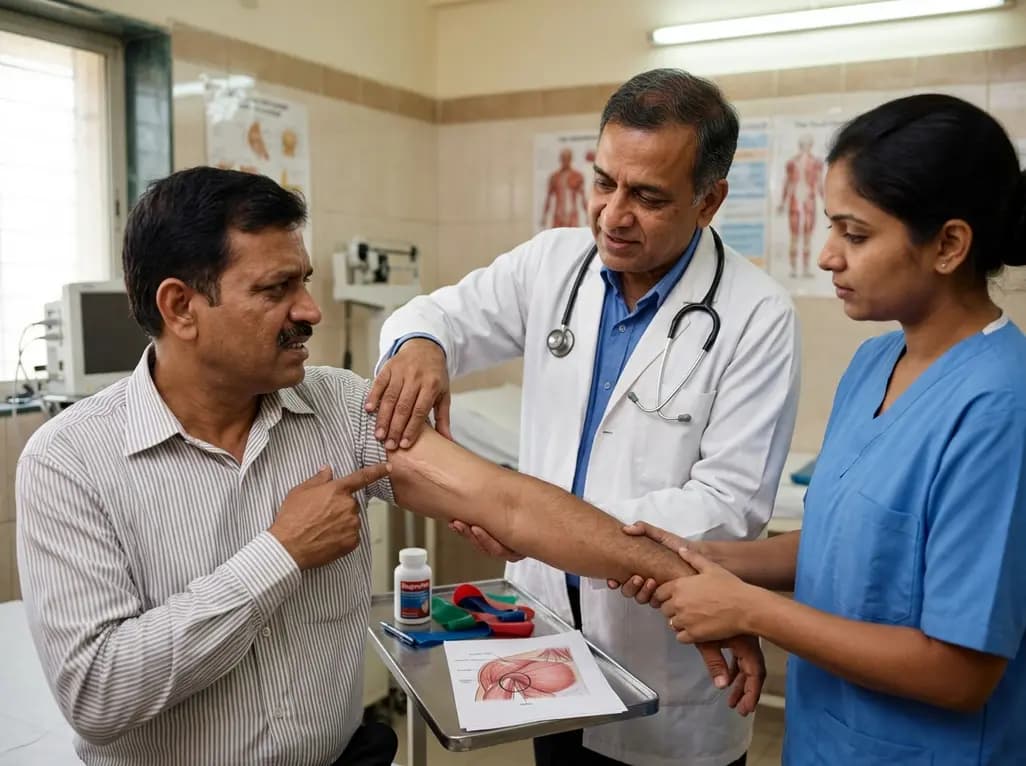
Idiopathic axillary web syndrome (IAWS) is a rare cause of shoulder pain and mobility restriction characterized by palpable axillary cording without prior surgery or trauma. Early diagnosis, nonsteroidal anti-inflammatory therapy, and physical rehabilitation lead to complete resolution of symptoms.
Today

SWEDEPAD-1 trial insights show paclitaxel-coated devices do not improve long-term limb salvage in patients with chronic limb-threatening ischemia and tissue loss. While one-year reinterventions decreased, the devices were linked to a higher risk of major amputation at three months.
Today
