.webp&w=384&q=75)

Loading, please wait...
Loading, please wait...

Monitoring pediatric mortality trends is vital for identifying gaps in healthcare delivery and improving survival rates in vulnerable populations. A recent retrospective cross-sectional study conducted at Banadir Hospital in Mogadishu, Somalia, offers critical insights into these patterns. Over a two-year period, researchers analyzed 1,443 pediatric death records to determine the primary drivers of mortality. The study revealed an overall pediatric mortality rate of 5.3%, highlighting the persistent challenges faced by healthcare systems in conflict-affected regions. Consequently, these findings underscore the urgent need for targeted clinical interventions and better nutritional support.
The data indicates that male children accounted for 56.5% of deaths, while females represented 43.5%. Infants under one year of age were disproportionately affected, contributing to the majority of the recorded fatalities. Furthermore, severe acute malnutrition (SAM) emerged as the leading cause of death, responsible for 29.04% of cases. Other significant contributors included preterm birth complications at 13.65% and birth asphyxia at 10.33%. These conditions remain preventable with improved maternal and neonatal care. Therefore, strengthening primary healthcare and emergency pediatric services is essential to shift these pediatric mortality trends toward more favorable outcomes.
One of the most concerning findings was the timing of these deaths. The majority occurred within the first 24 hours after admission or between the second and fifth days of hospitalization. This trend suggests that many patients arrive at the hospital in critical condition, often too late for effective intervention. Moreover, the significant association between the child's age and the specific cause of death emphasizes the need for age-specific clinical protocols. Improving timely referral systems and early hospital intervention could significantly reduce the mortality burden in these high-risk groups.
The primary causes were severe acute malnutrition (29.04%), preterm birth complications (13.65%), and birth asphyxia (10.33%). These factors were particularly prevalent among infants under one year of age.
The study found that a high percentage of deaths occurred within the first 24 hours of admission, followed by the period between two and five days of hospitalization, indicating late presentation of illnesses.
There is a strong association between age and the cause of death. For instance, neonates and infants are most vulnerable to birth asphyxia and prematurity, while severe acute malnutrition impacts a broader range of the pediatric population.
Disclaimer: This content is for informational and educational purposes only and does not constitute medical advice. It is not intended to be a substitute for professional medical judgment, diagnosis, or treatment. Always seek the advice of your physician or another qualified health provider with any questions you may have regarding a medical condition. Refer to the latest local and national guidelines for clinical practice.
References
Keynan AMA et al. A Retrospective Analysis of Pediatric Mortality Trends Over 2 Years at a National Referral Hospital in Mogadishu, Somalia. J Paediatr Child Health. 2026 Feb 17. doi: 10.1111/jpc.70321. PMID: 41700456.
World Health Organization. Child mortality and causes of death. 2024. Available at: https://www.who.int/news-room/fact-sheets/detail/levels-and-trends-in-child-mortality-report-2024
UNICEF. Levels and Trends in Child Mortality. 2025 Report. Available at: https://data.unicef.org/resources/levels-and-trends-in-child-mortality/
"
Read summarized clinical updates, watch expert medical content, and earn CME certifications right from your smartphone.
Open your smartphone camera to scan and install.





A retrospective study in Mogadishu reveals a 5.3% pediatric mortality rate, with malnutrition and birth complications identified as the primary causes of de...
8 months ago

Recent epidemiological data reveals a dramatic surge in summer heat mortality driven by human-induced climate warming. This analysis explores the pathophysiological impacts on cardiac and renal systems, diagnostic dilemmas in death certification, and essential emergency cooling protocols for acute clinical care.
Today

Odisha has established India's first state-level clinical protocol specifically tailored for pregnant women with sickle cell disease. Developed with NHM and UNICEF, the framework provides structured antenatal screening, crisis mitigation, standardized referral pathways, and specialized interdisciplinary care.
Today

India is advancing preventive healthcare by integrating genomics, artificial intelligence, and quantum technologies. With the SANGAM programme sequencing one million Indian genomes, clinicians can unlock personalized therapies, detect cardiometabolic risks early, and curb the burden of diabetes and heart disease.
Today
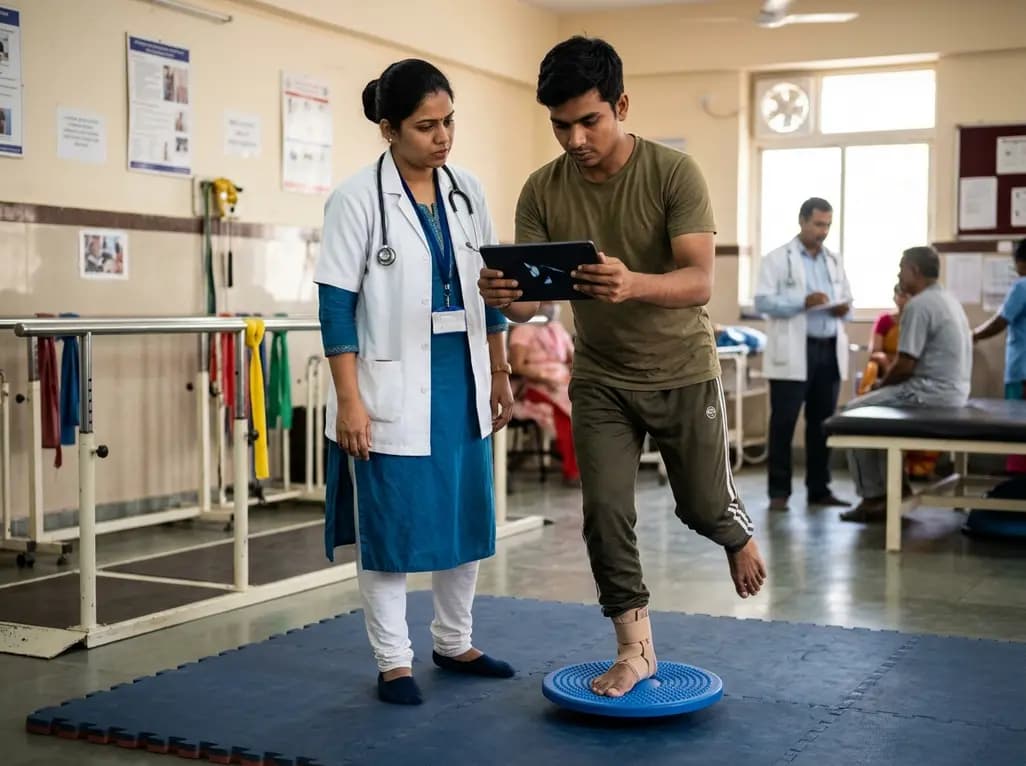
A randomized controlled trial demonstrates that an eight-week dual-task training intervention significantly improves static and dynamic postural control over standard balance exercises in individuals with chronic ankle instability, addressing critical neurocognitive deficits during athletic and daily activities.
Today

A retrospective cohort study of 7,716 ICU patients from the MIMIC-IV database demonstrates that Gradient Boosting Decision Trees significantly outperform traditional SOFA scores in predicting in-hospital mortality among patients with sepsis and diabetes, with SHAP analysis providing clinical interpretability.
Today
