.webp&w=384&q=75)

Loading, please wait...
Loading, please wait...

Clinicians often find it challenging to evaluate children with a new limp or hip pain. However, point-of-care ultrasound (POCUS) has emerged as a vital diagnostic tool in the emergency department. Pediatric hip POCUS allows physicians to rapidly identify joint effusions at the bedside. This scoping review synthesizes evidence showing that POCUS is highly accurate and integrates well into clinical workflows. Consequently, it can significantly reduce the time to diagnosis for conditions like transient synovitis or septic arthritis.
Current evidence suggests that POCUS is a reliable alternative to radiology-performed ultrasound. Recent studies report a sensitivity ranging from 80% to 98%. Furthermore, the specificity remains consistently high, between 91% and 98%. In a multicenter study, experienced emergency physicians achieved nearly 90% sensitivity in detecting effusions. Moreover, there is excellent agreement between POCUS findings and those of pediatric radiologists. Therefore, clinicians can trust these results when assessing atraumatic hip pain in children.
Successfully implementing this tool requires appropriate training and credentialing. Although diagnostic accuracy is high, results may vary based on operator experience. For example, high-volume clinicians tend to show better performance than those with less frequent practice. Additionally, using POCUS alongside clinical decision rules can help rule out serious conditions. This approach streamlines the triage process and reduces the need for unnecessary laboratory tests or radiation from X-rays. Physicians should focus on standard sonographic definitions to maintain consistency across evaluations.
While POCUS identifies the presence of an effusion, it cannot differentiate the etiology based on visual appearance alone. Clinicians must use ultrasound findings alongside clinical history, physical exams, and laboratory markers to guide treatment.
Emergency physicians can achieve high accuracy after variable training periods. However, recent evidence suggests that consistent practice and multicenter credentialing programs improve sensitivity and diagnostic confidence.
POCUS serves as an excellent screening tool that can expedite care. While it may reduce the need for formal radiology in many cases, complex or ambiguous presentations might still require specialist confirmation.
Disclaimer: This content is for informational and educational purposes only. It does not constitute medical advice and should not be used as a substitute for professional clinical judgment. Refer to the latest local and national guidelines for clinical practice.
References
Chan N et al. Point-of-Care Ultrasound for the Diagnosis of Hip Effusion in children Presenting to the Emergency Department With Atraumatic Limp or Hip Pain: A Scoping Review. J Ultrasound Med. 2026 May 08. doi: 10.1002/jum.70286. PMID: 42104527.
Jones RM et al. Diagnostic Accuracy of Point-of-Care Ultrasound for Hip Effusion: A Multicenter Diagnostic Study. Ann Emerg Med. 2025;DOI: 10.1016/j.annemergmed.2025.04.033.
Katz-Dana H et al. Diagnostic accuracy of point-of-care ultrasound (PoCUS) for the diagnosis of hip effusion in the pediatric emergency department. CJEM. 2024;DOI: 10.1007/s43678-024-00788-z.

Read summarized clinical updates, watch expert medical content, and earn CME certifications right from your smartphone.
Open your smartphone camera to scan and install.





A scoping review highlights the high accuracy (80-98% sensitivity) of POCUS for detecting pediatric hip effusions, improving bedside emergency evaluations....
5 months ago

Recent epidemiological data reveals a dramatic surge in summer heat mortality driven by human-induced climate warming. This analysis explores the pathophysiological impacts on cardiac and renal systems, diagnostic dilemmas in death certification, and essential emergency cooling protocols for acute clinical care.
Today
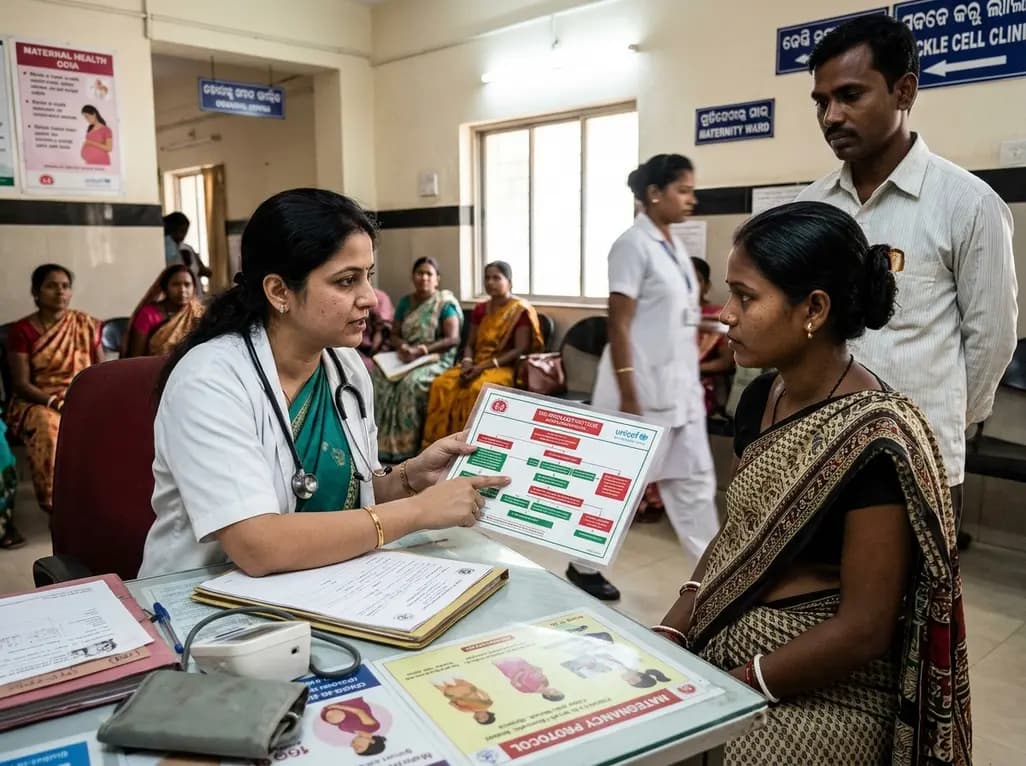
Odisha has established India's first state-level clinical protocol specifically tailored for pregnant women with sickle cell disease. Developed with NHM and UNICEF, the framework provides structured antenatal screening, crisis mitigation, standardized referral pathways, and specialized interdisciplinary care.
Today

India is advancing preventive healthcare by integrating genomics, artificial intelligence, and quantum technologies. With the SANGAM programme sequencing one million Indian genomes, clinicians can unlock personalized therapies, detect cardiometabolic risks early, and curb the burden of diabetes and heart disease.
Today
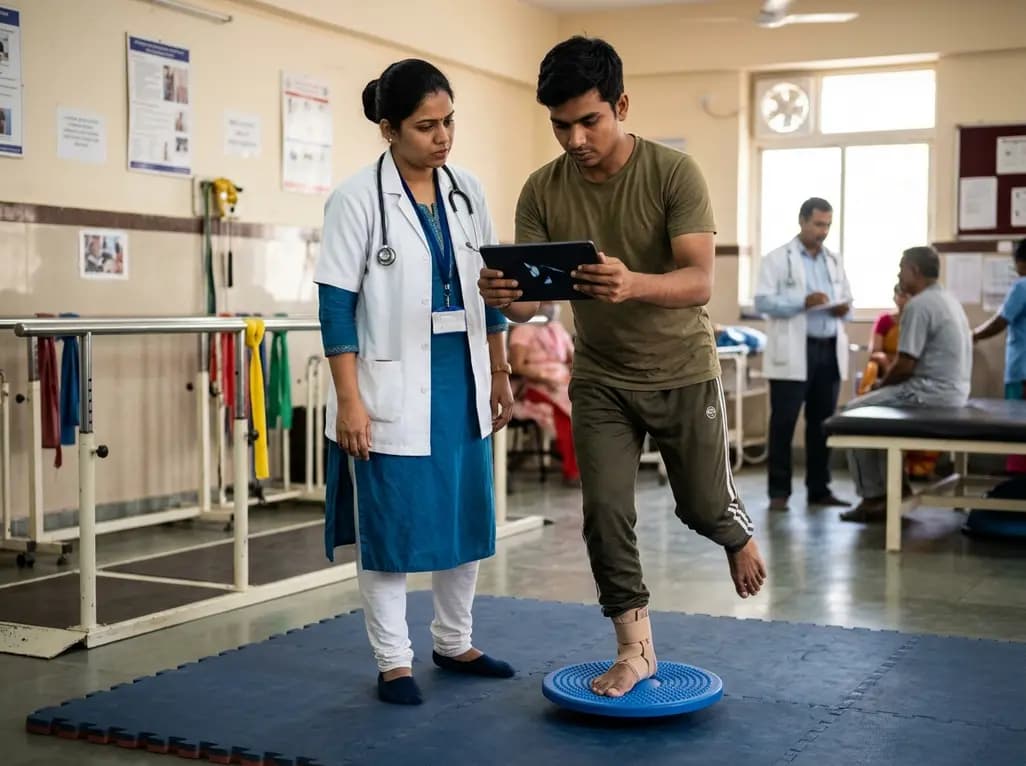
A randomized controlled trial demonstrates that an eight-week dual-task training intervention significantly improves static and dynamic postural control over standard balance exercises in individuals with chronic ankle instability, addressing critical neurocognitive deficits during athletic and daily activities.
Today

A retrospective cohort study of 7,716 ICU patients from the MIMIC-IV database demonstrates that Gradient Boosting Decision Trees significantly outperform traditional SOFA scores in predicting in-hospital mortality among patients with sepsis and diabetes, with SHAP analysis providing clinical interpretability.
Today
