.webp&w=384&q=75)

Loading, please wait...
Loading, please wait...

Early childhood development relies heavily on effective communication, social connection, and environmental exploration. When sensory deficits emerge, they profoundly impact both the child and the entire family unit. Consequently, clinicians increasingly recognize that assessing pediatric hearing loss QoL offers indispensable insights beyond pure-tone audiometry. A recent scoping review by Laugen and colleagues examined early childhood outcomes. Specifically, the authors investigated how researchers evaluate quality of life in children aged zero to seven years. Furthermore, they discovered substantial methodological variability across published studies. Therefore, identifying these critical research gaps helps clinicians optimize long-term developmental trajectories.
Quality of life represents a broad multidimensional construct encompassing physical, psychological, emotional, and social well-being. However, researchers frequently fail to define this construct explicitly when studying young children with hearing impairment. The scoping review identified forty-seven relevant investigations published over the past decade. Strikingly, many of these papers lacked a clear theoretical definition of quality of life. This ambiguity creates considerable difficulty when comparing clinical findings across different cohorts and healthcare systems.
Furthermore, early childhood presents distinct developmental milestones that standard psychometric tools often overlook. Toddlers and infants cannot self-report their daily experiences or internal emotional states. Therefore, investigators must rely on proxy reports from parents or primary caregivers. While parent proxies provide essential perspectives, they inherently capture parental impressions rather than direct infant experiences. Consequently, when clinical studies lack precise definitions, proxy scores may reflect parental anxiety rather than true child well-being. In addition, standardized definitions allow otolaryngologists and pediatricians to establish reliable clinical baselines. Thus, establishing robust terminological frameworks remains crucial for evaluating therapeutic efficacy.
The scoping review revealed a striking imbalance in contemporary pediatric audiology literature. Specifically, the vast majority of published studies focused almost exclusively on children with cochlear implants. Modern implantable auditory devices have undeniably transformed clinical rehabilitation for profound sensorineural hearing loss. However, this narrow scientific focus leaves large segments of the pediatric population underrepresented. As a result, clinicians face significant data shortages when counseling families with other auditory profiles.
In contrast, children presenting with mild, moderate, or unilateral hearing loss receive far less scholarly examination. These young patients frequently experience subtle academic struggles, listening fatigue, and social misunderstandings. Because their auditory challenges remain less visible, educators and physicians may underestimate their daily burdens. In addition, children with comorbid neurodevelopmental conditions rarely appear in quality of life investigations. Clinicians encounter these complex presentations routinely in daily hospital practice. When research ignores these subgroups, healthcare providers lack evidence-based tools to guide supportive therapy. Therefore, future pediatric investigations must broaden their scope to include all degrees of hearing loss.
Accurate clinical outcome measurement requires validated instruments with documented psychometric properties. The scoping review examined both generic and hearing-specific questionnaires used across early childhood cohorts. Generic tools permit valuable comparisons between deaf children and their typically hearing peers. Conversely, hearing-specific instruments capture distinctive functional nuances, including listening fatigue, device comfort, and vocal self-monitoring. Both assessment modalities offer vital benefits when evaluating pediatric hearing loss QoL in clinical practice.
However, the scoping review discovered that many published reports failed to document the psychometric validity of their chosen tools. Several studies utilized ad-hoc surveys or adapted adult instruments without establishing reliable construct validity. Moreover, few assessment tools possess formal linguistic validation for diverse socioeconomic environments. This methodological shortfall significantly undermines the real-world utility of reported outcomes. Consequently, pediatric otolaryngologists must ensure that questionnaires demonstrate sound sensitivity and cultural relevance before guiding therapy. Therefore, developing rigorously validated instruments tailored to early childhood remains an urgent scientific priority.
A diagnosis of childhood hearing impairment fundamentally transforms the entire domestic ecosystem. Parents often experience immediate emotional distress, heavy navigational burdens, and ongoing financial stress. Therefore, family-centered early intervention represents the cornerstone of modern rehabilitative audiology. These structured programmes aim to empower parents, enhance communicative interactions, and reduce systemic domestic tension. Consequently, measuring family quality of life provides an essential benchmark for overall intervention success.
Surprisingly, the scoping review highlighted that systematic research examining early intervention effects on quality of life remains practically absent. Most published literature focuses strictly on auditory speech perception scores and vocabulary acquisition. While speech development represents a vital clinical milestone, it does not automatically guarantee harmonious family functioning or psychological adaptation. Early intervention teams require validated metrics to determine how parent coaching improves parental confidence and family cohesion. Furthermore, otolaryngologists and pediatricians must advocate for broader clinical trial designs. Thus, rehabilitation specialists must recognize family well-being as a primary therapeutic goal.
Children who are deaf or hard of hearing often present with additional medical or neurodevelopmental diagnoses. Common comorbidities include autism spectrum disorder, cerebral palsy, visual impairments, and global developmental delays. However, investigators frequently exclude children with complex needs from clinical research protocols. Researchers often believe that multivariable complexity confounds standardized auditory outcome measurements. Consequently, clinicians possess very little empirical data regarding how sensory interventions impact well-being in medically complex children.
Furthermore, managing children with multiple disabilities requires comprehensive, coordinated therapeutic planning. For example, a child with both hearing loss and motor impairment experiences unique daily communication barriers. Excluding these vulnerable patients limits the generalizability of existing quality of life literature. In addition, families caring for children with complex needs endure substantially higher levels of caregiver strain. Therefore, clinical research must urgently adopt inclusive eligibility criteria. By embracing diverse pediatric cohorts, researchers can provide actionable guidance that reflects real-world clinical demographics.
These international findings carry profound implications for healthcare practitioners across India. Under the Rashtriya Bal Swasthya Karyakram, universal newborn screening initiatives aim to detect congenital sensory deficits early. Furthermore, government welfare schemes like the ADIP programme facilitate cochlear implantation for economically disadvantaged children. However, routine clinical follow-up frequently concentrates solely on surgical wound healing and electrical mapping thresholds. Multidisciplinary teams rarely conduct formal quality of life assessments during scheduled reviews.
Indian clinicians encounter remarkable socioeconomic diversity, multilingual environments, and geographic barriers to specialized therapy centers. Therefore, relying exclusively on foreign assessment questionnaires creates substantial clinical discrepancies. In addition, children diagnosed with mild or unilateral hearing loss in rural health centers often experience diagnostic neglect. Pediatricians and ENT surgeons must champion integrated care pathways that monitor family psychological adaptation alongside hearing thresholds. Consequently, incorporating routine quality of life reviews into state health programs will ensure comprehensive developmental equity for Indian children.
Early intervention enhances child quality of life by facilitating timely communication development and language acquisition during critical neurodevelopmental windows. Furthermore, family-centered coaching empowers parents to navigate emotional distress and implement responsive communication strategies at home. Consequently, children experience fewer behavioral frustrations, enhanced social bonding, and stronger peer interactions. These combined developmental gains reduce familial anxiety and promote resilient social functioning throughout early childhood.
Mild and unilateral hearing deficits often remain underrepresented because clinical trials historically prioritize profound deafness requiring surgical cochlear implantation. In addition, children with unilateral loss may pass basic conversational assessments, masking subtle listening fatigue and academic strain. Consequently, clinicians frequently overlook their daily psychosocial challenges. Researchers must actively design targeted outcome studies to capture the unique educational and emotional vulnerabilities affecting this substantial patient cohort.
Validated parent-proxy instruments serve an indispensable role because infants and young children cannot articulate complex subjective feelings. Therefore, standardized proxy surveys allow caregivers to report behavioral observations, emotional states, and communication dynamics systematically. Furthermore, psychometrically robust tools ensure that documented improvements reflect genuine developmental progress rather than subjective observer bias. Clinicians rely on these metrics to modify individualized rehabilitation plans and monitor longitudinal therapeutic effectiveness.
Disclaimer: This content is for informational and educational purposes only... Refer to the latest local and national guidelines for clinical practice.
References

Read summarized clinical updates, watch expert medical content, and earn CME certifications right from your smartphone.
Open your smartphone camera to scan and install.





A recent scoping review examines quality of life in deaf or hard-of-hearing children aged 0-7 years. The study reveals a heavy focus on cochlear implants while highlighting critical gaps in mild hearing loss, comorbid conditions, validated outcome instruments, and family-centered intervention research.
Today
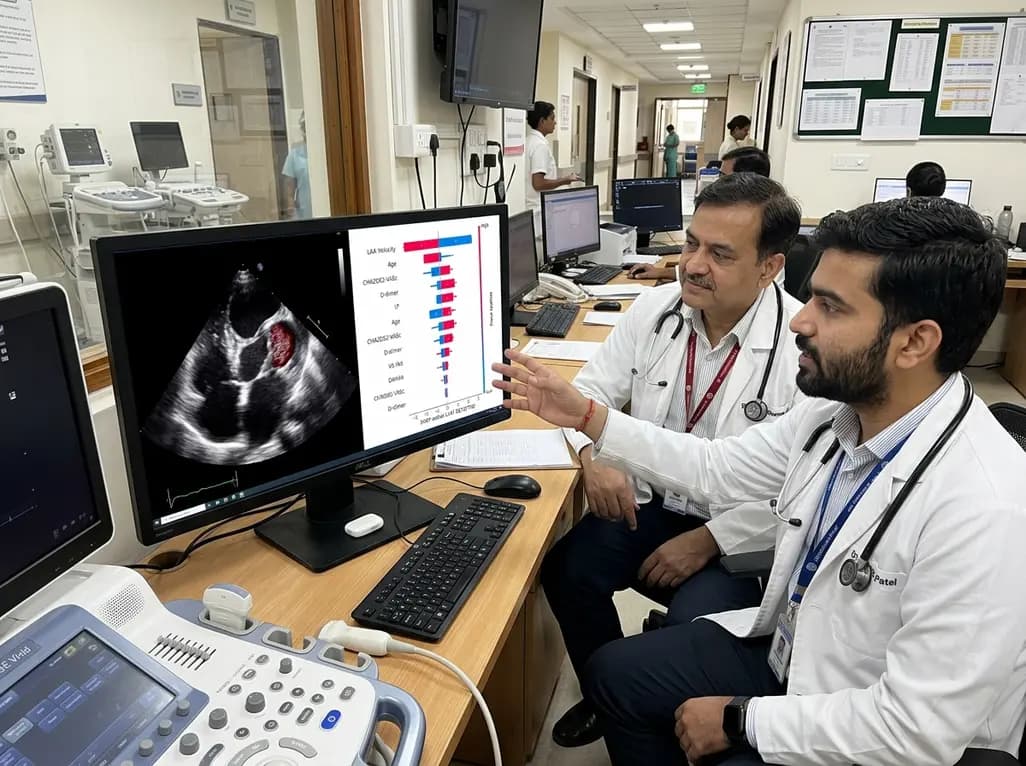
A study demonstrates an explainable machine learning framework integrating clinical and echocardiographic metrics to predict left atrial appendage thrombus in non-valvular atrial fibrillation, utilizing SHAP analysis for clinical interpretability.
Today
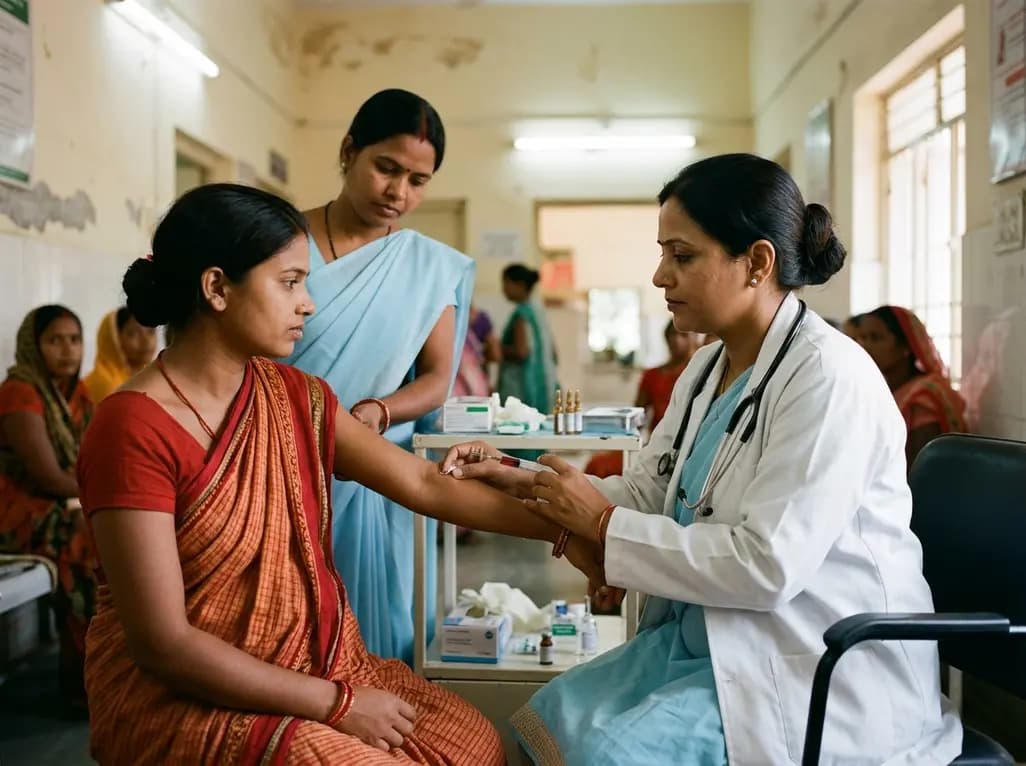
Maternal anaemia contributes to nearly half of pregnancy-related fatalities across India. To prevent complications, Uttar Pradesh has added single-dose parenteral iron to its essential medicines list. This clinical transition aims to restore haemoglobin rapidly and protect high-risk mothers across rural facilities.
Today
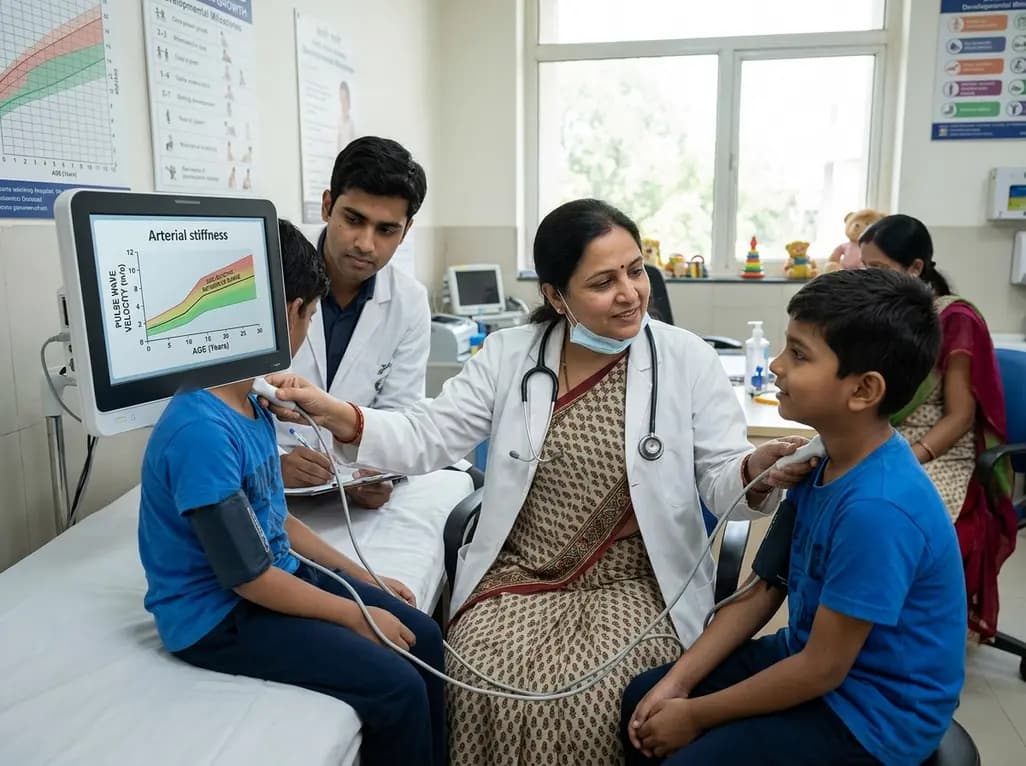
A landmark systematic review and meta-analysis establishes age-specific normative reference values for pediatric pulse wave velocity, revealing a nonlinear trajectory of arterial stiffness from early childhood through adolescence.
Today

A new systematic review evaluates lumbar facet arthroplasty, predominantly the Total Posterior Spine System (TOPS). Evidence shows significant reductions in back and leg pain and preserved segmental mobility, though revision rates and outcome heterogeneity highlight the need for careful patient selection.
Today

A landmark cross-sectional study in Asian adults with type 2 diabetes identifies novel urinary metabolites linked to mild cognitive impairment. Elevated urinary sucrose and altered metabolites highlight non-invasive pathways for early cognitive risk stratification and targeted metabolic management.
Today
